

 English
 中文简体
中文简体 Español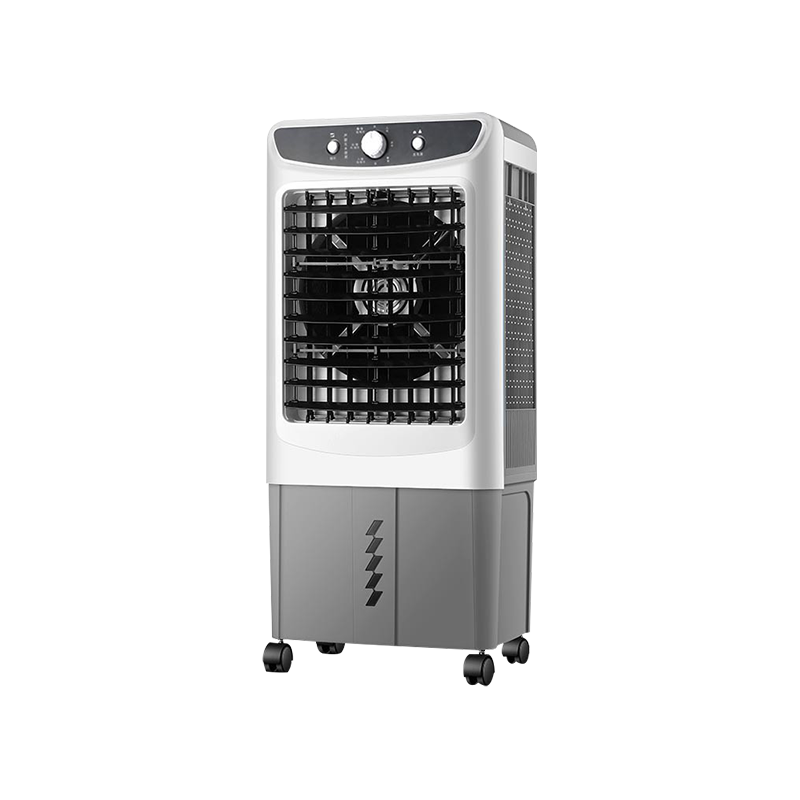
|
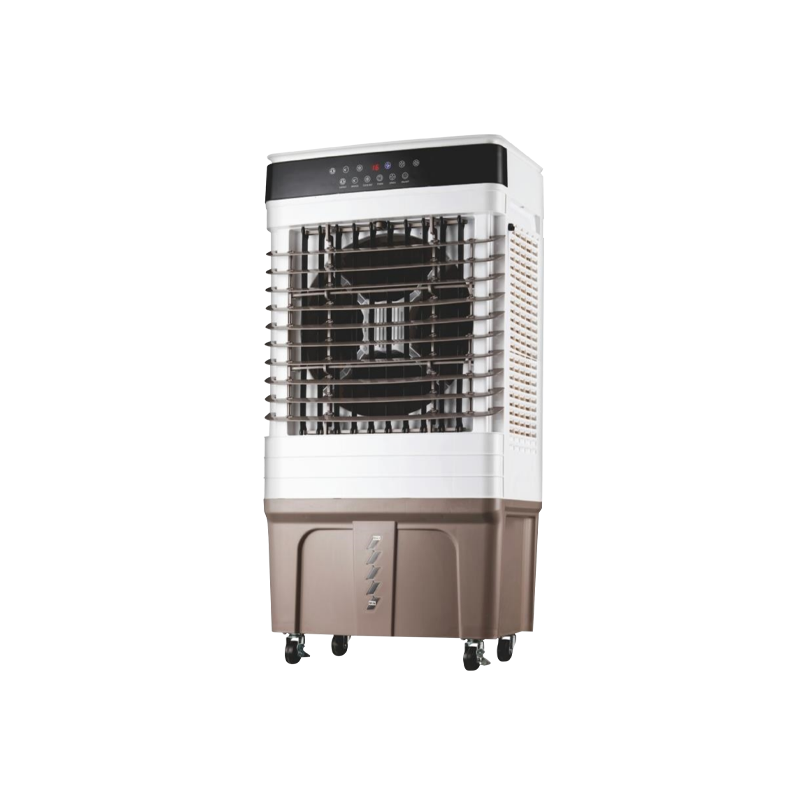
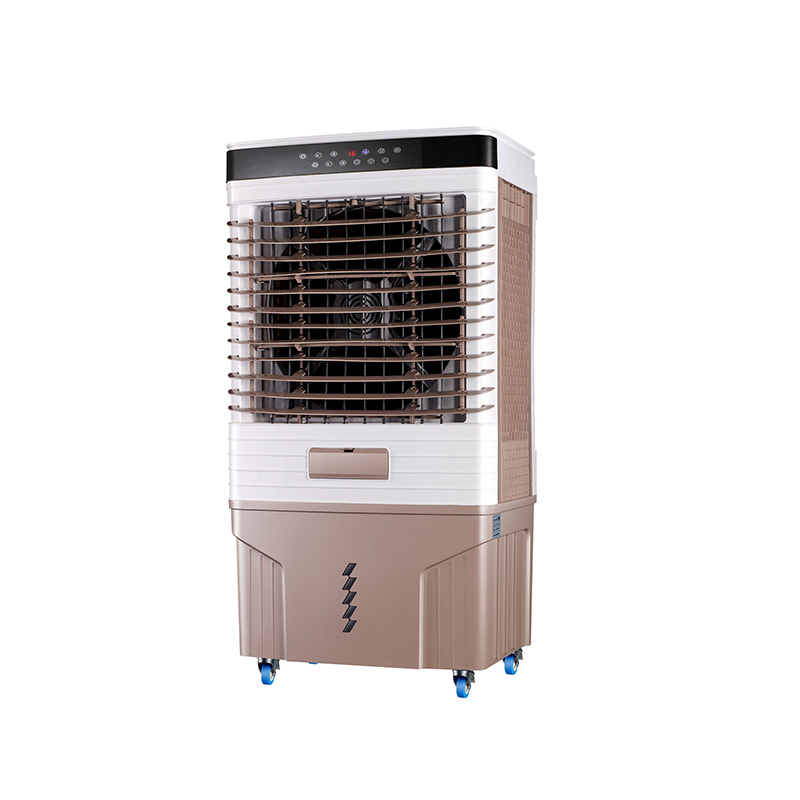
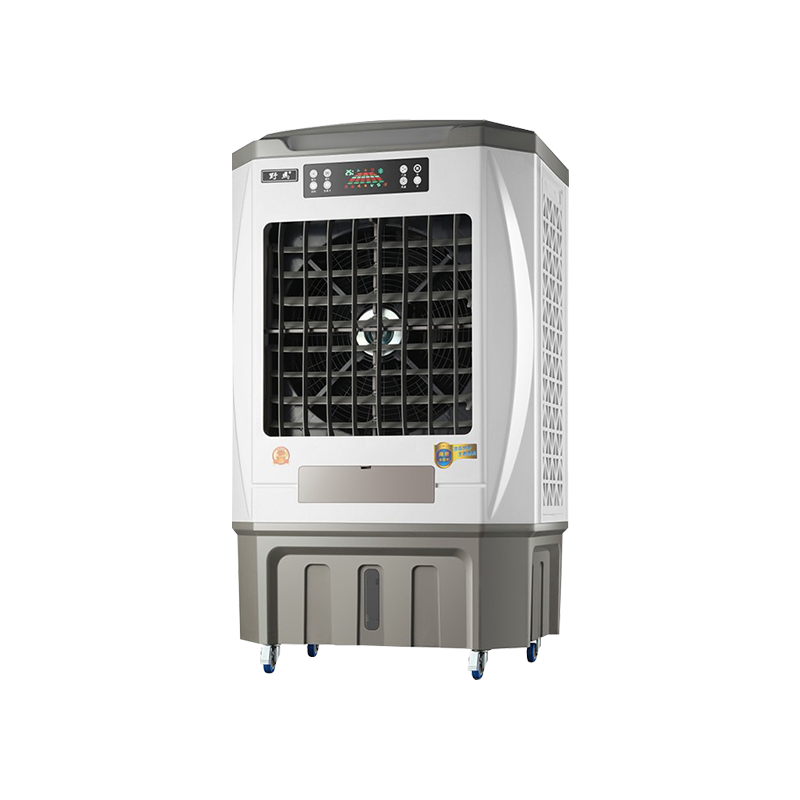
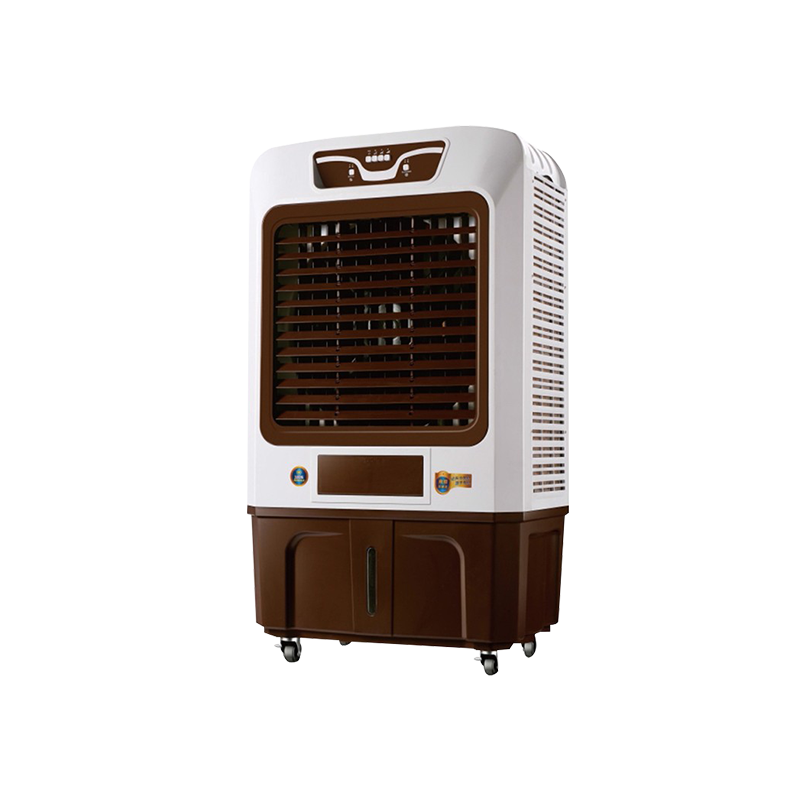
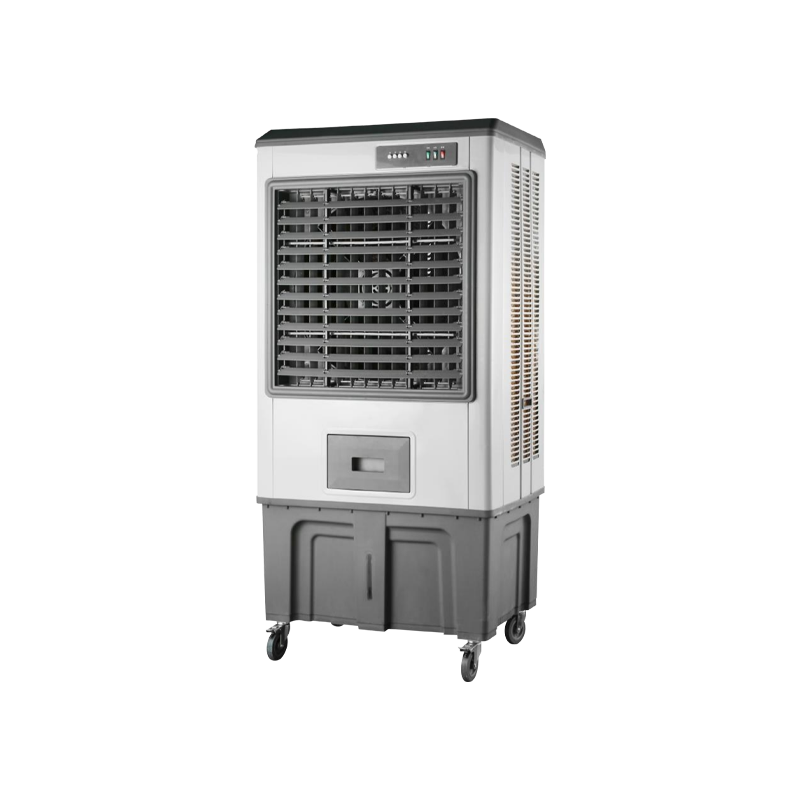
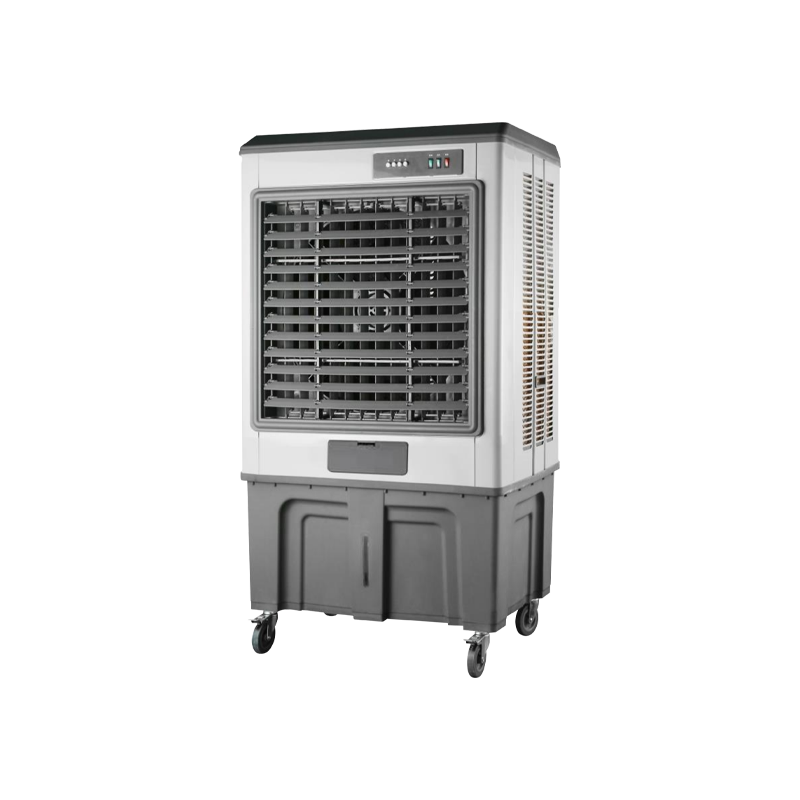
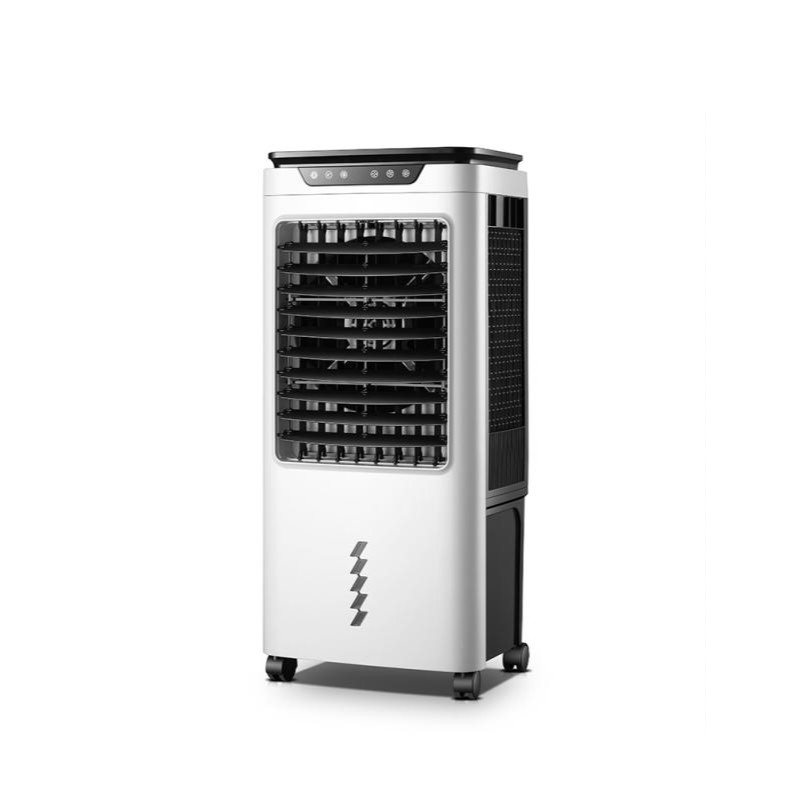
Cooling Power |
500W |
|
Control |
Button |
|
Applying space |
100-180m2 |
|
CFM |
28000m3/h |
|
N.W./G.W. |
37.0kg/45.5kg |
|
Git box dimension |
1023x713x1500mm |
|
Product Size |
960x650x1600mm |
|
Tank Capacity |
260L |
|
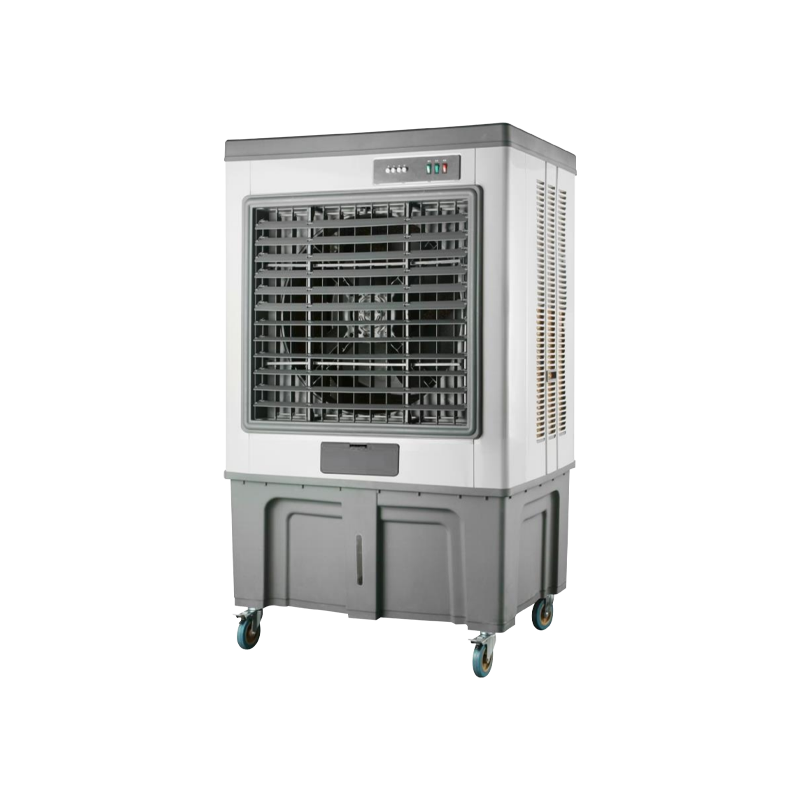
Cooling Power |
500W |
|
Control |
Button |
|
Applying space |
100-180m2 |
|
CFM |
28000m3/h |
|
N.W./G.W. |
37.0kg/45.5kg |
|
Git box dimension |
1023x713x1500mm |
|
Product Size |
960x650x1600mm |
|
Tank Capacity |
260L |
When you lower a metal spoon into a pot of hot soup, the handle warms within seconds even though only the tip touches the liquid. Steam rising from the pot carries heat toward your face, and the burn......
READ MOREAt some point, you have probably touched a metal lid after boiling water and felt how quickly it heats up. You have also felt the warm air rising from a radiator and noticed the heat from the sun thr......
READ MOREWhen you are comparing cooling fans—whether they are built into an evaporative air cooler or mounted in a floor-standing DC fan—you will often see “PWM fan control” listed as a feature. PWM stands fo......
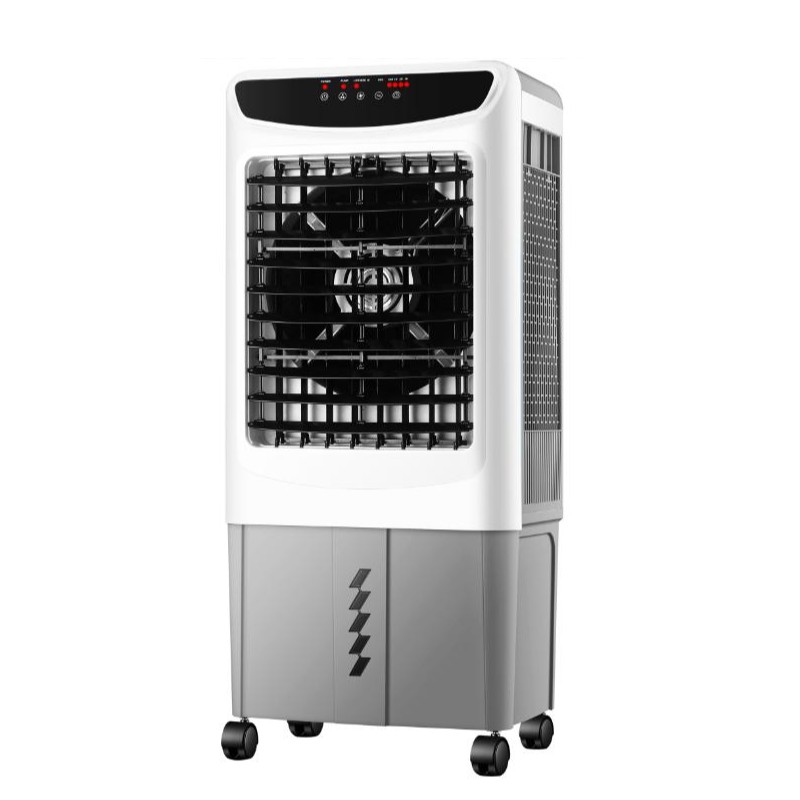
READ MOREWhich corrosion-resistant materials can extend the 260L Large Capacity Water Tank Three-Mode Air Cooler LBW-2042 life of water tanks?
1. High-density polyethylene (HDPE)
Features: HDPE is a lightweight, tough plastic with good chemical resistance and impact resistance. It has good resistance to most acid, alkali and salt solutions.
Application: Due to its resistance to aging and weathering, HDPE is often used outdoors and in water tank manufacturing, and can effectively prevent the growth of microorganisms in water.
2. Stainless steel
Features: Stainless steel is an alloy steel that contains elements such as chromium and nickel, which give it excellent antioxidant and corrosion resistance.
Application: When manufacturing water tanks, stainless steel is often used to withstand high pressure and corrosive environments, which can effectively extend the service life of water tanks. Suitable for drinking water storage and meets hygiene standards.
3. Anti-corrosion coating
Features: Anti-corrosion coating is a specially designed coating that is resistant to water, corrosion and wear. Common types include epoxy resin coating and polyurethane coating.
Application: Spraying anti-corrosion coating on the inner and outer surfaces of metal water tanks can form a protective film to prevent moisture and chemicals from directly contacting the metal surface and reduce rust and corrosion.
4. Epoxy
Features: Epoxy is a high-performance polymer with excellent adhesion and chemical resistance. Its corrosion resistance makes it ideal for liquid storage.
Applications: Epoxy can be used to coat the inside of water tanks to prevent corrosion and dirt accumulation. It can also effectively seal small cracks and enhance the overall sealing of water tanks.
5. Fluoroplastic
Features: Fluoroplastic (such as PTFE, FEP, etc.) has excellent corrosion resistance and can withstand high temperatures and highly corrosive environments. They have good resistance to many chemicals.
Applications: In some demanding water tank applications, fluoroplastics can be used for lining or coating to ensure that the integrity of the water tank is maintained even in harsh conditions.
6. Aluminum Alloy
Features: Aluminum alloy is lightweight, high-strength, and naturally forms an aluminum oxide film that protects its interior from corrosion.
Applications: Aluminum alloy water tanks are used in some special applications, especially where lightweight and good corrosion resistance are required.
7. Synthetic Resin
Features: Synthetic resin has good chemical stability and corrosion resistance and is suitable for use in a variety of environments.
Application: Synthetic resins can be used for internal and external coatings of water tanks to improve their durability and service life.


No.1015 Guanfu Road, Fuhai Town, Cixi City,Zhejiang,China

+86 134-8601-6220 /



Copyright ? Cixi Bisheng Electrical Appliance Co., Ltd. All Rights Reserved.
Wholesale 260L Large Capacity Water Tank Three-Mode Air Cooler LBW-2042 Supplier