Content
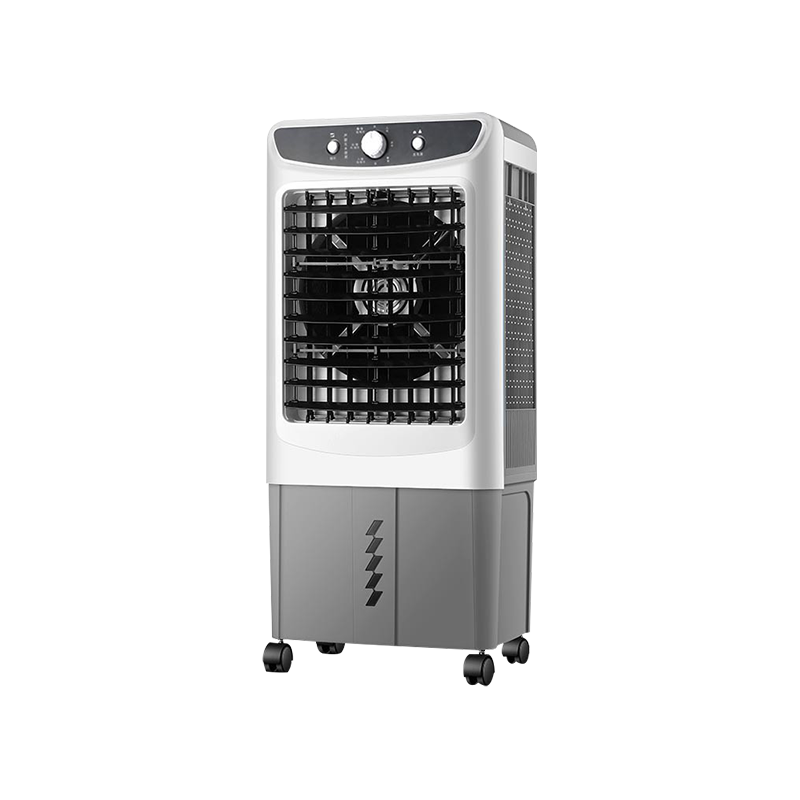
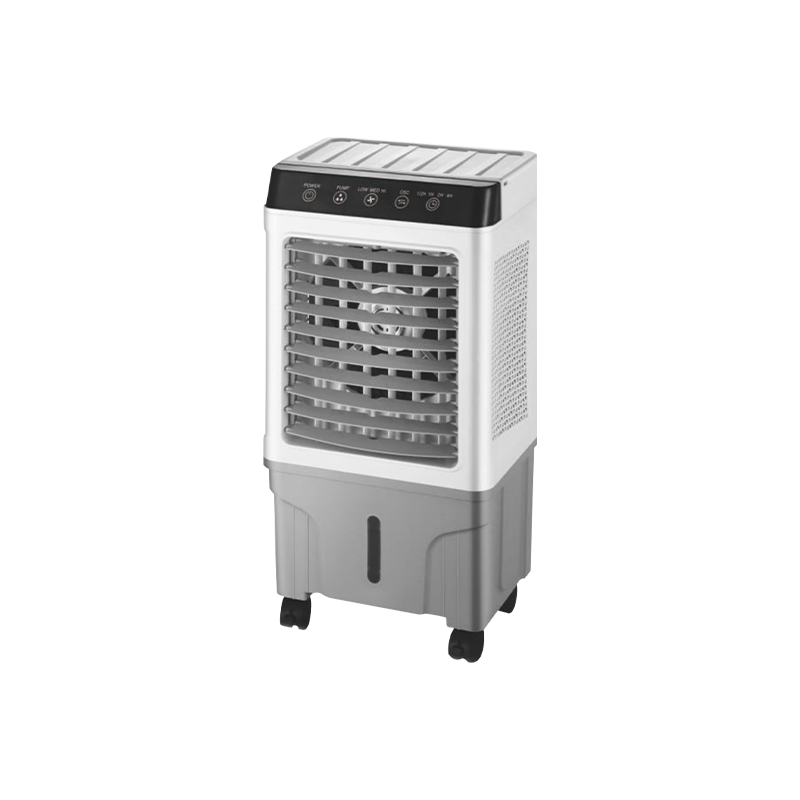
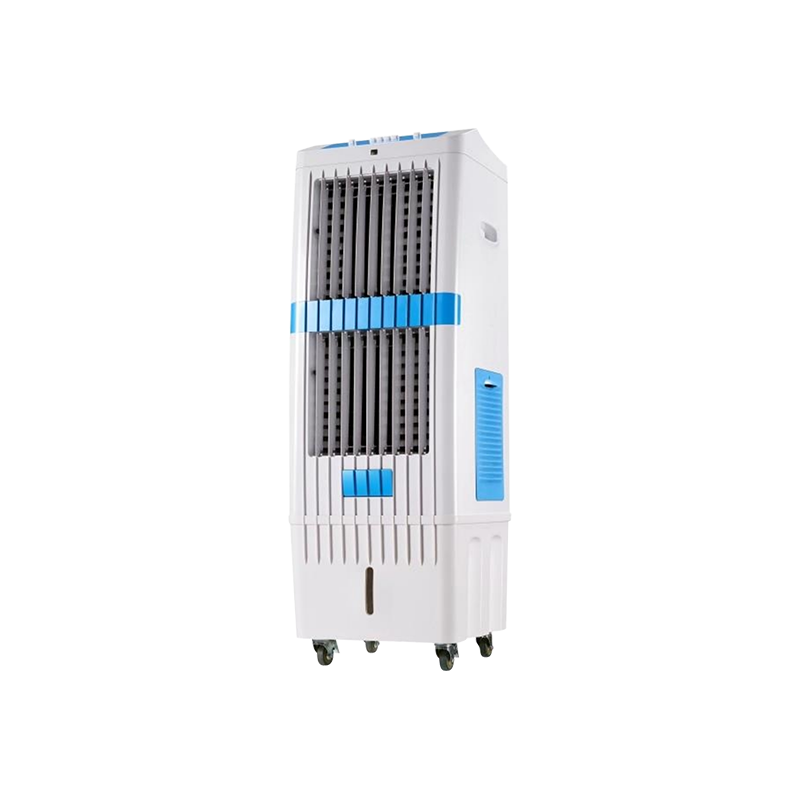
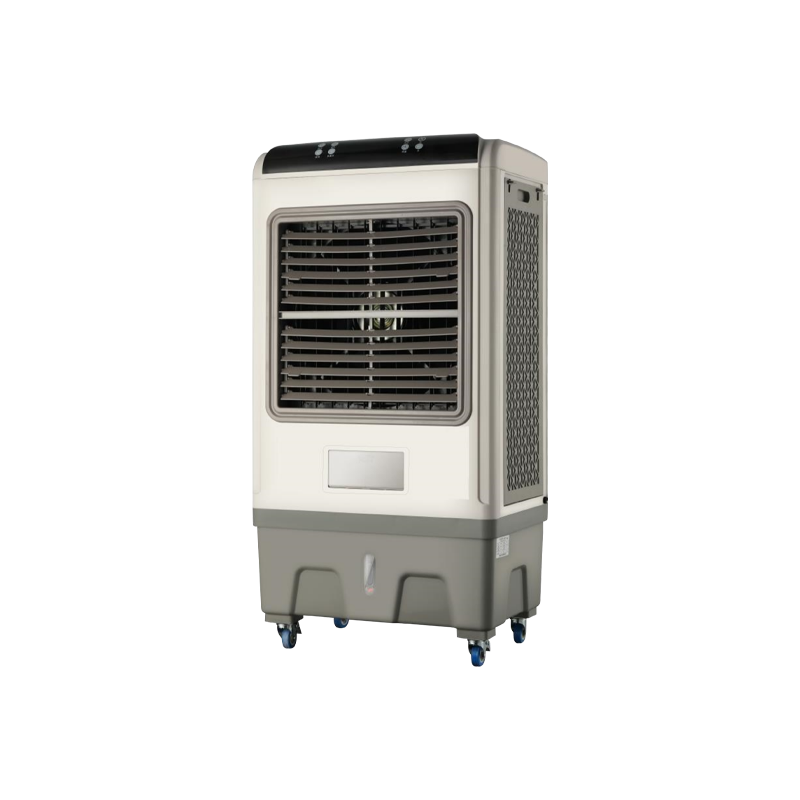
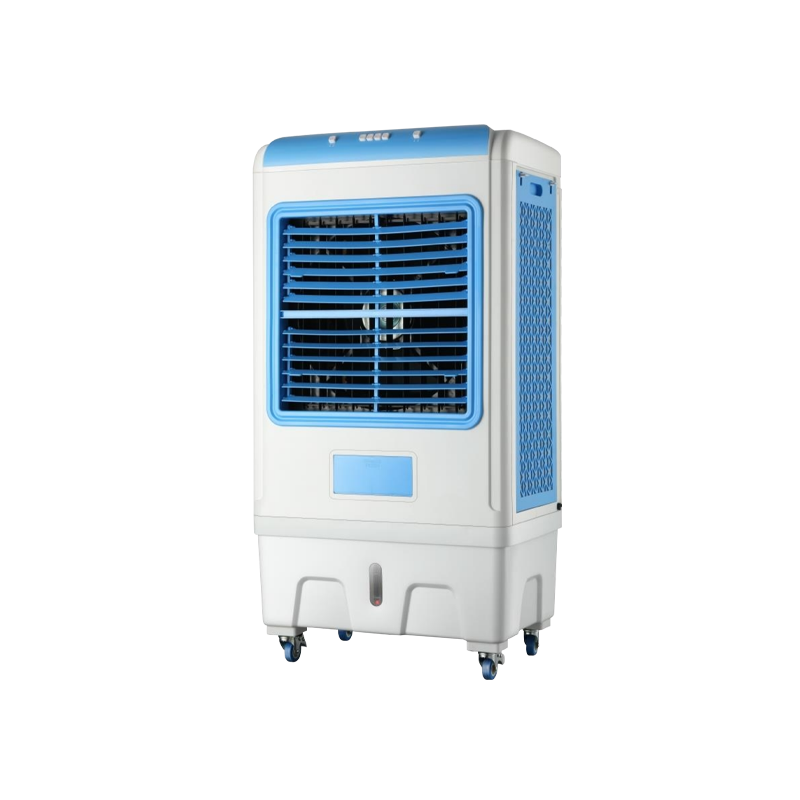
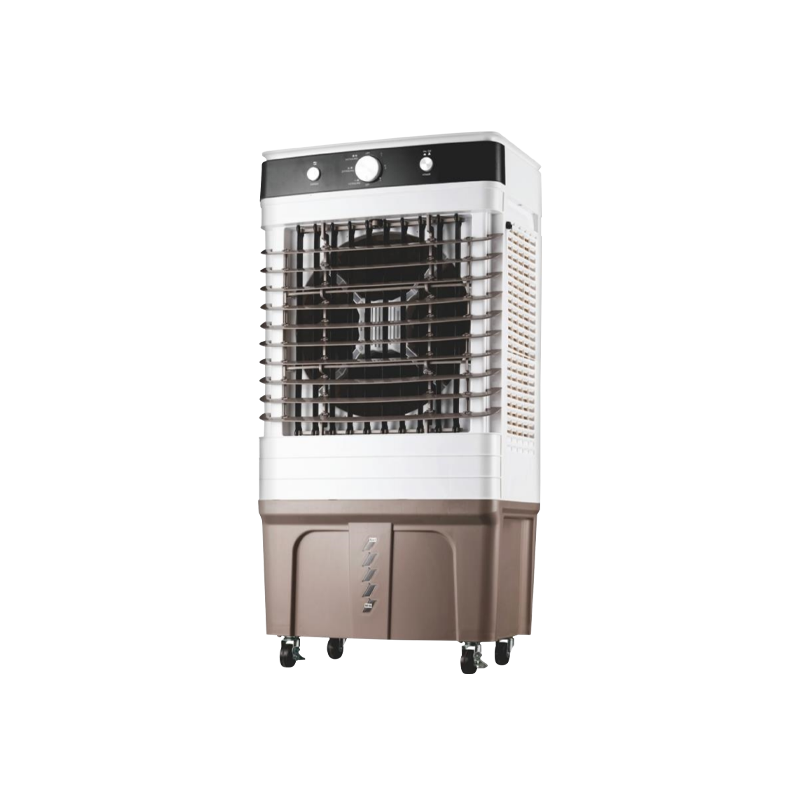
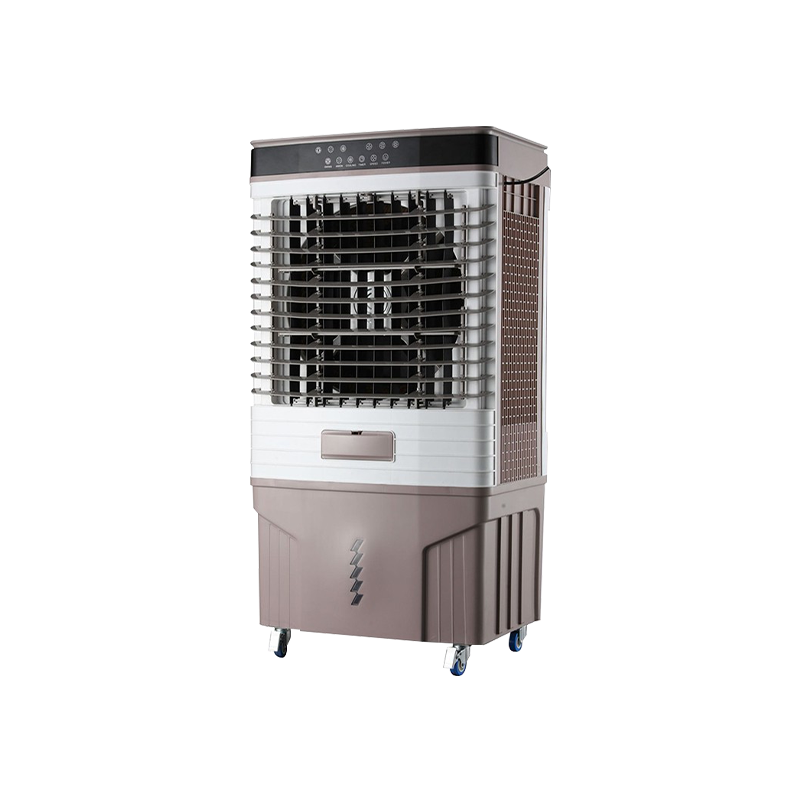
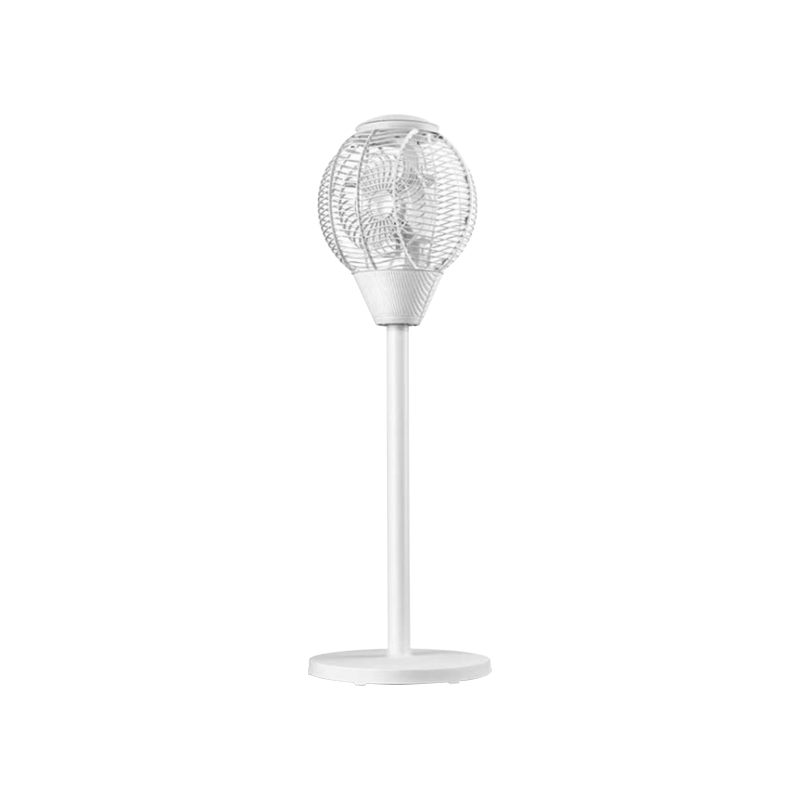
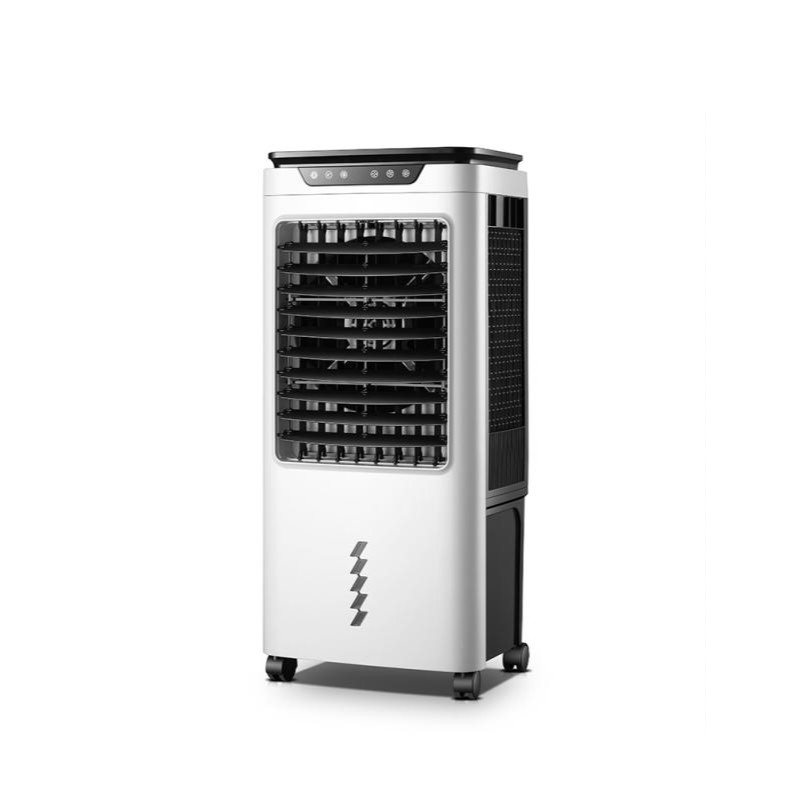
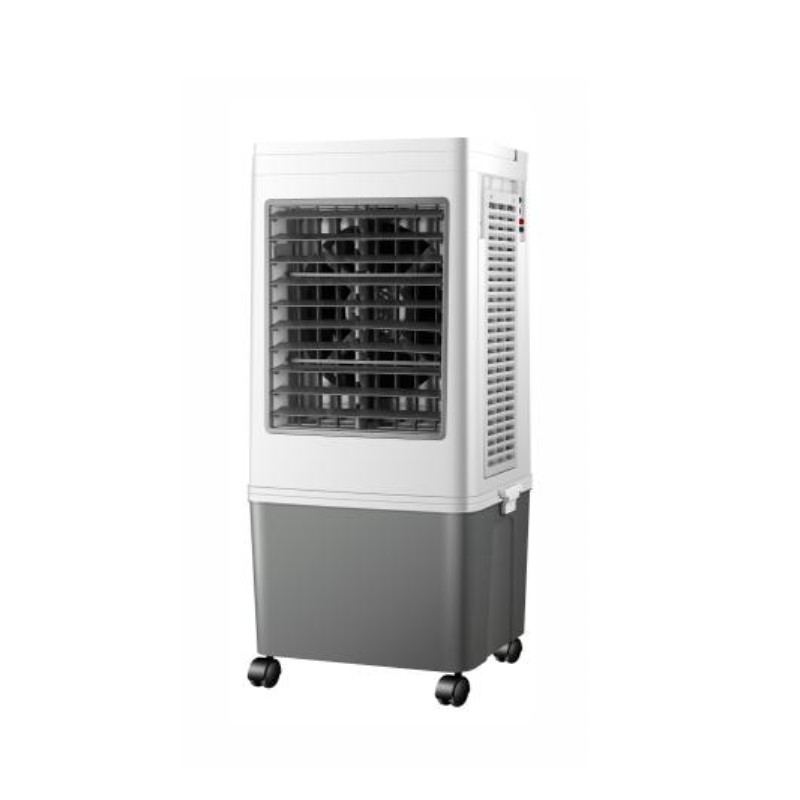
Small evaporative air coolers are indeed effective at localized cooling, but their effectiveness is limited to short-range, small-scale applications. They don't use compressors for cooling; instead, they utilize the principle of physical evaporation, lowering the outlet temperature by approximately 3°C to 6°C in dry environments. If you expect it to lower the temperature of an entire room like an air conditioner, you'll be disappointed; however, if you use it as a desktop personal cooling assistant, it provides a more noticeable cooling effect than a regular electric fan.
The core efficiency of a mini evaporative air cooler lies in its internal evaporative cooling pad (wet curtain). When the fan draws dry, hot air into the unit and through the moisture-soaked cooling pad, the water evaporates, absorbing heat and thus lowering the air temperature.
In an indoor room with an ambient temperature of 32°C and humidity of 35%, turning on a high-quality mini evaporative air cooler with added ice water can directly lower the outlet temperature to around 26°C.
This cooling effect diminishes rapidly with distance. Typically, beyond 1 meter, the cooling sensation becomes negligible due to the mixing of cool air with surrounding warm air.
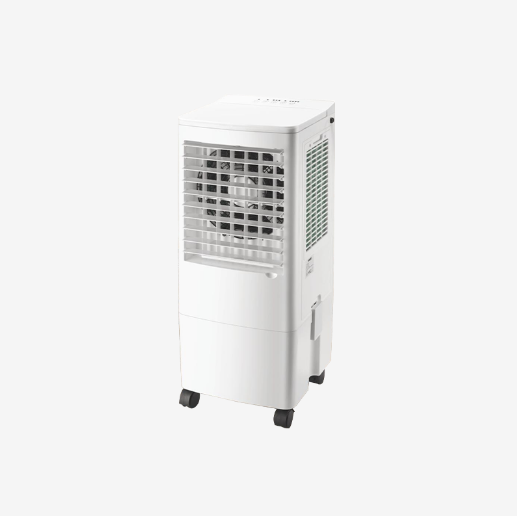
The effectiveness of Small evaporative air coolers is highly dependent on the initial humidity of the environment. This is a crucial factor often overlooked by consumers.
In northern summers or in dry indoor environments with air conditioning, the air's ability to hold moisture is high, and the evaporation process is intense, resulting in optimal performance for small evaporative air coolers.
In southern rainy seasons or environments with humidity exceeding 75%, the air is nearly saturated with moisture, hindering evaporation. In these conditions, the air blown by a small evaporative air cooler not only provides minimal cooling but also increases indoor humidity, creating a sticky and uncomfortable feeling.
Instead of viewing small evaporative air coolers as a replacement for air conditioners, it's more accurate to consider them as an "upgraded and enhanced version" of an electric fan. Its existence solves pain points in specific scenarios:
In multi-person offices where central air conditioning cannot be adjusted, a small air cooler can provide you with a personalized low-temperature microenvironment.
Power consumption is typically only 5W-10W, powered by a USB interface. This means you can use it with a power bank in a dormitory bed, camping tent, or kitchen without a power outlet.
For those whose skin becomes dry from prolonged exposure to air conditioning, the humidified cool air from the small air cooler can provide localized humidification while cooling.
To maximize the effectiveness of a small air cooler, users can try the following to strengthen its impact:
Simply adding tap water only produces a "gentle breeze," while adding -5°C ice cubes will significantly improve the perceived coolness of the airflow.
Placing it within 50 cm of your body (such as next to a computer monitor or pillow) will provide the best cooling sensation.
Small evaporative air coolers' filters are prone to accumulating dust and odors if they get damp over time. Replacing the filter every season ensures clean, pollution-free cooling air.


No.1015 Guanfu Road, Fuhai Town, Cixi City,Zhejiang,China

+86 134-8601-6220



Copyright ? Cixi Bisheng Electrical Appliance Co., Ltd. All Rights Reserved.
Wholesale Portable Air Cooler Manufacturer




 English
 中文简体
中文简体 Español