

 English
 中文简体
中文简体 Español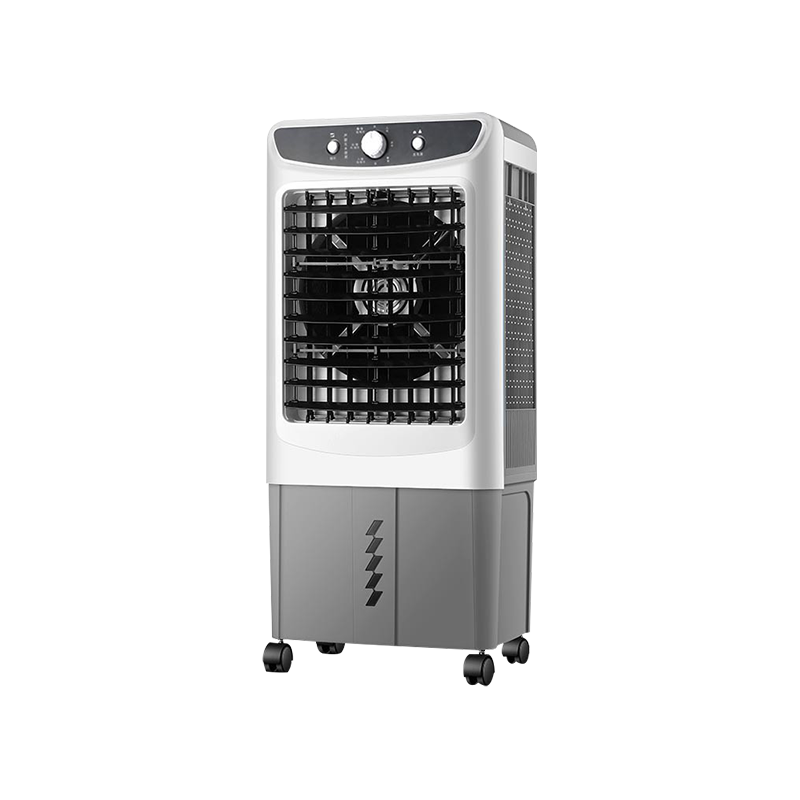
|
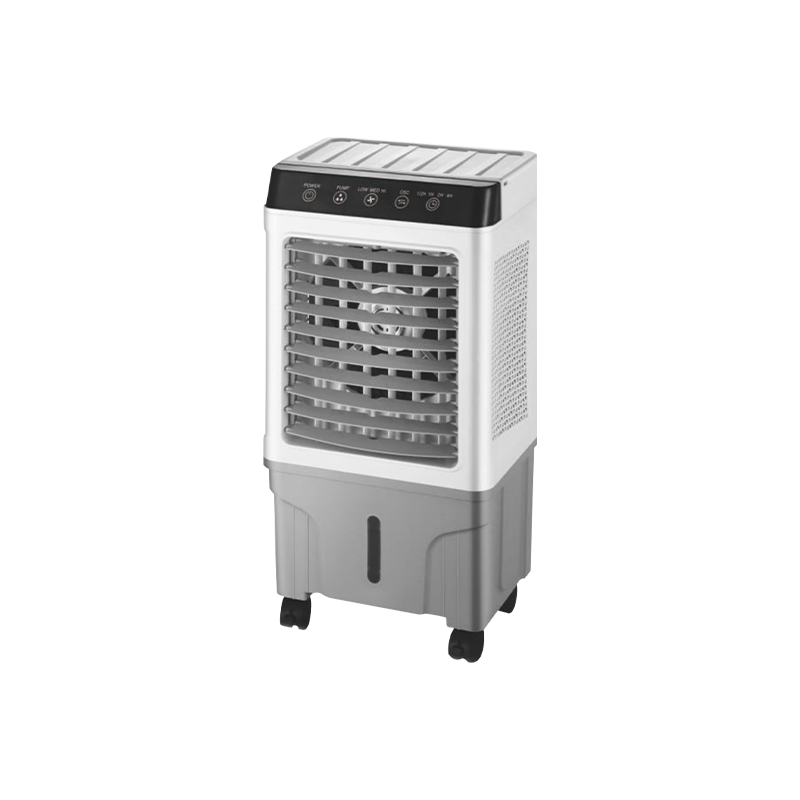
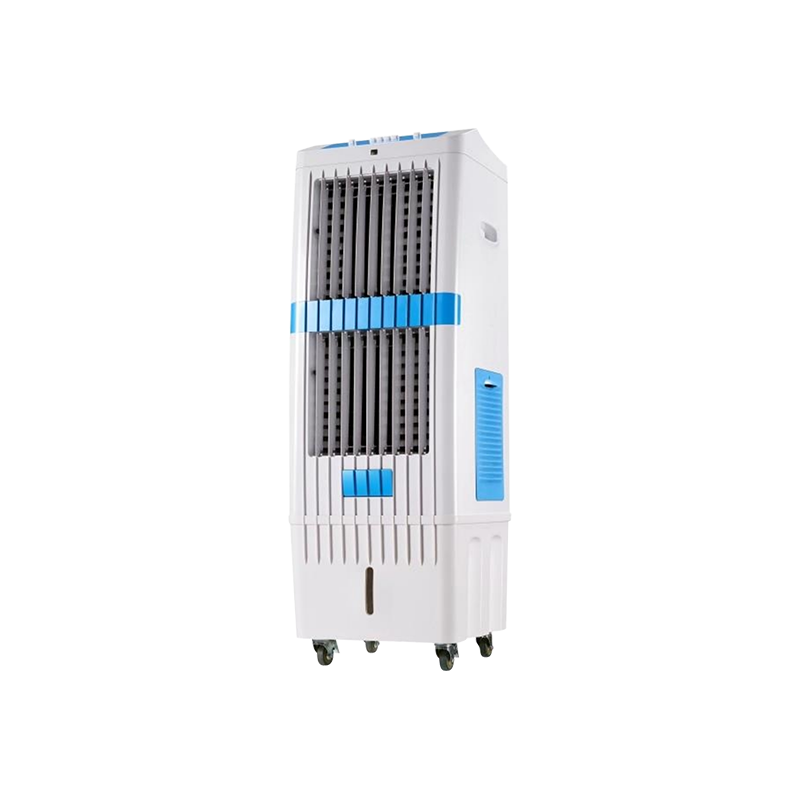
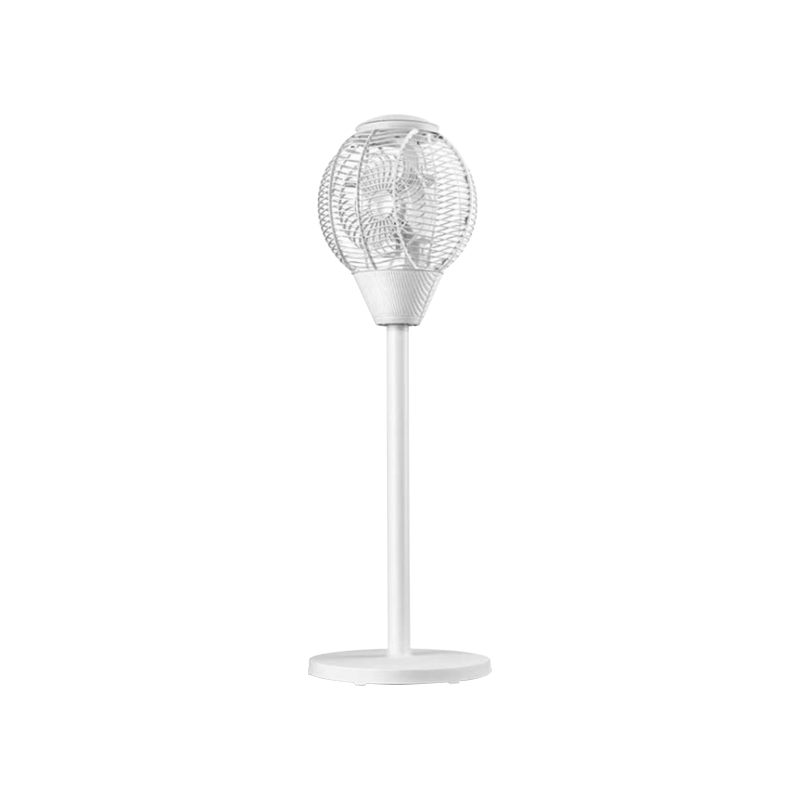
Power |
25W |
|
Product Size |
310x310x1010mm |
|
Gift box dimension |
430x275x335mm |
|
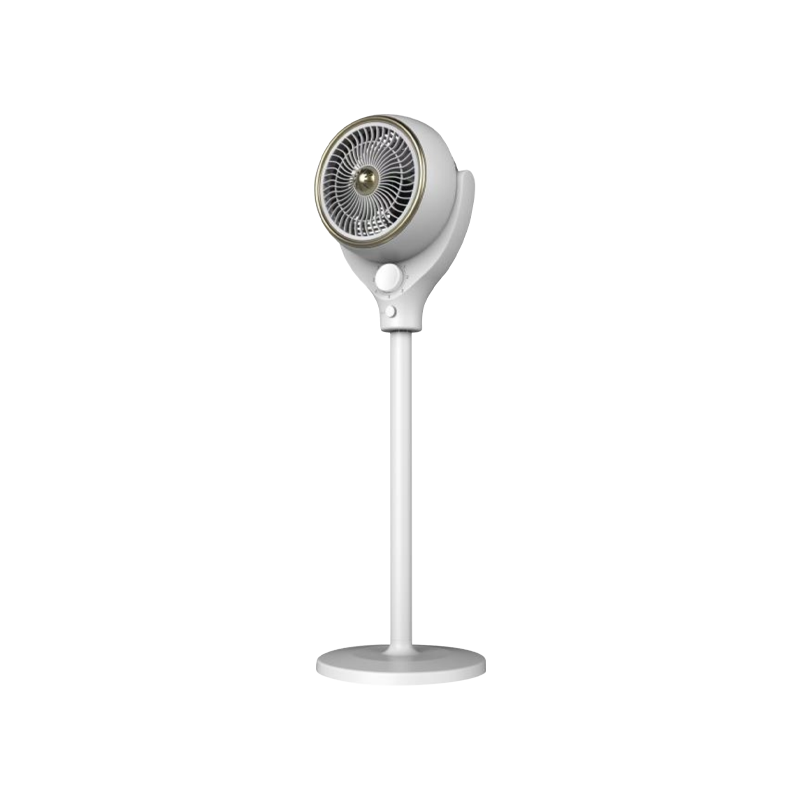
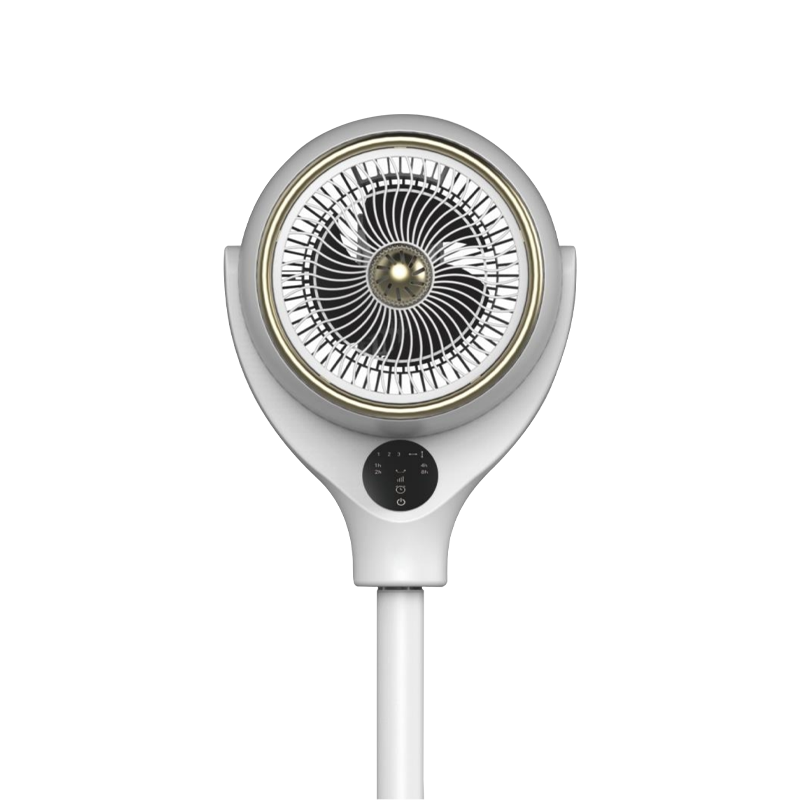
Power |
25W |
|
Product Size |
310x310x1010mm |
|
Gift box dimension |
430x275x335mm |



When you lower a metal spoon into a pot of hot soup, the handle warms within seconds even though only the tip touches the liquid. Steam rising from the pot carries heat toward your face, and the burn......
READ MOREAt some point, you have probably touched a metal lid after boiling water and felt how quickly it heats up. You have also felt the warm air rising from a radiator and noticed the heat from the sun thr......
READ MOREWhen you are comparing cooling fans—whether they are built into an evaporative air cooler or mounted in a floor-standing DC fan—you will often see “PWM fan control” listed as a feature. PWM stands fo......
READ MOREImplementation of Intelligent Voice Control Silent Floor Fan Fan-03
Voice recognition technology:
Microphone array: Fans are usually equipped with multiple microphones to enhance the accuracy of sound capture. This array helps eliminate background noise and improve the clarity of voice recognition.
Digital signal processing (DSP): The captured audio signal is processed by DSP technology to filter out interference signals and enhance voice signals, making subsequent voice recognition more accurate.
Natural language processing (NLP): Through NLP technology, the system is able to understand the intention of the user's voice command. This involves parsing keywords and phrases in the voice in order to convert them into executable instructions.
Voice assistant platform:
Compatibility: Smart fans may be compatible with multiple voice assistant platforms, such as Alexa, Google Assistant, and Apple Siri. This allows users to choose the corresponding assistant based on their personal preferences.
API integration: By using the API (application programming interface) provided by these platforms, the fan can communicate with the voice assistant to receive and execute commands.
Connection method:
Wi-Fi and Bluetooth: Fans usually connect to the home network via Wi-Fi, allowing users to control them remotely using smartphones or smart speakers. Some fans may use Bluetooth for short-range connections to improve the convenience of operation.
Pairing and setup: Users need to pair the fan with a Wi-Fi network or Bluetooth device through the mobile app to ensure that the device can receive commands from the voice assistant.
Mobile App:
Functionality extension: The app provides a variety of control options, such as adjusting the fan speed, setting timers, and creating scene modes. Users can perform initial setup and even firmware updates through the app.
Voice command management: The app allows users to view and manage customized voice commands to enhance the personalized experience.
Cloud computing support:
Real-time data processing: Some voice control functions rely on cloud computing to handle complex voice recognition tasks and ensure fast response.
Continuous updates: Through cloud connectivity, the device can obtain the latest software updates and functional expansions, enhancing the long-term availability of the device.
Feedback mechanism:
Status indication: Fans are usually equipped with LED indicators to show the working status of the device (such as on/off, fan speed, etc.).
Security and privacy protection:
Data encryption: Ensure data encryption when transmitting user commands and device feedback to prevent information from being accessed by unauthorized third parties.
Privacy settings: Users can set privacy options in the app to manage the fan's access to voice commands and data storage.


No.1015 Guanfu Road, Fuhai Town, Cixi City,Zhejiang,China

+86 134-8601-6220 /



Copyright ? Cixi Bisheng Electrical Appliance Co., Ltd. All Rights Reserved.
Wholesale Intelligent Voice Control Silent Floor Fan Fan-03 Supplier