Content
Choosing the right cooling device is key to improving home comfort during the hot summer months. Air coolers (often called evaporative air coolers) and traditional electric fans are two of the most common low-energy options. Simply put, if you live in a dry climate and need significant cooling, an air cooler is a better choice; while if you live in a high-humidity area or simply need to improve air circulation, an electric fan is more economical and practical.
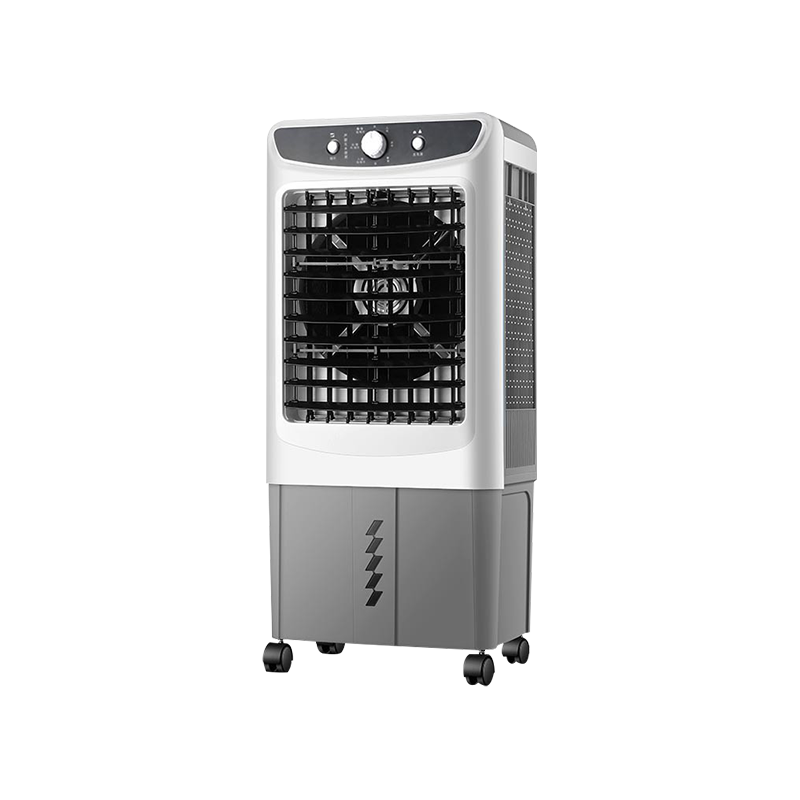
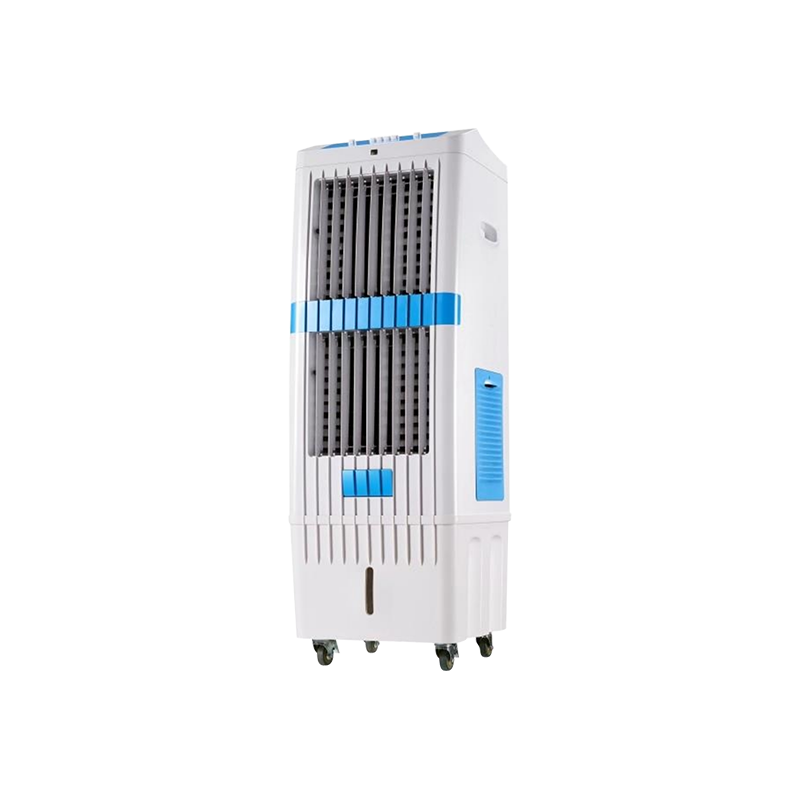
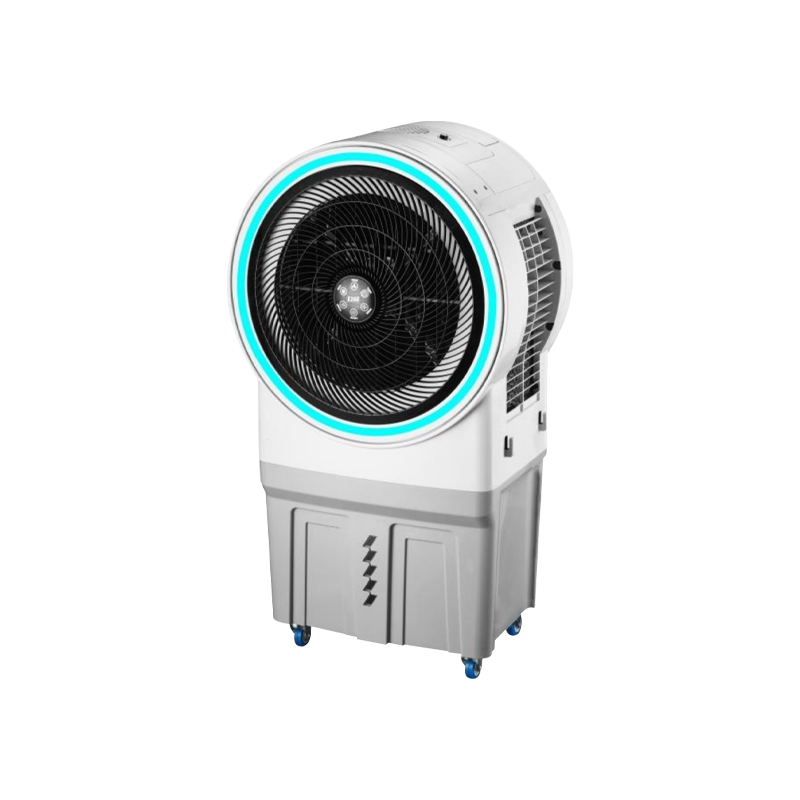
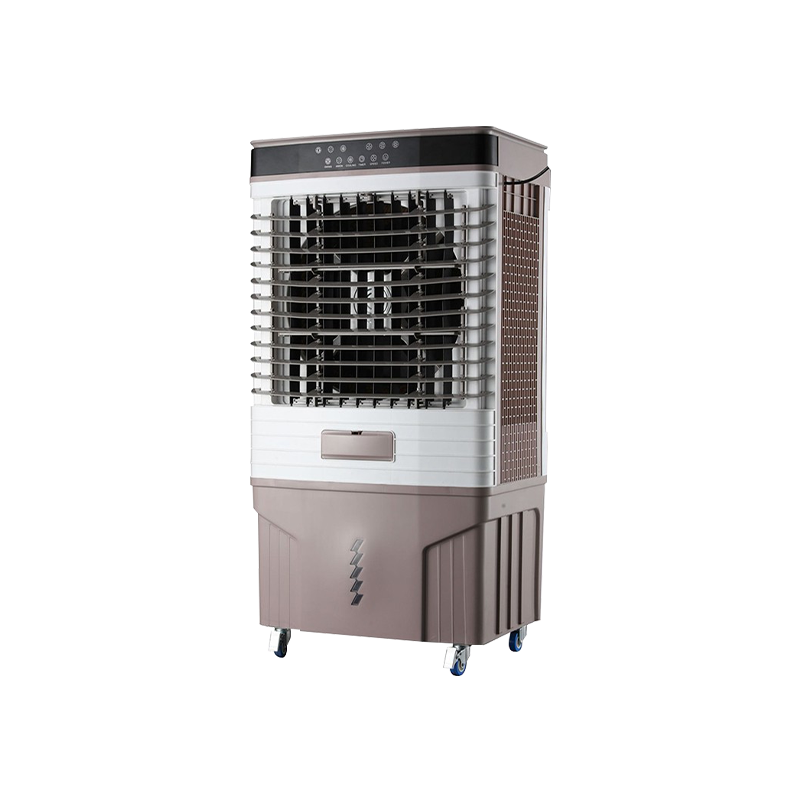
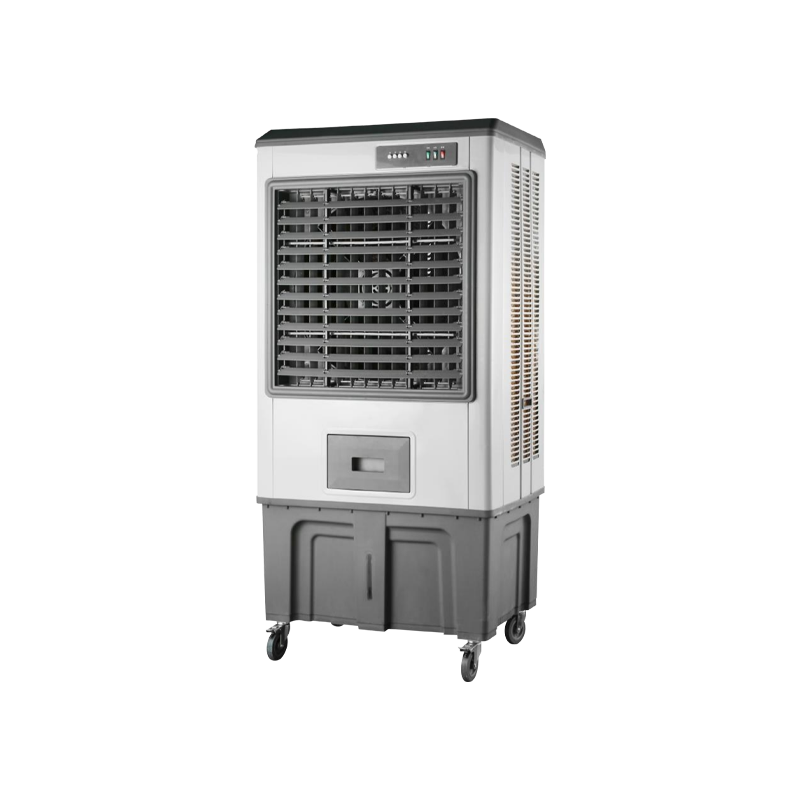
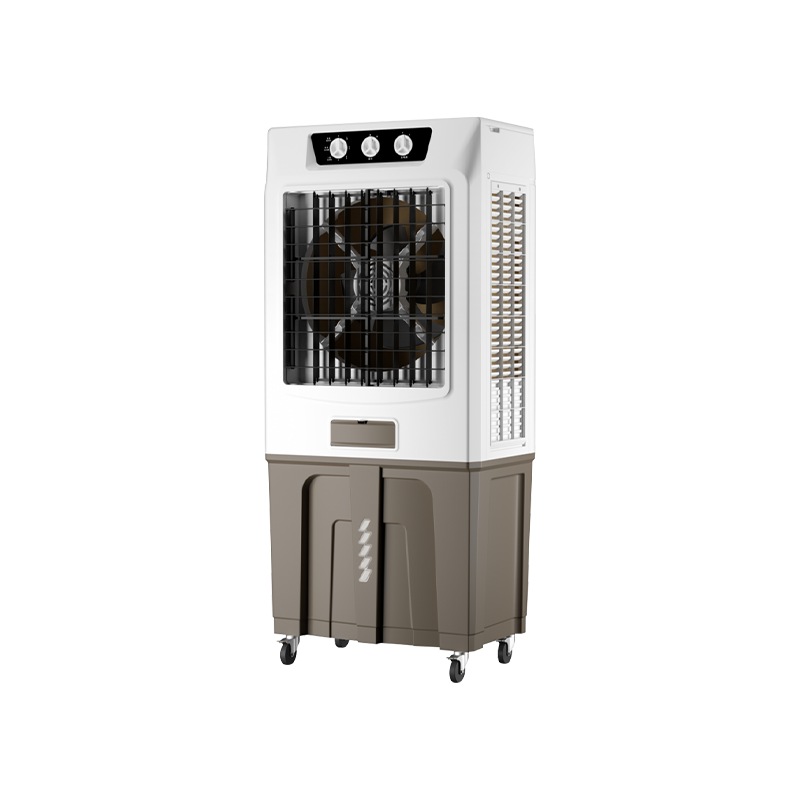
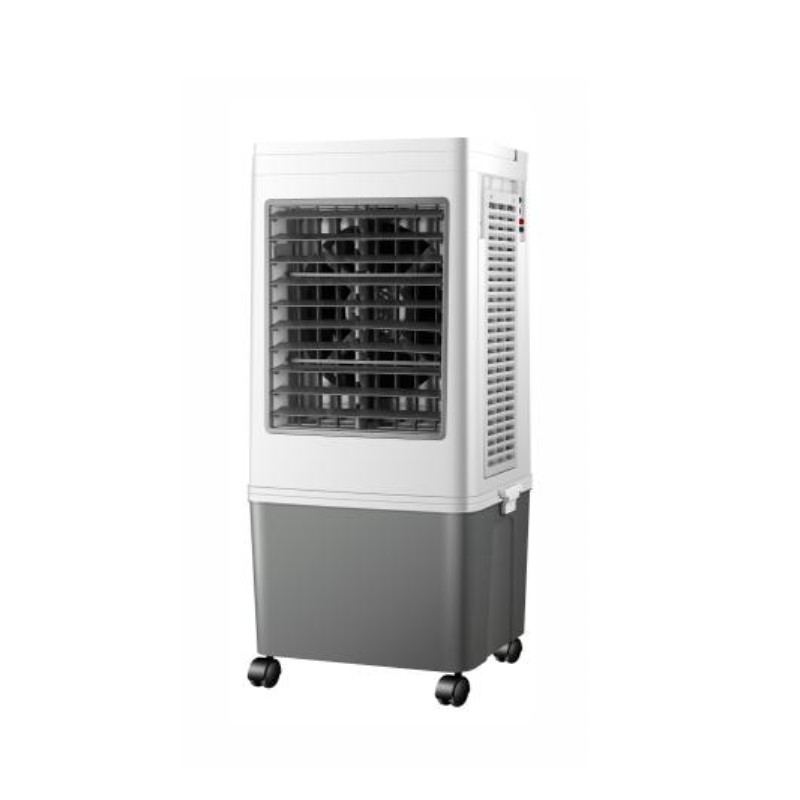
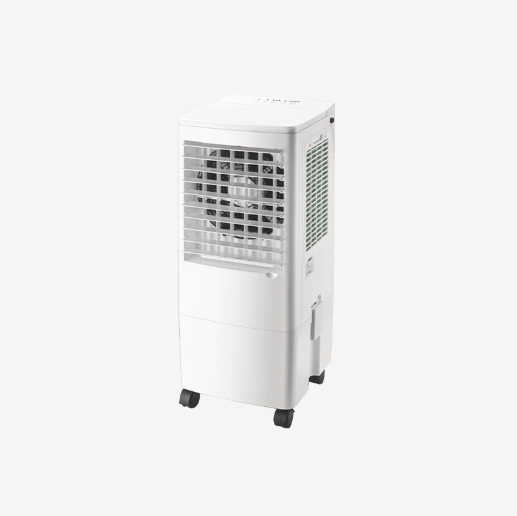
Air coolers don't simply blow air; they utilize the physical principle of water evaporation absorbing heat. They contain moistened cooling pads (such as honeycomb paper). When dry, hot air passes through these pads, the moisture evaporates, carrying away heat and expelling cool, humid air.
In ideal dry environments (humidity below 40%), a high-quality air cooler can lower the outlet temperature by 3°C to 8°C.
It functions more like a "natural air conditioner," especially suitable for dry northern regions. While cooling, it also humidifies the air, preventing dry skin and respiratory tract.
In a 20-square-meter bedroom, turning on an air cooler with a 20L water tank typically provides a noticeable cooling sensation within 15 minutes, not just from airflow.
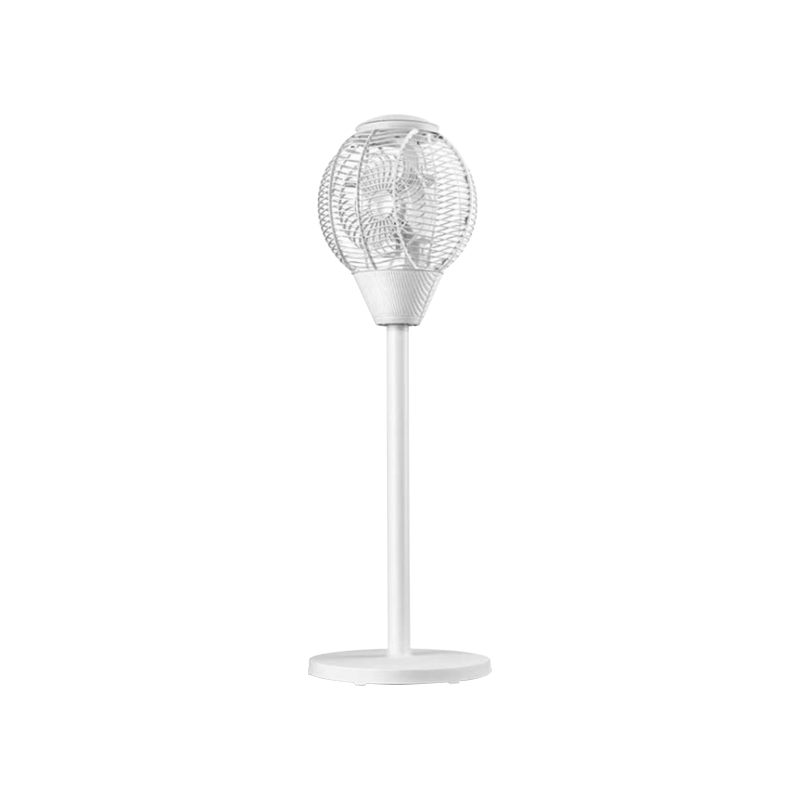
In contrast, electric fans do not change the room temperature. Their function is to accelerate airflow, promoting the evaporation of sweat from the skin, thus creating the illusion of coolness.
Electric fans typically have very low power consumption; a typical floor fan consumes only 30W to 60W, resulting in negligible electricity costs over long-term operation.
Fans are compact, easy to move, and do not generate additional humidity, making them ideal for use during the rainy season or in humid southern cities.
When the indoor temperature exceeds 35°C, the air blown by an electric fan is often hot, significantly reducing its cooling effect.
Long-term operating costs and ease of maintenance are important factors when choosing between an air cooler and an electric fan.
Air coolers have slightly higher power consumption than electric fans (typically between 60W and 200W), but far lower than air conditioners. For example, a 100W air cooler consumes only about 1 kilowatt-hour (kWh) of electricity in 10 hours.
Electric fans only require regular cleaning of the blades to remove dust. Air coolers, however, require regular water refills and cleaning of the water tank and filter every 1-2 weeks to prevent bacterial growth and odors.
High-quality air coolers typically cost between 300 and 1000 yuan, while ordinary electric fans can be purchased for around 100 yuan.
To determine which device is best suited for your home, consider the following specific scenarios:
You live in an arid region; your room is well-ventilated (air coolers require opening doors and windows to maintain airflow and prevent excessive humidity); you want a lower perceived temperature than a regular fan.
You live in a coastal or humid region; you have a limited budget; you only need a gentle breeze while sleeping; you don't want to increase indoor humidity.
When using an air cooler, adding ice cubes or pre-cooled ice packs to the water tank can further enhance the cooling effect, making it perform more like a portable air conditioner.


No.1015 Guanfu Road, Fuhai Town, Cixi City,Zhejiang,China

+86 134-8601-6220



Copyright ? Cixi Bisheng Electrical Appliance Co., Ltd. All Rights Reserved.
Wholesale Portable Air Cooler Manufacturer




 English
 中文简体
中文简体 Español