Content
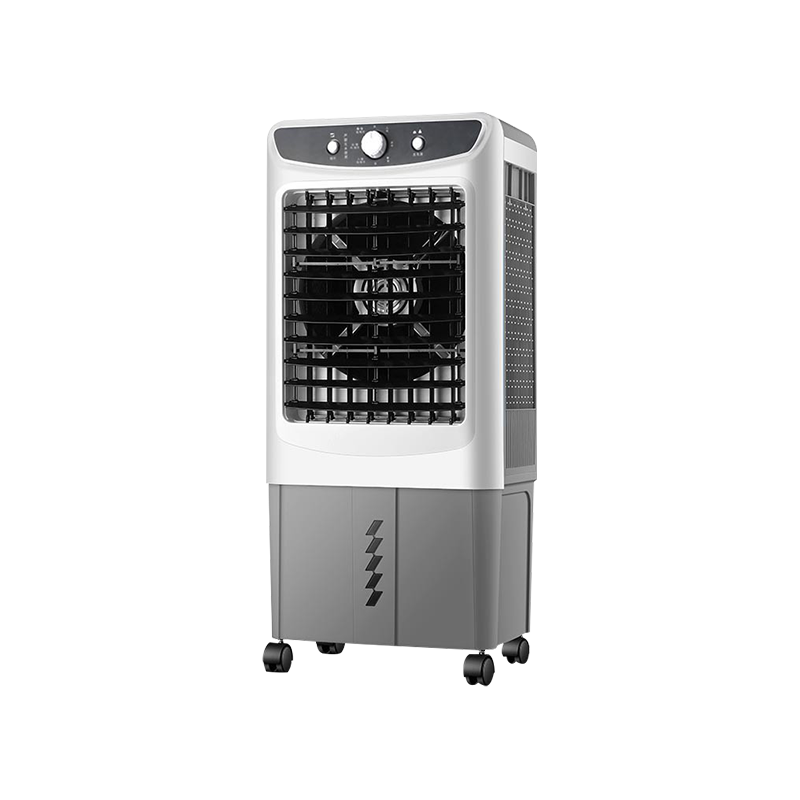
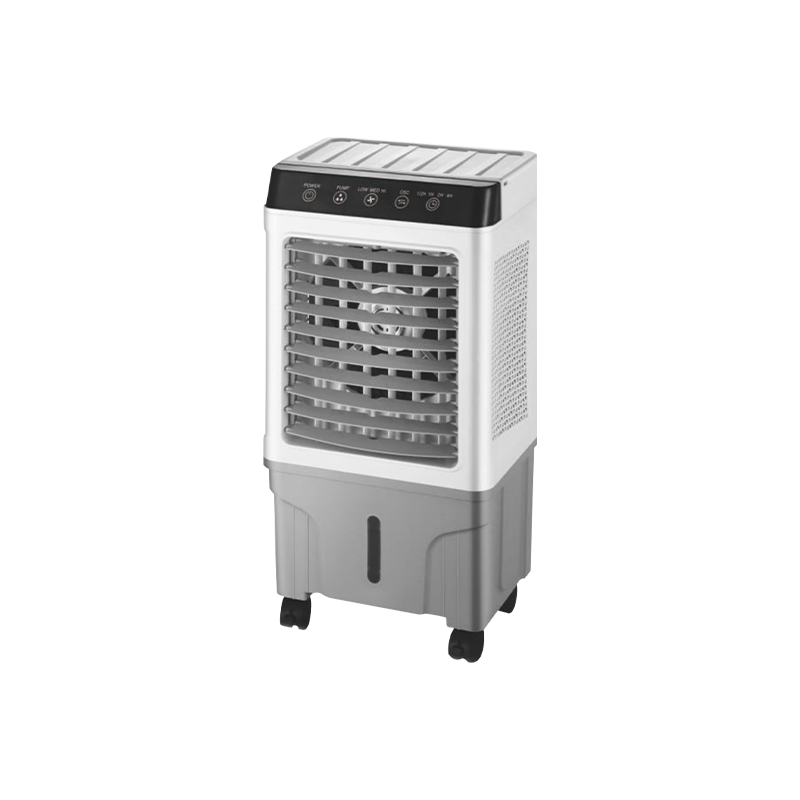
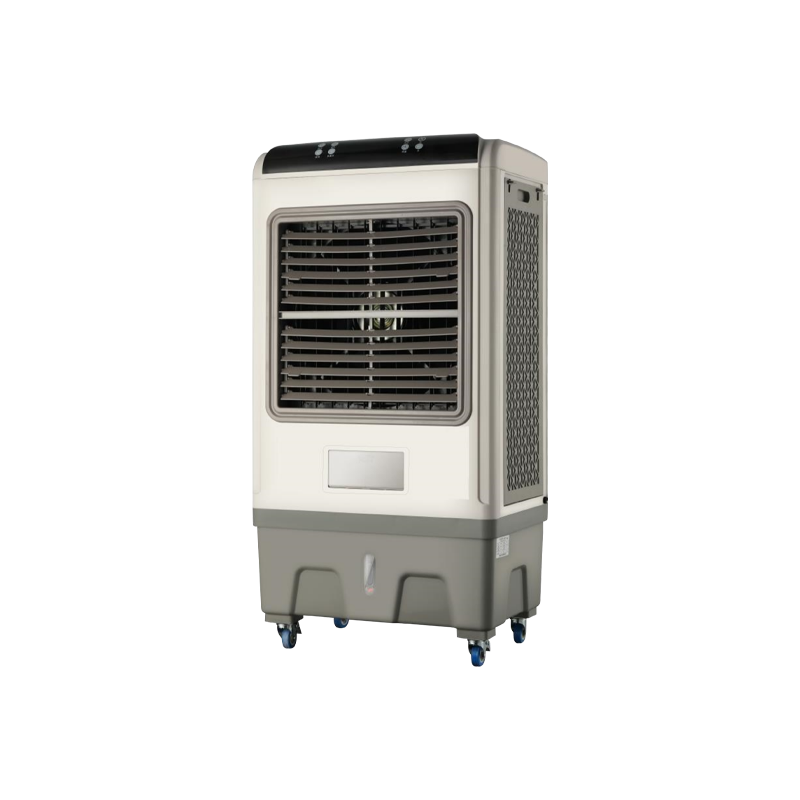
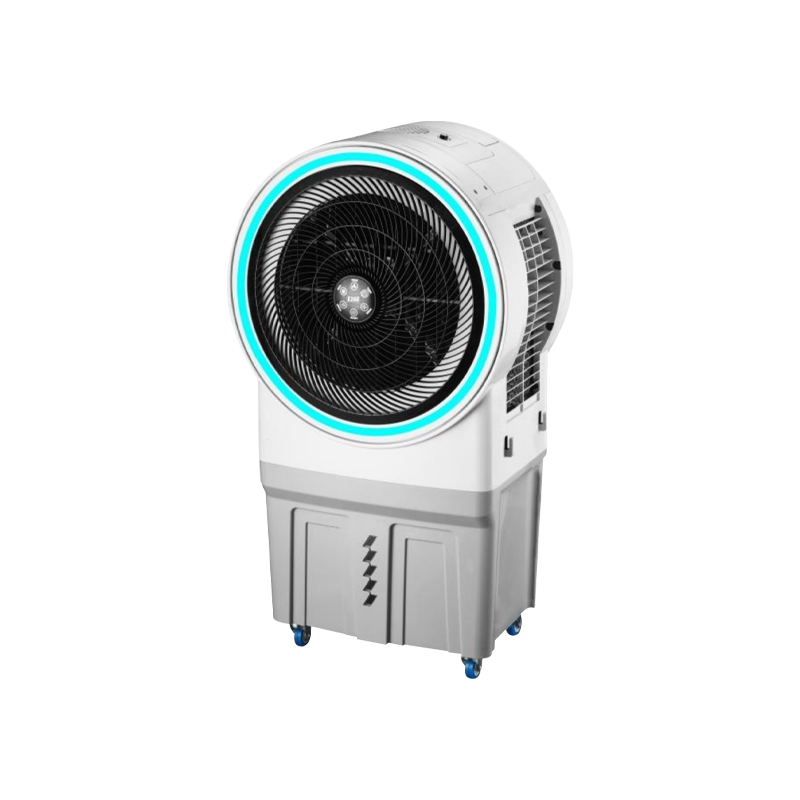
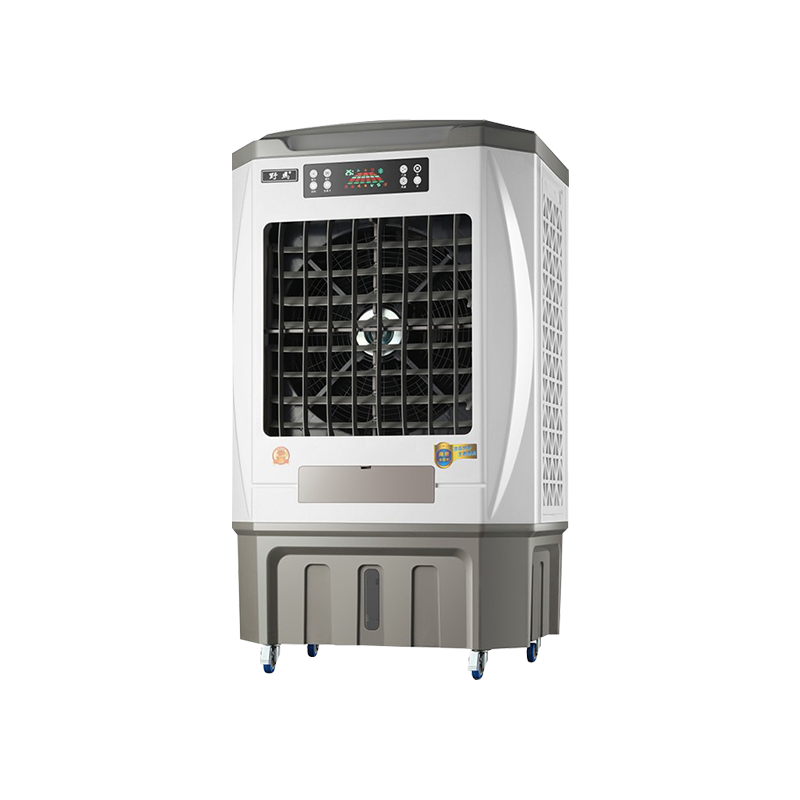
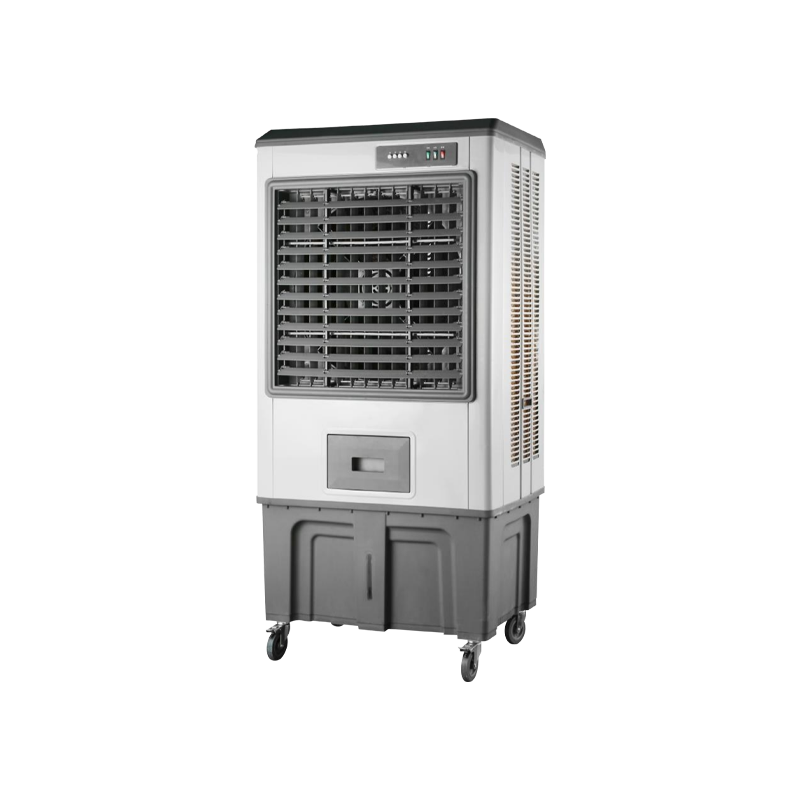
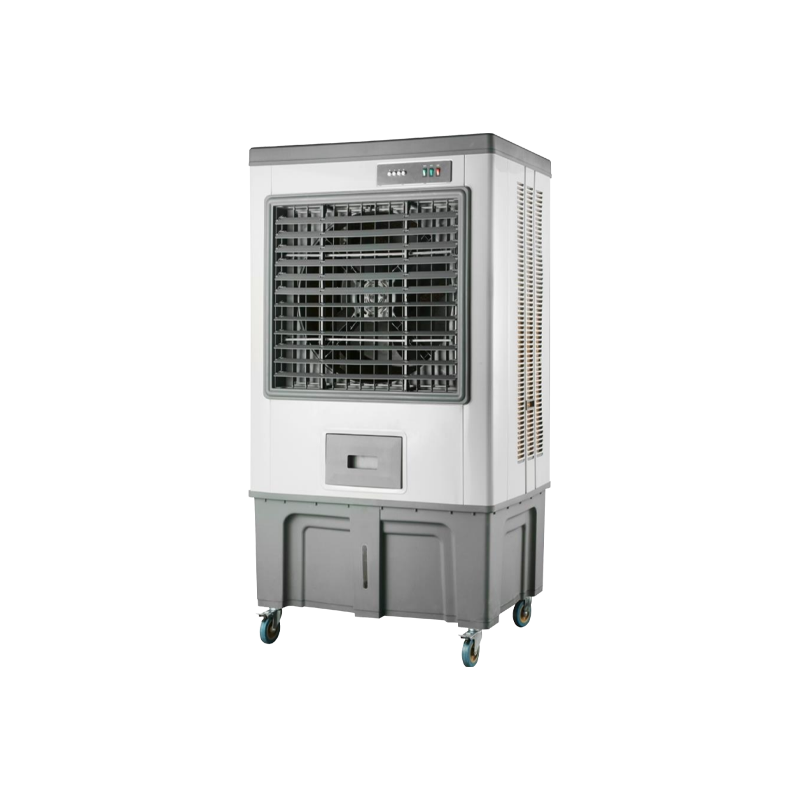
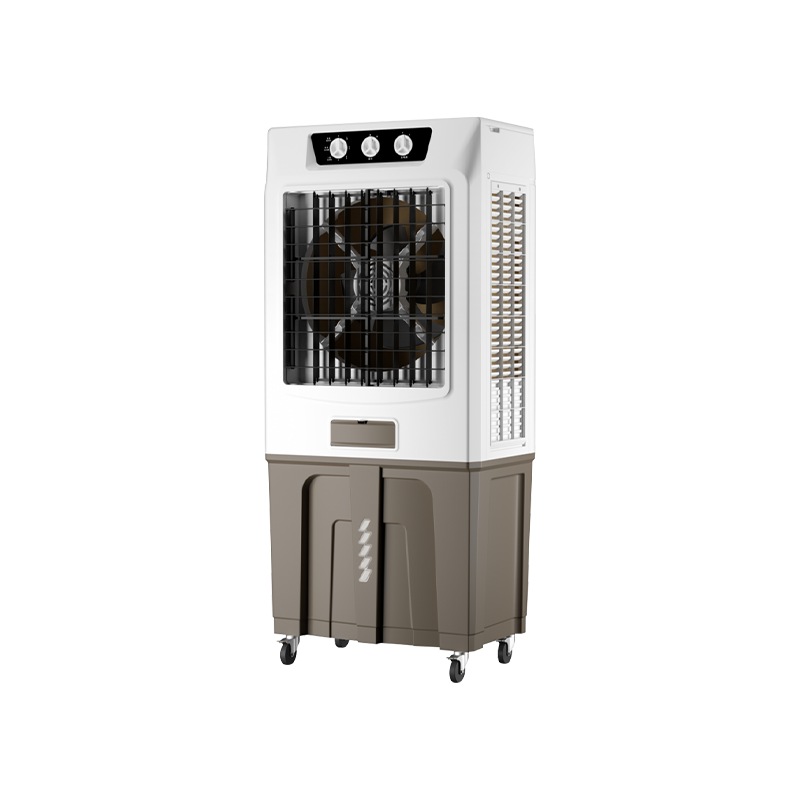
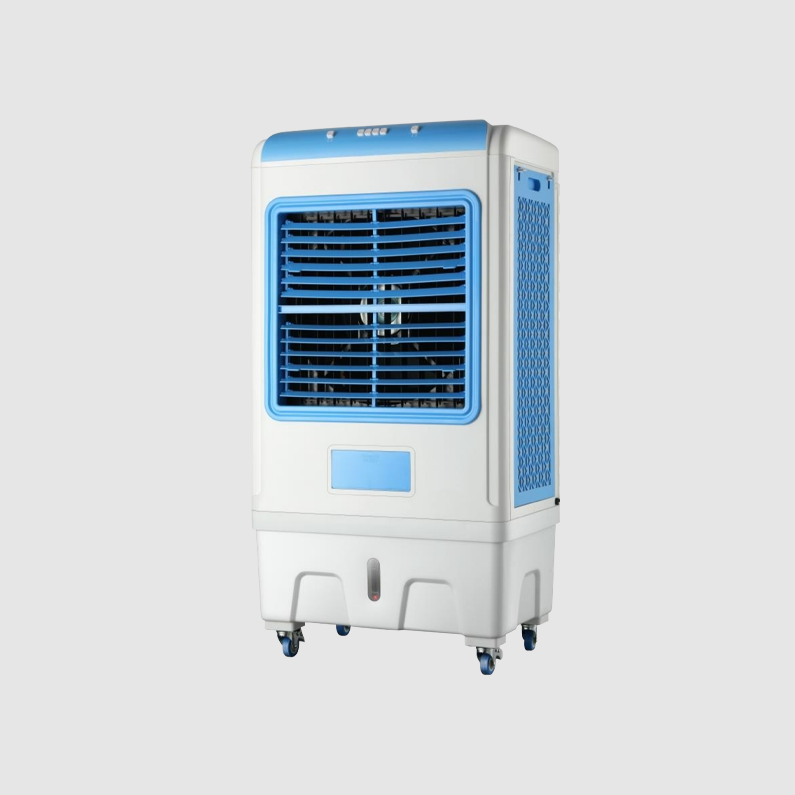
In the sweltering heat of summer, summer air coolers (often called evaporative air coolers or water-cooled air conditioners) have become the preferred cooling solution for many homes and industrial sites due to their energy-saving and environmentally friendly characteristics. Simply put, summer air coolers work by utilizing the natural physical phenomenon of heat absorption through water evaporation. When dry, hot air passes through a water-soaked cooling pad, the water absorbs heat from the air and evaporates, thus lowering the air temperature and outputting refreshing, humidified cool air.
Water evaporation process: According to thermodynamic principles, the transformation of a liquid into a gas requires energy absorption. Inside the cooler, as water changes from a liquid to a gas, it directly extracts heat energy from the passing air.
Temperature difference change: This energy conversion significantly reduces the dry-bulb temperature of the air. In ideal dry climates, evaporative cooling technology can lower the ambient temperature by 5°C to 15°C.
To achieve efficient cooling, summer air coolers rely on several key components working together:
| Component Name | Functional Description |
| Water Pump | Responsible for pumping water from the bottom storage tank and distributing it evenly over the cooling pads. |
| Cooling Pads (Honeycomb Filter) | The core heat exchange medium, usually made of highly absorbent cellulose material, designed to maximize the contact area between water and air. |
| Fan System | Creates negative pressure to draw hot outdoor air into the unit and blow the cooled, refreshed air into the room. |
| Float Valve / Water Inlet Valve | Monitors the water level to ensure timely replenishment as water evaporates, maintaining consistent cooling performance. |
The performance of summer air coolers is not constant; it is highly dependent on surrounding environmental conditions:
Ambient Humidity: This is the most important variable. Lower humidity leads to faster evaporation and better cooling. Cooling is most effective in areas with relative humidity below 40%; however, when humidity exceeds 70%, the cooling effect is significantly limited.
Ventilation: Unlike traditional air conditioners that require a sealed space, summer air coolers require open windows for ventilation. This ensures that hot, humid air is expelled promptly, preventing excessive indoor humidity and stuffiness.
Inlet Air Temperature: The higher the initial temperature at the air inlet, the more heat is typically carried away by water evaporation, resulting in a greater perceived temperature difference at the outlet.
Compared to traditional compressor air conditioners, summer air coolers excel in energy consumption and sustainability:
Low Energy Consumption: A typical household air cooler consumes only 100W to 250W, using only 1/8 to 1/10 the power of an equivalent air conditioner.
Air Purification: As air passes through a moistened honeycomb filter, some dust, pollen, and odors are washed away, providing a degree of purification.
Increased Humidity: In dry summers, it effectively relieves dry skin and respiratory discomfort, whereas traditional air conditioners often make indoor air excessively dry.
Practical Tips: For a stronger cooling effect, add ice cubes or frozen ice packs to the water tank. Experimental data shows that adding ice can lower the outlet temperature by 2°C to 3°C compared to using only tap water.


No.1015 Guanfu Road, Fuhai Town, Cixi City,Zhejiang,China

+86 134-8601-6220



Copyright ? Cixi Bisheng Electrical Appliance Co., Ltd. All Rights Reserved.
Wholesale Portable Air Cooler Manufacturer




 English
 中文简体
中文简体 Español