Content
Evaporative air coolers are mainly divided into three categories based on their application scenarios and installation methods: portable, roof/sidewall fixed, and centrifugal. This type of equipment utilizes the physical principle of water evaporation absorbing heat to cool the room, effectively reducing indoor temperature while also providing ventilation and humidification.
Understanding the characteristics of different types is key to ensuring effective cooling when choosing an evaporative air cooler. The following are the three main types currently on the market:
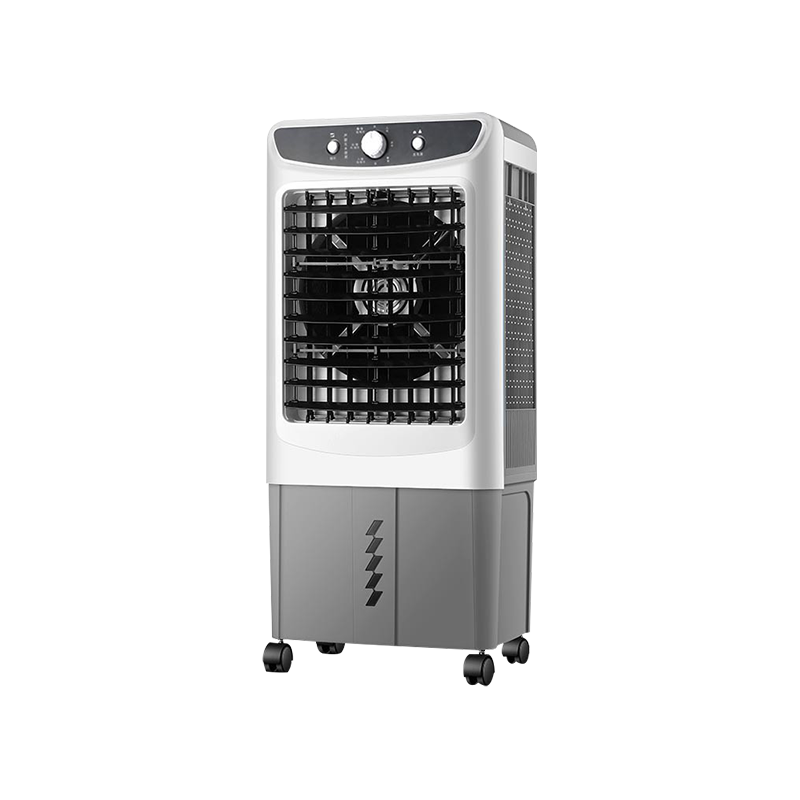
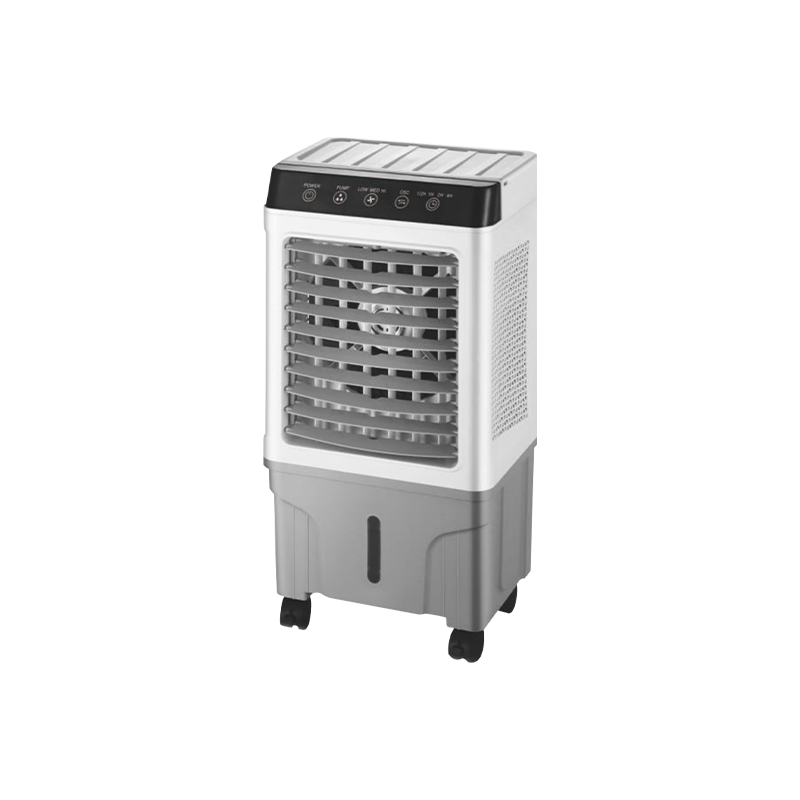
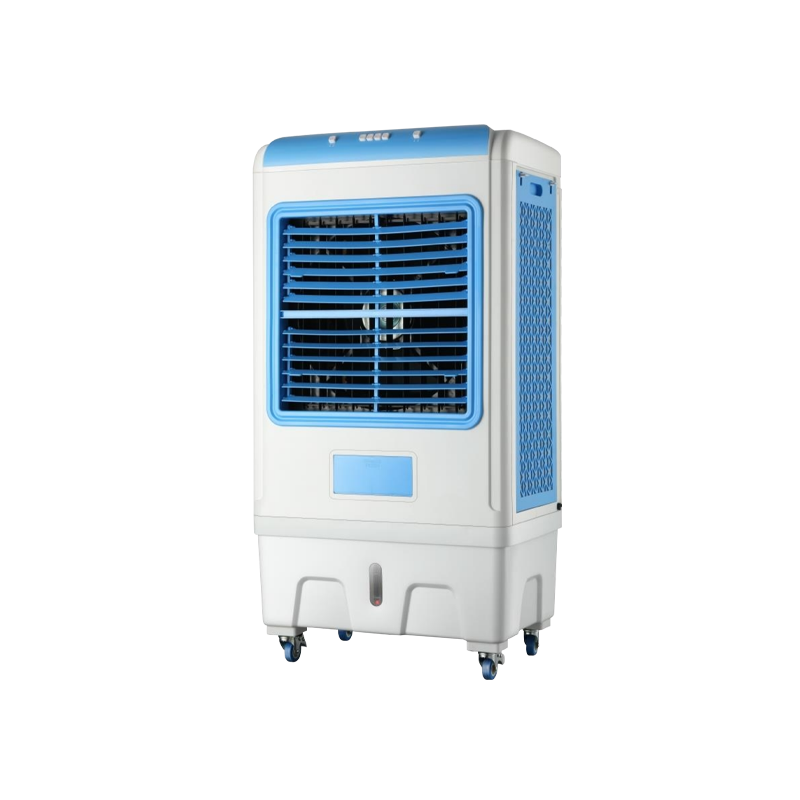
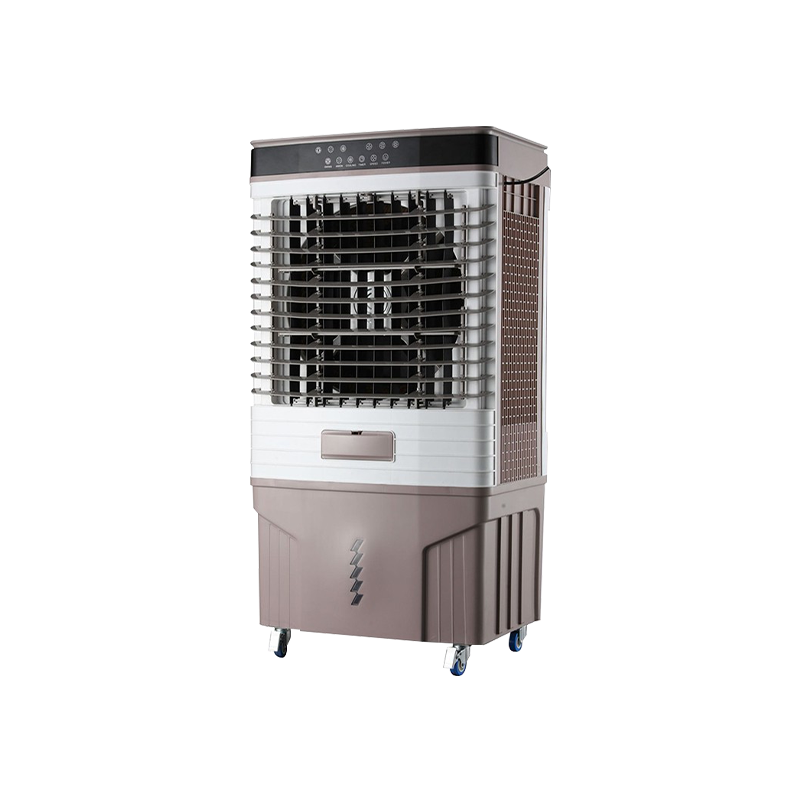
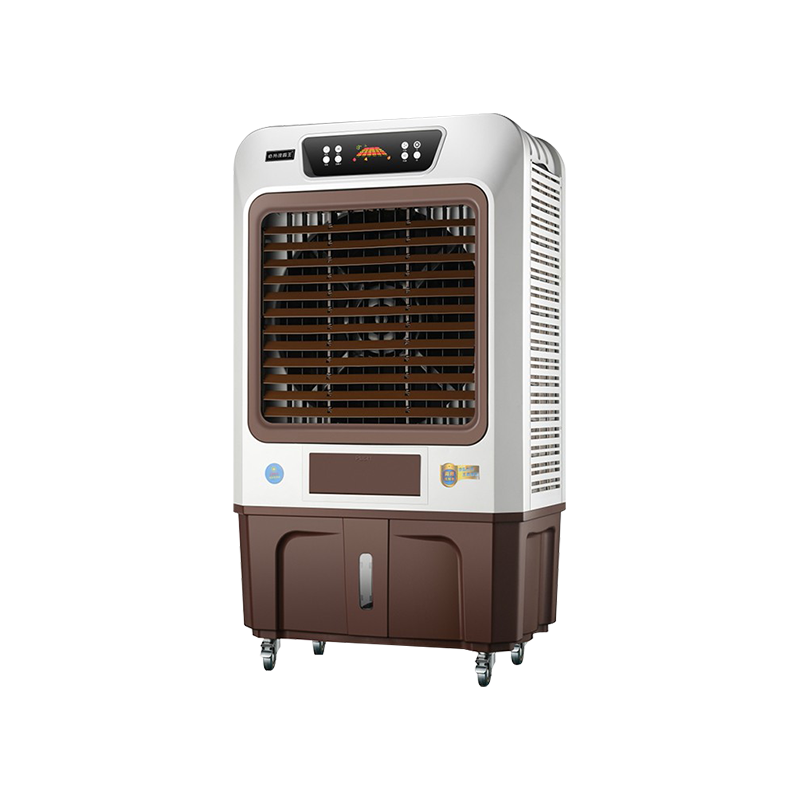
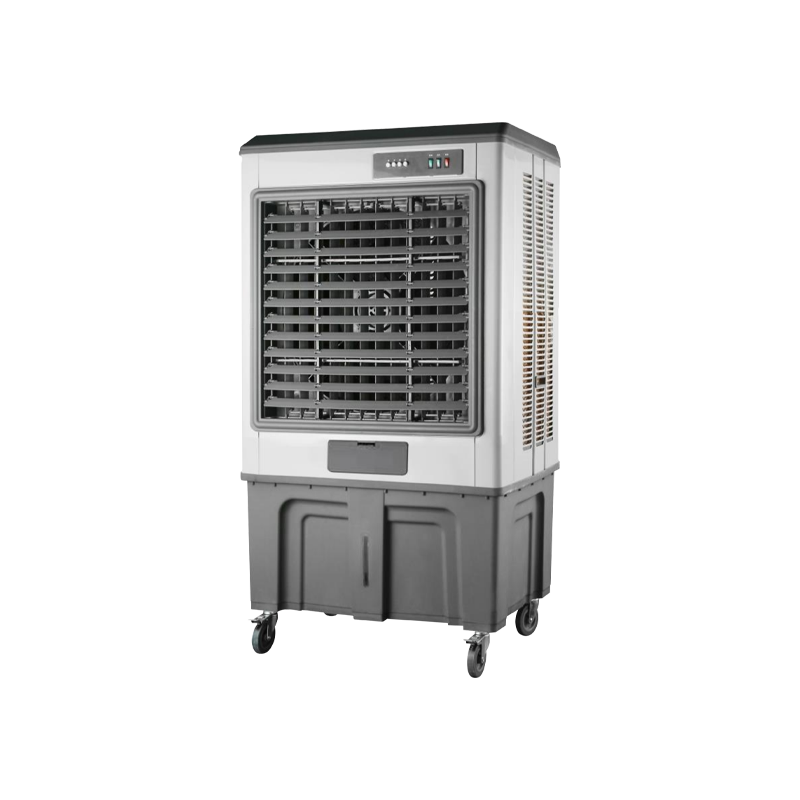
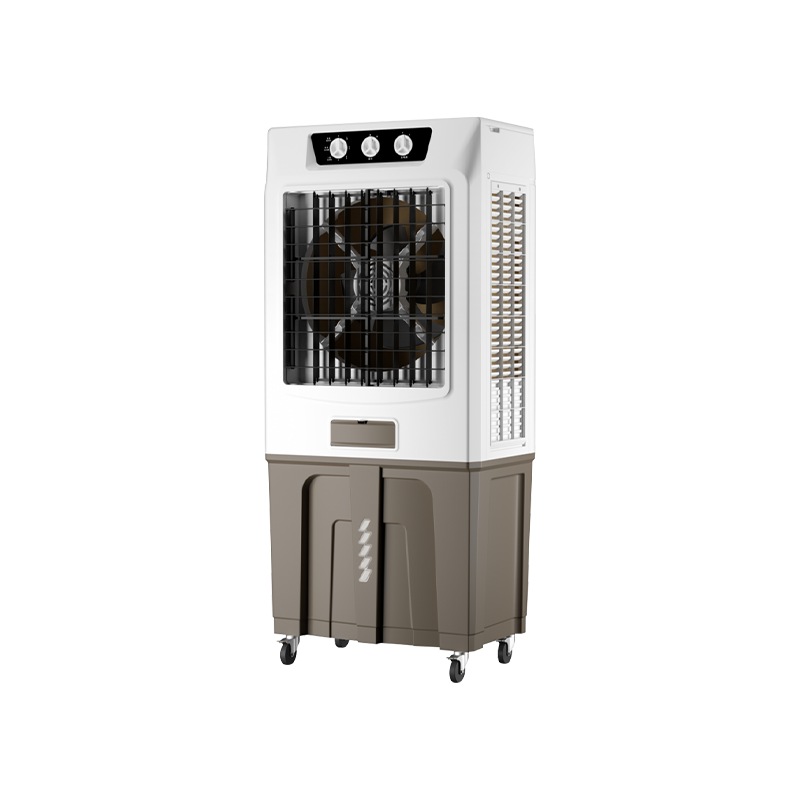
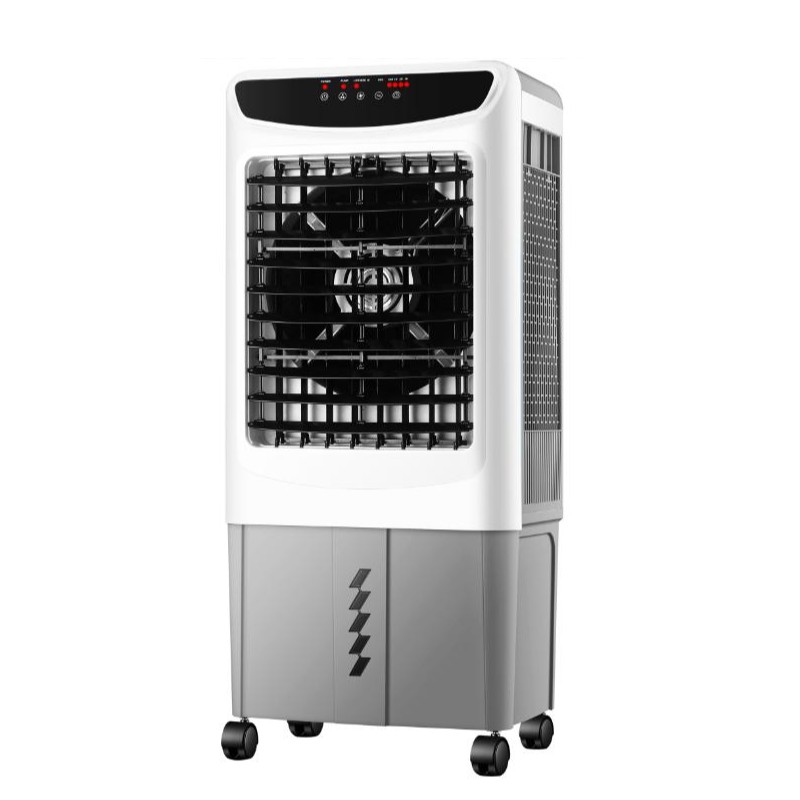
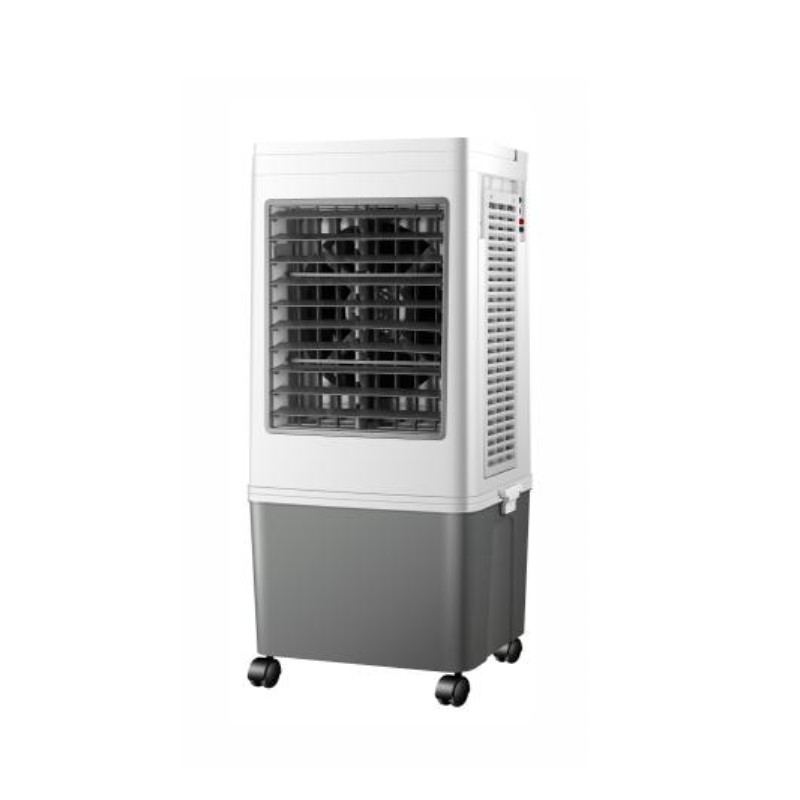
These devices are relatively small and equipped with casters for easy portability.
Suitable Scenarios: Living rooms, offices, outdoor dining areas, or small repair shops.
Features: No professional installation required; simply fill with water and connect to a power source for immediate use. Operation is very simple.
This is the most common type of evaporative air cooler used in factory workshops and logistics warehouses. It is typically installed on the roof or sidewall, delivering cool air into the room through ductwork.
Applicable Scenarios: Machinery manufacturing plants, garment factories, greenhouses, and large sports stadiums.
Features: Large air volume and wide coverage, enabling whole-area ventilation and significantly reducing the "stuffy" feeling in large spaces.
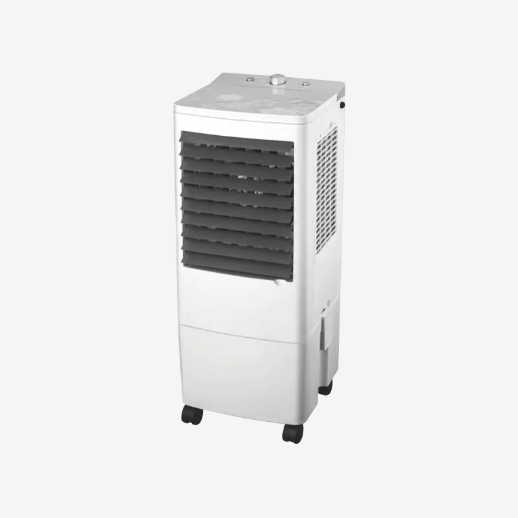
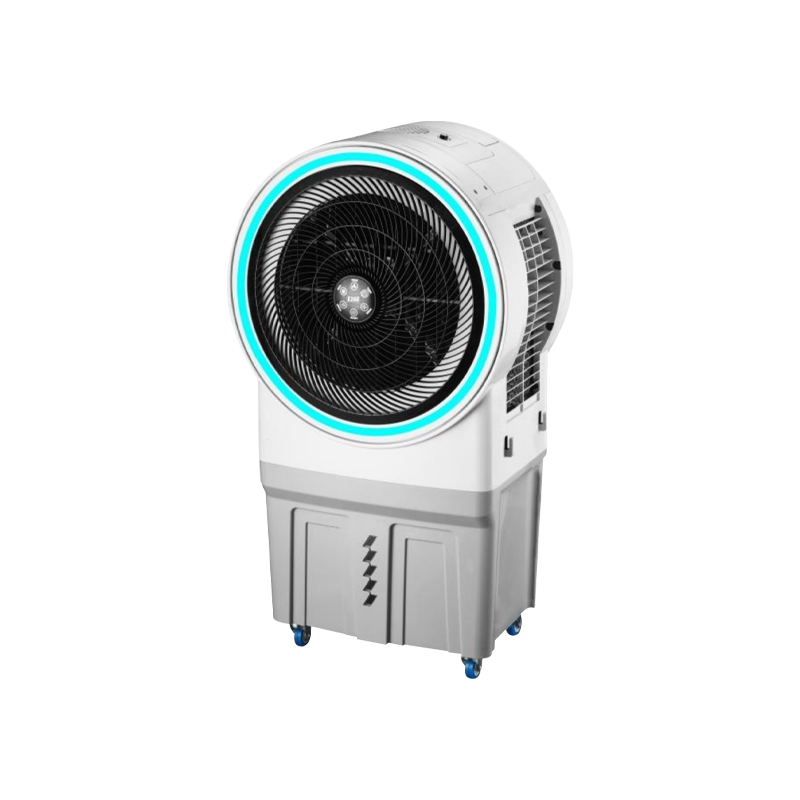
Unlike common axial fans, centrifugal models have higher air pressure.
Applicable Scenarios: Complex building structures requiring long-distance air duct delivery.
Features: Relatively quiet operation and strong air penetration, suitable for locations with special requirements for quiet operation and air delivery distance.
Compared to traditional compressor air conditioners, evaporative air coolers are becoming increasingly popular in modern industrial and residential environments, mainly due to:
Energy Saving and Environmental Protection: Consumes only about 1/8 of the power of traditional air conditioners and does not use Freon, making it environmentally friendly.
Fresh Air: Employs an open-type air supply system, continuously introducing fresh outdoor air and expelling stale air, maintaining sufficient oxygen levels indoors.
Significant Cooling: In hot, dry regions, temperature reduction can reach 5-12°C.
When choosing an evaporative air cooler, we recommend referring to the table below for a quick assessment:
| Model Types | Cooling area | Installation Difficulty: | Key Advantages: |
| Mobile | 20-50 ㎡ | No installation required | Flexible and convenient, usable anywhere |
| Axial Flow Fixed | 100-150 ㎡ | Relatively high (exterior wall installation required) | Extremely large air volume, high cost-performance ratio |
| Centrifugal Fixed | 100-150 ㎡ | High (ductwork design required) | Low noise, high air pressure, long air delivery distance |
Whether for improving home comfort or solving ventilation and cooling problems in factory workshops, evaporative air coolers offer a low-cost, high-efficiency solution.


No.1015 Guanfu Road, Fuhai Town, Cixi City,Zhejiang,China

+86 134-8601-6220



Copyright ? Cixi Bisheng Electrical Appliance Co., Ltd. All Rights Reserved.
Wholesale Portable Air Cooler Manufacturer




 English
 中文简体
中文简体 Español