Content
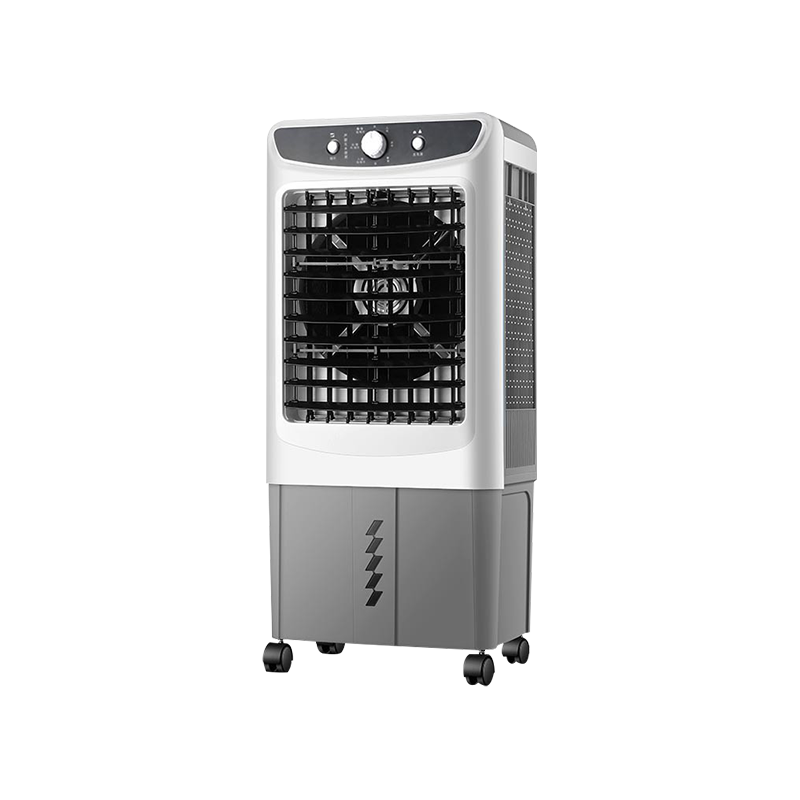
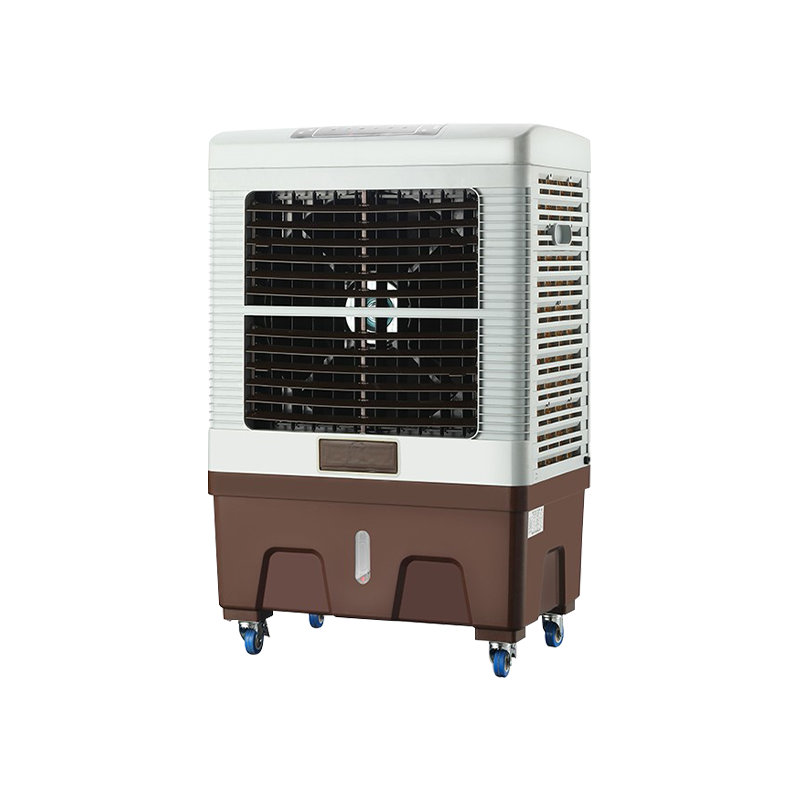
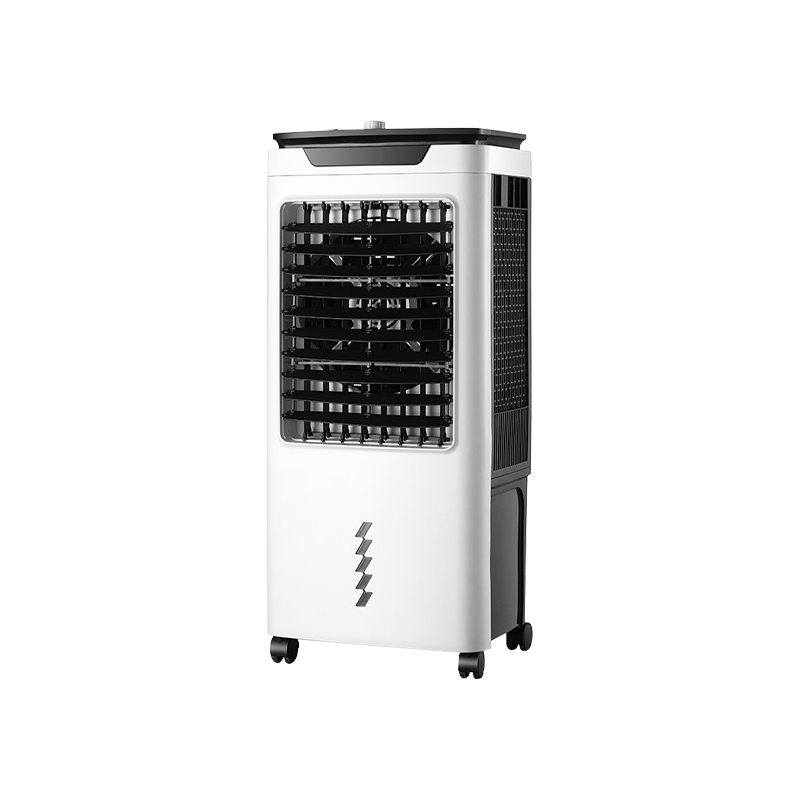
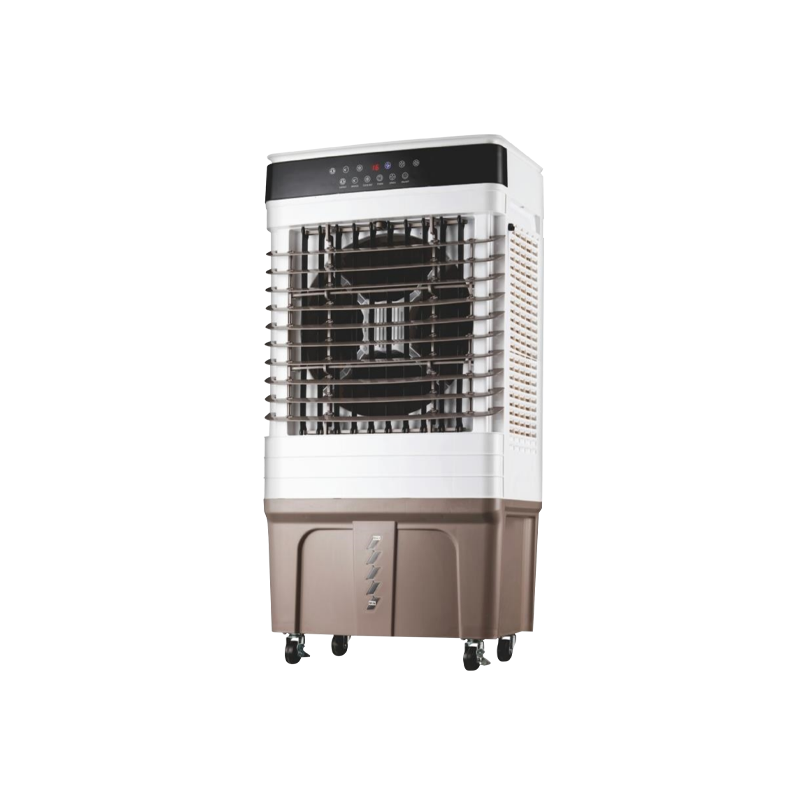
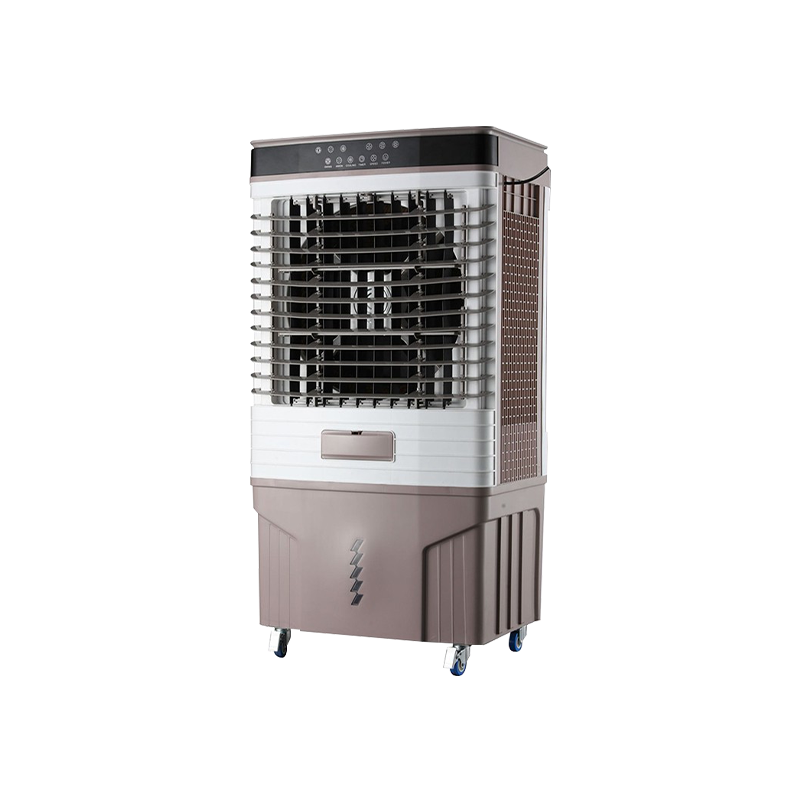
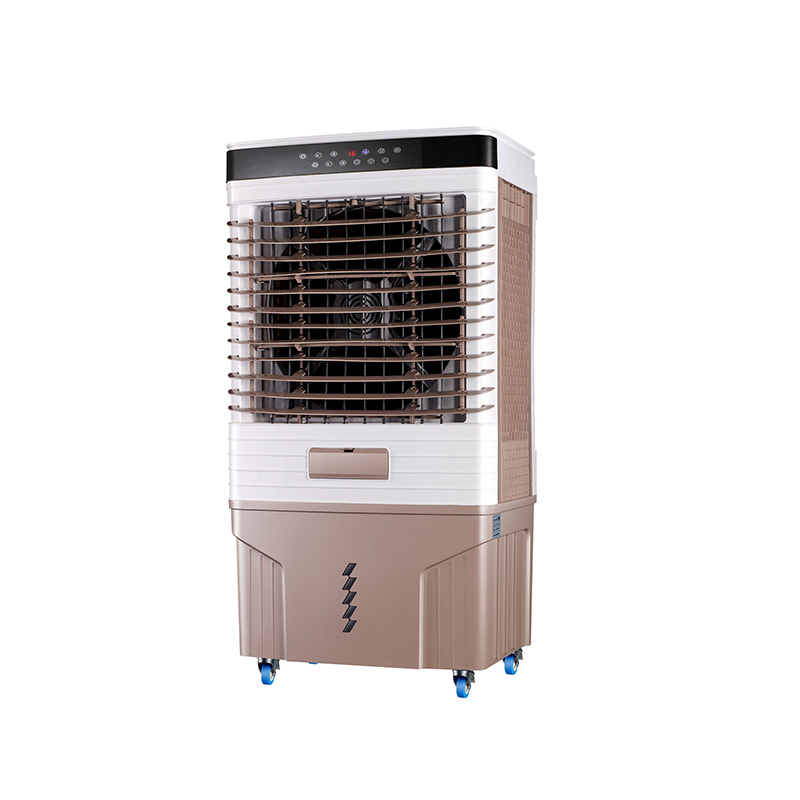
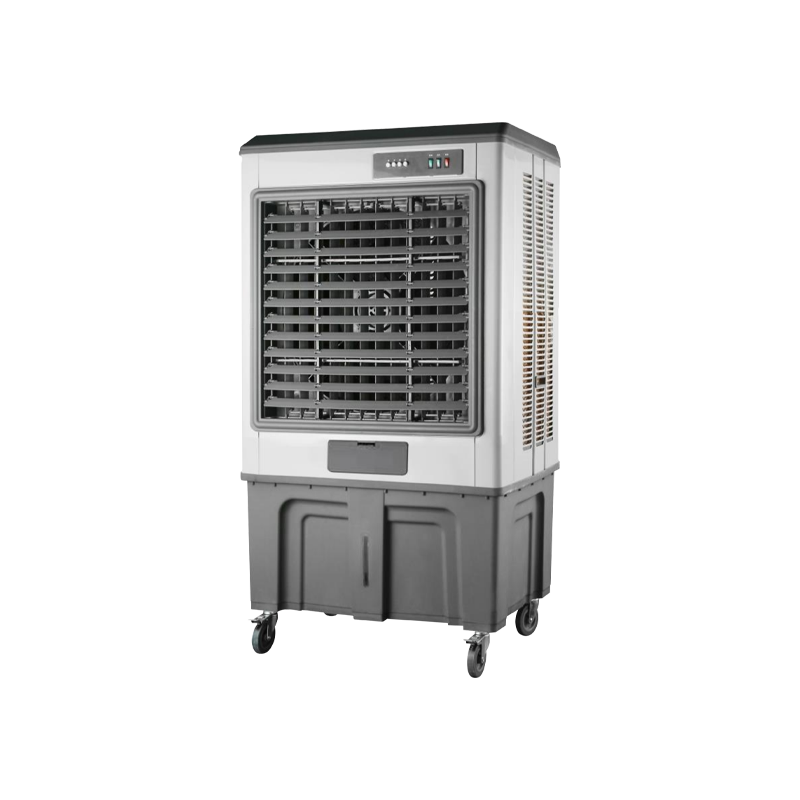
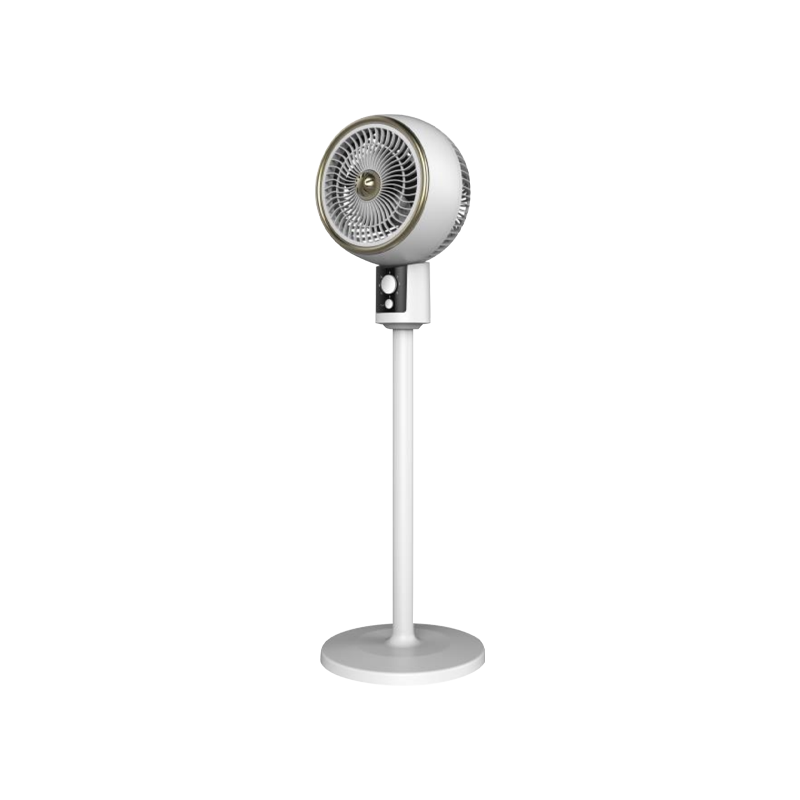
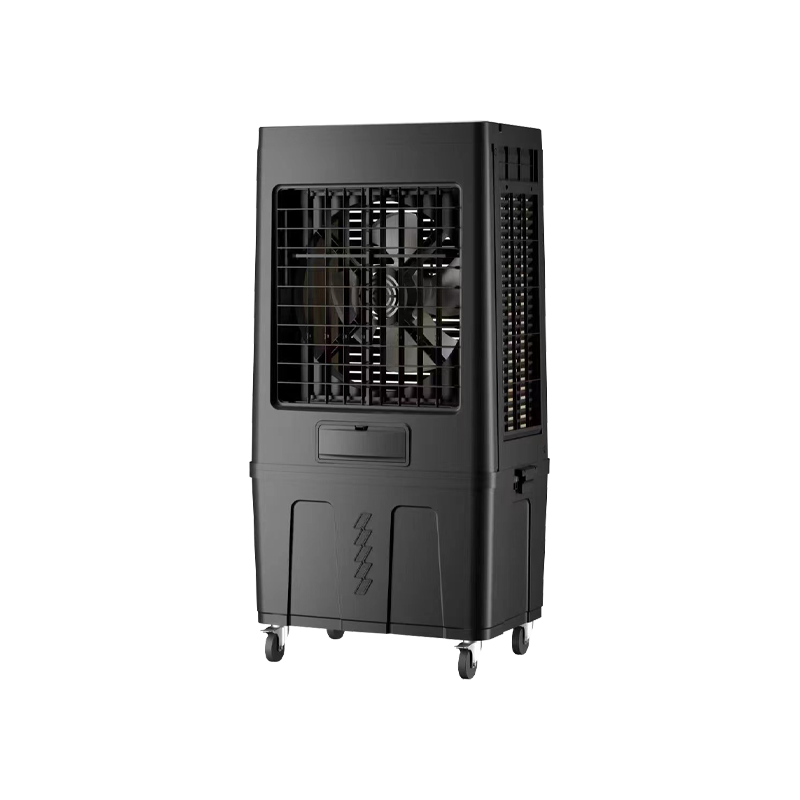
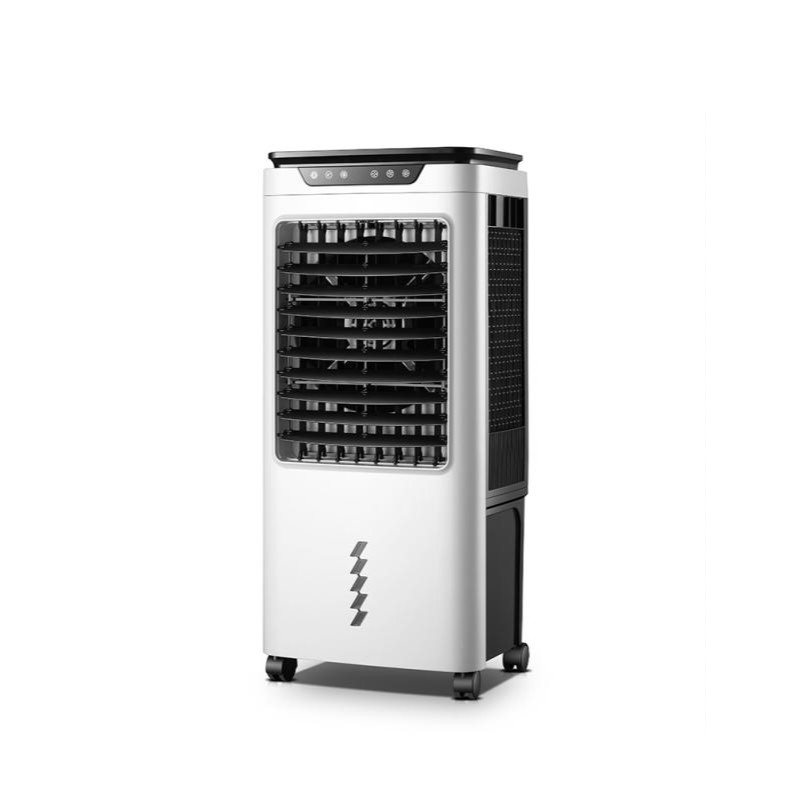
If you're looking for a cooling fan that's efficient, energy-saving, and low-noise, the most crucial selection criteria are: defining your usage scenario, airflow requirements, and noise control. For example, a moderately airflowing, low-noise table or tower fan is suitable for bedrooms or offices; while for workshops or outdoor use, a high-airflow, durable industrial fan is recommended. Understanding these core requirements will help you quickly identify the most suitable cooling fan from a wide range of models.
The first step in choosing a cooling fan is to define your usage scenario:
Clearly defining the application scenario not only helps in model selection but also avoids purchasing products with "excessive or insufficient airflow," thereby improving user experience and cost-effectiveness.
The core performance indicators of cooling fans are airflow and speed:
When purchasing, check the product parameters and choose an airflow that matches the room size and usage needs.
Noise is a crucial factor in the user experience with cooling fans:
Actual testing shows that using a low-noise tower fan can reduce ambient noise by approximately 30% during nighttime sleep, significantly improving comfort.
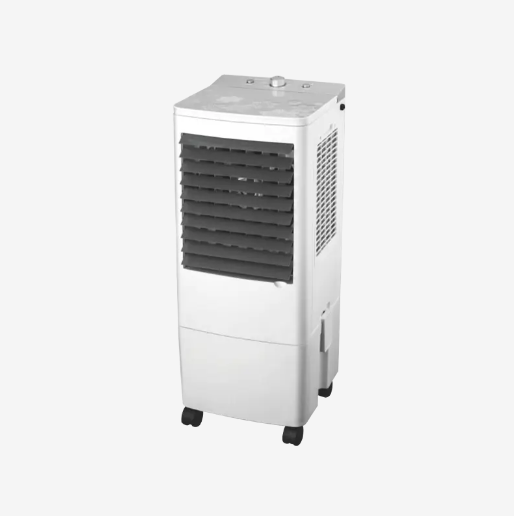
In the long term, energy efficiency directly impacts electricity costs:
Energy efficiency not only reduces operating costs but also minimizes environmental impact, making them particularly suitable for long-term use in homes or offices.
Modern cooling fans offer enhanced convenience with additional features:
When choosing additional features, it's recommended to consider your actual needs and avoid increasing your budget for "fancy features."
Choosing the most suitable cooling fan for you hinges on: clearly defining your usage scenario, matching airflow and noise levels, and focusing on energy efficiency and additional features. By considering these factors, you can find the most cost-effective and comfortable cooling fan for home, office, or industrial environments, achieving efficient cooling and a comfortable experience.


No.1015 Guanfu Road, Fuhai Town, Cixi City,Zhejiang,China

+86 134-8601-6220



Copyright ? Cixi Bisheng Electrical Appliance Co., Ltd. All Rights Reserved.
Wholesale Portable Air Cooler Manufacturer




 English
 中文简体
中文简体 Español