Content
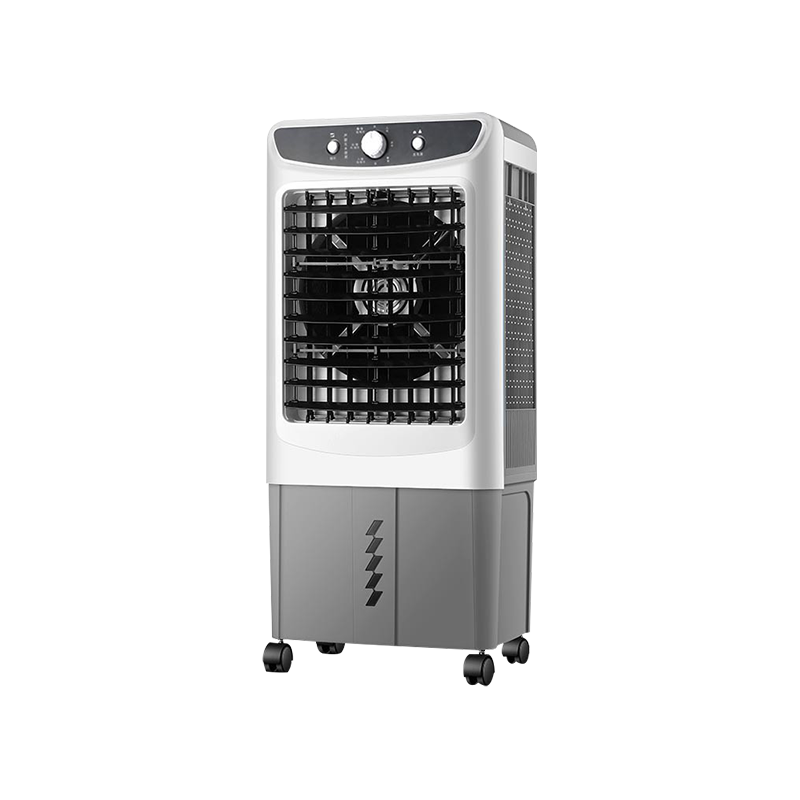
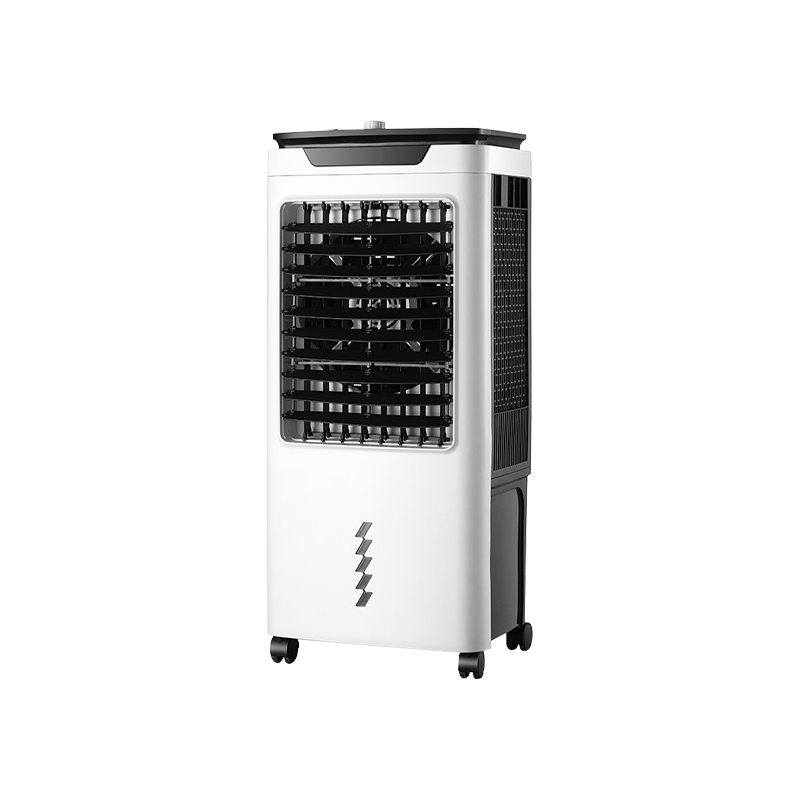
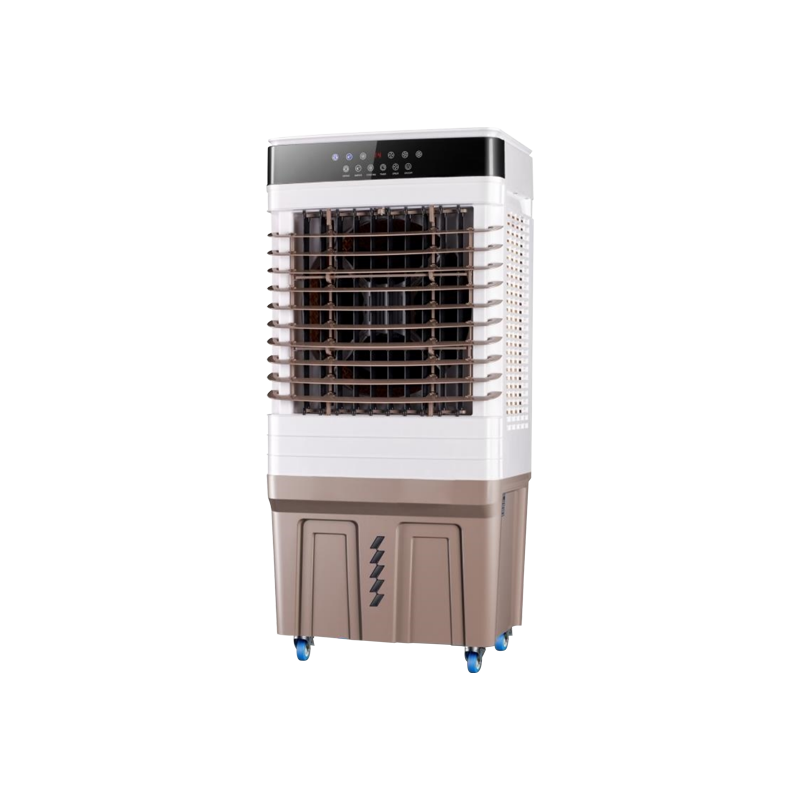
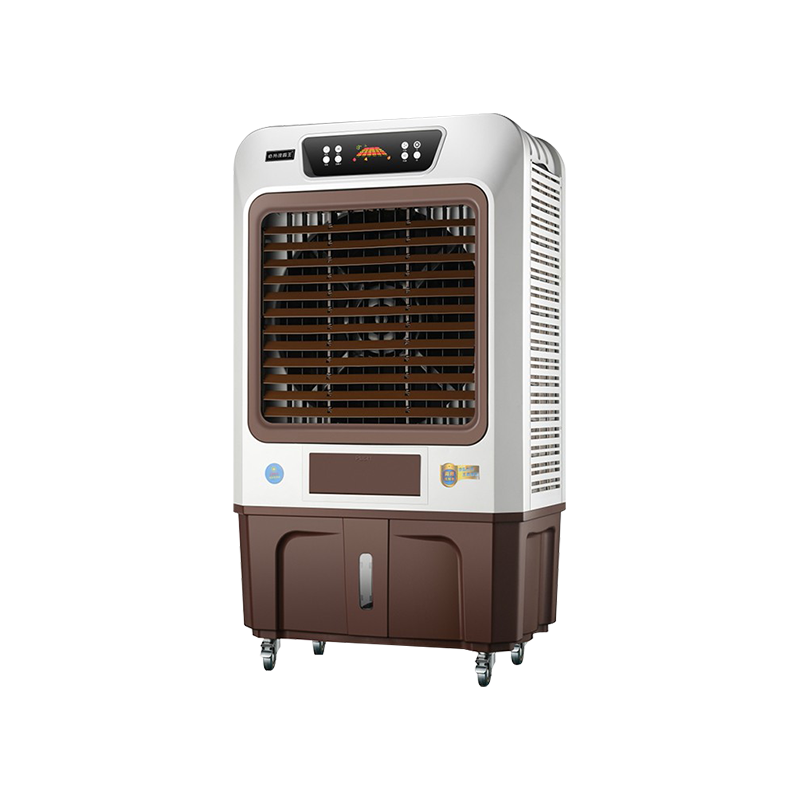
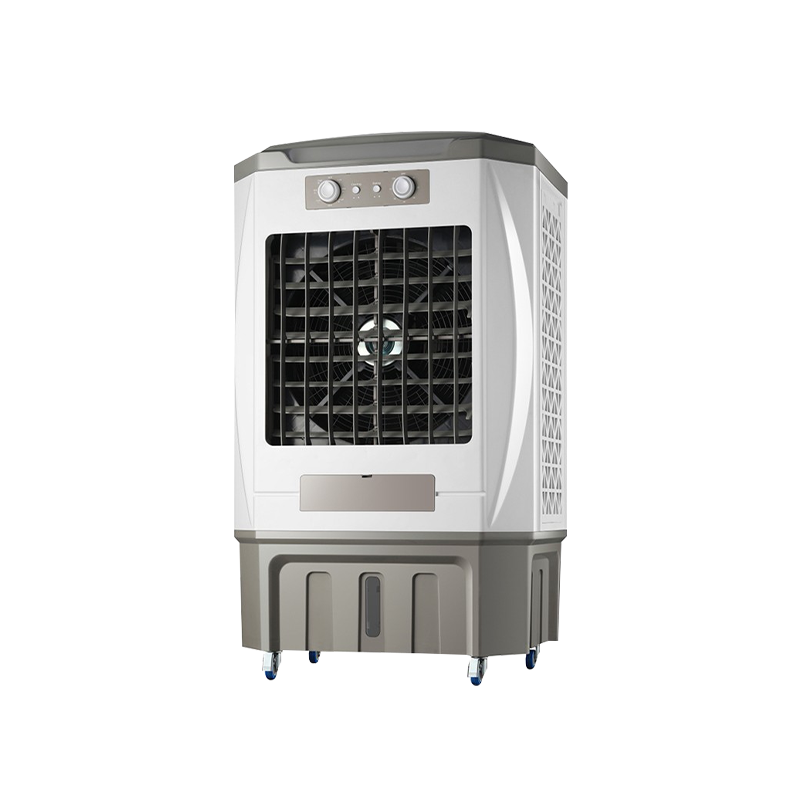
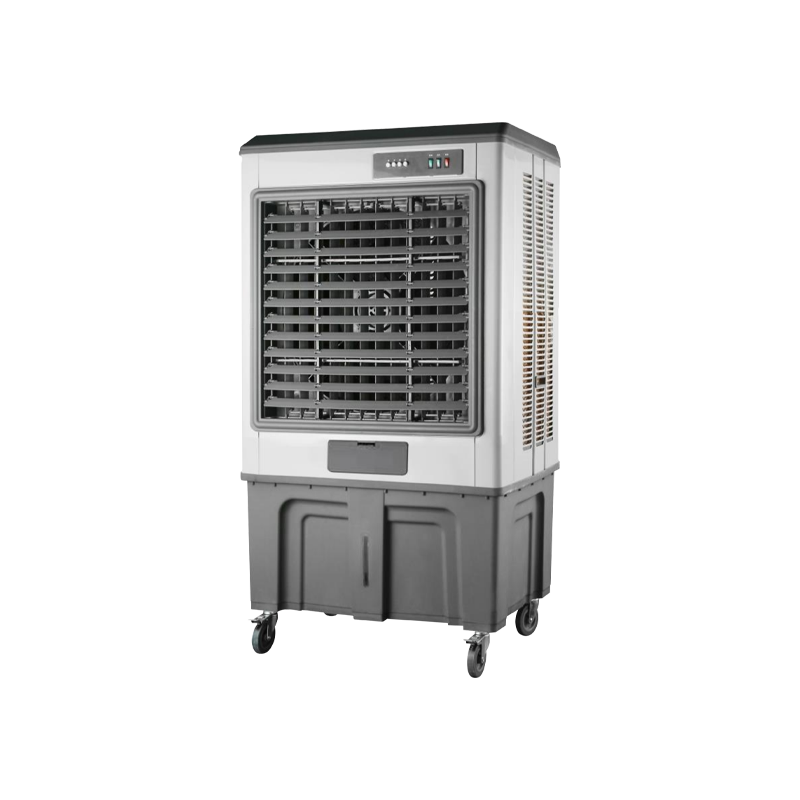
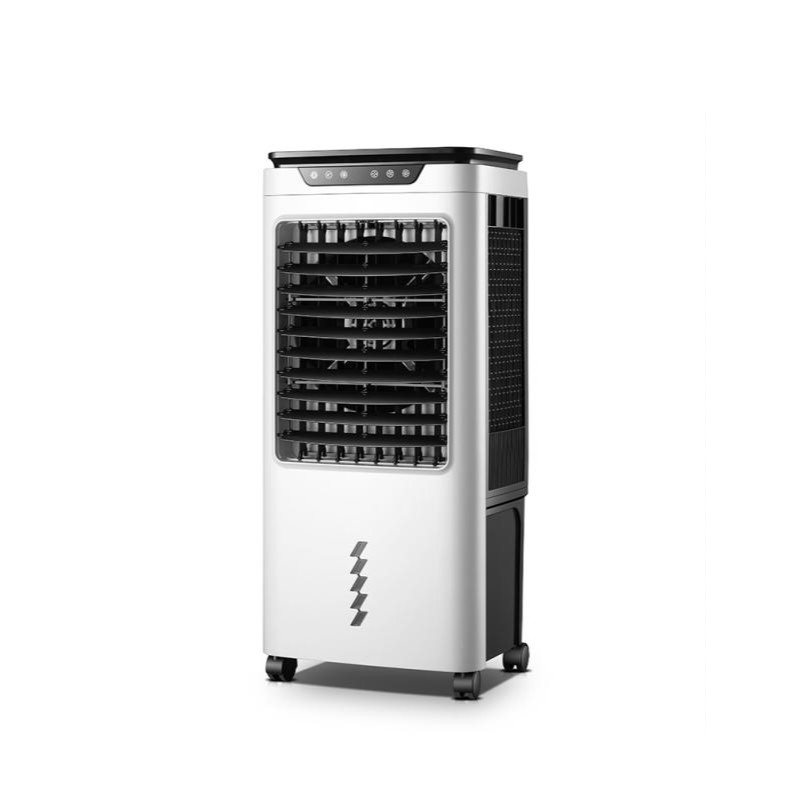
Air coolers still have a significant cooling effect in high-humidity areas, but the degree of cooling will be affected by the environmental humidity. Even in environments with high relative humidity, high-performance air coolers can still achieve a perceived temperature reduction of 3°C to 8°C by accelerating airflow and water evaporation. For industrial plants with high ventilation requirements and where it is difficult to install sealed air conditioning, it remains a highly cost-effective industrial cooling solution.
The core working principle of air coolers (usually referring to evaporative air coolers) is "water evaporation absorbs heat." According to the principles of physics, the lower the environmental humidity, the faster the water evaporates, and the more significant the heat absorption effect.
Low humidity environment: In dry areas, air coolers can reduce the incoming air temperature by more than 10°C.
High humidity environment: When the air humidity exceeds 80%, the rate of water evaporation slows down. At this time, although the absolute temperature reduction at the air outlet decreases, the large volume of air produced by the air cooler can quickly carry away heat from the surface of the human body or equipment, significantly improving the stuffy feeling in the working environment by enhancing evaporative heat dissipation from the skin.
Despite environmental humidity being a variable, why do many coastal or southern factories still insist on installing air coolers?
High humidity is often accompanied by poor air circulation. While cooling, air coolers continuously supply filtered fresh air to the interior, expelling odors and humid, hot air, keeping the workshop dry.
Compared with traditional compressor air conditioners, air coolers consume only 1/8 to 1/10 of the electricity. For large, semi-open industrial spaces, it is the preferred choice for controlling operating costs.
In large workshops, the cool air from the air cooler can be directly delivered to the heads of personnel through air ducts, ensuring employee comfort even on extremely hot days and improving production efficiency.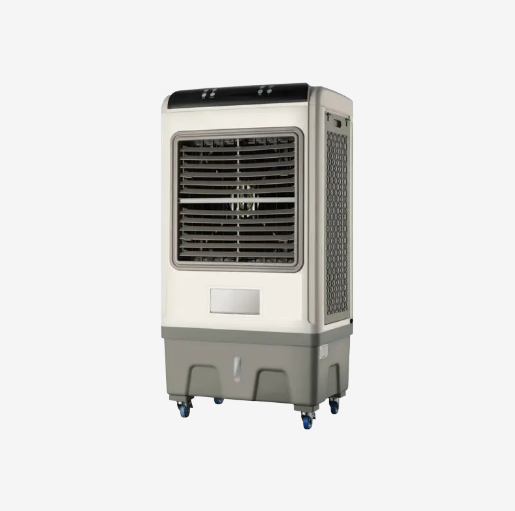
To maximize the effectiveness of air coolers in high-humidity areas, manufacturers recommend the following optimization measures:
Always keep doors and windows open during use, or use in conjunction with negative pressure fans, to ensure that indoor moisture is promptly removed and prevent moisture buildup from reducing cooling efficiency.
High-quality air coolers use high-density, highly absorbent professional cooling pads that maximize the contact area between water and air, improving evaporation efficiency under the same humidity conditions.
Modern industrial-grade equipment can automatically adjust the water pump operating frequency based on ambient temperature and humidity, achieving scientific and energy-efficient cooling.
While humidity is an important factor affecting air cooler performance, it does not mean they are ineffective. In humid areas, with proper system design and ventilation, air coolers remain an ideal choice for low-carbon, efficient, and large-area cooling.


No.1015 Guanfu Road, Fuhai Town, Cixi City,Zhejiang,China

+86 134-8601-6220



Copyright ? Cixi Bisheng Electrical Appliance Co., Ltd. All Rights Reserved.
Wholesale Portable Air Cooler Manufacturer




 English
 中文简体
中文简体 Español