Content
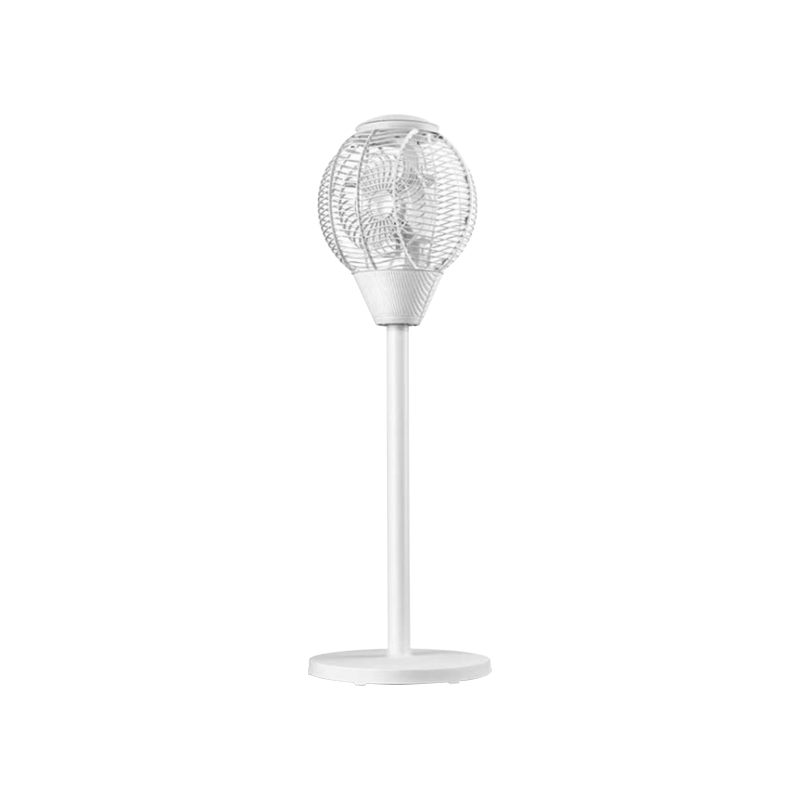
The best placement for a floor fan should be adjusted flexibly according to the room layout, air circulation needs, and usage scenario. It is generally recommended to place it near a window or door to promote air circulation, or behind or to the side of the user to avoid direct airflow. Proper placement of a floor fan maximizes its efficiency, achieving rapid cooling, energy saving, and improved comfort.
Floor fans generate airflow through the rotation of their blades, promoting indoor air circulation. Their placement directly affects the airflow path and cooling effect. According to fluid dynamics principles, the fan should face a relatively open area of the room, avoiding proximity to large furniture or walls to prevent airflow obstruction. Pointing the floor fan towards a window can expel hot air and introduce fresh air; when used in conjunction with air conditioning, it can evenly distribute cool air throughout the space, reducing air conditioning energy consumption.
Bedroom Use: When sleeping at night, it is recommended to place the floor fan at the foot or side of the bed, adjusted to oscillation mode, avoiding direct airflow to the head or feet to prevent catching a cold. If the room has a window, place the fan at an angle towards the window to promote ventilation.
Living Room Cooling: In a spacious living room, place the floor fan in a corner at a 45-degree angle towards the activity area to accelerate the circulation of cool air when used with air conditioning. Avoid direct airflow onto the sofa or television to prevent affecting comfort and heat dissipation.
Office or Study: Place the fan behind or to the side so that the airflow passes over your body, utilizing the evaporative cooling effect. Also, ensure the fan is kept away from paper or lightweight objects to prevent them from being blown away.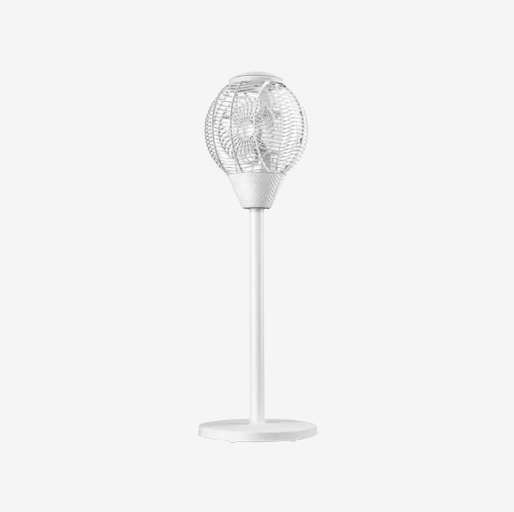
Avoid Direct Airflow: Prolonged direct airflow can easily cause muscle aches or colds. It is recommended to use the oscillation function or reflect the airflow off the wall.
Height Adjustment: Most floor fans support height adjustment. In summer, when cooling, raise the fan to promote the rising of hot air and the sinking of cold air; in winter, when using with heating, lower the fan to promote the diffusion of warm air.
Using Other Appliances: When used with an air purifier, the fan can help purify the air and circulate it quickly; in humid areas, using it with a dehumidifier can improve the feeling of dryness.
When placing a floor fan, ensure the power cord is away from aisles to prevent tripping. Clean the fan blades and grille regularly to prevent dust accumulation from affecting airflow. When purchasing, prioritize models with timer and silent operation functions to suit nighttime use.
By strategically placing your floor fan, you can not only improve your quality of life but also save energy. In the sweltering summer, a well-placed floor fan may be the most cost-effective cooling solution.


No.1015 Guanfu Road, Fuhai Town, Cixi City,Zhejiang,China

+86 134-8601-6220



Copyright ? Cixi Bisheng Electrical Appliance Co., Ltd. All Rights Reserved.
Wholesale Portable Air Cooler Manufacturer




 English
 中文简体
中文简体 Español