Content
You should not sleep with a regular fan blowing on you all night because prolonged direct airflow dries out your skin, nasal passages, and eyes, stiffens neck and shoulder muscles, and can trigger allergy or asthma symptoms by circulating dust and pollen. A standard electric fan does not clean, cool, or humidify the air — it simply moves the same dry room air across your body for hours, which is why many people wake up with a sore neck, a scratchy throat, or a stuffy nose. Switching to a properly positioned cooling fan that adds moisture to the air, rather than a plain circulating fan, removes most of these problems while still keeping your bedroom comfortable through the night.
A conventional desk or floor fan works by pushing existing air around a room. It does not lower humidity, filter particles, or introduce fresh moisture. When that airflow is pointed at your body for six to eight hours straight, it accelerates evaporation from your skin and airways far faster than normal. This is the same principle that makes wind feel colder than the actual air temperature, commonly called wind chill.
In practical terms, your body loses surface moisture continuously while you sleep. The result is not dangerous for most healthy adults in a single night, but repeated nightly exposure builds up cumulative effects: dry sinuses, irritated eyes, tighter neck and shoulder muscles from constant cool airflow on exposed skin, and a bedroom environment that recirculates dust, pet hair, and pollen instead of removing it.
Constant airflow speeds up moisture loss from the skin's surface and from the mucous membranes lining your nose and throat. This is why people frequently wake up with a dry mouth or a mildly sore throat after sleeping under a fan, especially in already dry climates or air-conditioned rooms.
When cool air blows continuously on one side of the neck or shoulder for hours, the surrounding muscles can tighten in response to the temperature difference. Many people report waking up with what feels like a stiff neck or a mild ache in the shoulder closest to the airflow.
A standard fan blade and housing accumulate dust over time, and every rotation pushes that dust, along with any pollen or pet dander already in the room, directly into the air you breathe. For people with asthma or seasonal allergies, this can mean waking up congested or with itchy eyes.
Direct airflow across the face reduces the tear film that keeps your eyes lubricated overnight. This is more pronounced with plain fans than with any cooling method that also raises humidity.
Fan motor noise and the physical sensation of moving air can prevent some sleepers from reaching deeper sleep stages, even without a conscious wake-up. Sleep guidance generally points to a stable bedroom temperature around 18–20°C (65–68°F) as more supportive of sleep quality than uneven cooling from directional airflow.
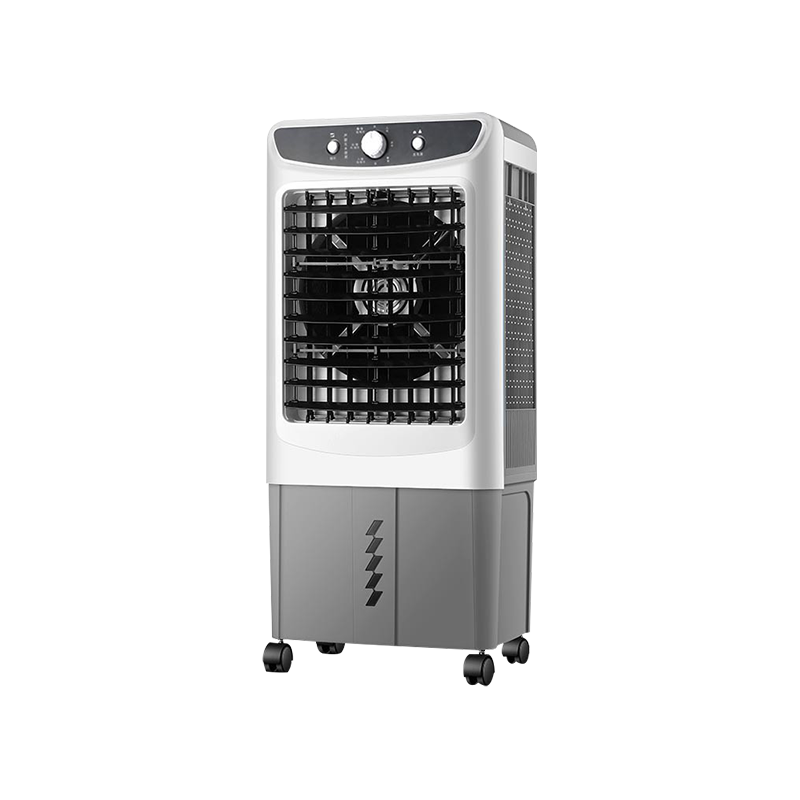
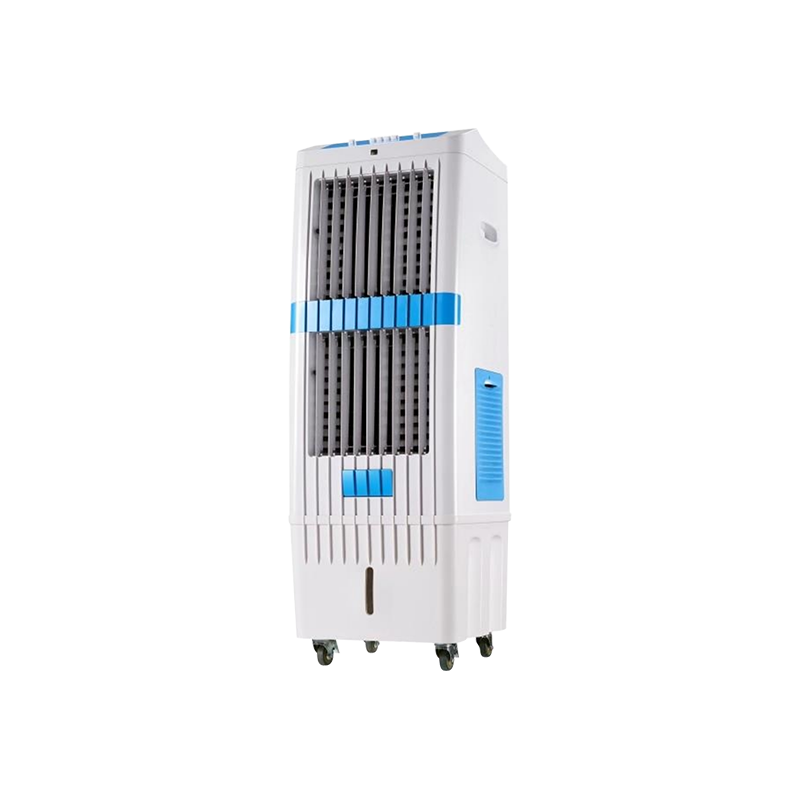
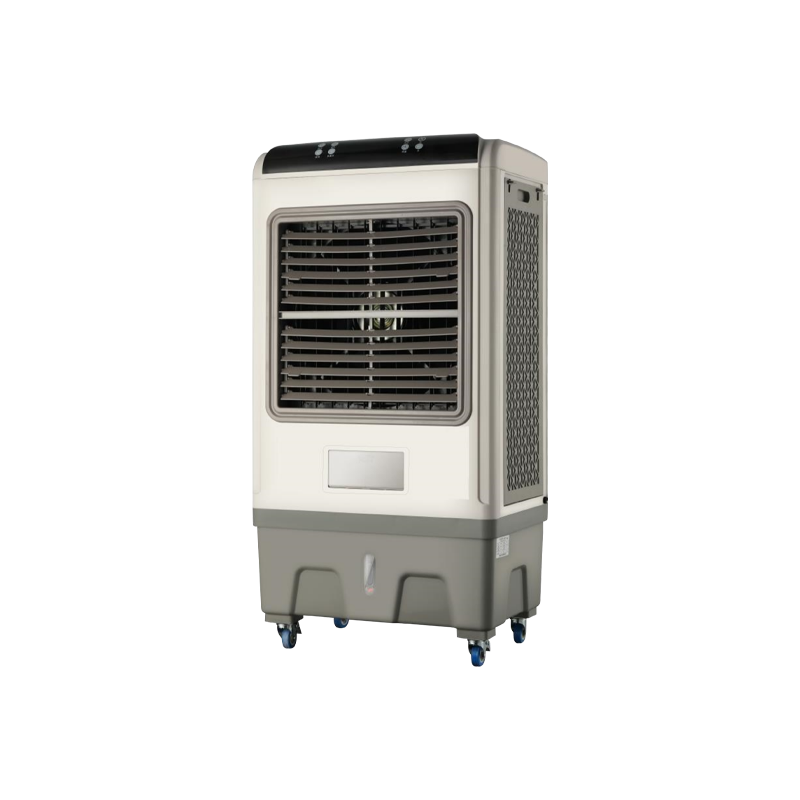
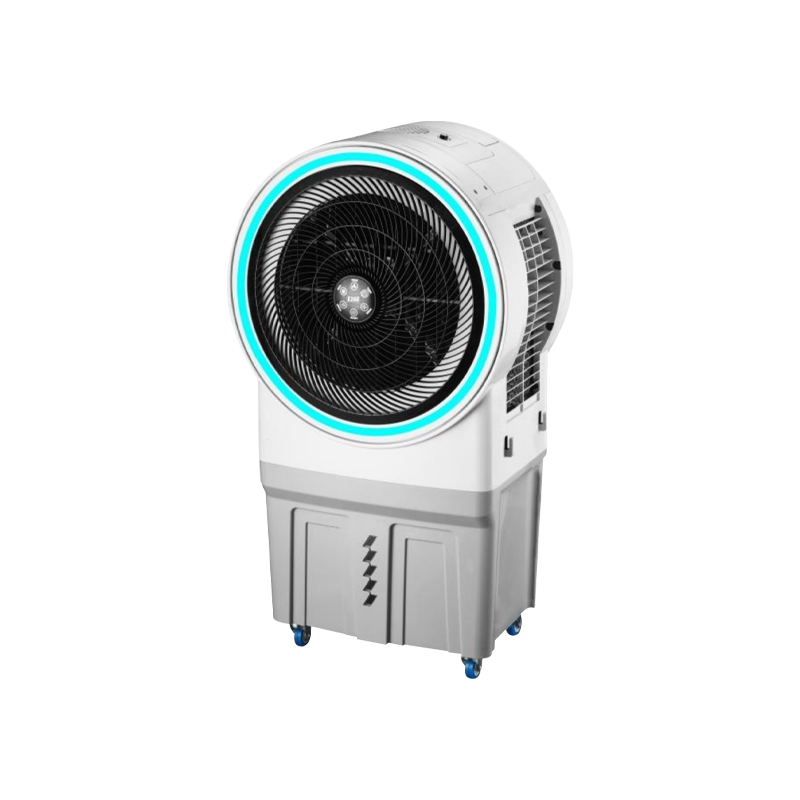
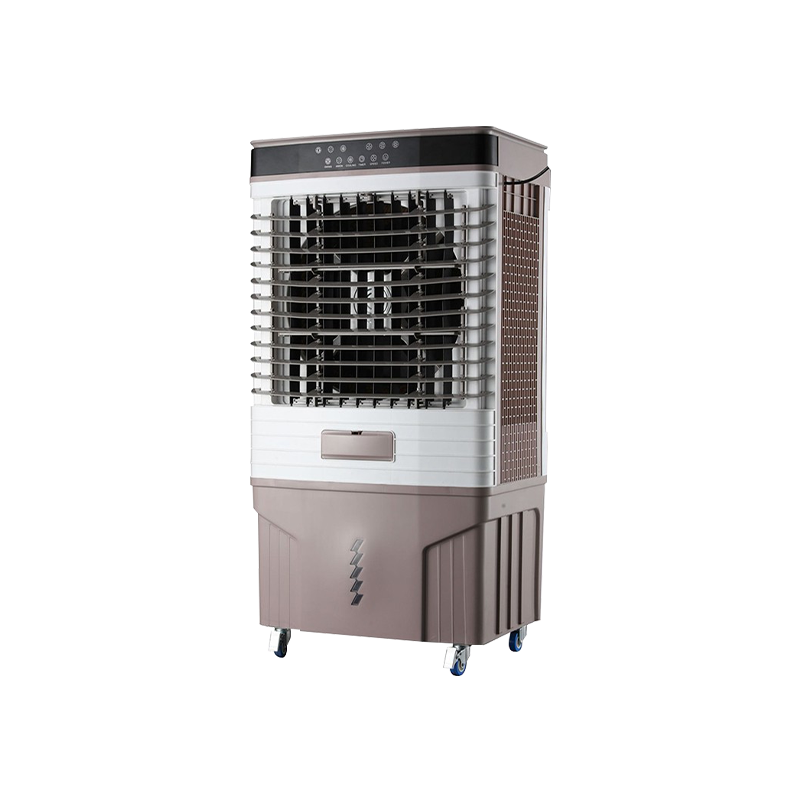
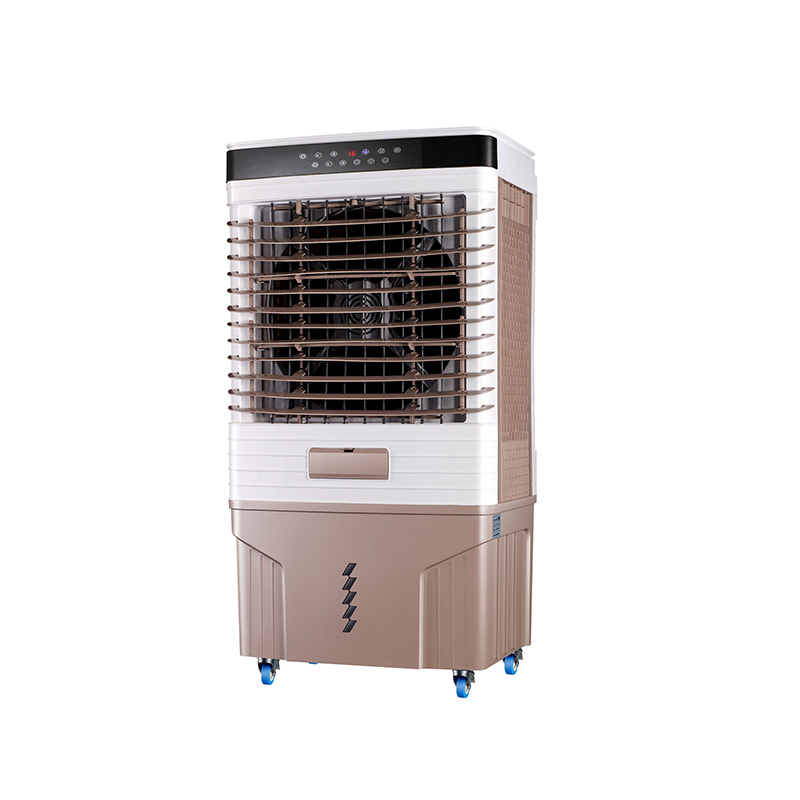
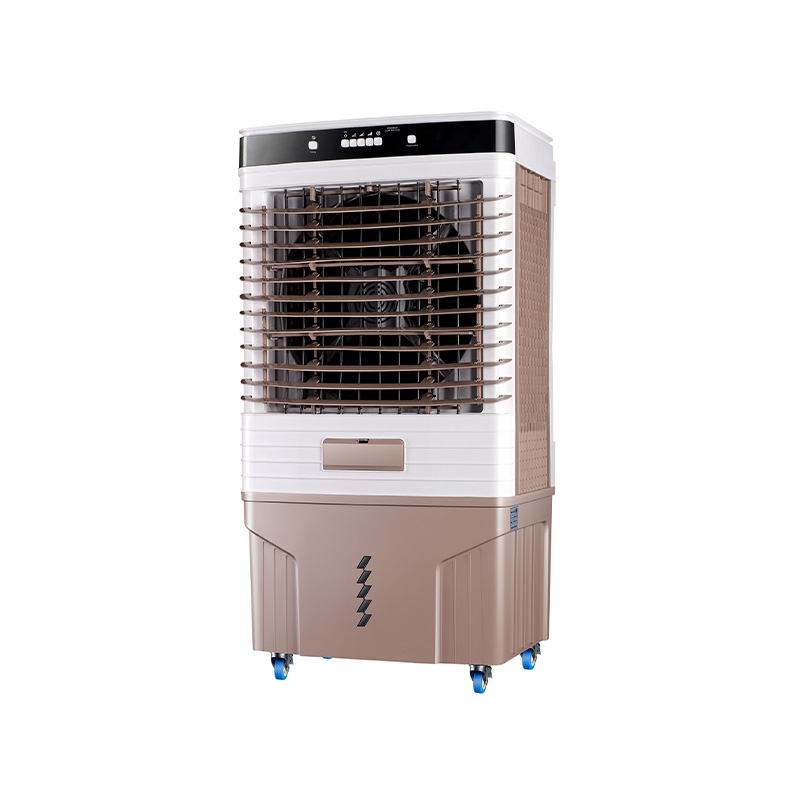
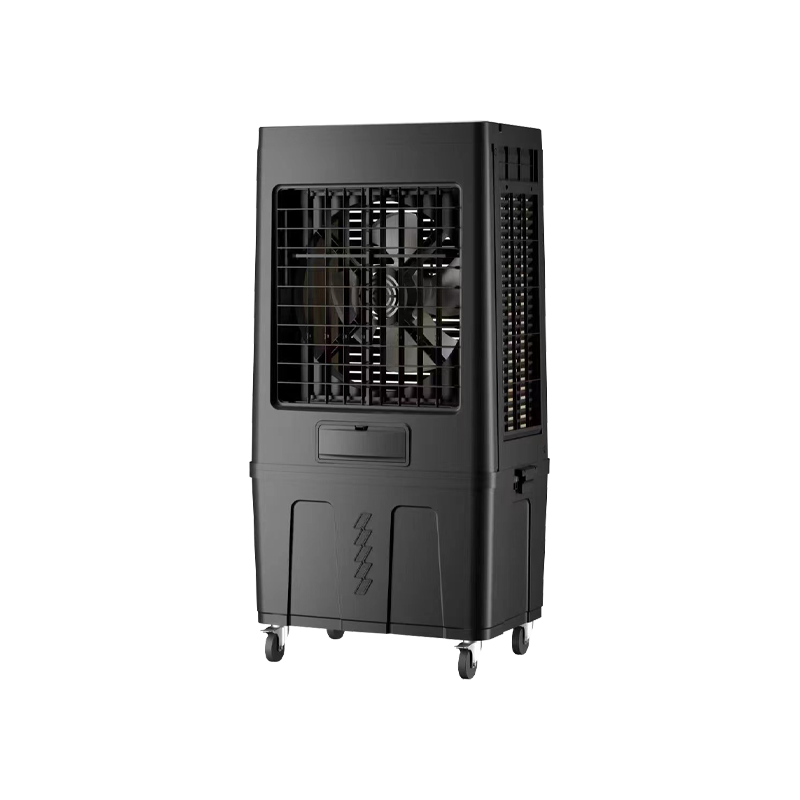
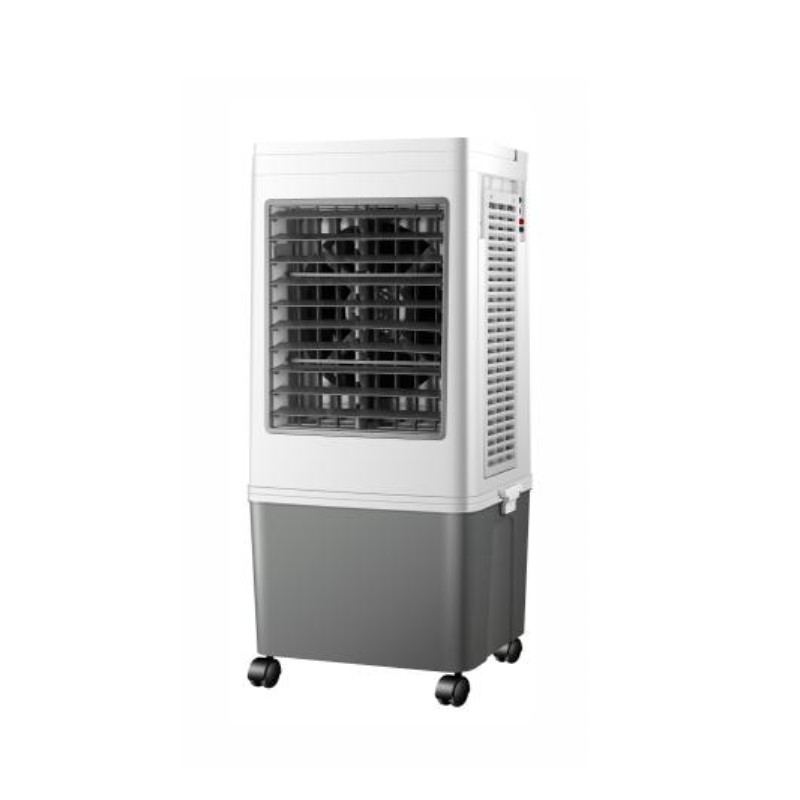
Not all fans work the same way. A plain electric fan only circulates air, while an evaporative cooling fan — often called an air cooler — pulls warm room air through a water-moistened filter before releasing it, lowering the air temperature and adding humidity at the same time. This directly addresses several of the problems above.
| Factor | Standard fan | Evaporative cooling fan |
|---|---|---|
| Air humidity | Unchanged, can feel drying | Increased through water evaporation |
| Air temperature | No change, only wind-chill effect | Actually lowered by several degrees |
| Dust and odor removal | None, recirculates particles | Filter traps dust and freshens air |
| Refrigerant / Freon use | Not applicable | None required, water-based cooling |
| Energy use | Low | Low, no compressor needed |
Because an evaporative cooling fan does not rely on Freon or a compressor, it also avoids the sealed, stagnant-air feeling some people associate with refrigerant air conditioning, while still providing a genuine drop in temperature rather than just moving air.
If you still want moving air overnight, a few adjustments significantly reduce the downsides described earlier.
The core issue with sleeping under a plain fan all night is that it changes how the air moves without changing what is actually in that air. A well-designed cooling fan addresses this directly: it draws warm air through a water-saturated filter, increasing humidity and lowering the air temperature before the airflow ever reaches you. This means the same hours of overnight airflow feel less drying, less harsh on the throat and eyes, and generally leave the surrounding air fresher rather than simply stirred.
Many households and light commercial spaces use this type of unit specifically because it does not require a compressor or refrigerant, keeps running costs low, and can be paired with an intelligent temperature control system that automatically adjusts airflow based on the difference between indoor and outdoor conditions. Features like remote control and scheduled on/off timing also make it easier to follow the safer usage habits above without getting up in the middle of the night to adjust settings. If you are comparing options, a dedicated cooling fan product range typically lists filter type, tank capacity, and airflow settings side by side, which makes it easier to match a unit to bedroom size and climate.
Most sleep guidance points to a bedroom temperature of 18–20°C (65–68°F) as broadly comfortable for adults. An evaporative cooling fan with an intelligent control mode can maintain this range automatically rather than running at full power all night, limiting unnecessary drying of the air.
Placing the unit a few meters from the bed, angled toward the room rather than the pillow, lets the cooled and humidified air circulate around the space instead of blowing directly on your face for hours. This single adjustment resolves much of the eye and throat dryness people report.
A built-in timer that powers the unit down after a set number of hours, or restarts it before you wake, keeps the room comfortable during the warmest part of the night without the machine running unattended for the full eight hours.
A few recurring symptoms suggest your current nighttime airflow setup needs adjusting rather than switching the fan off entirely.
If several of these apply, the fix is rarely to remove airflow altogether, especially in warmer climates where some form of cooling is necessary for comfortable sleep. Instead, switching from a plain fan to a humidity-adding cooling fan, repositioning the airflow away from direct body contact, and using a timer are usually enough to eliminate the symptoms while keeping the room cool.
Sleeping with a standard fan blowing on you all night is not inherently dangerous for most healthy people, but the continuous dry airflow reliably contributes to dehydrated skin and airways, localized muscle stiffness, disturbed allergy symptoms, and reduced sleep comfort over time. The underlying cause is simple: a plain fan moves air without changing its moisture content, while an evaporative cooling fan lowers temperature and raises humidity at the same time, which removes most of the drying effect that causes these complaints. Positioning airflow away from direct body contact, using a timer, and keeping the unit's filter clean further reduce any remaining discomfort, making it possible to stay cool overnight without the common downsides of an all-night fan.


No.1015 Guanfu Road, Fuhai Town, Cixi City,Zhejiang,China

+86 134-8601-6220



Copyright ? Cixi Bisheng Electrical Appliance Co., Ltd. All Rights Reserved.
Wholesale Portable Air Cooler Manufacturer




 English
 中文简体
中文简体 Español