Content
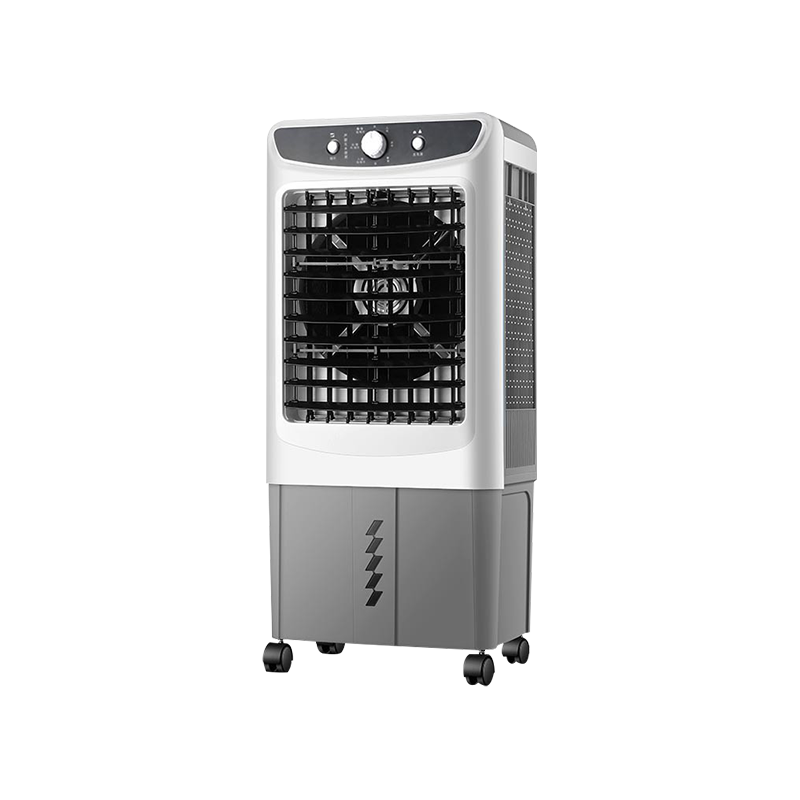
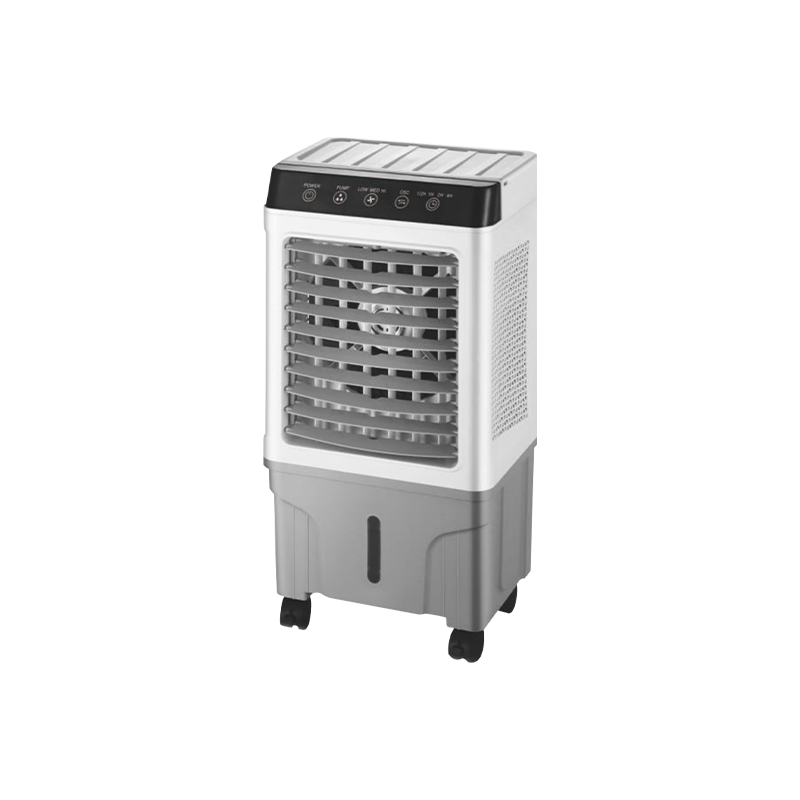
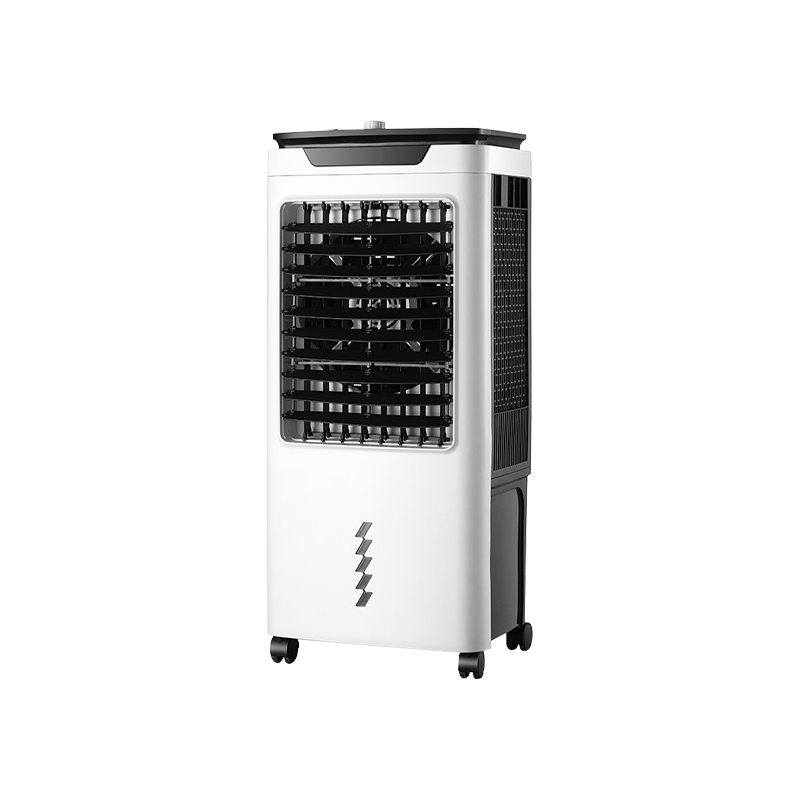
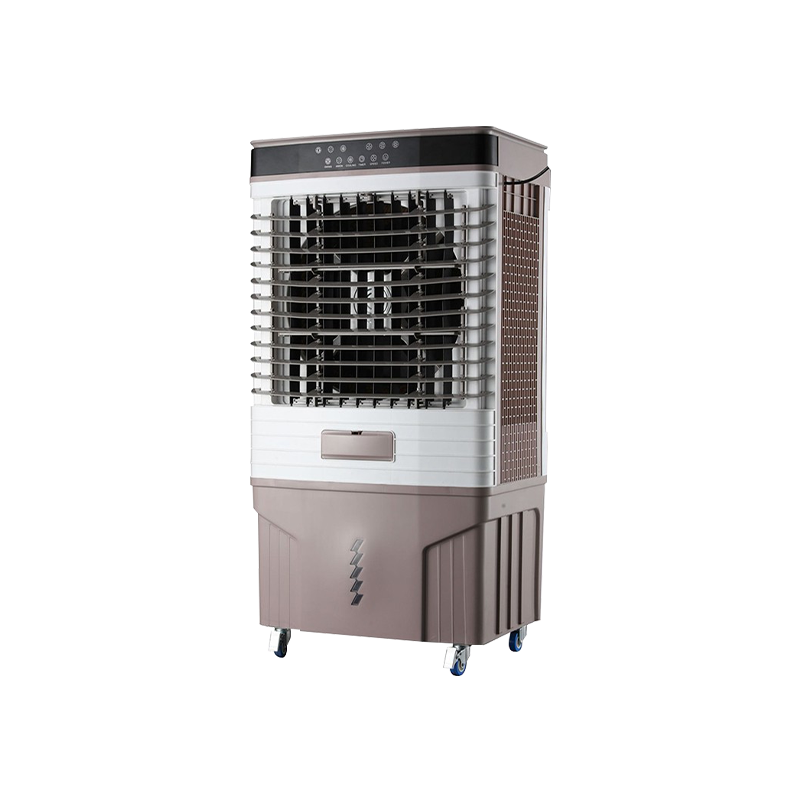
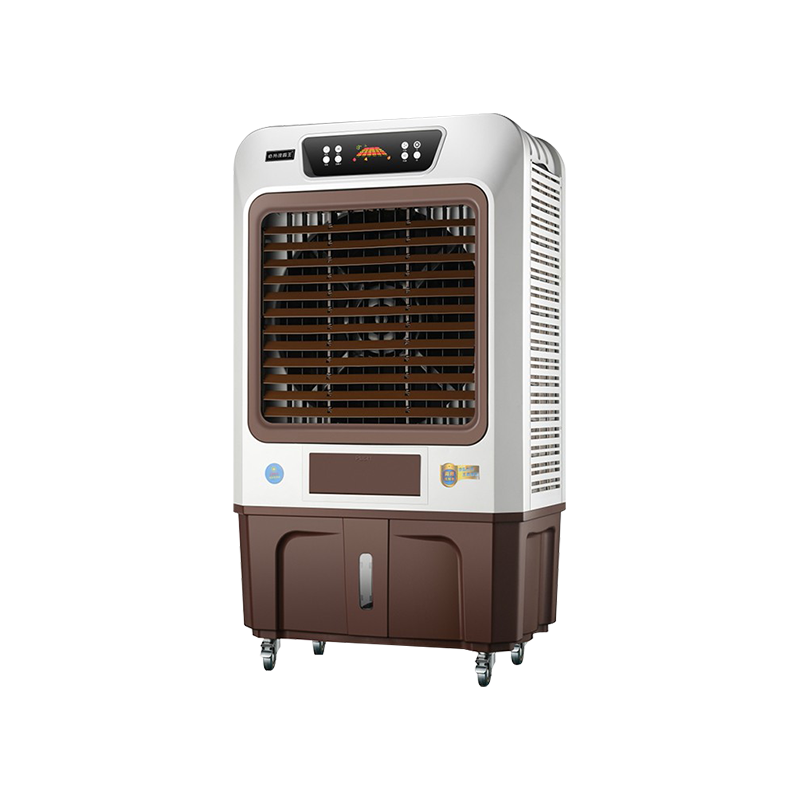
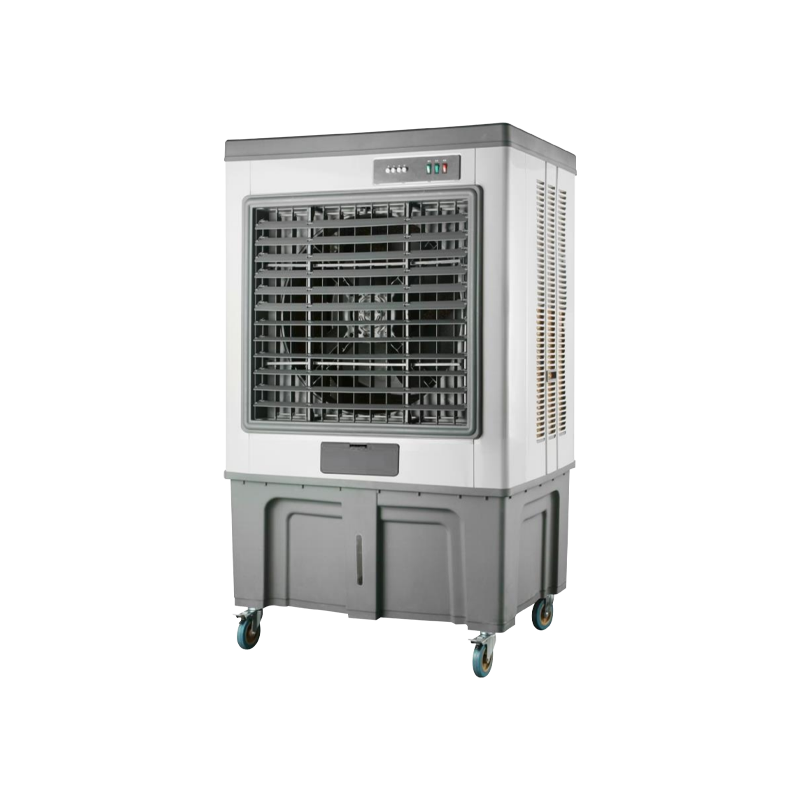
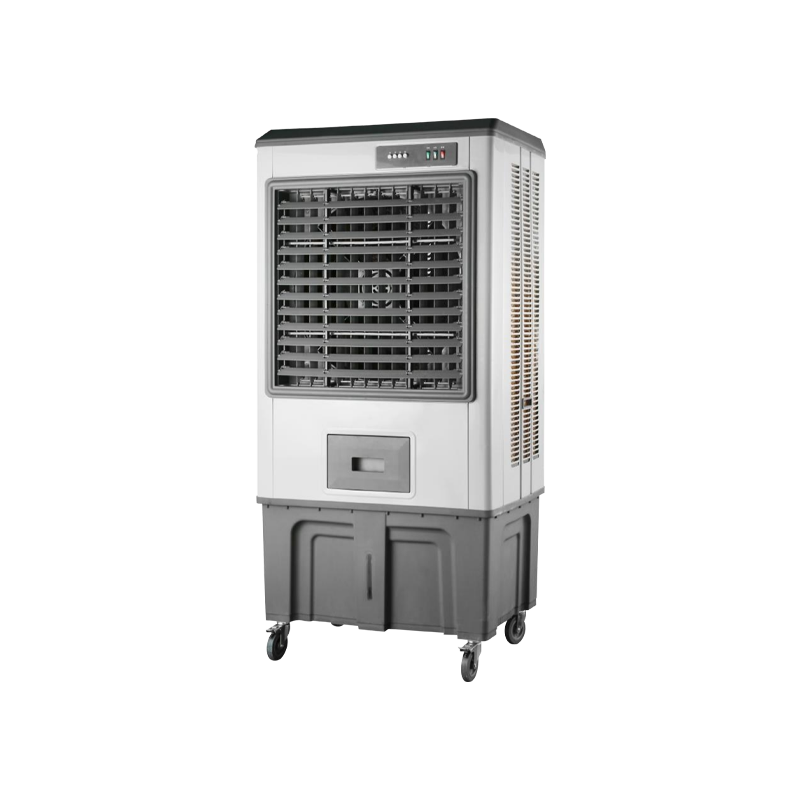
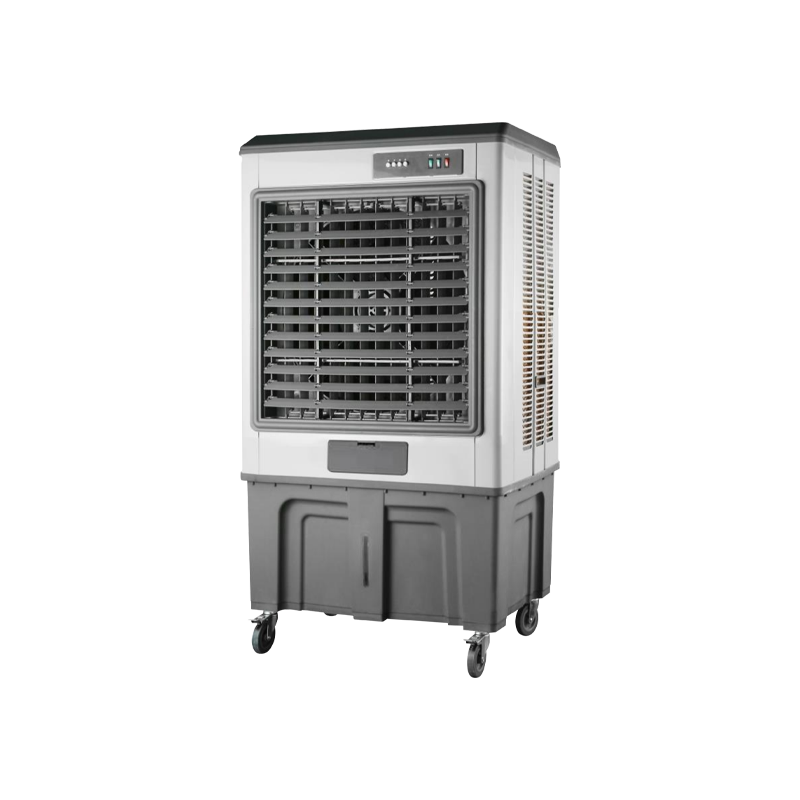
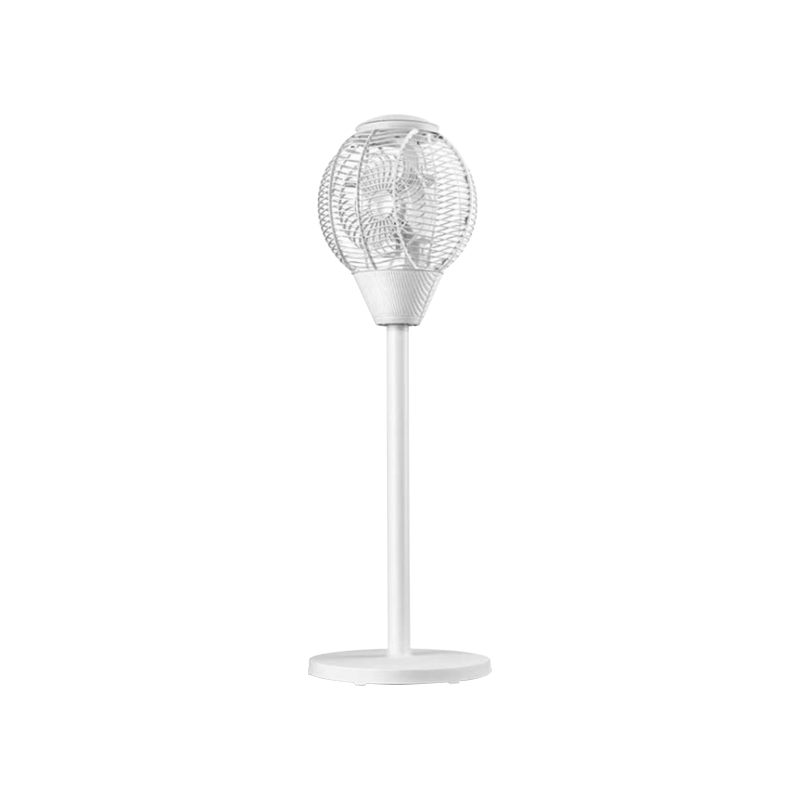
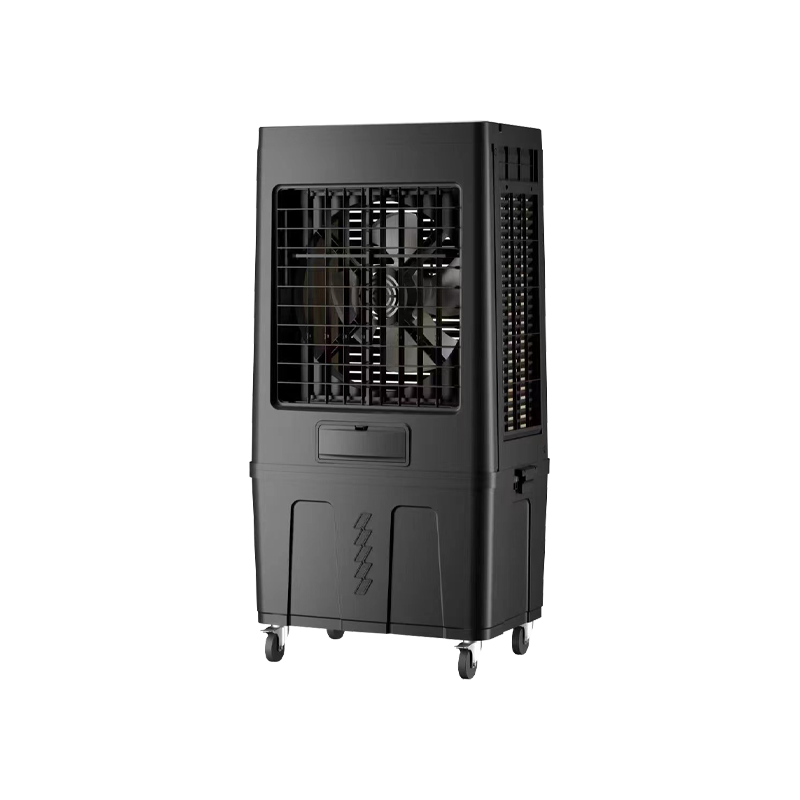
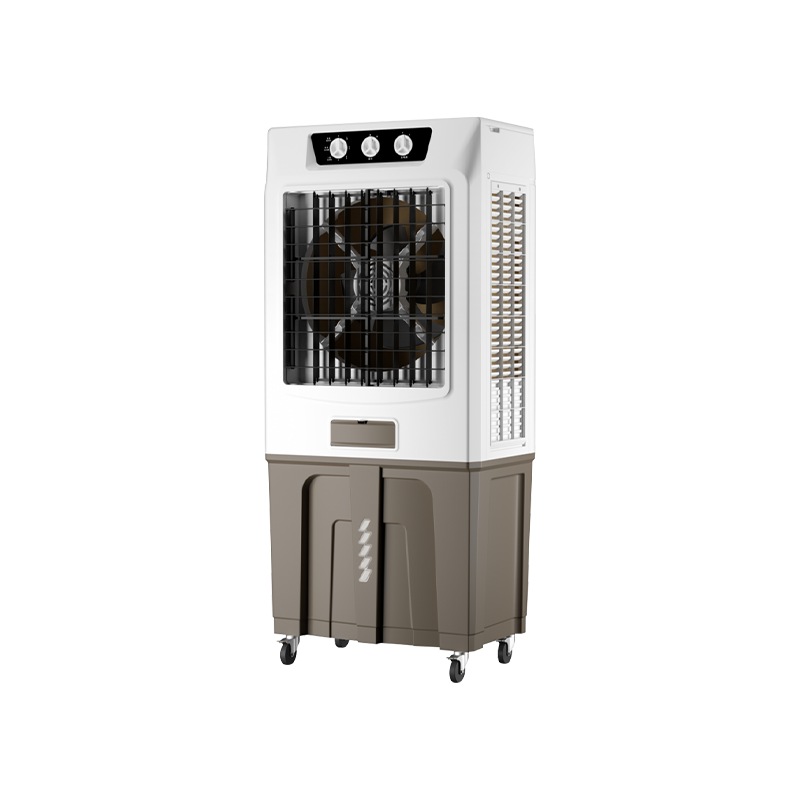
An evaporative air cooler, often called a cooling fan or swamp cooler, is a ventilation appliance that lowers air temperature by drawing warm air through a water-soaked filter pad. As the water evaporates, it absorbs heat from the passing air, and a built-in fan then pushes this cooler, more humid air back into the room. Unlike a refrigerant-based air conditioner, an evaporative air cooler has no compressor, uses only water and electricity for a fan motor, and releases no Freon into the atmosphere. In short, it is a low-power, water-based cooling device rather than a compressor-based cooling machine.
Because the cooling effect comes from natural evaporation rather than mechanical refrigeration, an evaporative air cooler typically consumes a fraction of the electricity used by a split air conditioner of similar coverage area. This makes it a practical choice for spaces where energy costs, ventilation, or humidity levels matter as much as temperature.
The working principle of a cooling fan is based on the physics of evaporative heat loss. A water pump inside the unit circulates water from a built-in tank up to a honeycomb or cellulose filter pad. A motorized fan then pulls warm ambient air through this wet pad. As the water molecules on the pad absorb thermal energy and turn into vapor, the surrounding air loses heat and comes out noticeably cooler on the other side, where it is blown into the room.
A traditional air conditioner cools by compressing and expanding a refrigerant gas, a process that consumes a large amount of electricity at the compressor stage. An evaporative air cooler skips this stage entirely. Instead, the cooling happens directly at the wet pad, meaning the only electrical components at work are the fan motor and the small water pump, which is why operating power is comparatively low.
While cooling the air, an evaporative air cooler naturally raises indoor humidity, which can reduce the dry throat, dry skin, and stuffy feeling sometimes associated with prolonged air conditioner use. Its air-circulation design also helps disperse dust and odors more evenly through a room, and many units include an additional air-purifying function to filter incoming air before it passes through the wet pad.
Buyers deciding between a cooling fan and a compressor-based air conditioner should weigh the following practical differences before choosing.
| Factor | Evaporative Air Cooler | Air Conditioner |
|---|---|---|
| Cooling method | Water evaporation through a wet pad | Refrigerant compression cycle |
| Operating power | Low, fan and pump only | High, compressor draws the most power |
| Effect on humidity | Increases humidity | Removes humidity |
| Installation | Portable, no fixed ductwork required | Often fixed or split-unit installation |
| Best environment | Open or well-ventilated, drier climates | Sealed rooms, any climate |
Not every evaporative air cooler on the market offers the same functionality. The following features have the biggest impact on comfort and convenience.
Because evaporative cooling depends on airflow and moisture absorption, a cooling fan performs best in spaces with reasonable ventilation rather than tightly sealed rooms. The table below outlines common use cases and why each one suits this type of cooling technology.
An evaporative air cooler is not a universal replacement for every cooling need, and being aware of its limits helps set realistic expectations.
Routine care keeps a cooling fan running efficiently and extends its service life. The following practices are recommended for regular users.
Since an evaporative air cooler is often used for extended hours in workshops, restaurants, or homes, product durability and consistent airflow performance matter as much as the initial price. Buyers should look for a manufacturer with dedicated research and development capability, a wide range of tank sizes and power ratings, and recognized product certification.
Cixi Bisheng Electrical Appliance Co., Ltd. is one such manufacturer, producing a broad line of Cooling Fan models, including compact household air coolers, large-capacity remote control units, and 3-in-1 designs that combine cooling, humidification, and air purification in a single machine. The company focuses on research and development of home and business evaporative air coolers along with related green appliances, and its products are used across factory workshops, warehouses, shopping malls, outdoor restaurants, gymnasiums, and exhibition halls. With products distributed to more than 20 countries and regions, the company continues to develop energy-efficient, compressor-free cooling solutions suited to varied indoor and outdoor environments.
In summary, an evaporative air cooler is a water-based, low-power alternative to traditional air conditioning that cools air through natural evaporation rather than mechanical refrigeration. Understanding how it works, where it performs best, and how to maintain it helps buyers get the most value from a cooling fan in both home and commercial settings.


No.1015 Guanfu Road, Fuhai Town, Cixi City,Zhejiang,China

+86 134-8601-6220



Copyright ? Cixi Bisheng Electrical Appliance Co., Ltd. All Rights Reserved.
Wholesale Portable Air Cooler Manufacturer




 English
 中文简体
中文简体 Español