Content
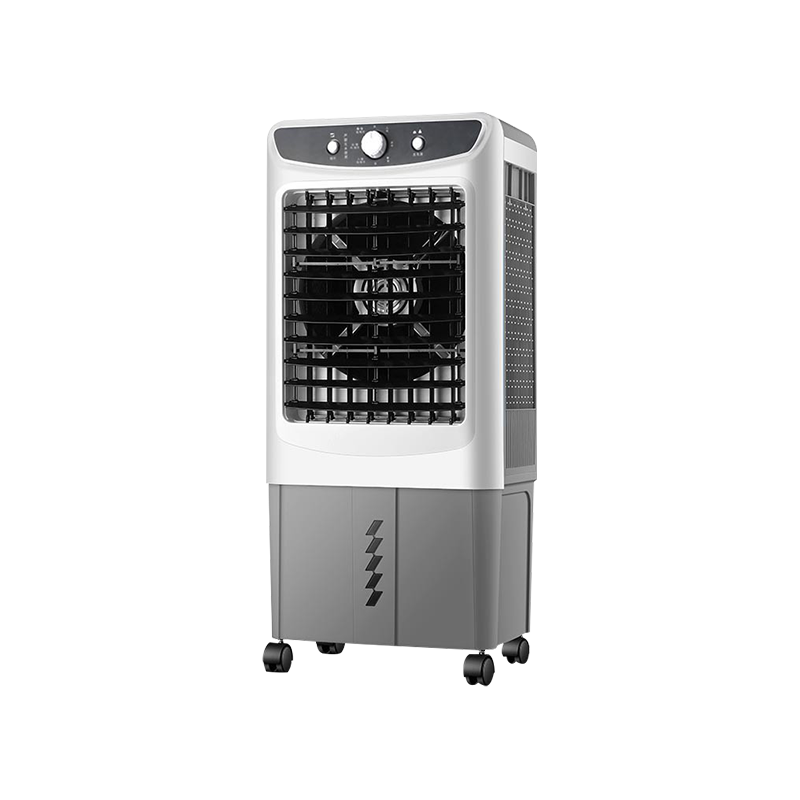
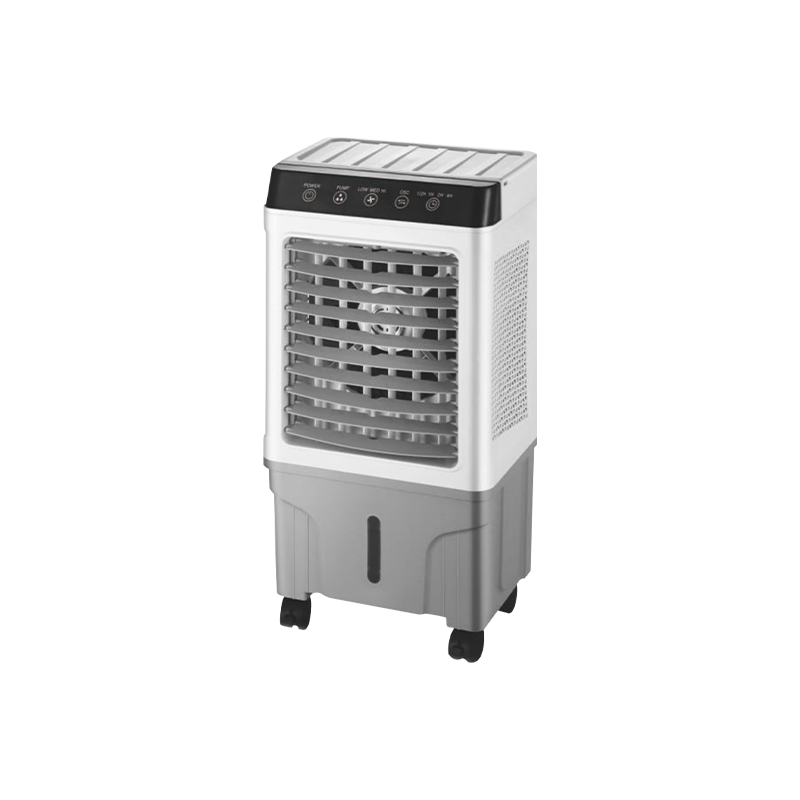
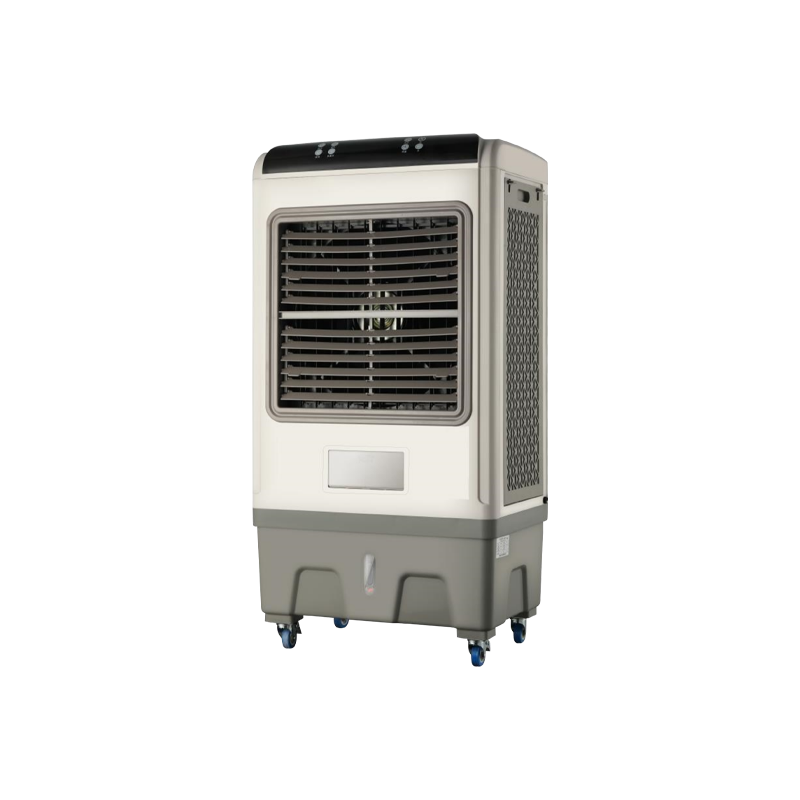
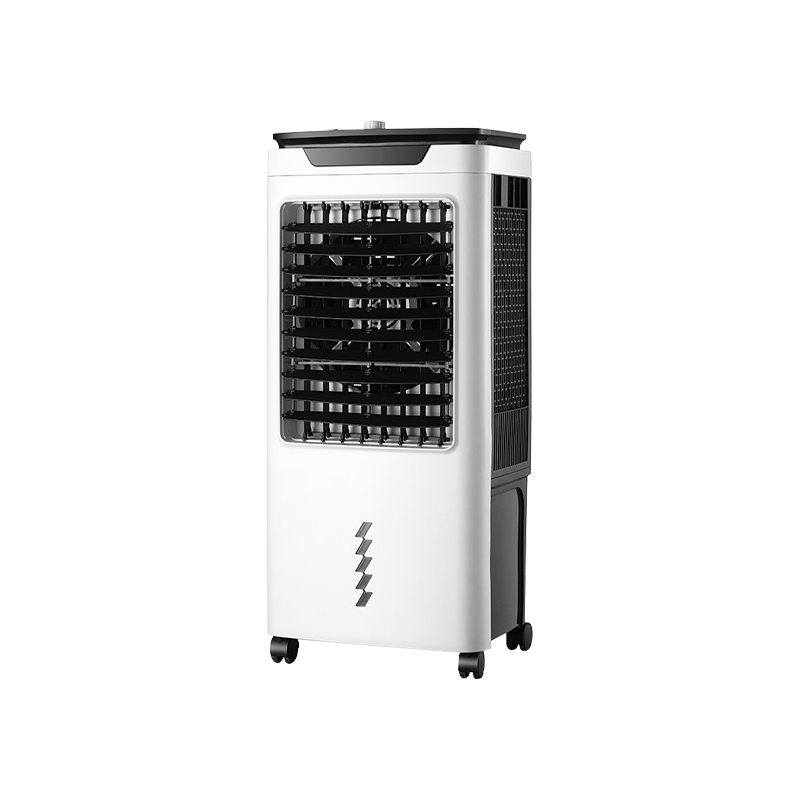
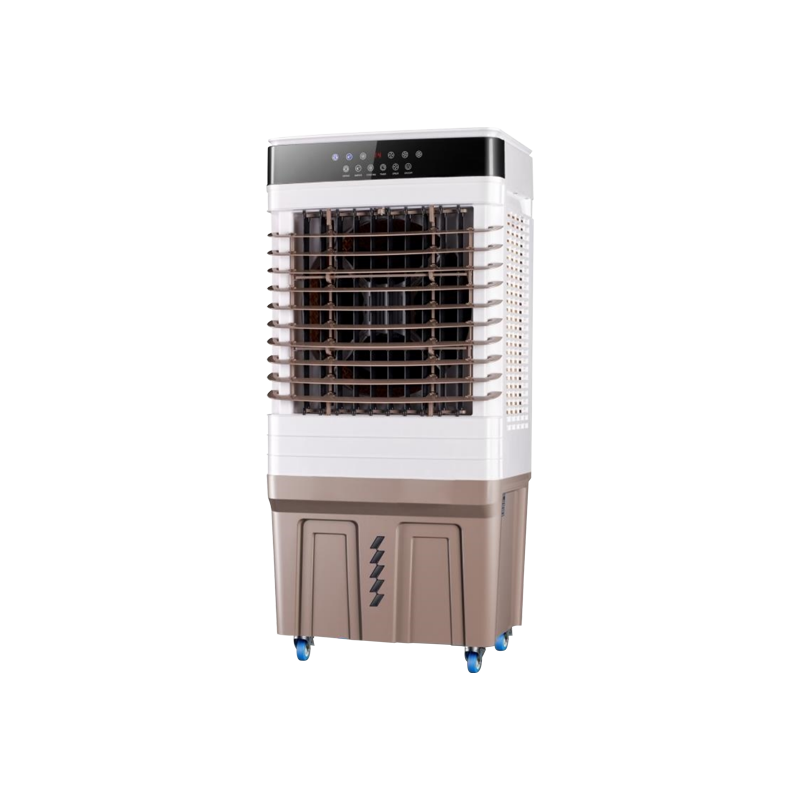
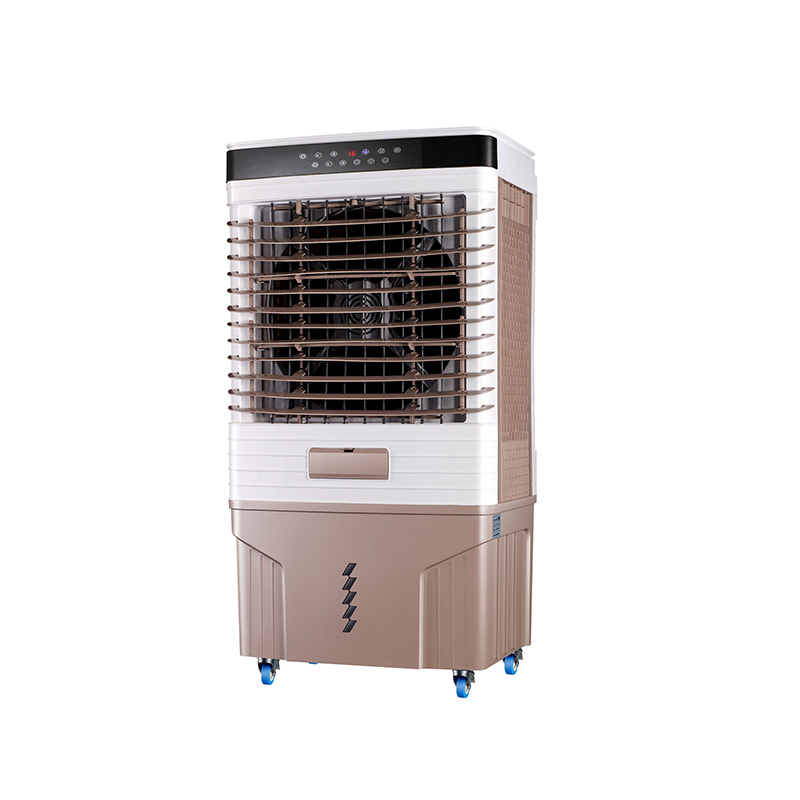
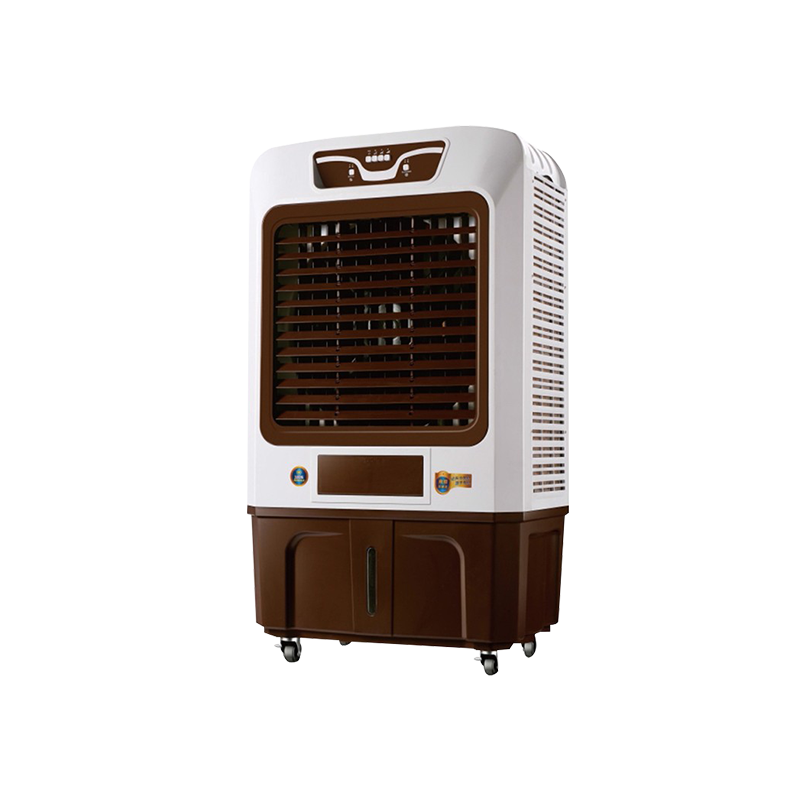
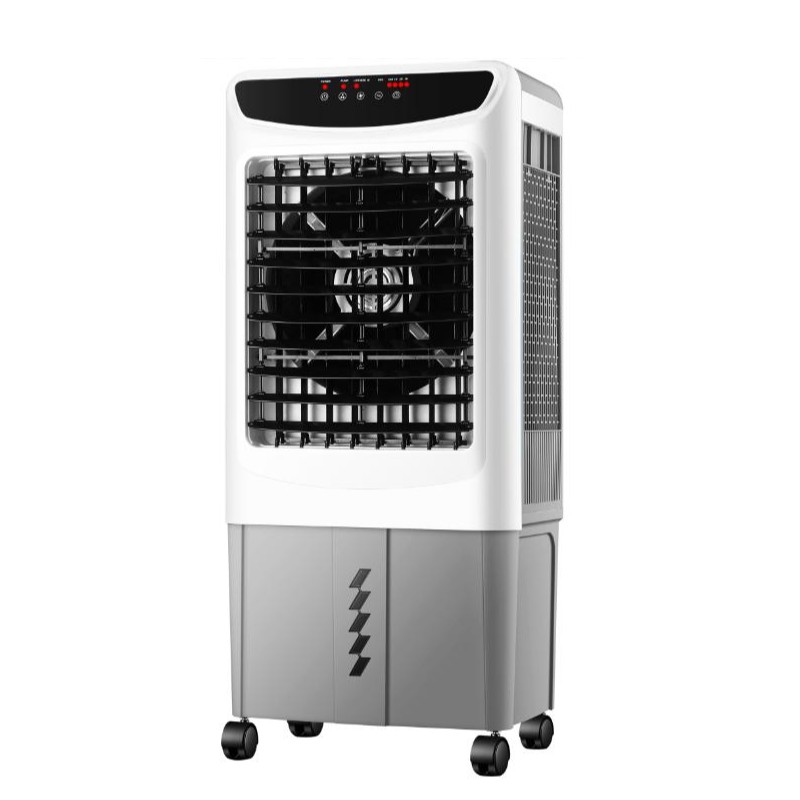
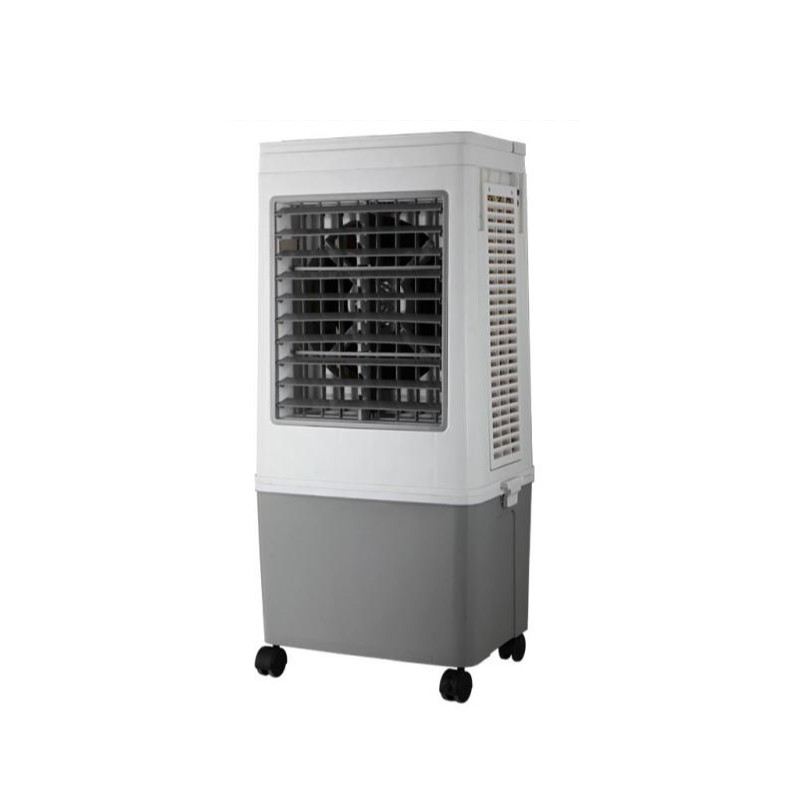
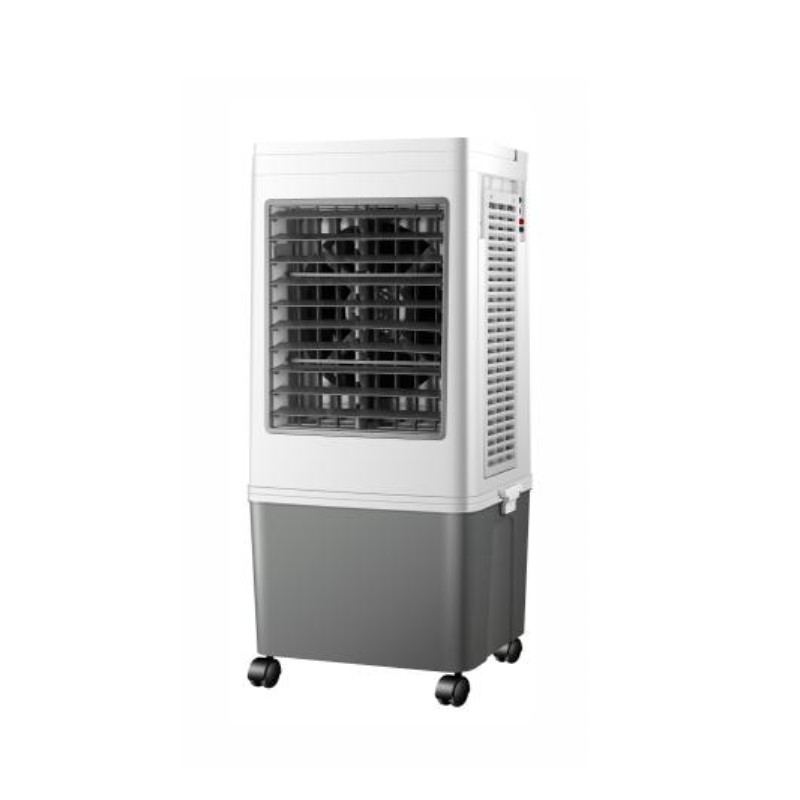
A silent air cooler works by pulling warm air through a water-soaked cooling pad, known as a wet curtain, where the water evaporates and absorbs heat from the passing air before a low-noise motor and fan release the cooled, humidified air back into the room. The "silent" part of the design comes from a combination of a low-speed, low-noise motor, an optimized air duct shape, and sound-dampened housing, all working together to keep the moving parts quiet while the evaporative cooling process does the actual temperature reduction.
This is fundamentally different from how a compressor-based air conditioner cools a room, since an evaporative air cooler has no refrigerant compressor cycling on and off, which is itself one of the loudest components in traditional cooling equipment. The sections below break down each part of the process, the specific engineering choices that reduce noise, and how to choose and maintain a unit that stays quiet over its full service life.
Evaporative cooling relies on a simple physical process: when water changes from liquid to vapor, it absorbs energy in the form of heat from its surroundings. An air cooler is engineered to maximize this effect using moving air and a large wetted surface area.
| Component | Function |
|---|---|
| Water tank | Holds the water supply that feeds the cooling pad, often sized between 30 and 120 liters depending on the unit |
| Water pump | Circulates water from the tank up to the top of the wet curtain pad |
| Wet curtain pad | A honeycomb or fiber pad that holds moisture and maximizes surface area for evaporation |
| Fan and motor | Draws air through the wet curtain and pushes the cooled air into the room |
Evaporative cooling itself is a naturally quiet process, so noise reduction engineering is focused almost entirely on the moving mechanical parts, primarily the motor and fan assembly.
A well-engineered silent air cooler combines all four of these design elements together, rather than relying on a single feature, which is why noise levels can vary noticeably between models that otherwise share similar cooling capacity.
Understanding why an evaporative air cooler runs quieter than compressor-based cooling comes down to a fundamental difference in how each system removes heat.
| Factor | Evaporative Air Cooler | Compressor Air Conditioner |
|---|---|---|
| Primary noise source | Fan and motor only | Compressor cycling plus fan noise |
| Effect on room humidity | Increases humidity as part of the cooling process | Reduces humidity through condensation |
| Installation requirements | Portable, no permanent installation needed | Often requires fixed mounting and ventilation ducting |
| Best climate fit | Hot, dry climates where added humidity is welcome | Any climate, including humid regions |
Many modern air cooler units use a triple-layer wet curtain rather than a single pad, since each additional layer increases both the surface area available for evaporation and the physical filtration of dust and airborne particles passing through the unit.
The first layer typically captures larger dust particles, the middle layer maximizes water retention for evaporative cooling, and the final layer refines airflow and traps finer particles before the air reaches the fan outlet. This layered approach means a well-designed air cooler is doing double duty, lowering room temperature while also improving air cleanliness.
Undersizing a unit for its space is one of the most common reasons an air cooler ends up sounding louder than expected, since the fan has to run at a higher, noisier speed just to move enough air.
| Room Size | Suggested Tank Capacity |
|---|---|
| Small bedroom or home office | Around 30 to 40 liters |
| Living room or medium space | Around 60 to 70 liters |
| Large room or open industrial space | Around 100 to 120 liters |
A unit that ran quietly on day one can become noticeably louder over a season of use if the wet curtain pad becomes clogged with mineral deposits or dust, forcing the fan to work harder to pull air through a partially blocked pad. Regularly rinsing or replacing the wet curtain, cleaning the water tank to prevent scale buildup, and using filtered or softened water where tap water is high in minerals all help preserve the original low-noise performance.
Checking the fan blades and motor housing periodically for dust buildup also helps, since accumulated dust can create rattling or a change in fan pitch that was not present when the unit was new.
Cixi Bisheng Electrical Appliance Co., Ltd, located in Fuhai Industrial Park, Cixi City, has been producing home and business dual-purpose evaporative air cooler products for more than 10 years, with an annual output exceeding 240,000 units. The company's product lineup includes low-noise motor designs and multi-layer wet curtain filtration systems, along with portable and large-capacity floor-standing models suited to both residential rooms and larger industrial spaces.
When comparing air cooler models for a quiet result, check the published decibel rating at each fan speed, the number of wet curtain layers, and the water tank capacity relative to your room size, since these three specifications together determine how quietly the unit will actually perform once installed.


No.1015 Guanfu Road, Fuhai Town, Cixi City,Zhejiang,China

+86 134-8601-6220



Copyright ? Cixi Bisheng Electrical Appliance Co., Ltd. All Rights Reserved.
Wholesale Portable Air Cooler Manufacturer




 English
 中文简体
中文简体 Español