Content
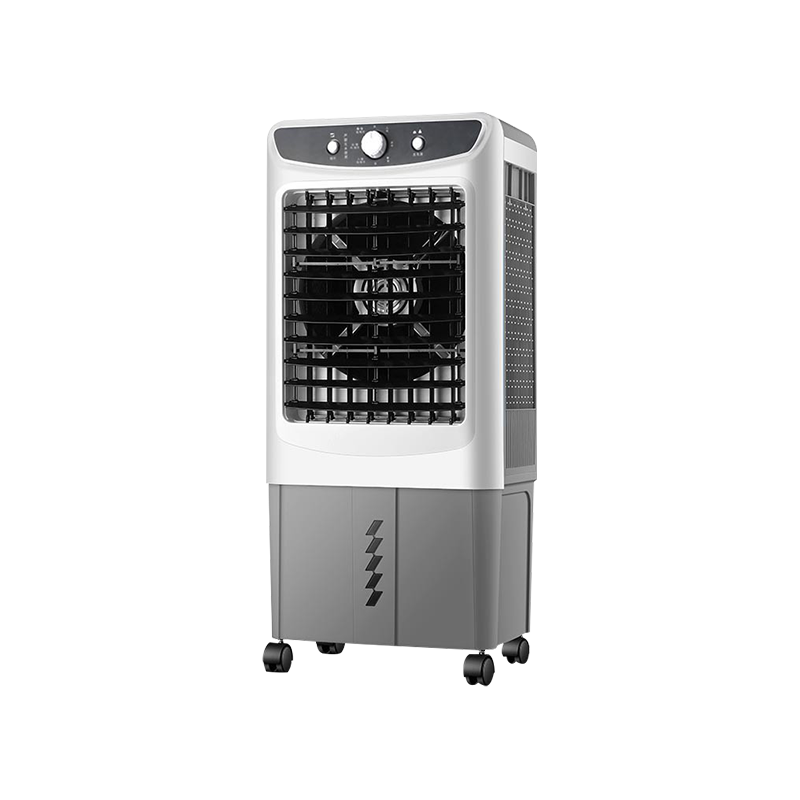
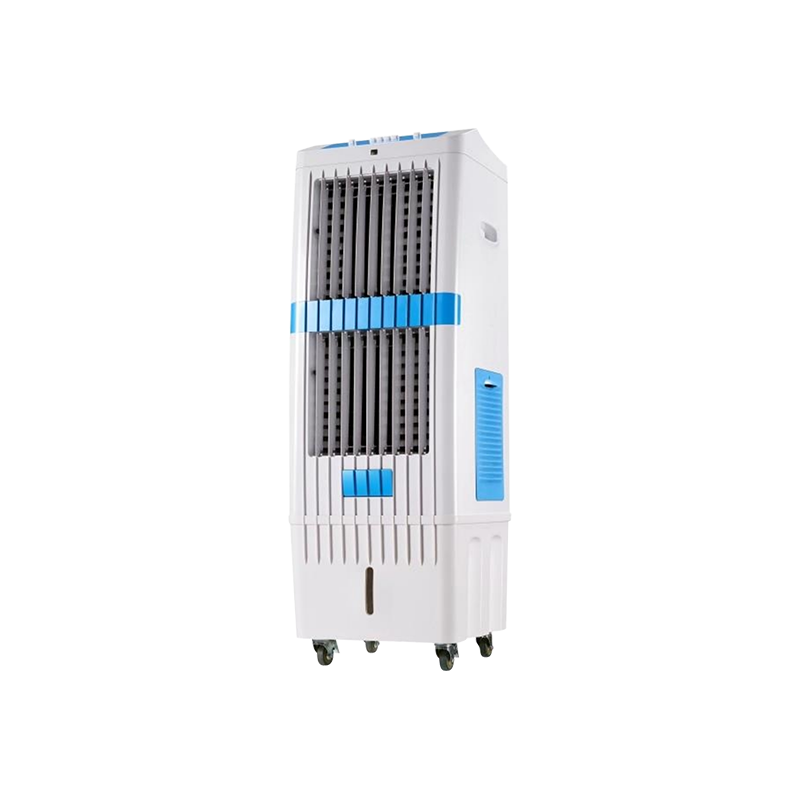
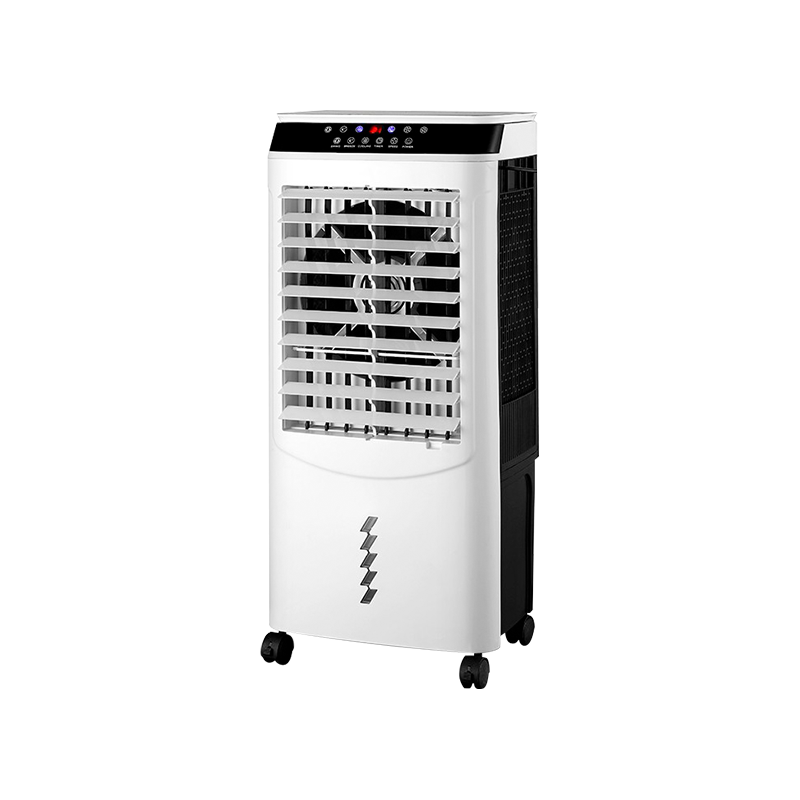
There is no single air cooler that is universally best — the right choice depends on room size, local humidity levels, and how the unit will be used. That said, the best-performing air coolers generally share three traits: a tank capacity of at least 20 liters, an airflow rating above 3,000 cubic meters per hour, and a honeycomb or cellulose cooling pad that maximizes evaporative surface area. Units meeting these benchmarks consistently outperform smaller, basic models in cooling speed, coverage area, and runtime between refills.
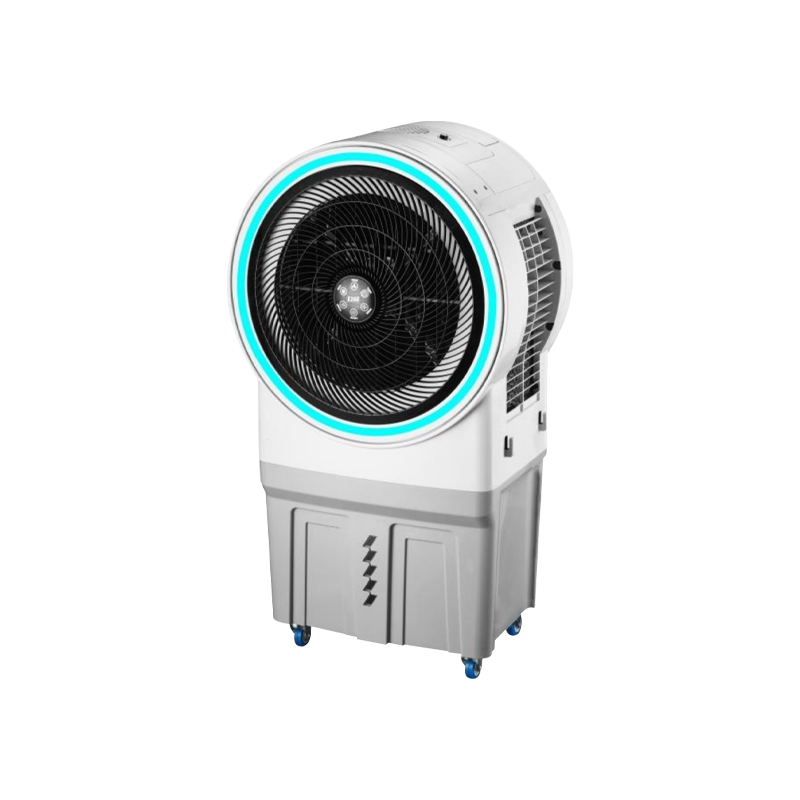
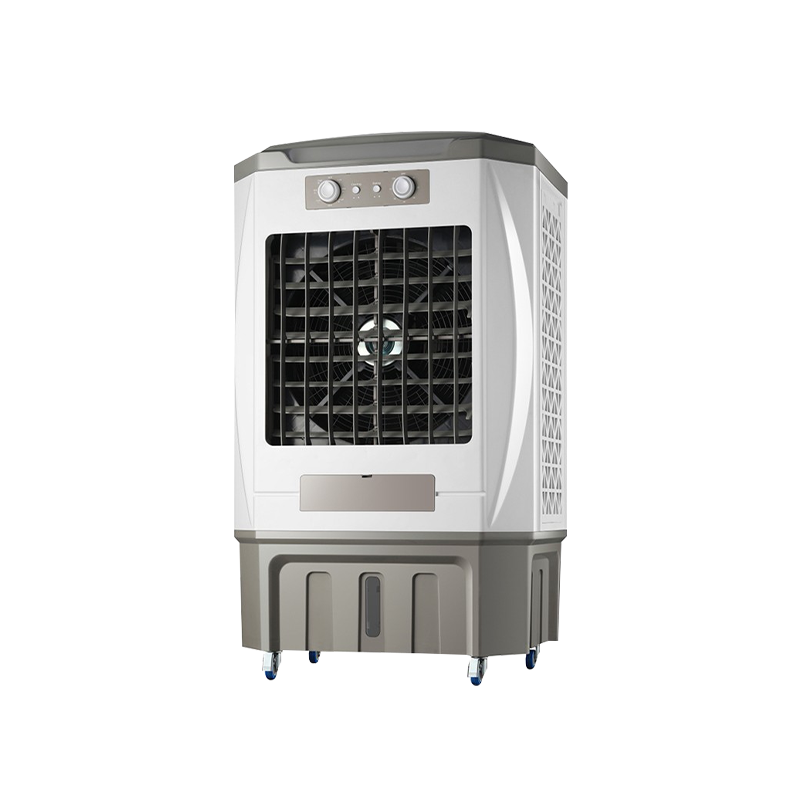
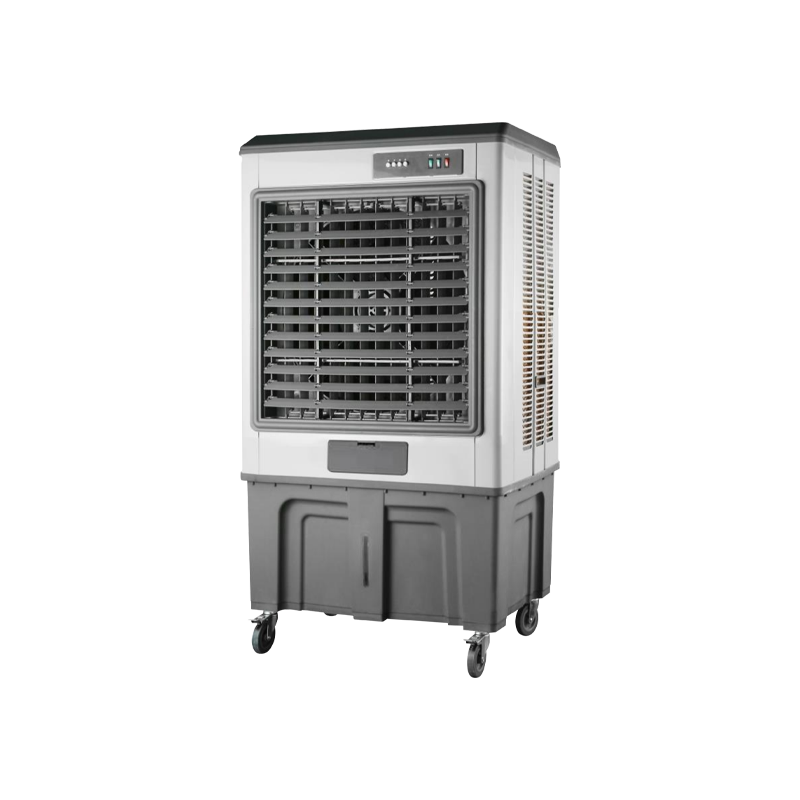
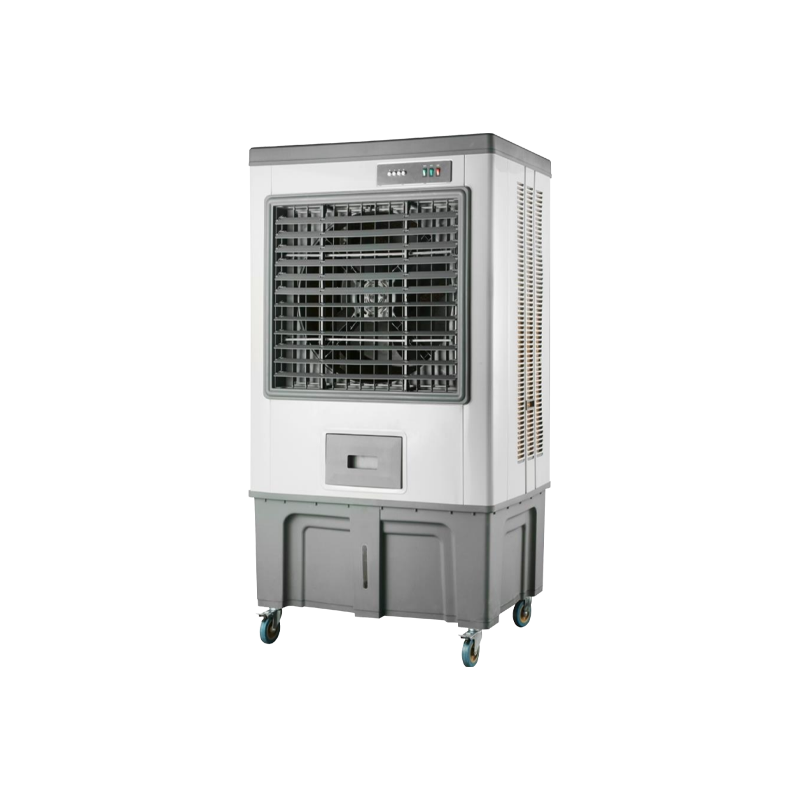
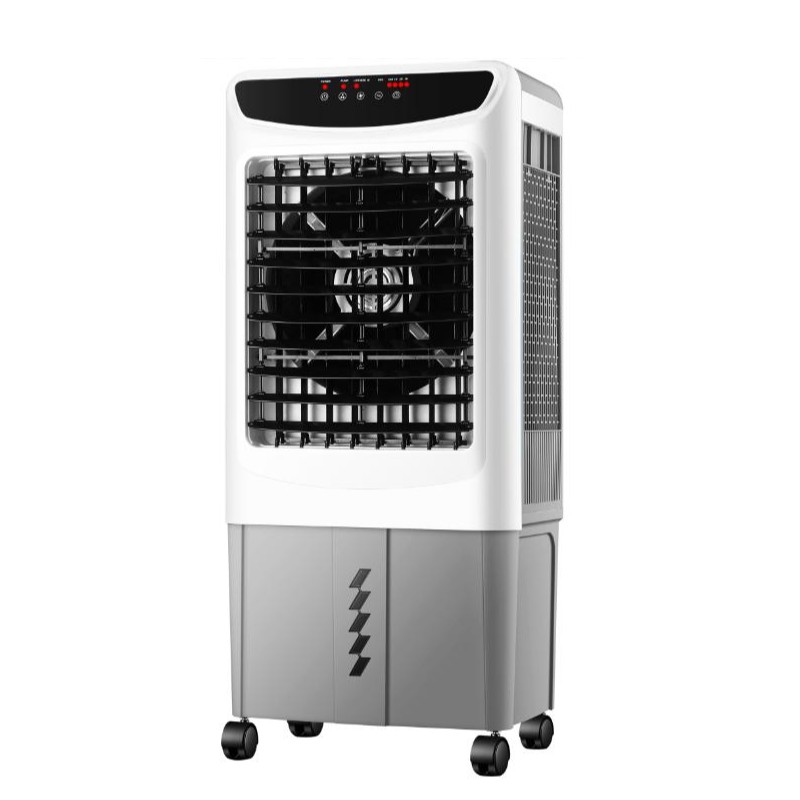
For larger spaces such as workshops, warehouses, or commercial floors, an industrial air cooler with a high-capacity water tank and multi-directional airflow typically delivers far more consistent cooling than a compact household unit. The sections below break down exactly what separates a good air cooler from a great one, so you can match specifications to your actual needs rather than guessing.
Before comparing individual models, it helps to understand the core specifications that most directly affect real-world cooling performance. These numbers matter far more than brand names or design aesthetics.
Airflow is measured in cubic meters per hour (CMH) and indicates how much cooled air the unit can circulate. A higher CMH rating means faster temperature drops and better coverage across larger rooms or open industrial spaces.
Tank size determines how long the unit can run before needing a refill. Household models typically range from 15 to 30 liters, while a commercial or industrial air cooler can hold well over 60 liters, supporting continuous operation through a full shift without interruption.
Honeycomb cellulose pads absorb and release water more evenly than simple foam pads, which improves evaporation efficiency and extends the pad's operational lifespan under continuous use.
Choosing the right size and type of air cooler starts with an honest assessment of the space it needs to cover. Undersizing a unit is the single most common reason people report disappointing cooling results.
| Space Type | Approximate Area | Recommended Airflow (CMH) |
|---|---|---|
| Bedroom or small office | Up to 20 m² | 1,000 - 2,000 |
| Living room or shop floor | 20 - 50 m² | 2,000 - 4,000 |
| Warehouse or workshop | 50 - 150 m² | 4,000 - 8,000 |
| Large industrial hall | 150+ m² | 8,000 and above |
For anything beyond a standard living space, an industrial air cooler with a high-output centrifugal fan and reinforced housing is generally required to move enough air volume to noticeably lower ambient temperature.
Many buyers debate between an evaporative air cooler and a traditional air conditioner. The right choice depends heavily on regional climate, ventilation, and running cost expectations.
In open or semi-open industrial environments such as factories, garages, and loading bays, an industrial air cooler is usually the more practical and cost-effective solution compared to installing multiple air conditioning units.
Beyond core airflow and tank capacity, several additional features meaningfully affect day-to-day usability and long-term satisfaction with an air cooler purchase.
Commercial buyers evaluating an industrial air cooler should also confirm the motor's duty rating, since continuous multi-hour operation places significantly more stress on internal components than typical residential use.
Follow this practical process to narrow down your options based on actual usage conditions rather than marketing claims alone.
Working through these steps in order helps ensure the unit you select is genuinely the best air cooler for your specific environment, rather than simply the most heavily advertised option.
The table below highlights the practical differences between residential and industrial-grade air cooler units, helping clarify which category fits your intended application.
| Feature | Household Air Cooler | Industrial Air Cooler |
|---|---|---|
| Typical Tank Capacity | 15 - 30 liters | 60 liters and above |
| Coverage Area | Up to 50 m² | 150 m² or more |
| Motor Duty Rating | Intermittent use | Continuous, multi-shift use |
| Portability | Lightweight, easy to move | Wheeled, heavier frame |
| Typical Setting | Bedrooms, home offices | Warehouses, factories, workshops |
Evaporative air coolers perform best in dry to moderately humid climates. In very humid conditions, above roughly 70% relative humidity, evaporation slows significantly, which reduces the cooling effect compared to drier regions.
Water consumption varies based on tank size, airflow setting, and ambient temperature, but a mid-sized unit running for several hours daily commonly uses one to two full tank refills depending on capacity and usage intensity.
In open or well-ventilated industrial spaces, a properly sized industrial air cooler can often serve as the primary cooling solution. However, in fully sealed environments with limited airflow, a traditional air conditioning system may still be necessary for consistent results.


No.1015 Guanfu Road, Fuhai Town, Cixi City,Zhejiang,China

+86 134-8601-6220



Copyright ? Cixi Bisheng Electrical Appliance Co., Ltd. All Rights Reserved.
Wholesale Portable Air Cooler Manufacturer




 English
 中文简体
中文简体 Español