Content
No — cooling fans are among the most energy-efficient appliances you can use for indoor climate management. A typical household cooling fan consumes between 15W and 100W, which is a fraction of what an air conditioner draws. For homeowners, facility managers, and procurement teams looking to manage operating costs, understanding exactly how much electricity a cooling fan uses is the first step toward smarter purchasing and usage decisions.
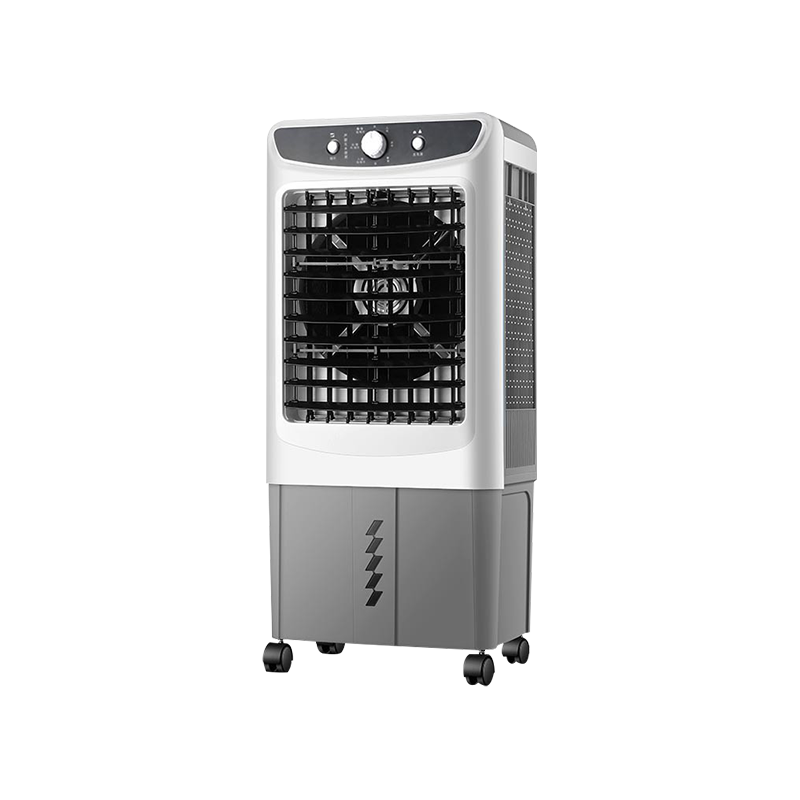
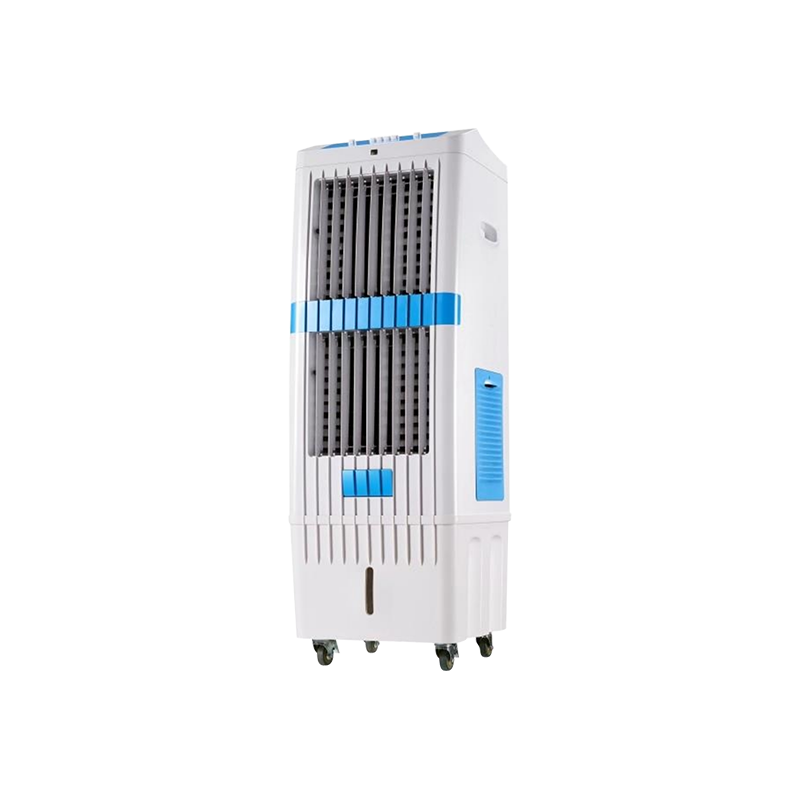
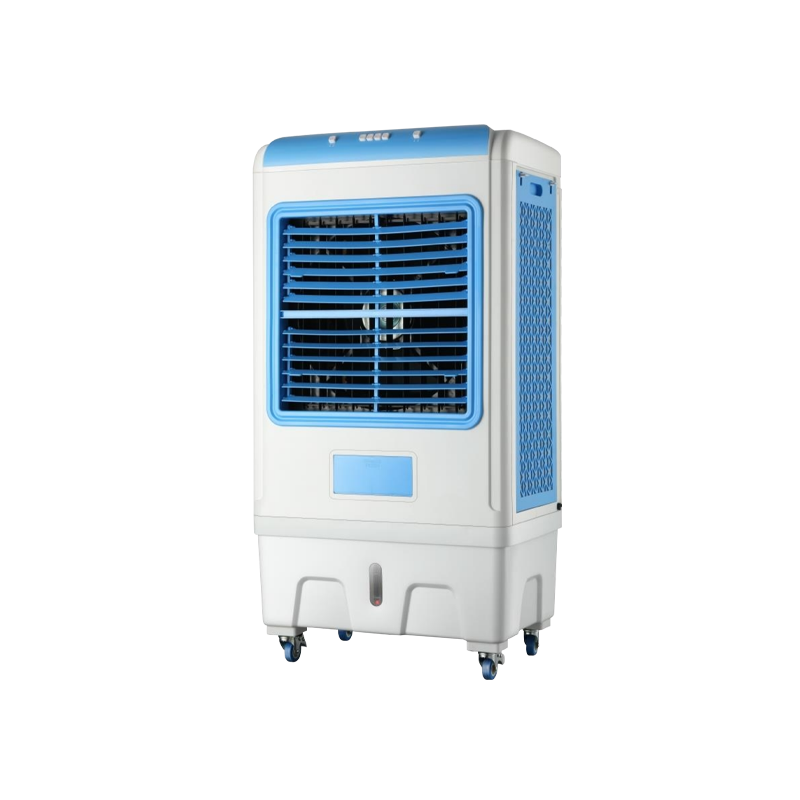
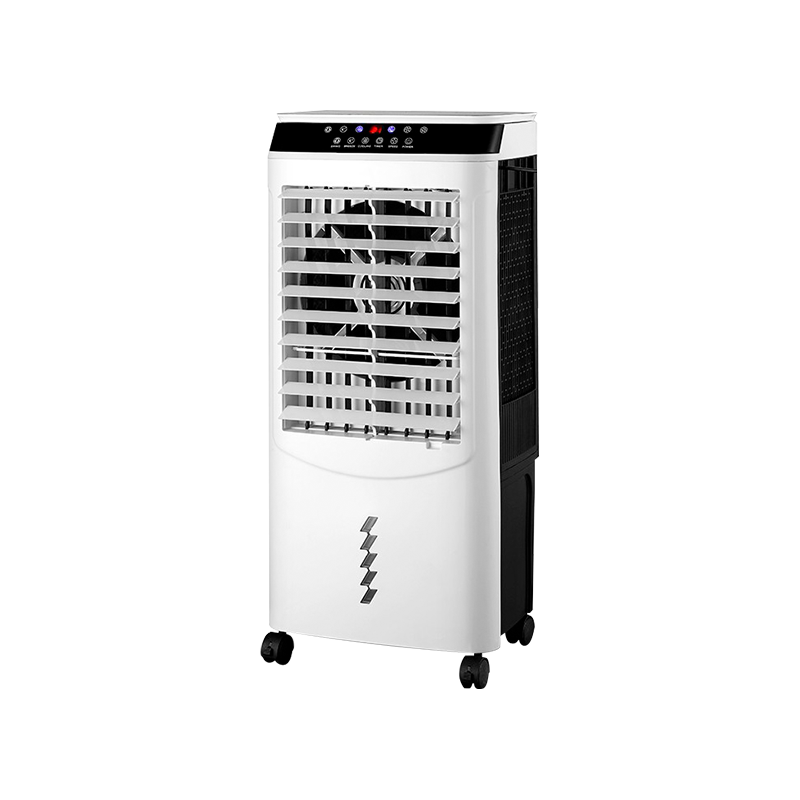
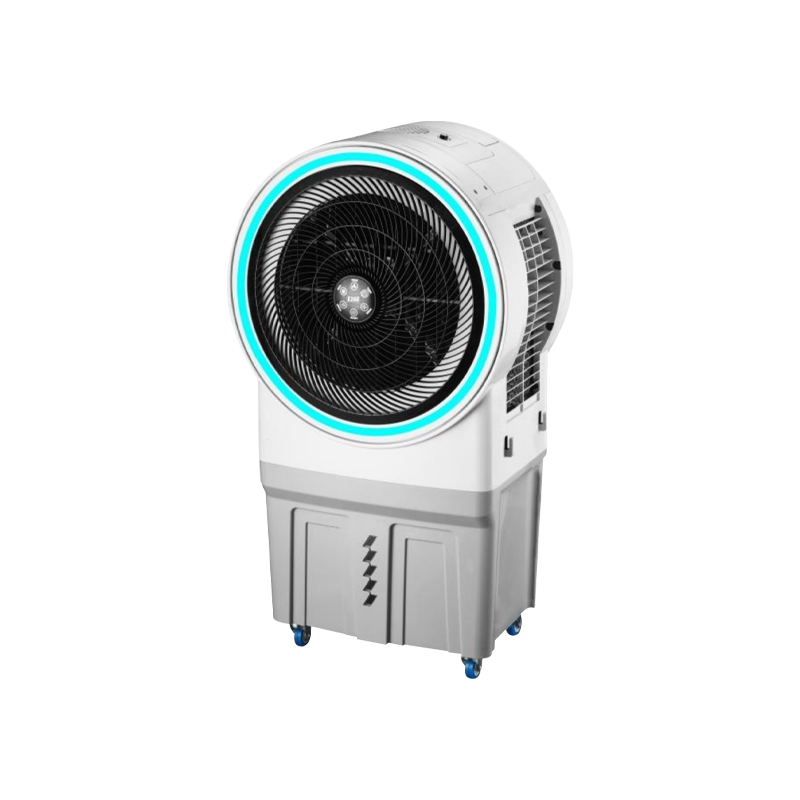
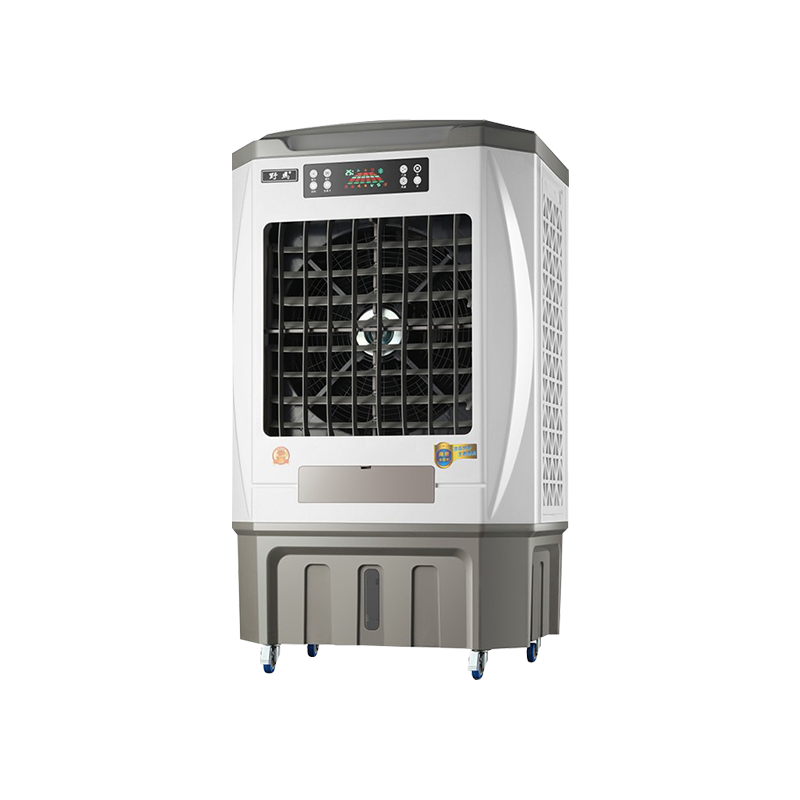
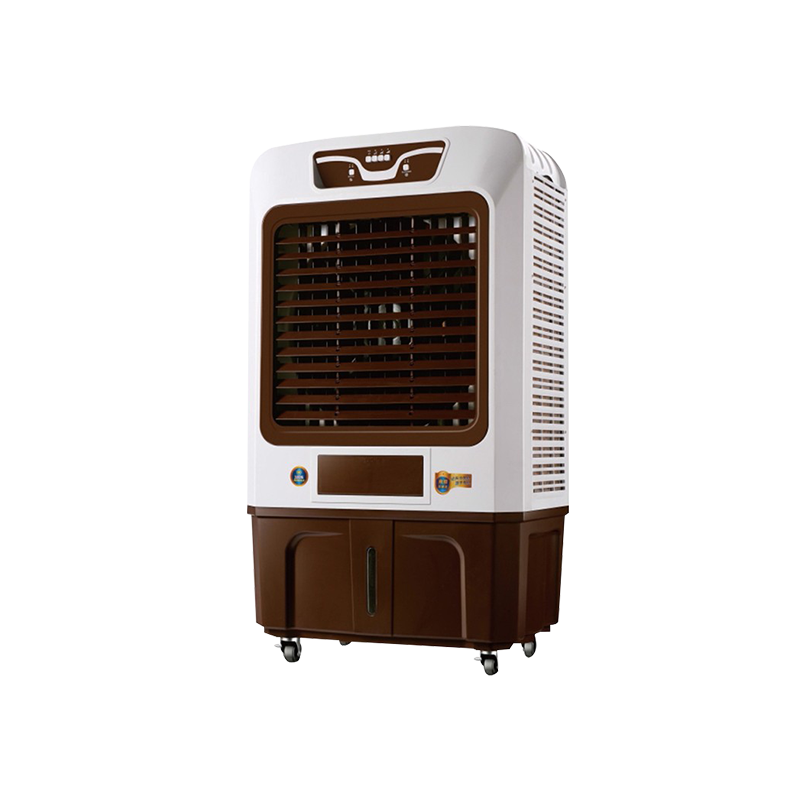
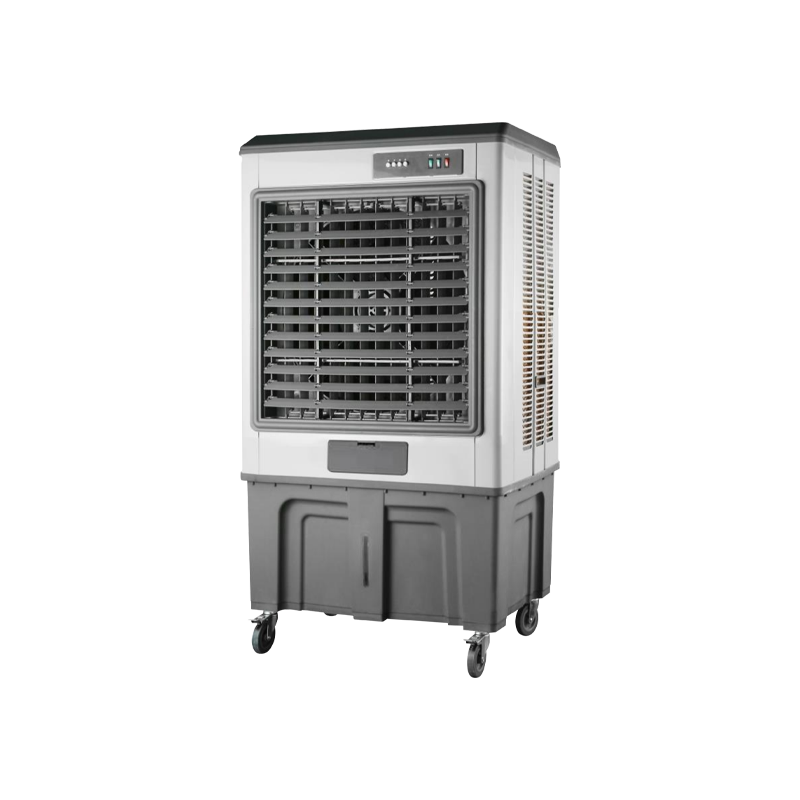
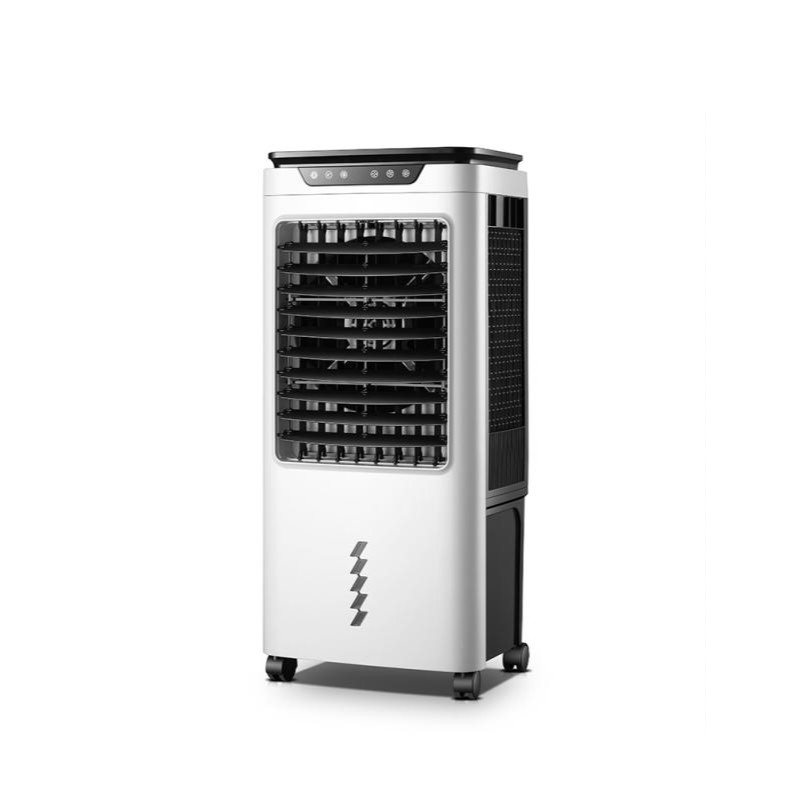
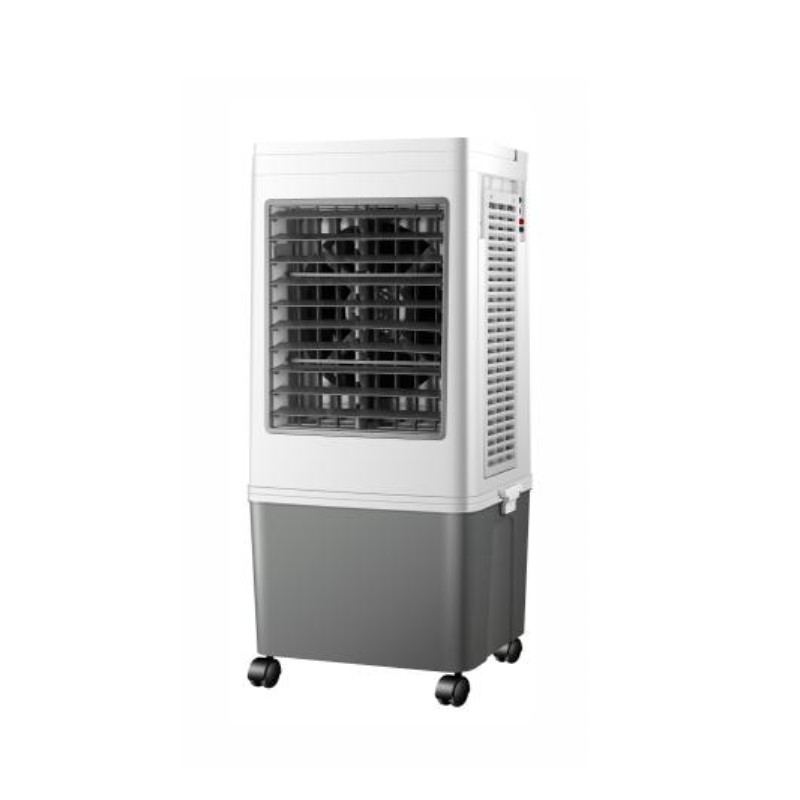
Power consumption varies widely depending on the type and size of the cooling fan. A small desktop fan may use as little as 10W–25W, while a large industrial floor-standing model can reach 200W–750W. Portable evaporative air coolers — which combine a fan motor with a water-cooling system — typically fall in the 60W–200W range depending on tank capacity and speed setting.
The table below provides a practical overview of typical wattage and estimated running costs across common cooling fan types, based on 8 hours of daily use at an electricity rate of $0.13/kWh.
| Fan Type | Typical Wattage | Daily Cost (8 hrs) | Monthly Cost (8 hrs/day) |
|---|---|---|---|
| Small Desktop Fan | 10W – 25W | $0.01 – $0.03 | $0.30 – $0.78 |
| Tower / Pedestal Fan | 40W – 100W | $0.04 – $0.10 | $1.25 – $3.12 |
| Portable Evaporative Air Cooler | 60W – 200W | $0.06 – $0.21 | $1.87 – $6.24 |
| Ceiling Fan | 15W – 75W | $0.02 – $0.08 | $0.47 – $2.34 |
| Industrial Floor Cooling Fan | 200W – 750W | $0.21 – $0.78 | $6.24 – $23.40 |
Several technical factors directly determine how much electricity a cooling fan draws during operation. Understanding these helps buyers make more informed decisions at the point of purchase.
Motor Type
The motor is the single greatest influence on energy consumption. DC (direct current) motors are significantly more efficient than traditional AC motors — they can achieve the same airflow output at lower power draw, often reducing energy use by a meaningful margin while also running more quietly. This makes DC motor fans particularly well-suited for bedrooms, offices, and spaces where both comfort and low operating costs matter.
Speed Settings and Variable Control
Running a fan at medium speed rather than maximum can reduce power consumption considerably. Models with multiple speed levels — or stepless speed control — give users the flexibility to match energy use to actual cooling needs rather than running at full capacity at all times.
Fan Size and Blade Design
Larger blade spans move more air volume but require more energy to rotate. Aerodynamically optimized blade shapes can deliver higher airflow at lower RPM, reducing the load on the motor. When comparing models, the CFM/Watt ratio (cubic feet of airflow per watt of power) is the most reliable indicator of efficiency — a higher number means more cooling output per unit of electricity.
Additional Features
Integrated features such as water-cooling systems (evaporative coolers), LED displays, ionizers, or heating elements add to total system wattage. Always refer to the total rated wattage on the product specification sheet rather than estimating from the motor rating alone.
For buyers evaluating total operational cost over a season, the contrast between a cooling fan and an air conditioner is substantial. A mid-sized window AC unit typically consumes 900W–1,440W; a central air system can draw 3,000W–5,000W. Running either unit daily through a summer generates electricity bills that dwarf the cost of even the most capable floor-standing cooling fan.
Cooling fans work differently from air conditioners — rather than lowering ambient air temperature, they create a wind-chill effect that makes occupants feel cooler by accelerating sweat evaporation. Evaporative air coolers go a step further by passing air through a water-saturated medium, which can provide genuine temperature reduction in low-humidity environments. In either case, strategically placed cooling fans can reduce the need to run air conditioning continuously, cutting overall energy expenditure across the summer season.
Whether sourcing cooling fans for retail distribution, commercial deployment, or household use, energy efficiency should be evaluated alongside airflow performance. Here are the key specifications to examine before making a purchase decision:
Even an energy-efficient cooling fan can be used more or less economically depending on how it is deployed. The following habits help keep electricity use low without sacrificing comfort.
Cooling fans are one of the most cost-effective tools available for indoor climate management, consuming only a small fraction of the electricity required by air conditioning systems. For most standard household and light commercial applications, monthly operating costs remain well under $5 — even with extended daily use.
The key to maximizing efficiency lies in choosing the right product: prioritize DC motor models with multiple speed settings and a strong CFM/Watt ratio, and look for practical features such as timers and sleep modes. Combined with smart placement and regular maintenance, a well-chosen cooling fan delivers reliable, low-cost comfort for years of continuous operation.


No.1015 Guanfu Road, Fuhai Town, Cixi City,Zhejiang,China

+86 134-8601-6220



Copyright ? Cixi Bisheng Electrical Appliance Co., Ltd. All Rights Reserved.
Wholesale Portable Air Cooler Manufacturer




 English
 中文简体
中文简体 Español