Content
For most users in dry, moderately hot, or energy-conscious environments, an air cooler is the better choice over a conventional AC. It delivers genuine temperature reduction at a fraction of the running cost, requires no installation, supplies continuous fresh air rather than recirculated indoor air, and operates without refrigerants — making it the more practical and sustainable option for households, workshops, semi-open spaces, and many commercial settings. An AC remains superior only in fully sealed indoor environments with very high humidity or extreme heat loads.
The honest answer, however, is that "better" depends on four measurable factors: climate, energy budget, space type, and intended use duration. This article breaks down each factor with real performance data and helps you decide, with confidence, which cooling solution fits your application.
Before comparing performance, it is important to understand that air coolers and air conditioners do not simply offer different price points of the same technology — they cool air using completely different physical processes, and this difference defines every other comparison that follows.
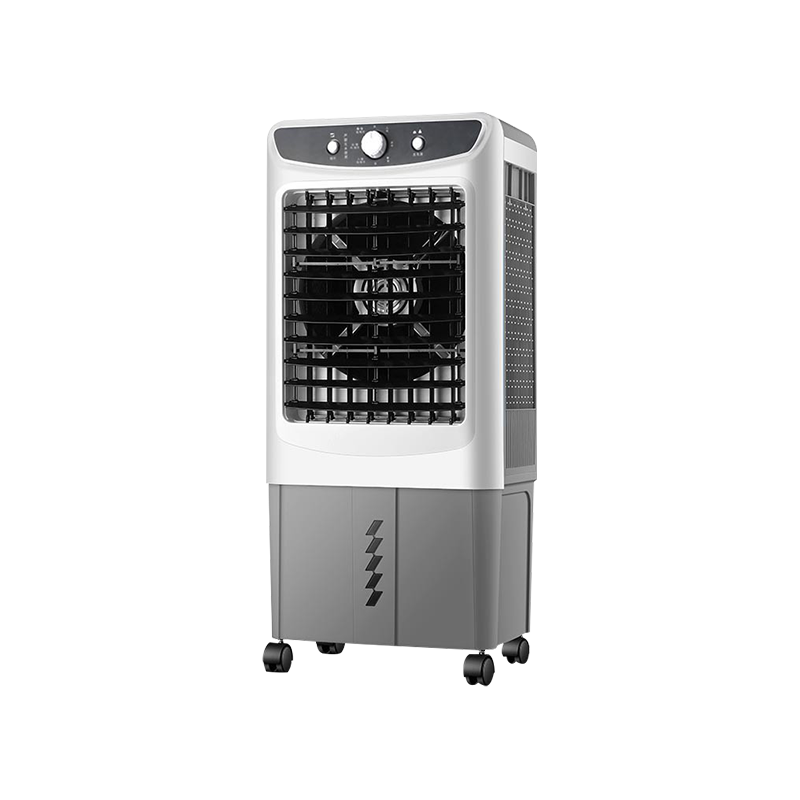
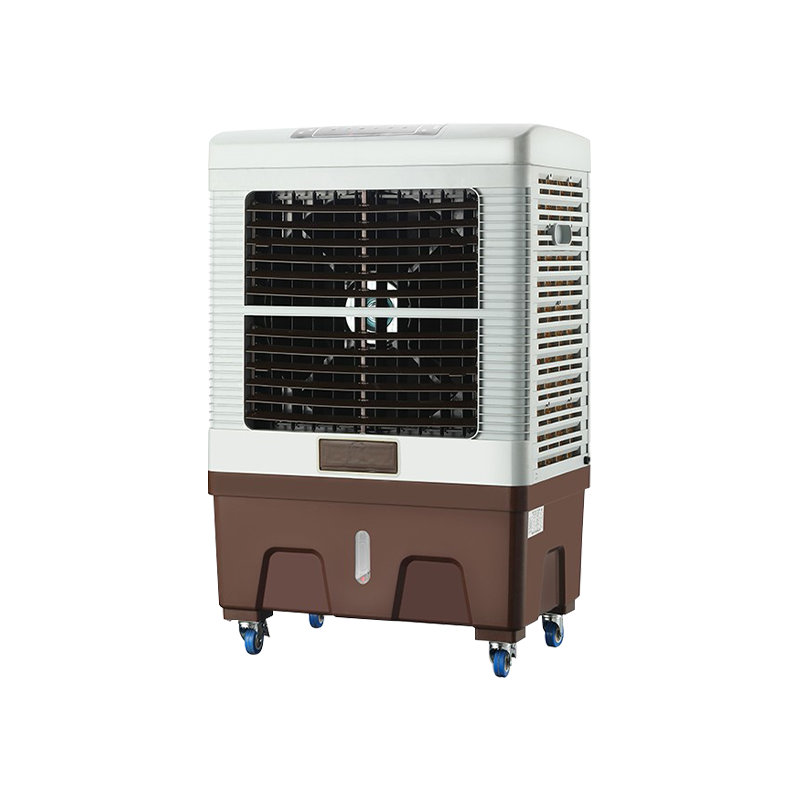
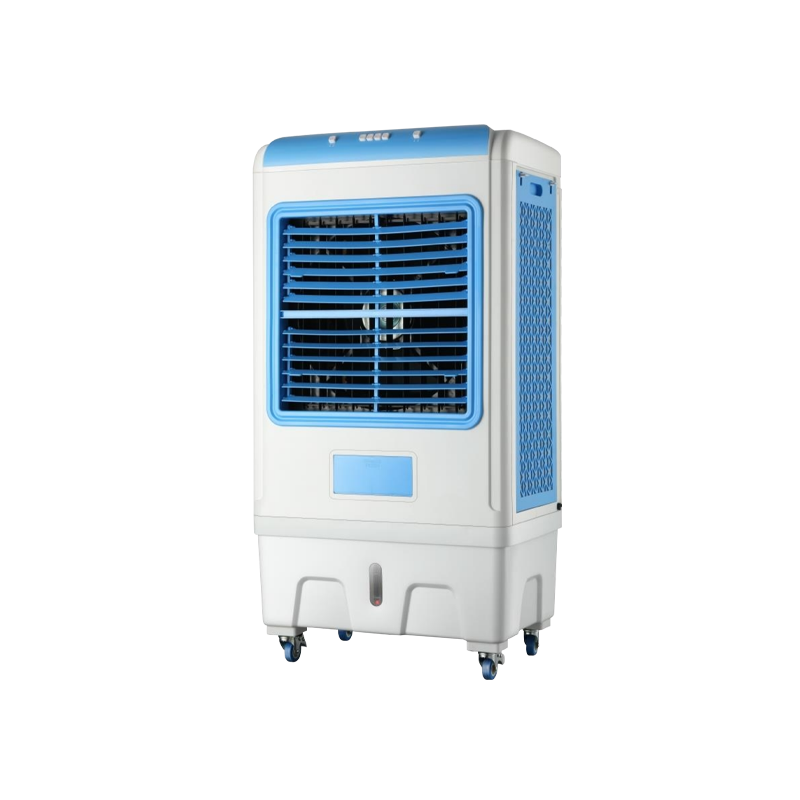
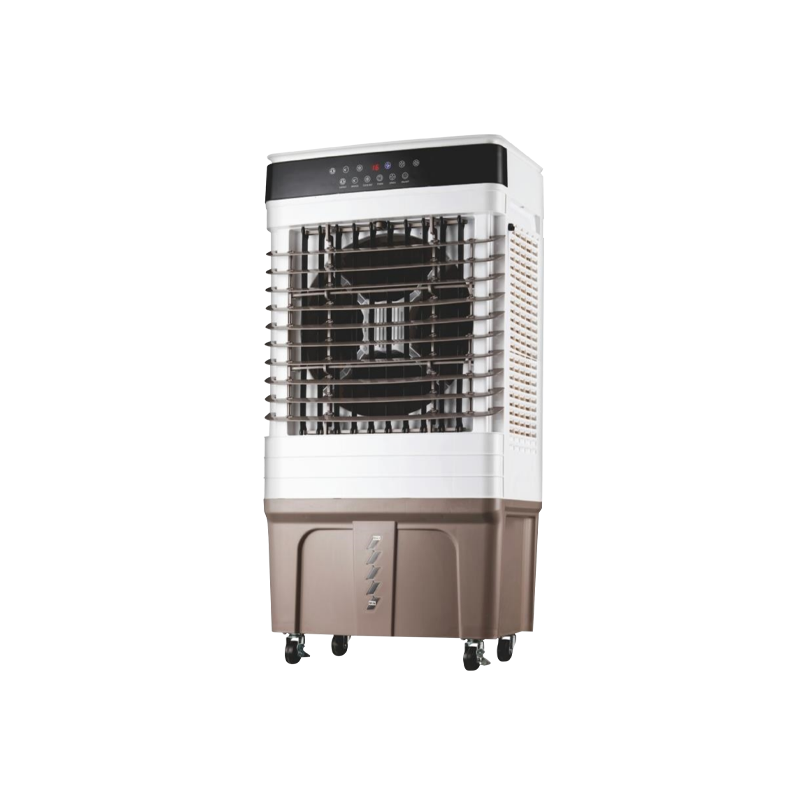
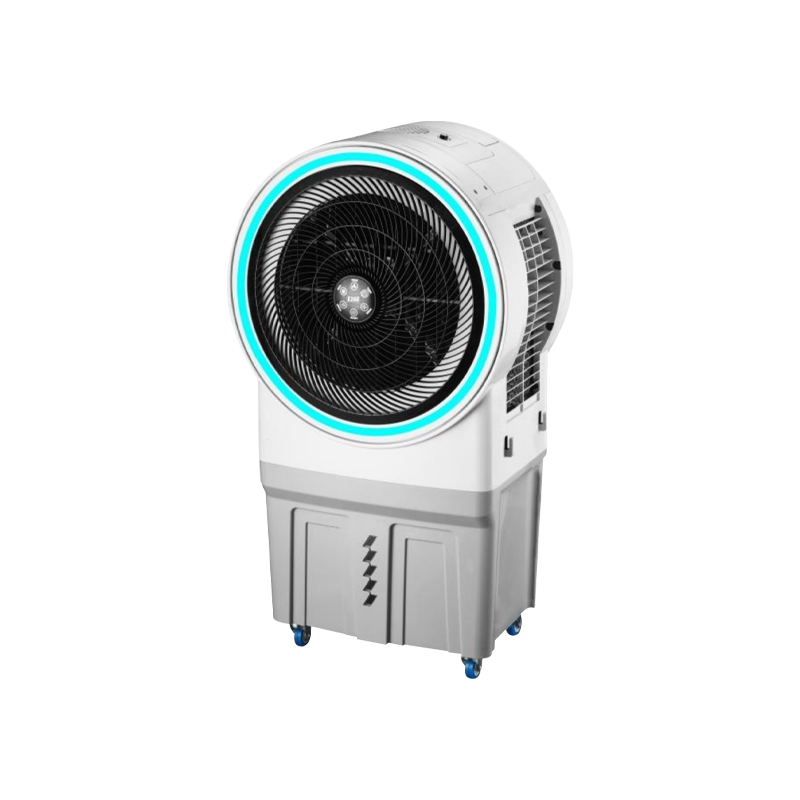
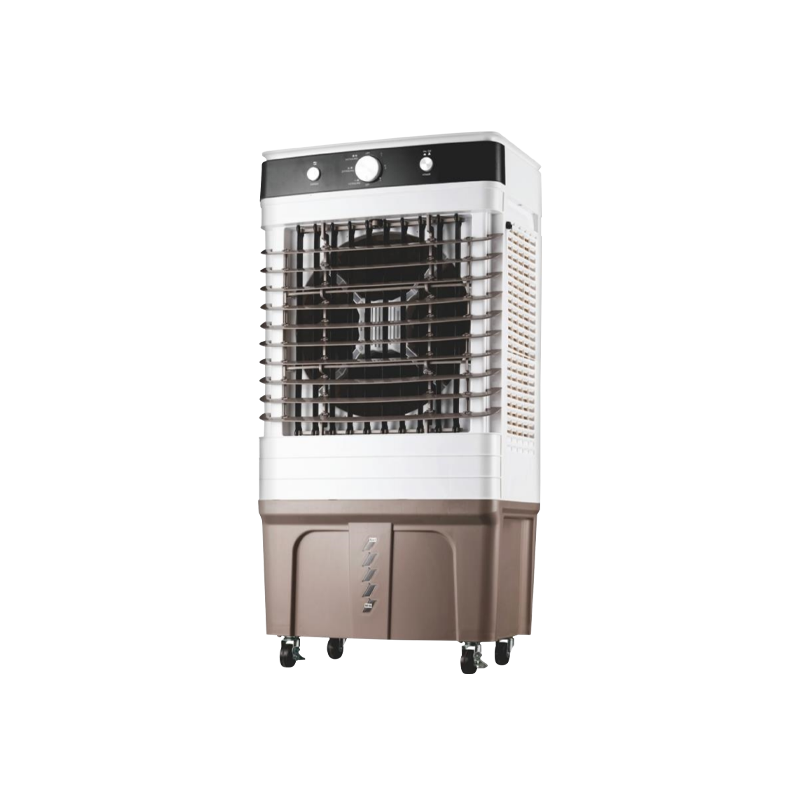
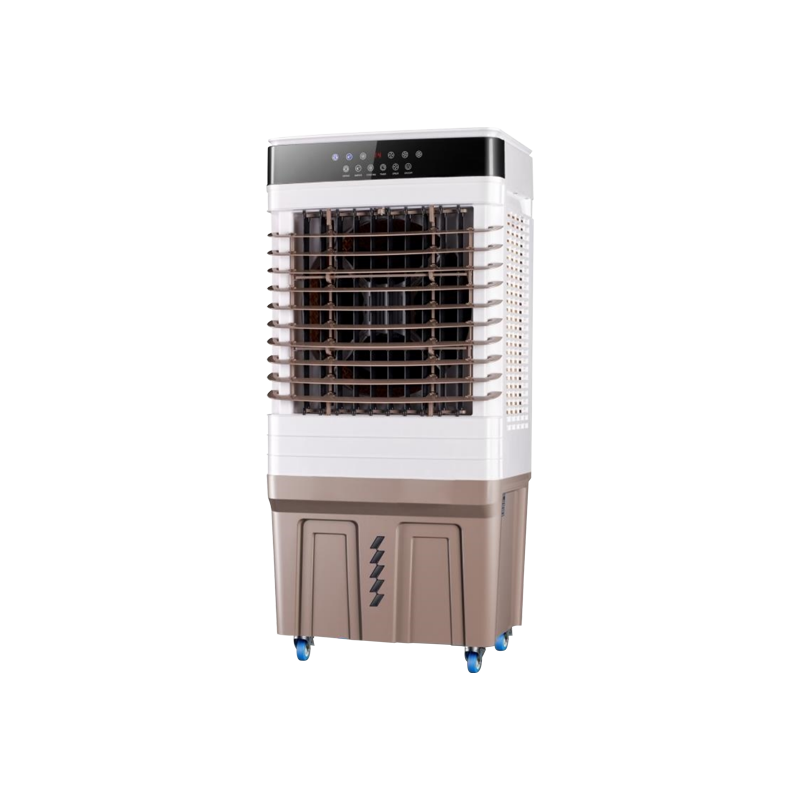
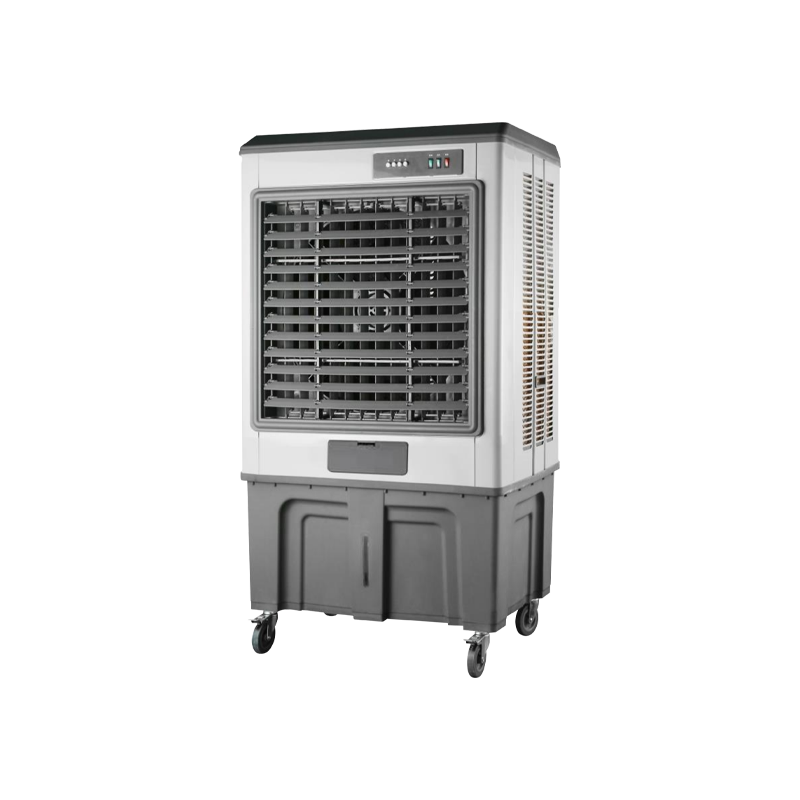
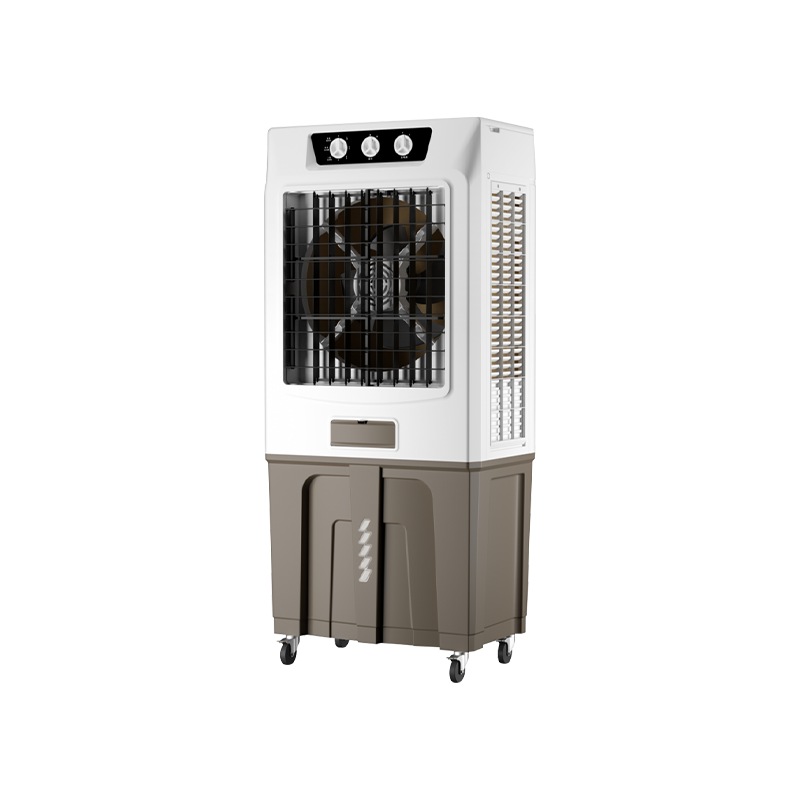
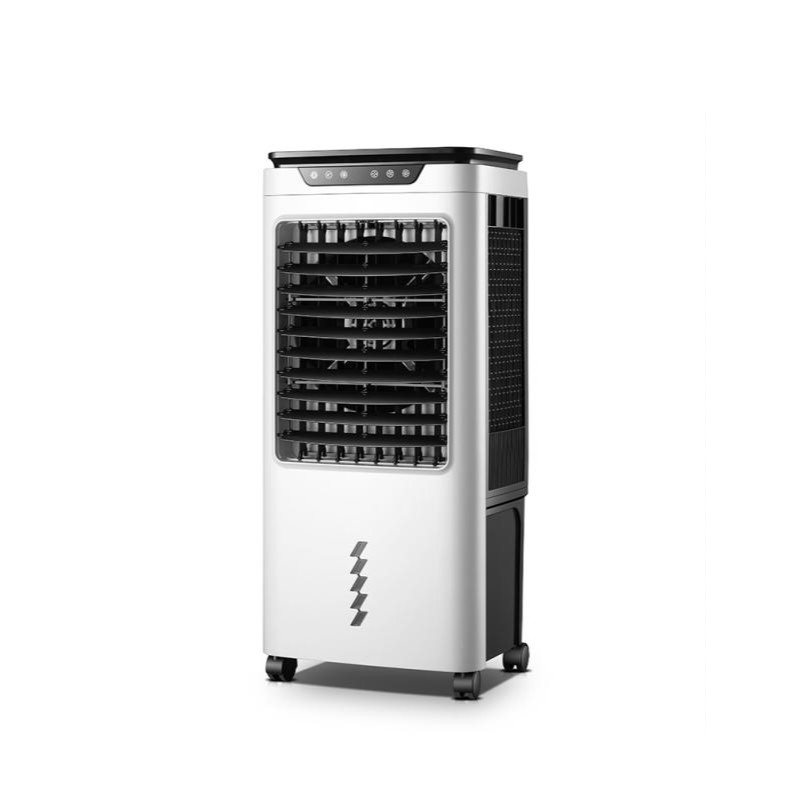
An air cooler uses evaporative cooling. A water pump saturates a cellulose or honeycomb cooling pad, and a fan draws warm outdoor air through the wet pad. As water molecules evaporate, they absorb heat energy from the airflow, releasing cooler, slightly humidified air into the room. There are no compressors, no refrigerants, and no sealed circuits.
An air conditioner, by contrast, uses a refrigerant compression cycle. A compressor pressurizes refrigerant gas, which then absorbs heat from indoor air through an evaporator coil and releases it outdoors through a condenser coil. The system is a sealed loop that actively recirculates and dehumidifies indoor air, rather than introducing fresh outdoor air.
This single technical distinction explains everything else — why air coolers cost less to run, why they need ventilation to function, why they perform best in dry climates, and why ACs are preferred for sealed, humid environments.
The table below summarizes the key practical differences buyers and procurement teams typically evaluate before choosing between the two technologies. The figures shown reflect general performance ranges for residential and light-commercial units of comparable cooling capacity.
| Evaluation Criteria | Air Cooler | Air Conditioner |
|---|---|---|
| Typical Power Consumption | 60 – 200 W | 900 – 2,500 W |
| Temperature Drop Capability | 8 – 15 °C (in dry air) | 15 – 25 °C (any climate) |
| Best Operating Humidity | Below 60% RH | Any humidity level |
| Installation Requirement | Plug-and-use, fully portable | Professional installation, fixed |
| Air Quality Mode | Fresh outdoor air supply | Recirculated, sealed indoor air |
| Refrigerant Use | None (water only) | Yes (R32, R410A, etc.) |
| Maintenance | Pad rinsing, water refill | Annual professional servicing |
| Suitable for Open / Semi-Open Spaces | Yes | No — fully sealed rooms only |
The pattern is clear: an air cooler typically uses around one-tenth the electricity of a comparable AC for similar perceived comfort in suitable climates, while an AC delivers stronger temperature reduction regardless of outdoor conditions. The question is not which technology is universally superior, but which one matches your specific cooling environment.
There are several environments where an air cooler will consistently outperform — or simply make more practical sense than — an air conditioner. These are the scenarios where buyers, distributors, and facility managers should default toward an evaporative solution.
In regions where summer relative humidity stays below 60% — including most of the Middle East, North Africa, inland Australia, Southern Europe, and large parts of South Asia — an air cooler reaches its peak efficiency. The drier the incoming air, the more water it can absorb, and the greater the temperature drop the unit delivers. In these climates, an air cooler can rival AC comfort levels at a fraction of the energy cost.
For households or businesses running cooling 8 to 12 hours a day across the summer, the electricity differential between an air cooler and an AC quickly becomes the single largest cost factor. In markets with high tariffs or frequent power fluctuations, the lower load of an air cooler also reduces strain on backup generators and solar systems, making it the more resilient choice.
Warehouses, workshops, garages, gymnasiums, outdoor restaurant patios, exhibition halls, and shopping mall walkways all share one trait: they cannot be sealed. ACs lose nearly all of their effectiveness in such spaces because the cooled air escapes faster than the system can replace it. Air coolers, however, are designed to function with airflow — they thrive on continuous ventilation and can cool entire open zones efficiently.
Rental properties, seasonal businesses, event spaces, and temporary worksites benefit from a cooling solution that can be wheeled from room to room or location to location. With manufacturing experience supplying portable air coolers to more than twenty countries across Europe, the Americas, Southeast Asia, and Africa, our product line is engineered around exactly this kind of practical flexibility — different tank capacities, wattages, and form factors for different deployment scenarios.
Air coolers are not a universal solution, and being honest about their limitations builds long-term buyer trust. There are specific use cases where an AC clearly outperforms an air cooler, and these should be acknowledged before recommending either technology.
In some of these cases, a hybrid setup — using an air cooler for general-purpose cooling and a smaller AC for sealed zones — actually delivers the most cost-effective result, combining the strengths of both technologies.
Upfront purchase cost is only part of the story. For any cooling decision intended to last multiple seasons, the total cost of ownership — including electricity, installation, and maintenance — paints a far more accurate picture than the sticker comparison.
A portable air cooler typically draws between 60 and 200 watts, depending on tank size and fan speed. A residential split AC of comparable cooling impression draws between 900 and 2,500 watts. Over a full summer season of daily use, this translates into substantial cumulative savings on electricity. Air coolers also avoid installation labor, do not require annual refrigerant servicing, and use only consumable parts — pads and occasionally a pump — that are inexpensive to replace.
For procurement teams sourcing units at scale — for housing developments, factory dormitories, hospitality chains, or distribution networks — the operational savings often outweigh the per-unit purchase cost within the first cooling season, particularly in regions with high electricity tariffs.
Rather than picking a side, the most practical approach is to evaluate your situation against a short decision framework. The steps below cover the variables that matter most in practice:
Walking through these five questions usually narrows the decision quickly. For most users globally — particularly in the dry-to-moderate humidity belt that covers much of the world's hot climates — the answer points clearly toward an air cooler as the better-value, more sustainable choice.
So, is an air cooler better than an AC? For most real-world summer cooling needs outside fully sealed, humid environments, yes. Air coolers deliver meaningful temperature reduction, supply continuous fresh air, eliminate refrigerant use, run at roughly one-tenth the energy load of an AC, and require no installation — a combination that fits the requirements of households, semi-commercial spaces, and industrial environments across a wide range of global markets.
For sealed, humid indoor spaces with high heat loads, an AC remains the right tool for the job. And for buyers who fall somewhere in the middle, a thoughtful combination of both technologies often produces the best result. The most useful question is not "which is better in general," but "which is better for the climate, space, and budget I actually have" — and answering that honestly is what leads to a cooling investment that performs reliably, season after season.


No.1015 Guanfu Road, Fuhai Town, Cixi City,Zhejiang,China

+86 134-8601-6220



Copyright ? Cixi Bisheng Electrical Appliance Co., Ltd. All Rights Reserved.
Wholesale Portable Air Cooler Manufacturer




 English
 中文简体
中文简体 Español