Content
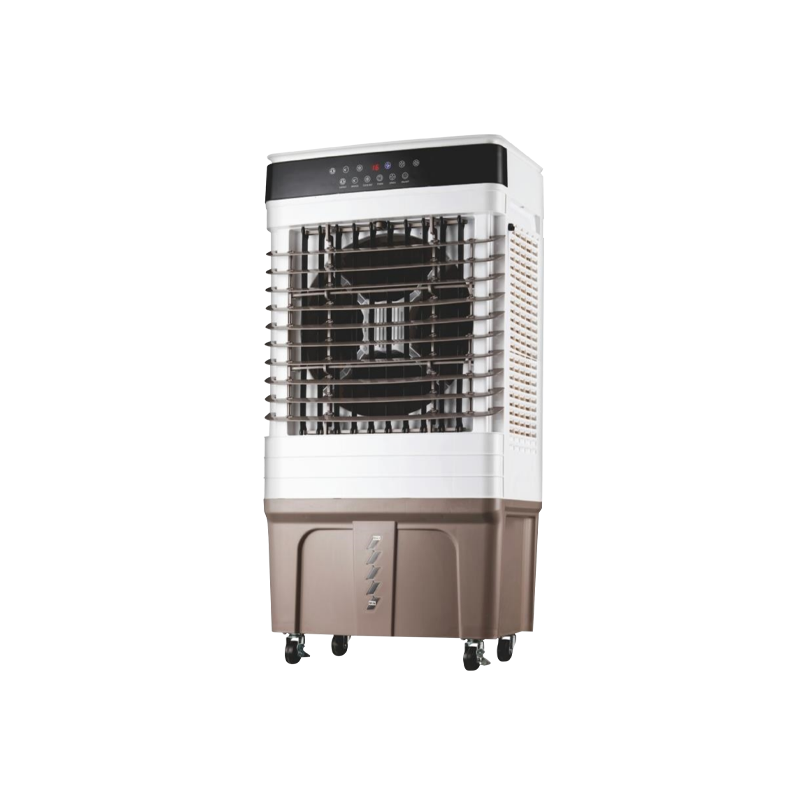
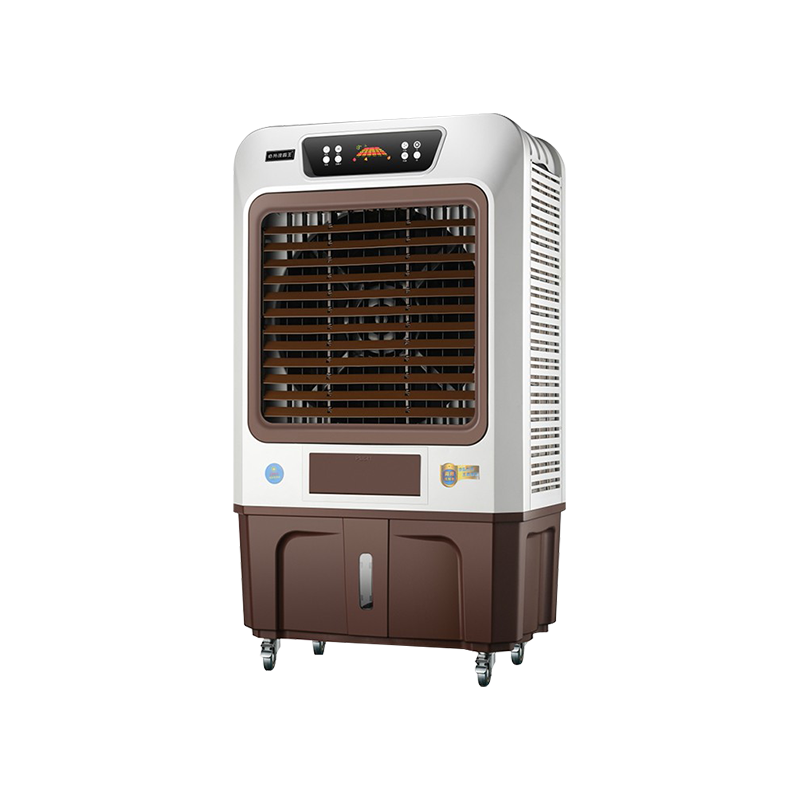
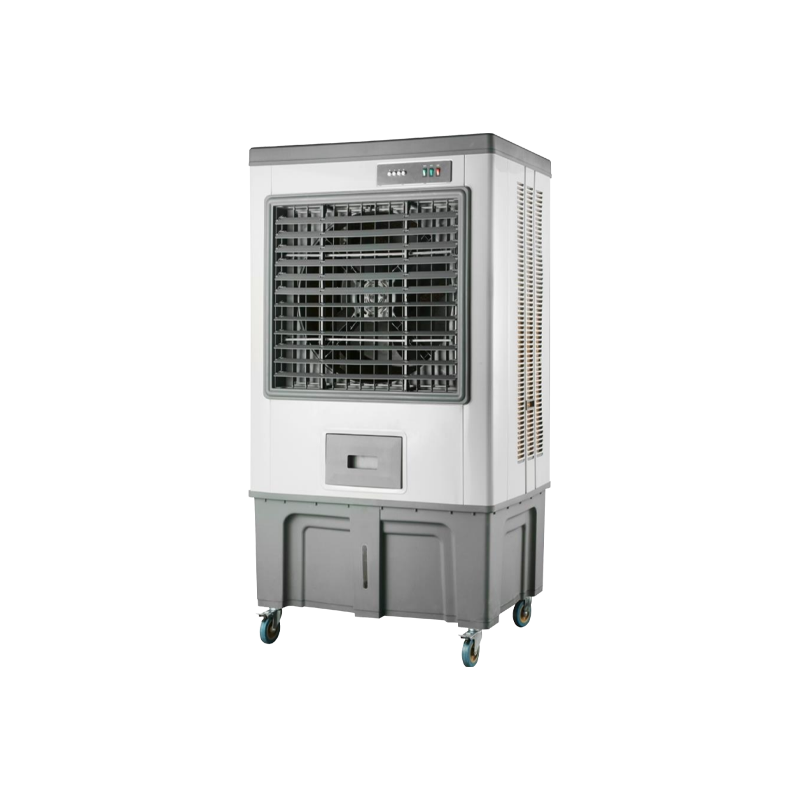
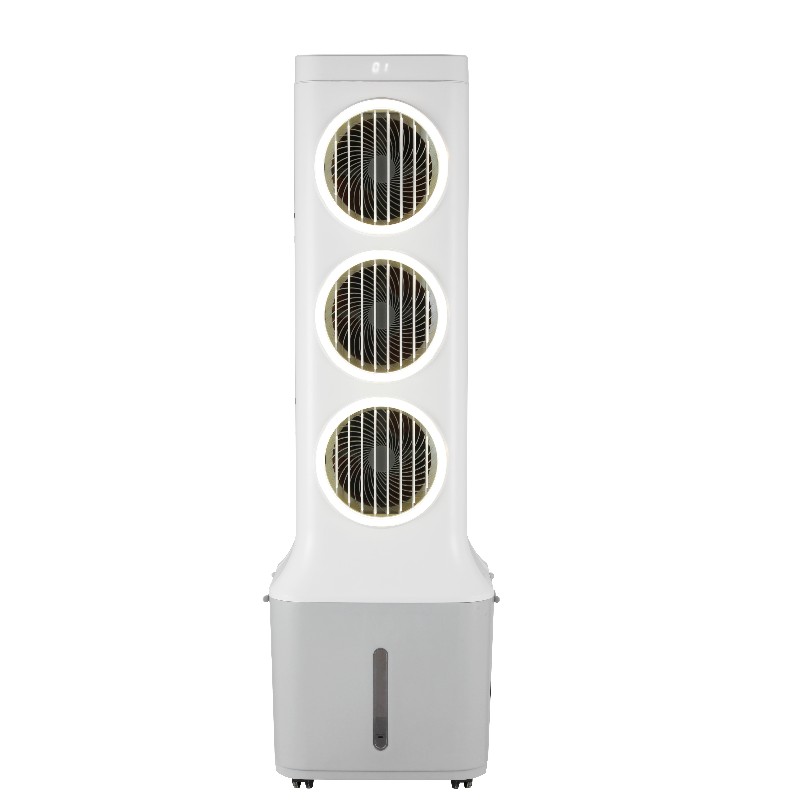
Yes — cooling fans genuinely work, and the results are measurable across a wide range of commercial environments. Modern evaporative cooling fans, in particular, go far beyond simple air circulation: they use the natural process of water evaporation to physically reduce ambient air temperature, while simultaneously improving humidity levels and air quality. For high-traffic spaces such as factory workshops, warehouses, shopping malls, outdoor restaurants, gymnasiums, exhibition halls, and internet cafes, they represent one of the most energy-efficient and cost-effective cooling solutions available today.
This article explains exactly how evaporative cooling fans work, how much temperature reduction you can realistically expect, which commercial environments benefit most, and what to look for when selecting a unit for your business.
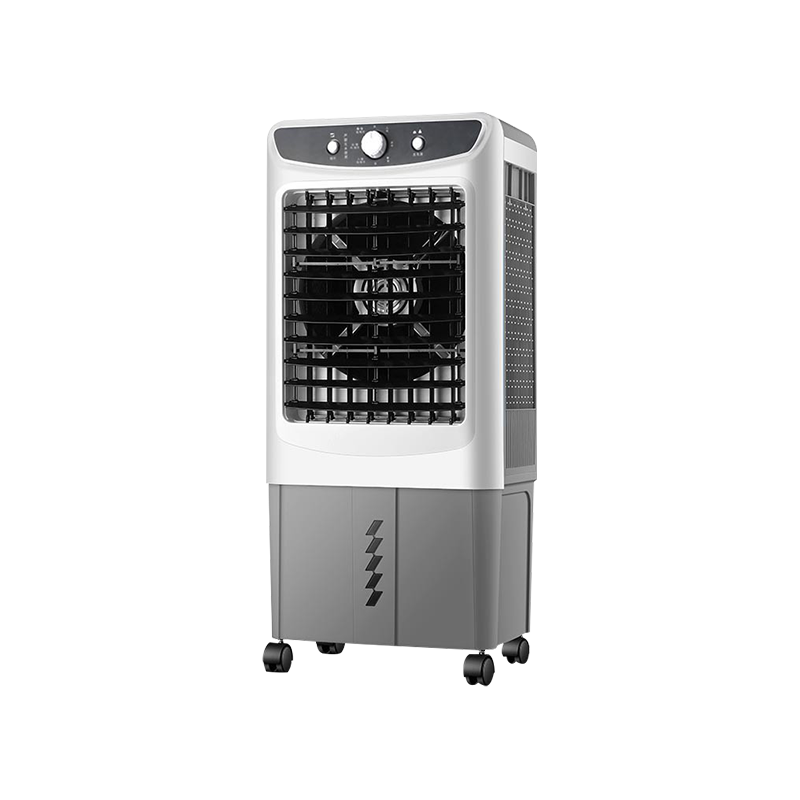
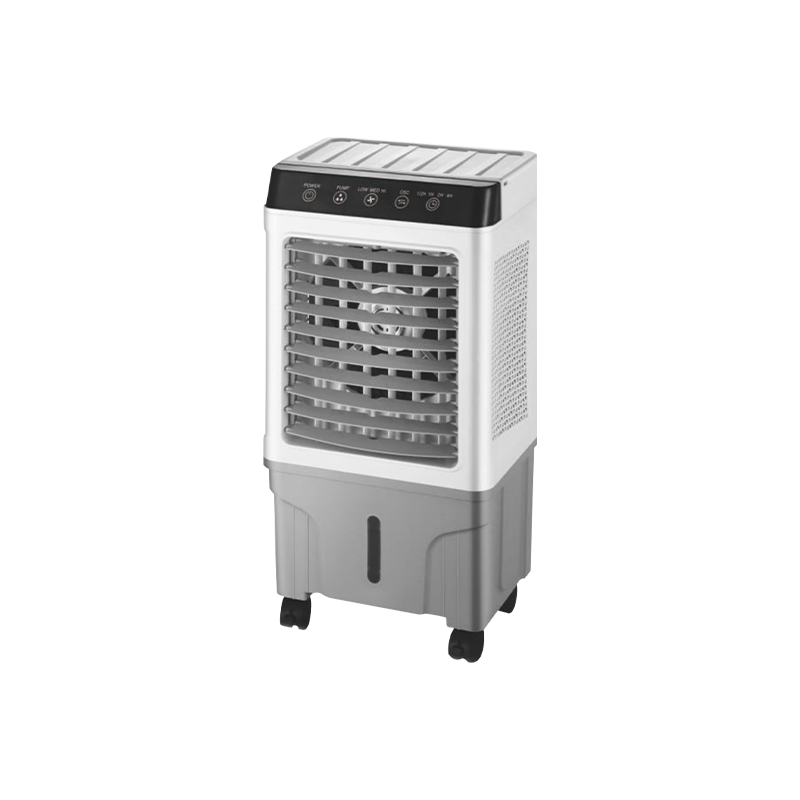
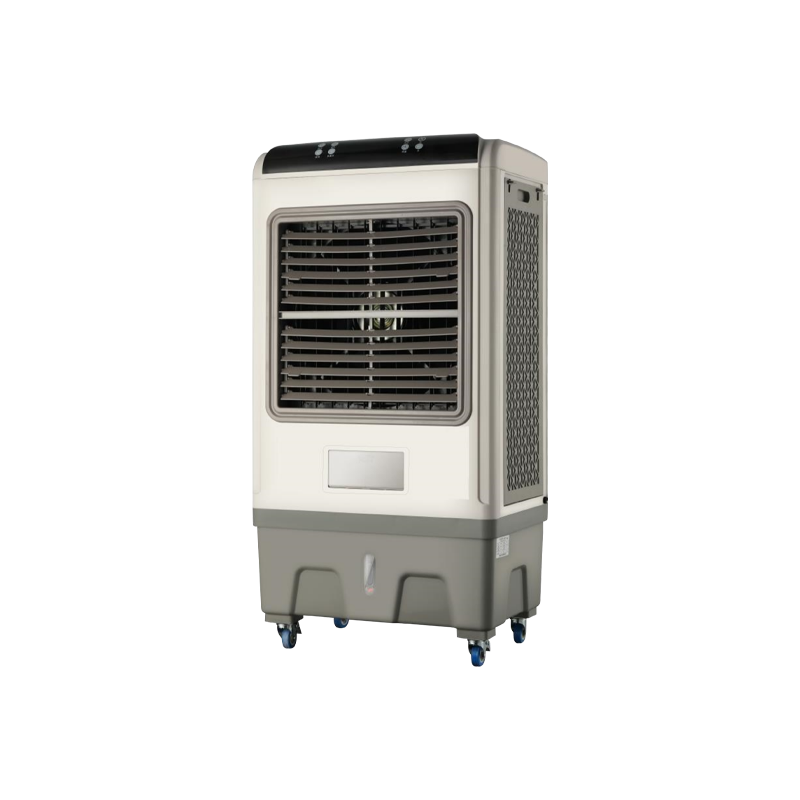
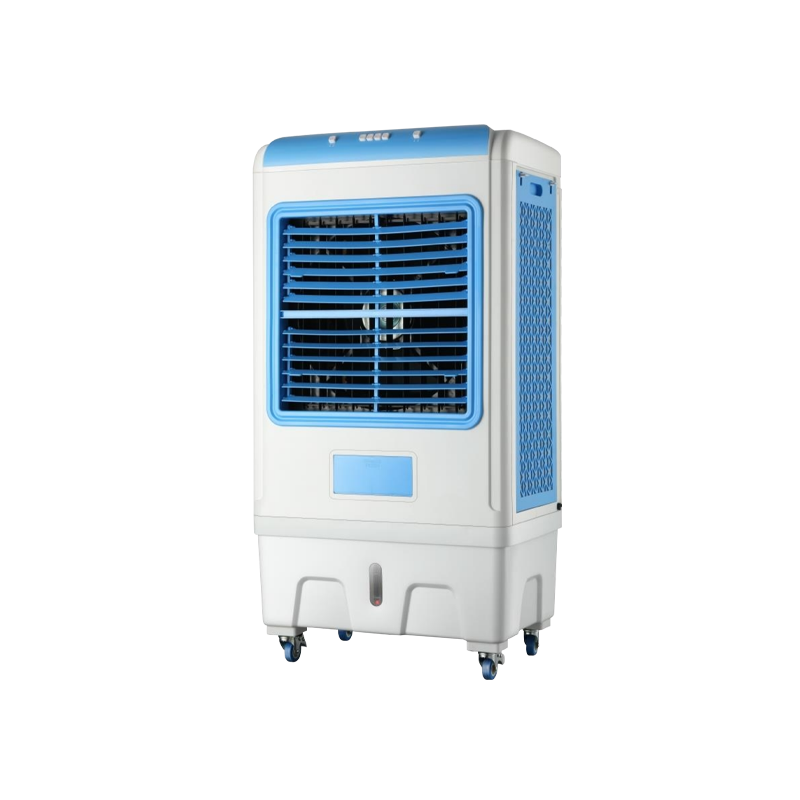
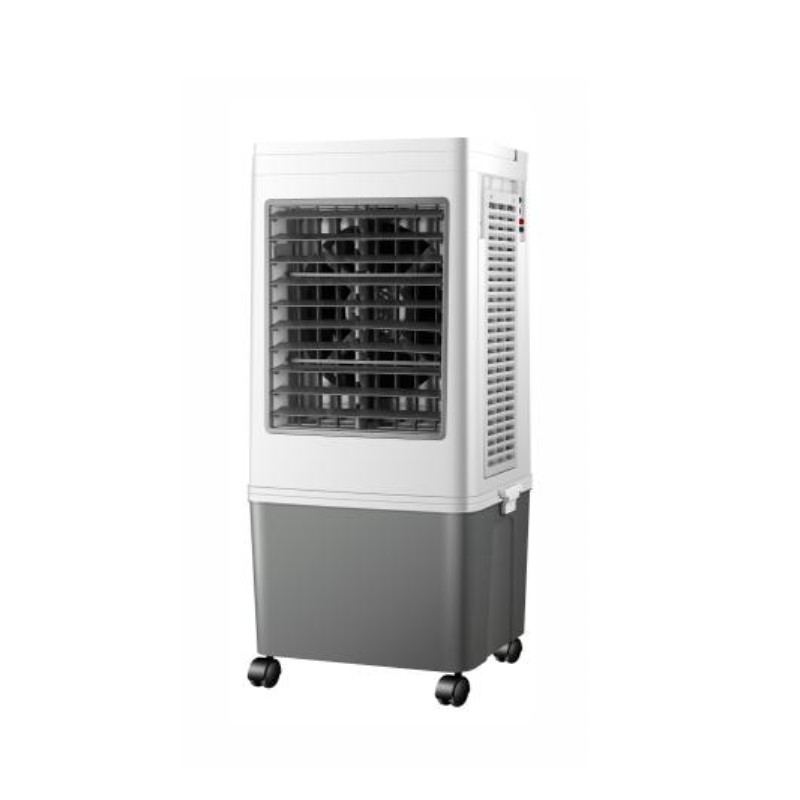
The core mechanism of an evaporative cooling fan is based on a fundamental principle of physics: when water evaporates, it absorbs heat from the surrounding air, causing the air temperature to drop. In a well-designed evaporative cooler, warm ambient air is drawn through a water-saturated wet curtain pad. As the air passes through, water molecules evaporate and extract thermal energy from the airflow, discharging cooler, fresher air into the environment.
This is entirely different from how a standard desk fan operates. A desk fan simply moves existing warm air around, creating a wind-chill sensation on the skin without reducing actual air temperature. An evaporative cooling fan, by contrast, delivers a genuine reduction in ambient air temperature — typically between 8°C and 15°C (14°F–27°F) in low-to-moderate humidity conditions — making the environment measurably cooler for everyone in the space, not just those standing directly in front of the unit.
A key advantage of this technology is its 3-in-1 functionality: beyond cooling, the evaporation process naturally adds moisture to dry air (reducing the discomfort of air-conditioning sickness common in sealed environments), and the wet curtain fibers act as a filtration layer — capturing airborne dust particles and contaminants before the air is discharged. The result is an environment that is not only cooler, but also more comfortable and cleaner to breathe.
Performance varies by environment, but the table below provides a practical reference for expected cooling output across typical commercial and industrial settings:
| Environment | Typical Humidity Level | Expected Temp Reduction | Recommended Setup |
|---|---|---|---|
| Factory Workshop / Warehouse | Low–Medium (30%–55% RH) | 10°C – 15°C | Multiple units with cross-ventilation |
| Outdoor Restaurant / Open-Air Venue | Variable (30%–65% RH) | 8°C – 12°C (felt) | Portable units positioned toward seating areas |
| Gymnasium / Sports Hall | Medium (45%–65% RH) | 6°C – 10°C | High-airflow units along perimeter walls |
| Shopping Mall / Exhibition Hall | Controlled (40%–60% RH) | 5°C – 10°C | Supplement to central HVAC during peak hours |
| Internet Cafe / Office Space | Low–Medium (35%–55% RH) | 8°C – 12°C | Single unit per zone, low-noise mode preferred |
It is worth noting that evaporative cooling fans perform best in semi-open or naturally ventilated spaces. In fully enclosed rooms with no air exchange, both humidity and temperature tend to rise over time, which reduces effectiveness. Ensuring adequate ventilation — either through open windows, doors, or exhaust fans — is essential to sustaining optimal cooling output.
For businesses managing large or open environments, full air conditioning is often either impractical or prohibitively expensive to operate continuously. Evaporative cooling fans fill this gap effectively. Here is why they have become the preferred solution across factories, retail spaces, and event venues worldwide:
Not all evaporative cooling fans are built to the same standard. For B2B procurement teams and facility managers sourcing units for commercial deployment, the following specifications have the most direct impact on long-term reliability and cooling performance:
The motor is the single most critical component affecting both performance and service life. Pure copper-wound motors deliver superior electrical efficiency, better heat dissipation, and significantly longer operational lifespans compared to aluminum-wound alternatives — an important consideration for units running continuously in high-temperature environments such as warehouses and factory floors.
Water tank capacity directly determines how long the unit can operate before requiring a refill. For commercial applications with extended operating hours, larger water tanks — in the range of 36L to 120L — are strongly preferable. A well-designed large-capacity unit can operate continuously for several hours without interruption, reducing the staff time required for maintenance during busy periods.
Airflow is measured in cubic meters per hour (m³/h). As a practical guideline, a unit with an airflow rating of 4,500 m³/h is appropriate for spaces of approximately 25–40 m², while high-capacity floor-standing units rated above 10,000 m³/h are suitable for large open areas such as warehouses, gymnasiums, and exhibition halls. Always match the airflow specification to the actual floor area — undersizing by even 30% results in uneven coverage and reduced perceived cooling, particularly in zones with concentrated heat sources or high occupancy.
For commercial environments, operational flexibility is essential. Three-speed wind adjustment allows operators to balance cooling intensity against energy consumption depending on time of day and occupancy levels. An intelligent temperature control system that automatically adjusts operating mode based on indoor and outdoor temperature differential adds further energy savings. Remote control and programmable timer functions reduce the need for manual intervention — particularly valuable in large facilities or multi-zone deployments where staff coverage is limited.
In customer-facing environments such as restaurants, shopping malls, and internet cafes, noise level is a critical purchasing criterion. Units equipped with low-noise motor design and optimized air duct geometry maintain effective airflow while keeping operational sound levels within acceptable limits for occupied commercial spaces. A compact, lightweight structure with integrated wheels enables repositioning without requiring additional equipment or personnel.
Several persistent misunderstandings cause buyers to underestimate or incorrectly evaluate cooling fan performance. Addressing these directly helps procurement teams make better-informed decisions:
Evaporative cooling fans are a proven, commercially mature technology that delivers genuine ambient temperature reductions across a wide range of real-world environments. From factory workshops enduring summer heat loads to outdoor restaurant terraces seeking to extend the comfortable dining season, from gymnasiums requiring consistent ventilation to exhibition halls managing high visitor density — the cooling fan's combination of physical effectiveness, low energy consumption, and operational simplicity makes it one of the highest-value cooling investments available at commercial scale.
The key to realizing that value lies in selecting the right product for the specific application: matching airflow capacity to floor area, choosing a motor built for continuous commercial operation, and configuring the deployment with adequate ventilation. When those conditions are met, the question is not whether cooling fans work — it is how much energy and operational cost they will save compared to the alternatives.
Adhering to the principle of green, energy-saving, innovation and high efficiency, leading evaporative cooling fan manufacturers continue to refine product design — improving wet curtain filtration systems, optimizing motor efficiency, and expanding smart control capabilities — to ensure that commercial buyers receive both reliable performance and long-term operational value from every unit deployed.


No.1015 Guanfu Road, Fuhai Town, Cixi City,Zhejiang,China

+86 134-8601-6220



Copyright ? Cixi Bisheng Electrical Appliance Co., Ltd. All Rights Reserved.
Wholesale Portable Air Cooler Manufacturer




 English
 中文简体
中文简体 Español