Content
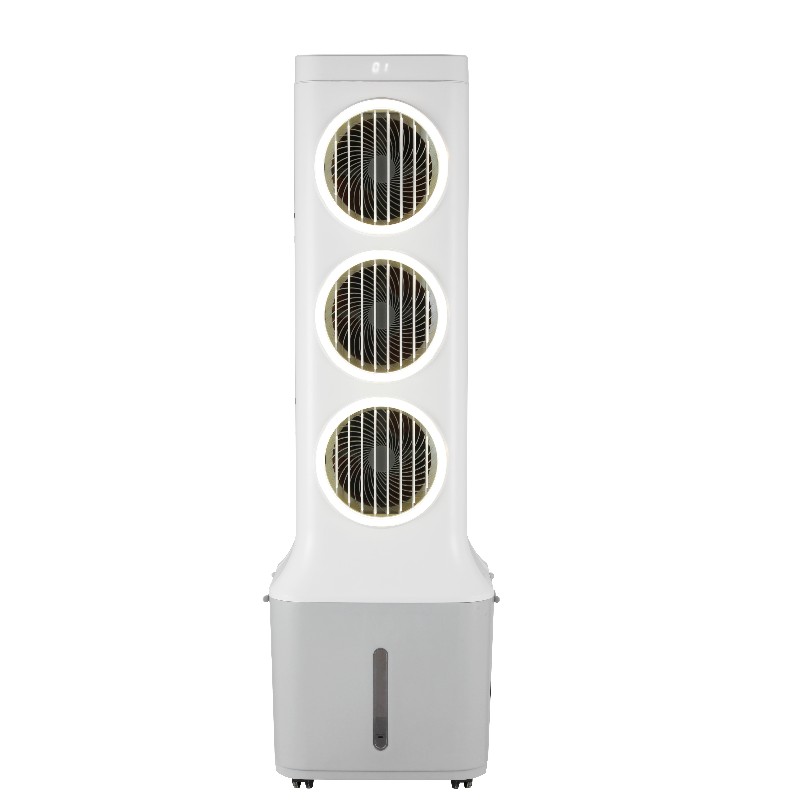
Yes — air coolers are a genuinely effective cooling solution for summer, particularly in dry or low-humidity climates. They work by drawing warm air through water-saturated cooling pads, using the natural process of evaporation to lower air temperature before circulating it into your living or working space. The result is a steady flow of cooler, fresher air that can make a real difference during the hottest months of the year.
More importantly, air coolers achieve this cooling effect at a fraction of the energy cost of a conventional air conditioning system — making them one of the most practical and sustainable choices for residential users, small businesses, and large-scale commercial operations alike. But like any cooling technology, their performance depends on the right conditions and proper usage. This article covers everything you need to know to decide whether an air cooler is right for your summer needs.
Understanding how an air cooler functions helps explain why it performs well in certain conditions and less so in others. The core principle is evaporative cooling — a natural thermodynamic process that has been used for centuries, from ancient wind-catchers to modern high-efficiency evaporative units.
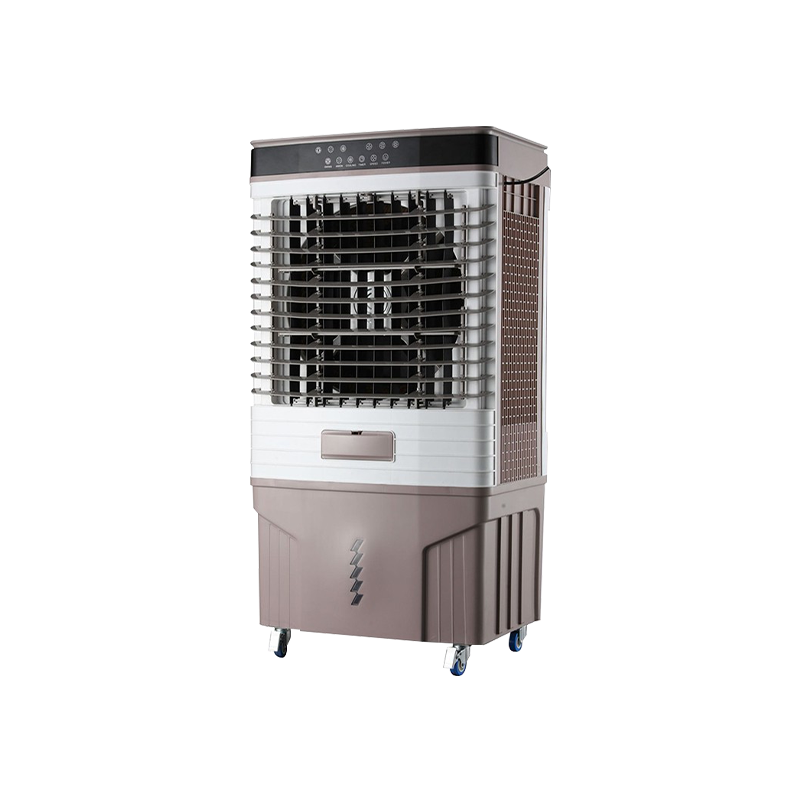
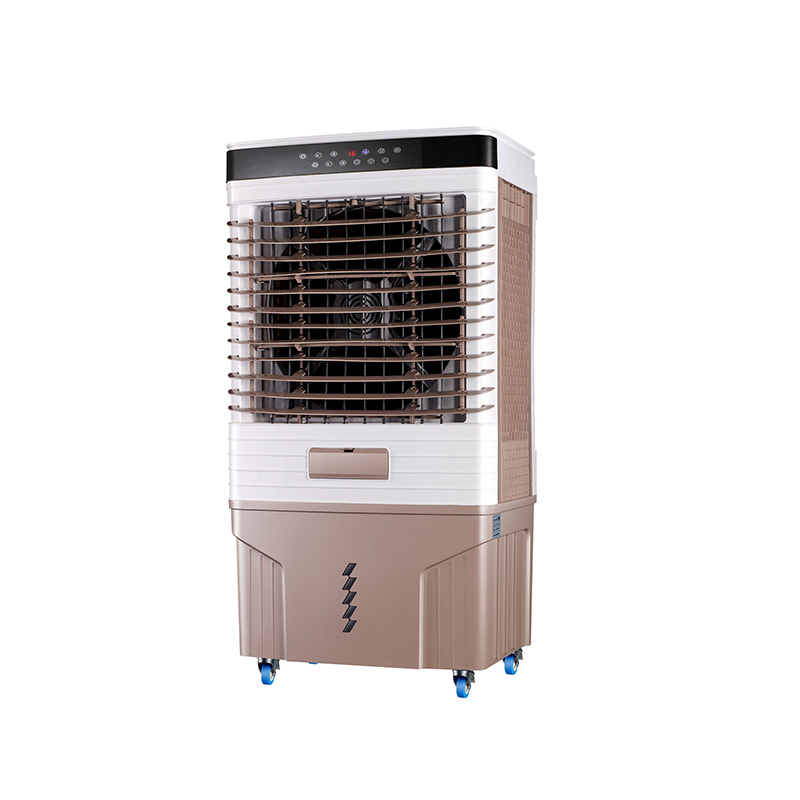
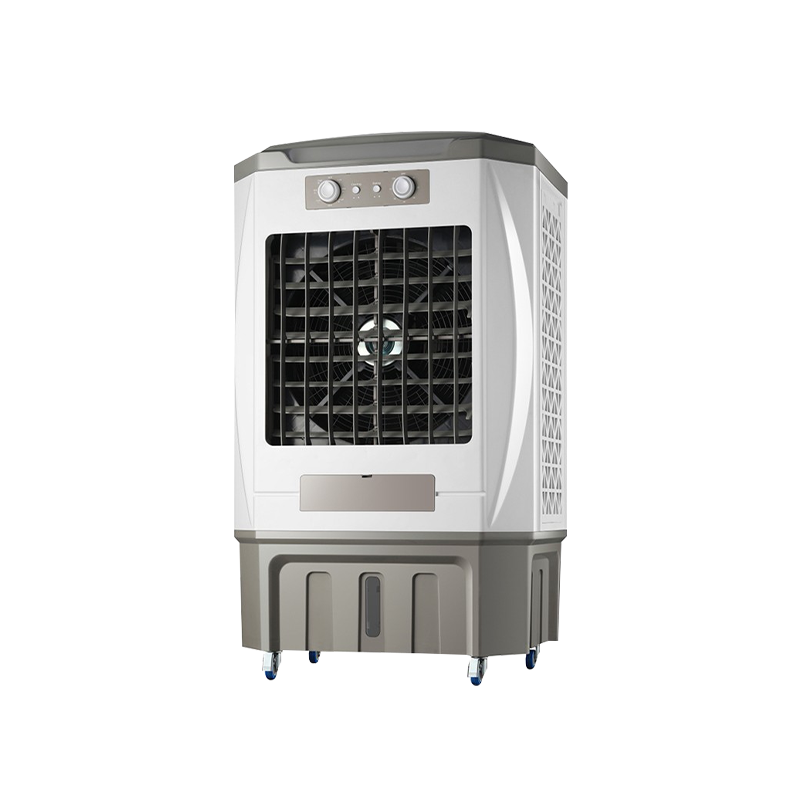
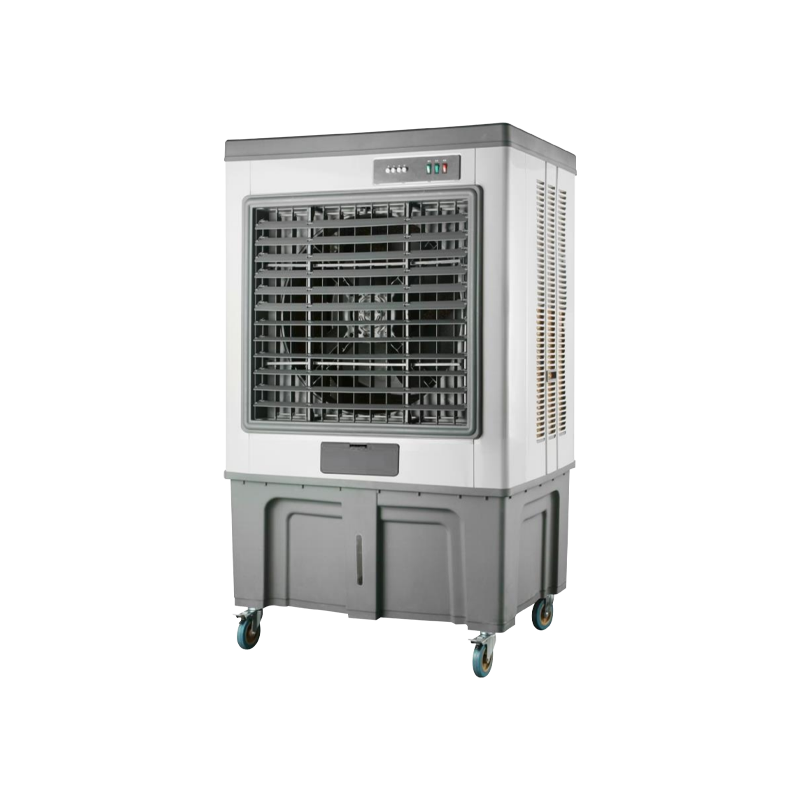
Inside a typical air cooler, a water pump continuously circulates water from the tank onto a set of specially designed cooling pads. A powerful fan draws warm air from outside through these wet pads. As the warm air passes through, water molecules on the pad surface absorb heat energy and evaporate — a process that removes heat from the airstream and lowers its temperature. The now-cooler, slightly humidified air is then pushed into the room.
The key variable in this process is relative humidity. When outdoor air is dry, it has a high capacity to absorb additional water vapor, so evaporation happens rapidly and the cooling effect is strong. In high-humidity environments, the air is already close to saturation, which slows evaporation and reduces the temperature drop. This is why understanding your local climate is essential before choosing an air cooler for summer use.
Air coolers have gained widespread adoption across markets in the Middle East, South Asia, Southern Europe, and sub-Saharan Africa — regions where summer heat is intense and energy costs or grid reliability make traditional air conditioning impractical. The reasons for this popularity go beyond simple cost savings.
An air cooler's motor and pump consume significantly less electricity than the compressor in a refrigerant-based air conditioning system. For continuous summer operation — running a unit 8 to 12 hours a day over several months — this difference in energy consumption has a substantial impact on electricity bills. For businesses deploying multiple units across a facility, or households in regions with high energy costs, this operational efficiency is a decisive advantage.
Air conditioners are closed-loop systems — they recirculate the same indoor air repeatedly, which can lead to stuffiness and buildup of indoor pollutants over prolonged use. Air coolers, by contrast, continuously draw in fresh outdoor air, pass it through the cooling pads, and push it into the room. This constant air exchange improves indoor air quality and creates a more natural, comfortable environment during extended summer use.
In very dry summer climates — where indoor air conditioning can strip moisture from the air entirely — the light humidification provided by an evaporative cooler is genuinely beneficial. It helps prevent dry skin, reduces eye irritation, and makes the breathing environment more comfortable, particularly for children, elderly users, and those with respiratory sensitivities.
Portable air coolers require no professional installation, no wall openings, and no refrigerant handling. They can be placed wherever needed — a bedroom, living room, office, workshop, or outdoor seating area — and moved freely as needs change. For rental properties, temporary workspaces, or seasonal use, this flexibility is a significant practical advantage.
Air coolers operate without refrigerants — chemicals that contribute to greenhouse gas emissions and ozone depletion if improperly handled or disposed of. Their lower electricity consumption also means a smaller carbon footprint over a full summer of operation. For buyers and procurement teams with sustainability goals, this is increasingly a relevant factor in product selection.
Choosing between the two technologies often comes down to your climate, budget, space, and usage intensity. The comparison below summarizes the most important practical differences for summer use:
| Category | Air Cooler | Air Conditioner |
|---|---|---|
| Cooling Technology | Evaporative (water + fan) | Refrigerant compression |
| Energy Consumption | Low | High |
| Best Performing Climate | Dry / low humidity (<60% RH) | Any climate including humid |
| Installation | None — plug and use | Professional installation needed |
| Air Quality | Fresh, continuously ventilated | Recirculated indoor air |
| Maintenance | Simple — pad cleaning, water refill | Regular professional servicing |
| Portability | Fully portable, room-to-room | Fixed installation |
| Refrigerants Used | None | Yes (R32, R410A, etc.) |
For sourcing professionals evaluating cooling solutions for markets in hot-dry regions — including the Gulf states, India, North Africa, or inland Southeast Asia — air coolers consistently deliver strong value in terms of unit cost, operational cost, and ease of deployment at scale.
Air coolers are not a universal solution, and it is important to understand their limitations to set accurate expectations. The primary constraint is high ambient humidity. When outdoor relative humidity exceeds 70–80%, the air is already carrying a high moisture load, and evaporation from the cooling pads slows significantly. In these conditions, the temperature drop is minimal, and the added moisture may actually make the environment feel less comfortable rather than cooler.
Beyond climate, there are specific usage scenarios where air coolers underperform:
In high-humidity situations, a practical alternative is to combine an air cooler with targeted ventilation improvements or a supplemental dehumidifier — which lowers ambient moisture before it enters the cooler, restoring some of the evaporative potential.
Even in ideal conditions, how you set up and operate your air cooler has a direct impact on performance. These practical steps can help you get the most cooling output throughout the summer:
With extensive manufacturing experience developing residential and commercial air coolers for diverse global markets, our product development process specifically addresses these real-world usage scenarios — from pad material selection and tank capacity to motor durability under continuous summer operation. Each unit is designed to deliver reliable, consistent performance across an extended cooling season.
If you have determined that an air cooler suits your climate and use case, selecting the right product is the next critical step. Not all air coolers are built to the same standard, and the quality of key components has a major impact on long-term performance and reliability.
For users in dry or low-to-moderate humidity climates, air coolers are an excellent summer cooling solution. They deliver meaningful temperature reduction, improve ventilation, require no installation, and operate at a fraction of the cost of conventional air conditioning. For households, rental properties, workshops, and commercial spaces where energy efficiency and ease of deployment matter, they offer a compelling combination of performance and value.
In high-humidity tropical or coastal climates, their effectiveness is more limited — and in those environments, either a hybrid approach or a different cooling technology may be more appropriate. The key is matching the product to the climate and use case, rather than expecting universal performance from a technology with a specific optimal operating range.
Whether you are purchasing for personal use or sourcing at scale for distribution, understanding these fundamentals ensures that your air cooler investment delivers real, lasting value throughout the summer season — and beyond.


No.1015 Guanfu Road, Fuhai Town, Cixi City,Zhejiang,China

+86 134-8601-6220



Copyright ? Cixi Bisheng Electrical Appliance Co., Ltd. All Rights Reserved.
Wholesale Portable Air Cooler Manufacturer




 English
 中文简体
中文简体 Español