Content
Proper maintenance is the single most important factor in keeping your air cooler running efficiently, season after season. A well-maintained air cooler can deliver consistent cooling performance while significantly extending its operational lifespan. Whether you use your unit in a residential space, warehouse, workshop, or outdoor area, following a structured maintenance routine prevents common failures such as reduced airflow, unpleasant odors, and motor burnout. This guide walks you through every essential maintenance step — from daily upkeep to seasonal deep cleaning — so you can get the most out of your investment.
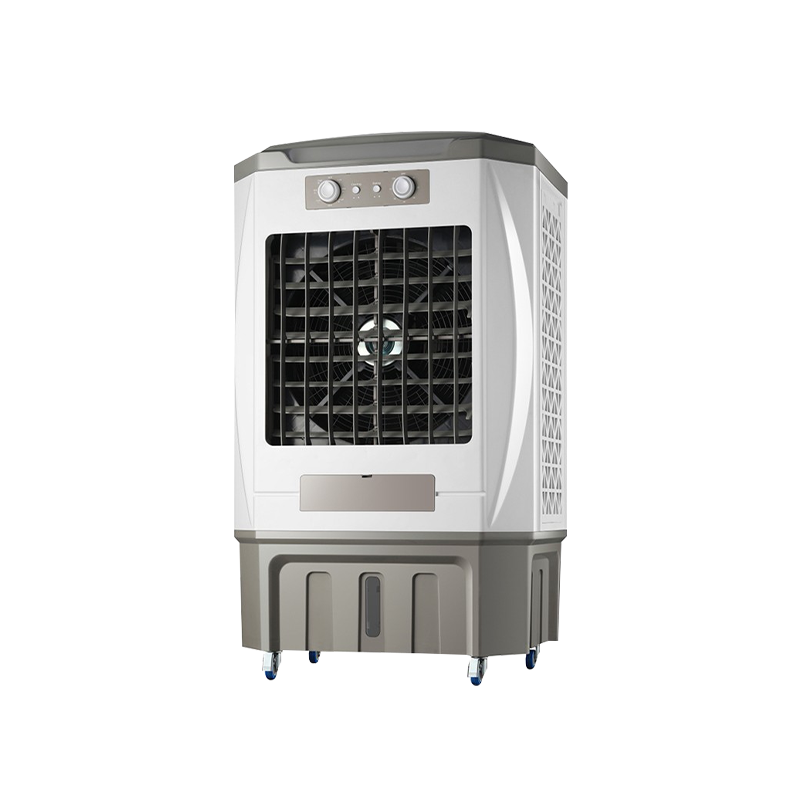
Air coolers operate on the principle of evaporative cooling — drawing warm air through water-saturated pads to produce a cooler airflow. Because water and air are constantly flowing through the unit, mineral deposits, dust, mold, and algae can accumulate rapidly if the system is neglected. These buildups reduce the efficiency of the cooling pads, restrict airflow, and can introduce bacteria or unpleasant smells into the air you breathe.
Regular maintenance also protects the motor and pump — the two most critical mechanical components. A clogged pad forces the motor to work harder, increasing energy consumption and accelerating wear. By dedicating a small amount of time to scheduled maintenance, you avoid costly repairs and ensure the unit operates at its designed cooling capacity throughout its service life.
Consistent daily habits make deep cleaning far easier and less frequent. The following tasks should become part of your routine whenever the air cooler is in active use:
These simple habits take no more than a few minutes each day but collectively prevent the majority of performance issues that air cooler owners encounter.
The cooling pads are the heart of any evaporative air cooler. They are responsible for absorbing water and providing the surface area needed for effective evaporation. Over time, mineral scale from hard water and biological growth can block the pad fibers, dramatically reducing cooling output.
Here is the recommended pad cleaning procedure:
Cellulose pads, commonly used in modern air coolers, are more effective at cooling but more susceptible to damage from heavy scrubbing. Handle them gently during cleaning.
Stagnant water in the tank is one of the most common causes of odors and bacterial growth in air coolers. The water reservoir should be drained and cleaned at least once every two weeks during active use — more frequently in hot, humid climates or when the unit runs continuously.
To clean the water tank effectively:
If you plan to leave the unit unused for more than three days, always drain the tank completely. Leaving water sitting in the reservoir promotes algae growth and can cause unpleasant smells when the unit is next started.
The water pump circulates water from the tank to the distribution system that keeps the cooling pads saturated. A blocked or worn pump is one of the leading reasons air coolers lose efficiency. Inspect and clean the pump at least once per month during regular use.
Pump maintenance steps:
For the motor, ensure that ventilation slots on the casing remain free of dust. Blocked motor vents cause overheating, which shortens motor life. In dusty environments, use compressed air to clear the vents every two to four weeks.
Air coolers typically see the heaviest use in summer. A pre-season inspection performed before the peak heat period ensures the unit is ready for sustained operation. Similarly, end-of-season storage preparation protects internal components from corrosion and deterioration during months of inactivity.
| Season / Timing | Key Tasks | Priority Level |
|---|---|---|
| Pre-Season (Spring) | Inspect pads, clean tank, test pump and motor, check all connections | High |
| Mid-Season (Summer) | Bi-weekly tank drain, monthly pad and pump cleaning, wipe exterior | High |
| Post-Season (Autumn) | Full deep clean, drain and dry all components, replace worn pads | High |
| Storage (Winter) | Cover unit with breathable cover, store in dry location away from direct sunlight | Medium |
When storing for winter, remove the cooling pads if possible and store them separately in a dry, ventilated space. This prevents moisture retention that can cause mold to develop during the off-season.
Understanding the link between maintenance lapses and specific performance issues helps you prioritize the tasks that matter most. The table below outlines the most frequent problems reported by air cooler users and their root causes:
| Problem | Likely Cause | Preventive Action |
|---|---|---|
| Reduced cooling output | Clogged or dry cooling pads | Clean pads monthly; replace annually |
| Unpleasant odor from airflow | Stagnant water or mold in tank/pads | Drain tank every two weeks; dry pads before storage |
| Pump not circulating water | Debris-blocked impeller or dry run | Monthly pump cleaning; maintain water level |
| Loud or unusual noise | Loose fan blade or worn motor bearing | Inspect fan and motor housing seasonally |
| White residue on pads | Hard water mineral scale | Use descaling solution; consider filtered water |
Most air cooler components are designed to be individually replaceable, making targeted maintenance far more economical than full unit replacement in most cases. Cooling pads and pumps are consumable parts and should be budgeted for annual replacement under regular use conditions. Motors, fan assemblies, and water tanks are more durable and typically do not require replacement unless physically damaged or subject to an electrical fault.
Consider replacing the entire unit when repair costs exceed a significant portion of the replacement cost, when the unit is more than seven to ten years old, or when newer models offer substantially improved energy efficiency or features relevant to your application. In commercial or industrial settings where uptime is critical, having a spare pump and a set of replacement pads on hand is a practical way to minimize downtime during peak cooling demand.
Maintaining your air cooler does not require specialized tools or extensive technical knowledge. A consistent routine of cleaning the pads, draining and refreshing the water tank, inspecting the pump, and preparing the unit for seasonal transitions is sufficient to keep most air coolers performing reliably for many years. Neglecting these steps, by contrast, leads to accelerated component wear, degraded air quality, higher energy consumption, and premature failure.
Whether you operate a single unit at home or manage a fleet of industrial air coolers across a large facility, applying the maintenance principles outlined in this guide will protect your equipment and ensure it continues to deliver the cooling performance your environment demands. When in doubt, consult the manufacturer's documentation specific to your model, as maintenance intervals and component access methods can vary between designs.


No.1015 Guanfu Road, Fuhai Town, Cixi City,Zhejiang,China

+86 134-8601-6220



Copyright ? Cixi Bisheng Electrical Appliance Co., Ltd. All Rights Reserved.
Wholesale Portable Air Cooler Manufacturer




 English
 中文简体
中文简体 Español