Content
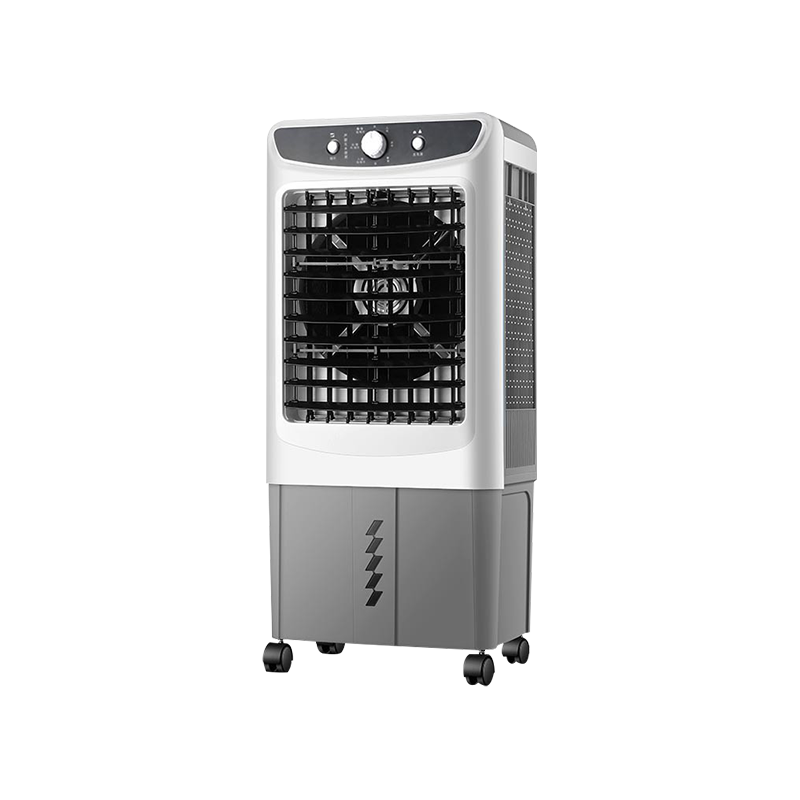
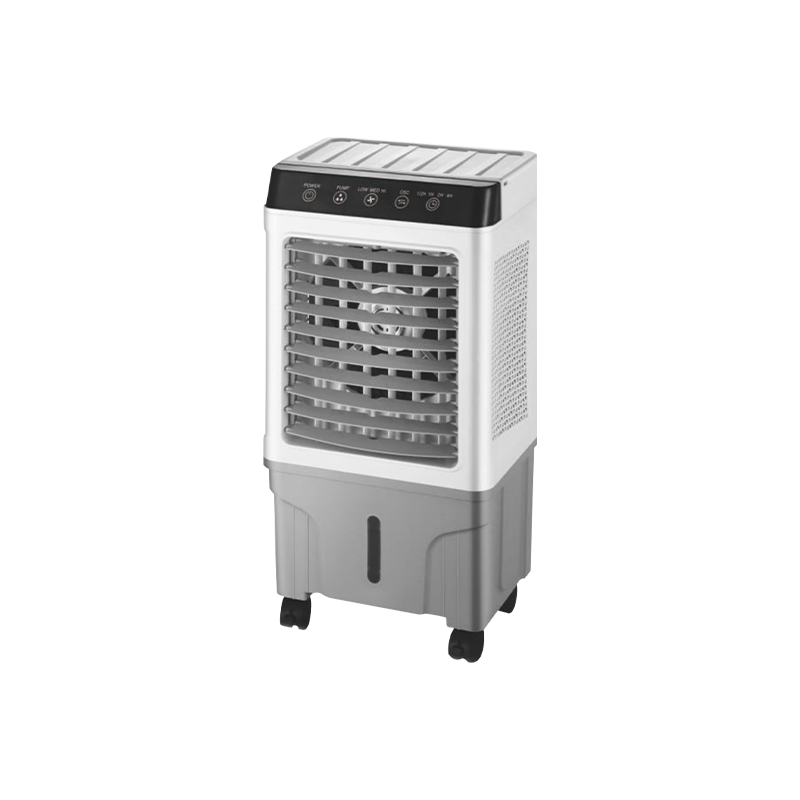
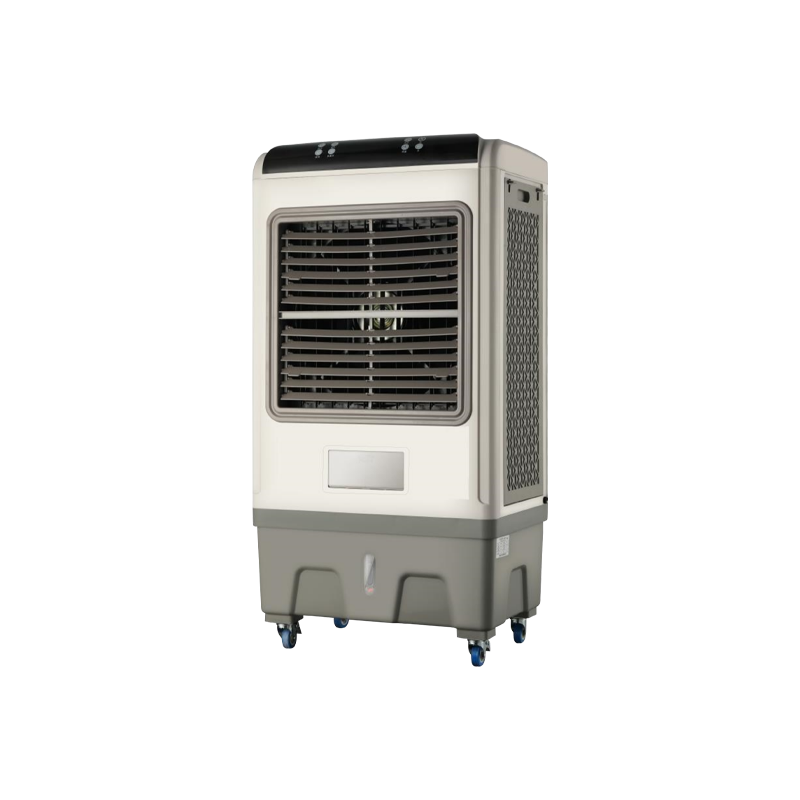
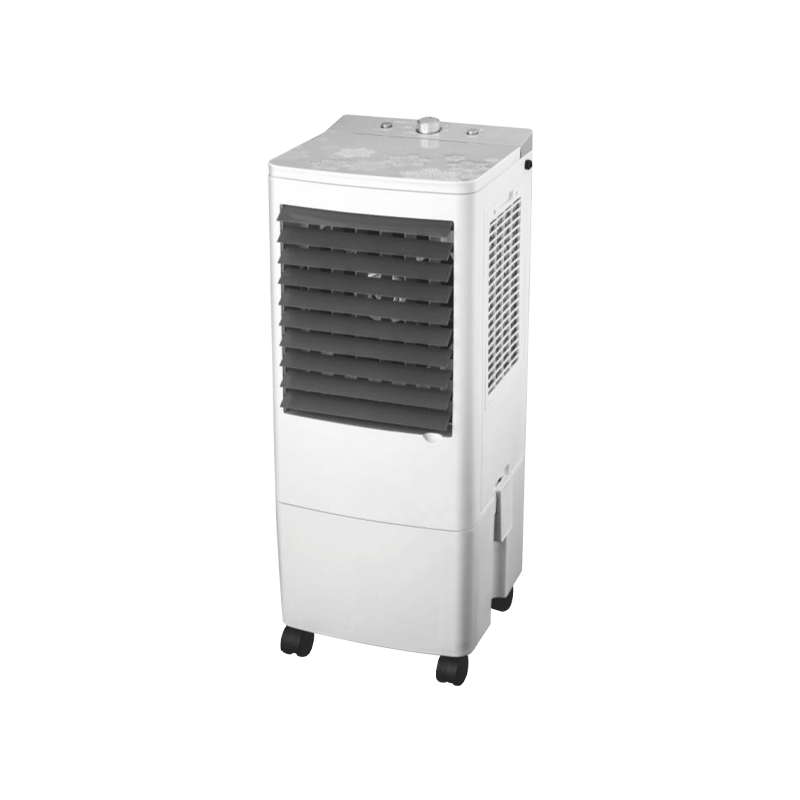
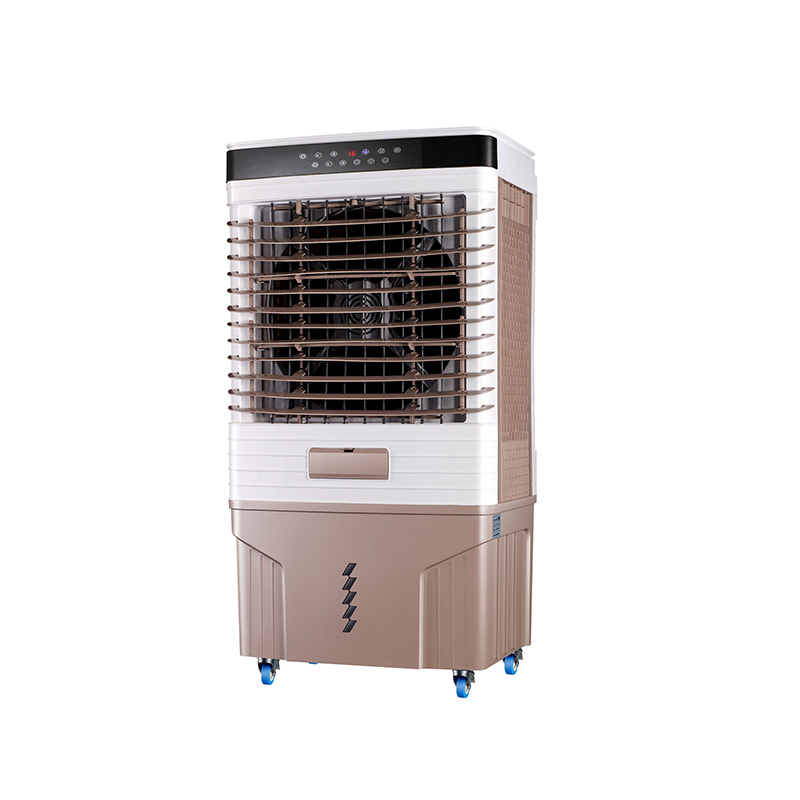
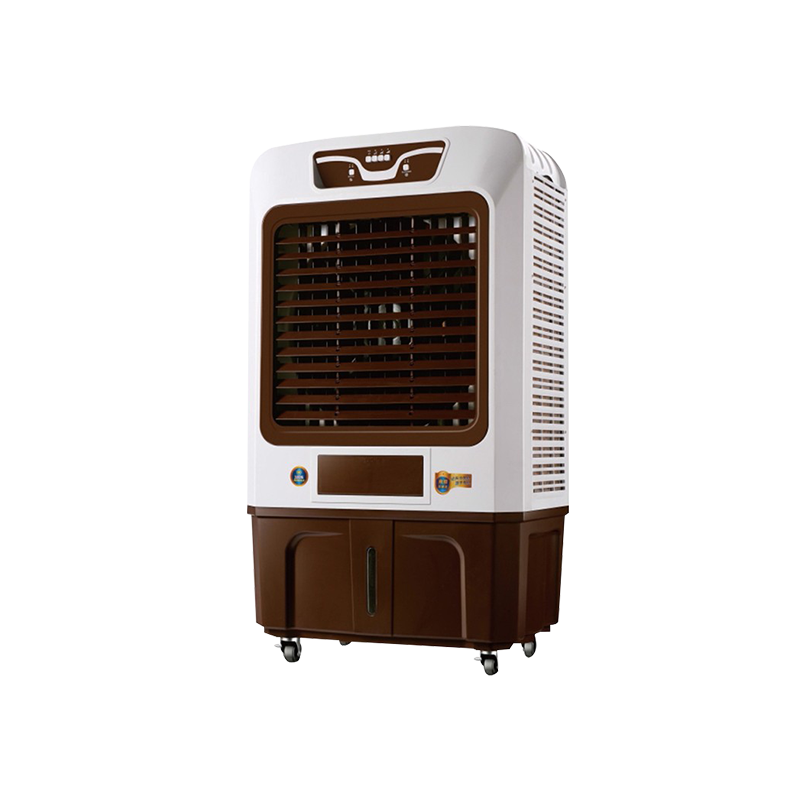
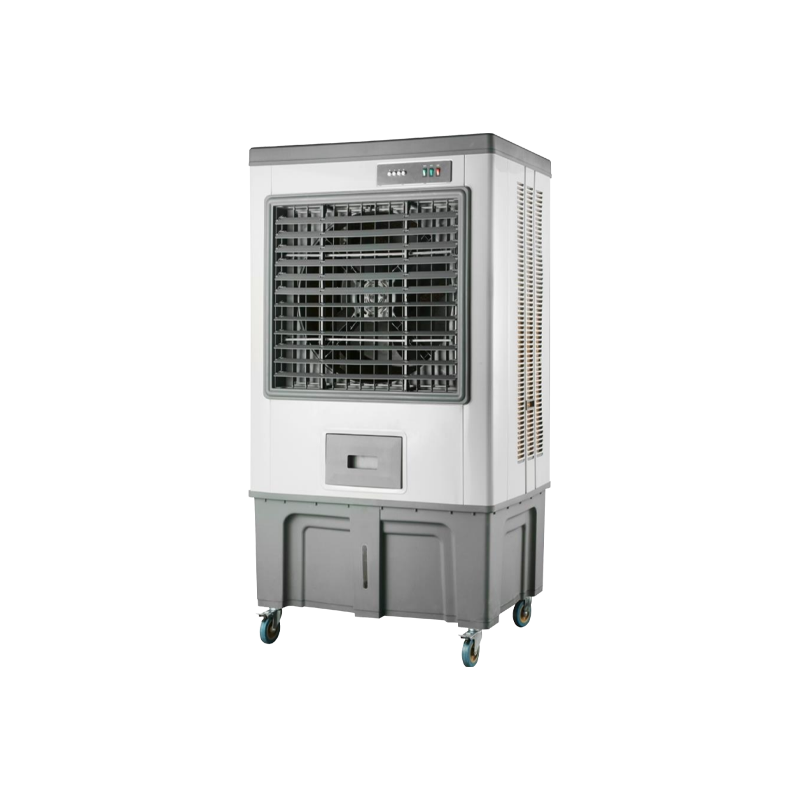
As summer temperatures rise, many people are looking for affordable and energy-efficient cooling solutions. Small evaporative coolers have emerged as a popular alternative. Unlike traditional compressor air conditioners, evaporative coolers work by using the evaporation of water to remove heat from the air, thus achieving cooling.
The cooling mechanism of an evaporative cooler is very simple:
Are small evaporative coolers really effective? The answer is: yes, but conditional. Their effectiveness is greatly affected by ambient humidity.
Evaporative coolers perform best in dry, hot climates (such as inland areas or desert climates). Because of the low moisture content in the air, water evaporates quickly and in large quantities, carrying away more heat and achieving a significant cooling effect. Under ideal conditions, it can lower the temperature at the air outlet by 5 to 15 degrees Celsius.
However, its effectiveness is greatly reduced in humid, muggy climates (such as coastal areas or during the rainy season). When the air already contains a large amount of water vapor, the evaporation rate slows down, and the cooling effect diminishes. More importantly, it increases indoor humidity, which may make people feel even hotter rather than cooler in a humid environment. Therefore, if you live in a relatively humid area, traditional air conditioning may still be a better choice.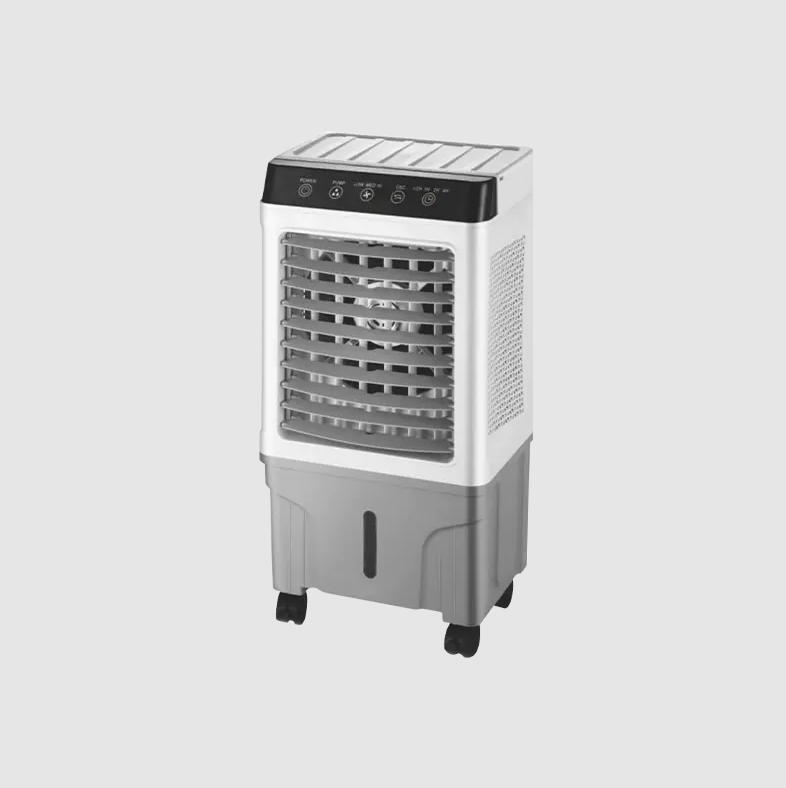
Besides the cooling effect, small evaporative coolers have several distinct advantages, making them an excellent choice for specific scenarios:
Small evaporative coolers are an affordable, energy-efficient, and environmentally friendly cooling solution. They provide a significant cooling effect in dry, hot climates, but their effectiveness is limited in humid environments. Before purchasing, be sure to evaluate it based on the climate characteristics of your location and your actual needs.


No.1015 Guanfu Road, Fuhai Town, Cixi City,Zhejiang,China

+86 134-8601-6220



Copyright ? Cixi Bisheng Electrical Appliance Co., Ltd. All Rights Reserved.
Wholesale Portable Air Cooler Manufacturer




 English
 中文简体
中文简体 Español