Content
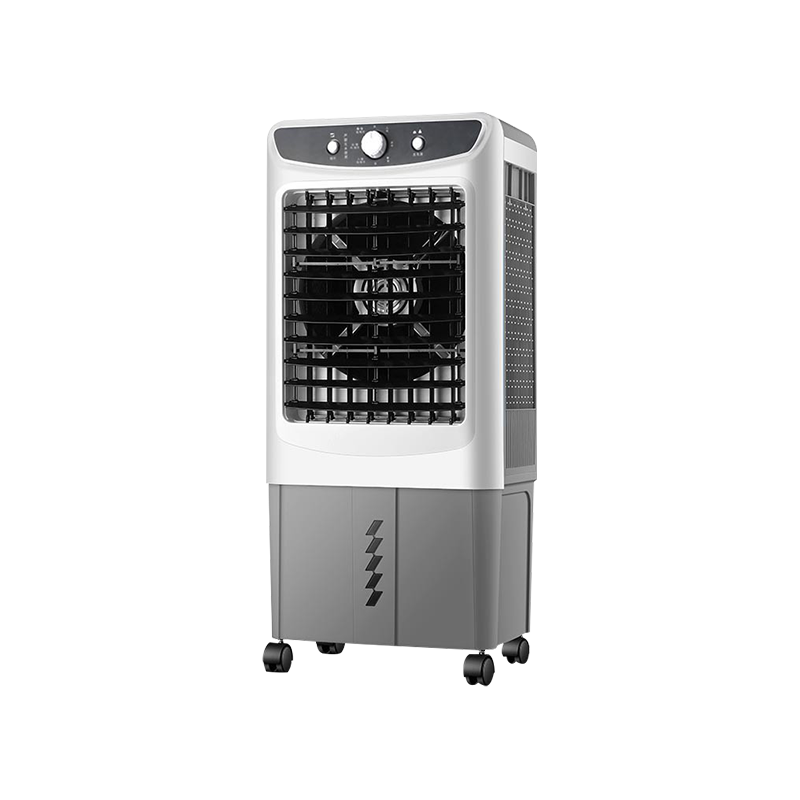
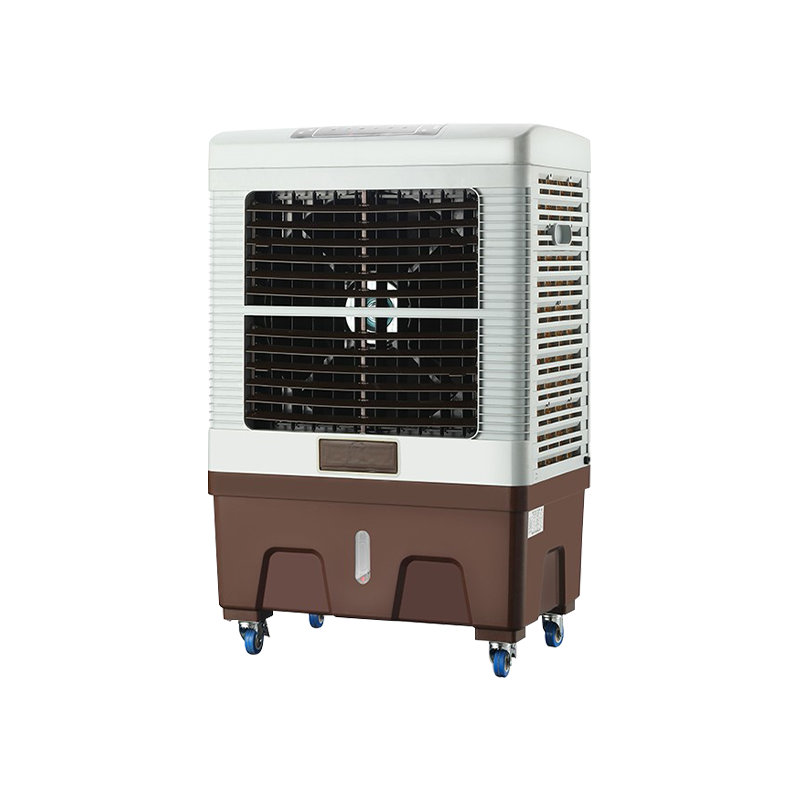
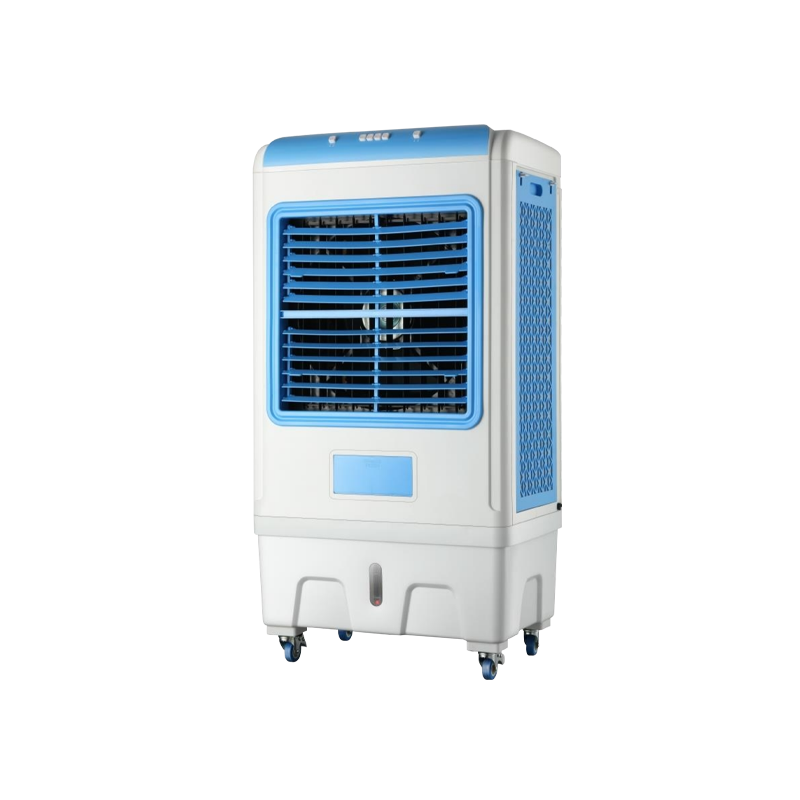
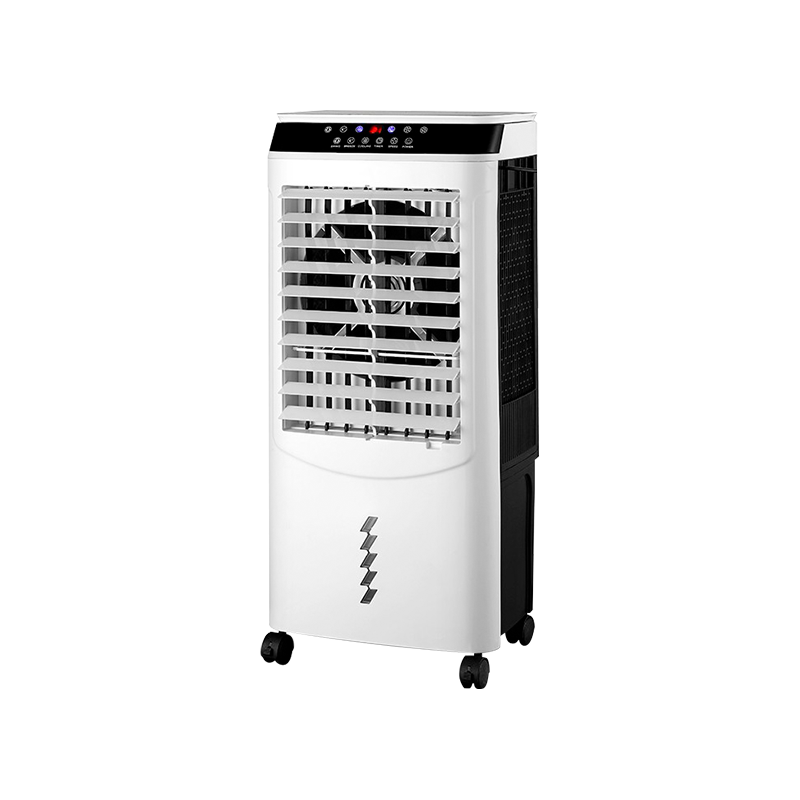
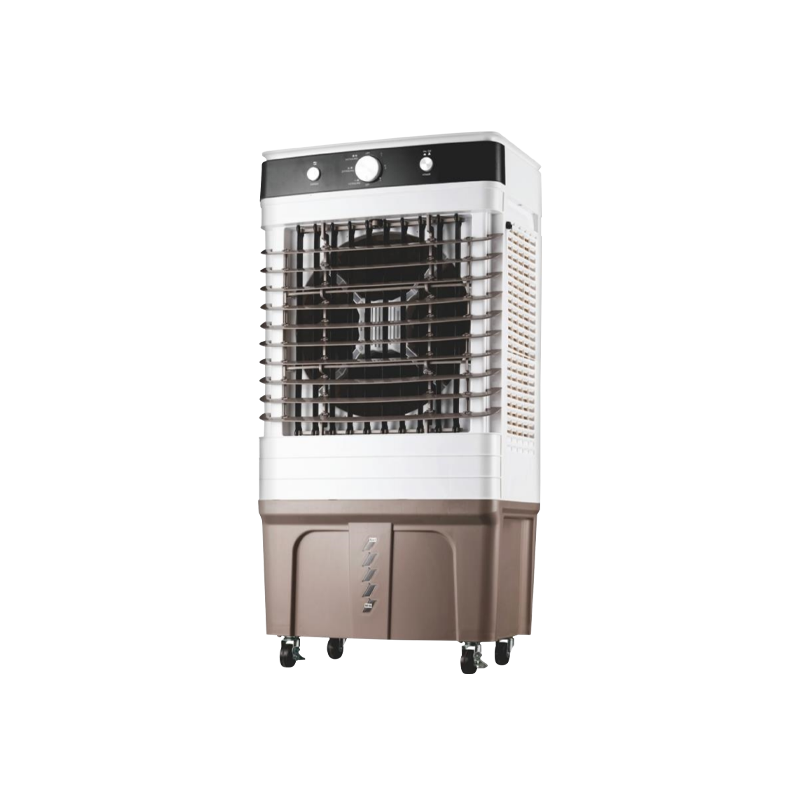
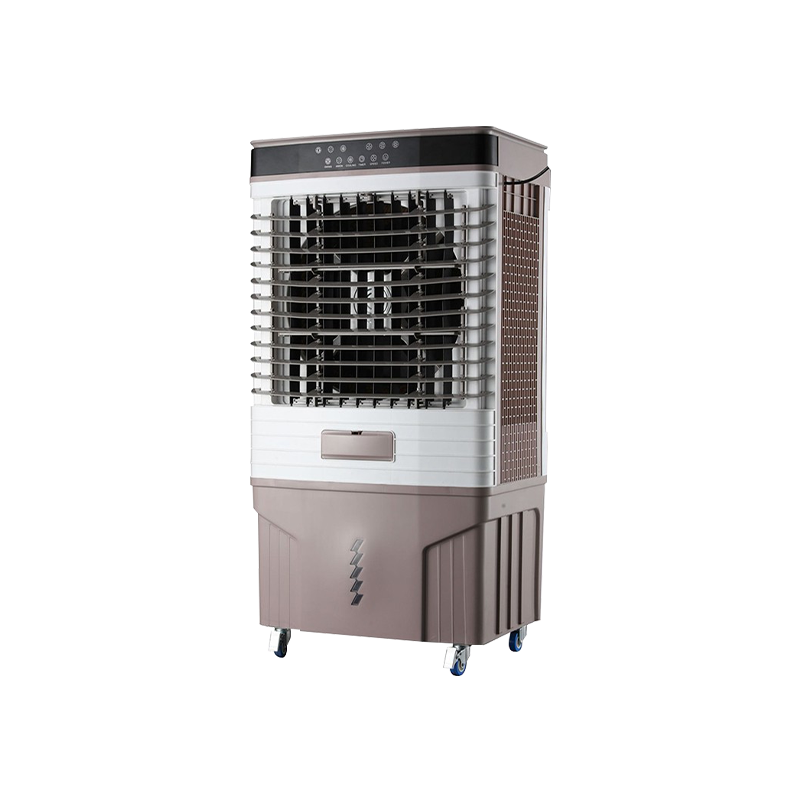
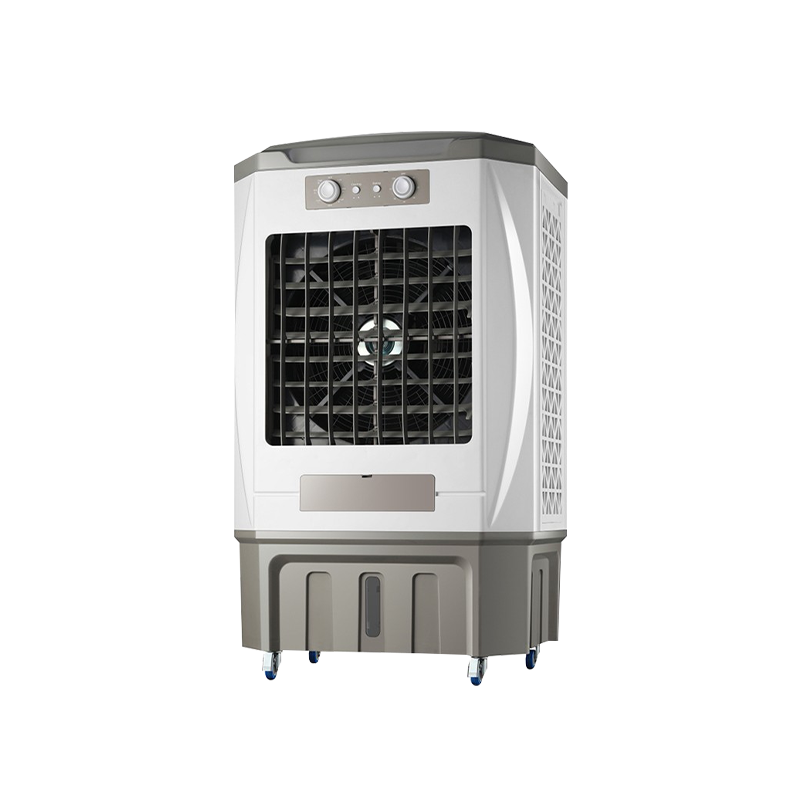
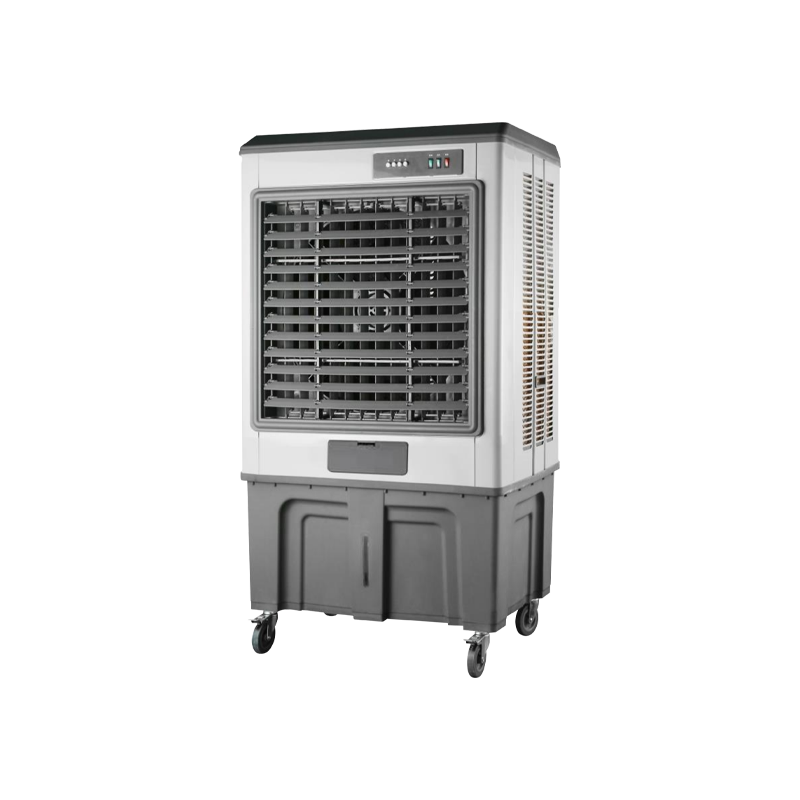
During the hot summer months, many homes and offices are looking for an economical and efficient cooling solution. Among the many options, evaporative coolers (also known as water-cooled air conditioners or evaporative fans) have become a popular choice due to their unique operating principle.
Understanding how they work is key to assessing their effectiveness. The core principle of evaporative coolers is to use the evaporation of water to remove heat from the air, achieving physical cooling.
Intake of Hot Air: The device draws in hot air from the surrounding air using a fan.
Humidification and Cooling via Water Curtain: Hot air passes through a water curtain made of moistened honeycomb or fiber.
Evaporative Cooling: Water absorbs a large amount of heat energy (the latent heat of vaporization of H₂O) during evaporation, thus lowering the temperature of the air flowing through it.
Exhausting Cool Air: The cooled air is blown out of the room by the fan.
This process is similar to the principle of cooling through sweating, therefore evaporative coolers are considered a more environmentally friendly and energy-efficient cooling method because they do not use chemical refrigerants such as Freon.
Evaporative coolers demonstrate excellent effectiveness under specific conditions:
Dry Climates (Low Humidity): In dry areas, the low moisture content in the air leads to rapid evaporation, resulting in the most significant cooling effect. Cooling levels can typically reach 5 to 15 degrees Celsius, providing an excellent user experience.
Low Power Consumption and Energy Saving: Compared to traditional compressor-type air conditioners, evaporative coolers consume significantly less energy, typically requiring only a fan and water pump, effectively saving on electricity bills.
Ventilation Needs: They are suitable for use in spaces requiring ventilation or semi-open spaces, such as patios, garages, or rooms where windows are frequently opened.
Humidification Effect: In dry indoor environments, it increases air humidity, alleviating skin and respiratory discomfort caused by dry air.
However, evaporative coolers are not a panacea; their limitations are quite obvious:
Humid Climates (High Humidity): In humid regions, the air is near saturation, water evaporation is slow, and the cooling effect is greatly reduced. The air delivered by the device is not only not cool, but the increased humidity makes people feel even more stuffy and sticky, resulting in a poor user experience.
Not a Traditional Air Conditioner: It cannot lower the room temperature to a preset low point like a traditional air conditioner. It is a localized cooling and perceived cooling device, unable to fundamentally change the temperature of a large, enclosed space.
If you live in a dry, hot region, or are looking for a low-energy, environmentally friendly localized cooling solution, an evaporative cooler is a cost-effective and user-friendly option. It provides a cool, humid breeze.
However, if you live in a humid southern region, or require a deep cooling effect similar to a traditional air conditioner, its user experience may not meet your expectations.
To maintain the cooling efficiency and good air quality of an evaporative cooler, routine maintenance is crucial:
Regular Cleaning: The core water curtain (or cooling pad) is prone to mineral and mold buildup. It is recommended to clean the water tank at least weekly with clean water and a mild detergent, and regularly replace or thoroughly clean the water curtain to prevent odors.
Use Clean Water: Use soft or distilled water whenever possible to reduce scale buildup.
Maintain Ventilation: Always keep doors and windows slightly open during use to allow humid air to escape and fresh air to enter, preventing excessive humidity in the room.
Evaporative coolers are undoubtedly an effective cooling solution in hot, dry climates. They are both environmentally friendly and economical, significantly improving user comfort. However, when choosing one, it is essential to consider the humidity level of your area, as this is the most critical factor determining your user experience.
1. What is the cooling principle of an evaporative cooler (water-cooled air conditioner)?
Answer: It cools the air by absorbing heat through water evaporation, a form of physical cooling that does not use chemical refrigerants.
2. Is an evaporative cooler effective in all climates?
Answer: No. It is highly effective in dry climates (low humidity); however, it is ineffective in humid areas (high humidity) and may even make the room feel more stuffy due to increased humidity.
3. Is an evaporative cooler energy-intensive?
Answer: Not at all. Compared to traditional compressor-type air conditioners, it consumes much less energy, mainly requiring only a fan and water pump, making it very energy-efficient.
4. What precautions should be taken when using an evaporative cooler?
Answer: Maintain ventilation (open windows) to allow humid air to escape; and clean the water tank and water curtain regularly to prevent odors or mold.
5. Can an evaporative cooler lower a room temperature to very low levels?
Answer: No. It is a localized cooling and perceived cooling device, and cannot lower the temperature of a closed room to a preset low temperature point like a traditional air conditioner.


No.1015 Guanfu Road, Fuhai Town, Cixi City,Zhejiang,China

+86 134-8601-6220



Copyright ? Cixi Bisheng Electrical Appliance Co., Ltd. All Rights Reserved.
Wholesale Portable Air Cooler Manufacturer




 English
 中文简体
中文简体 Español