Content
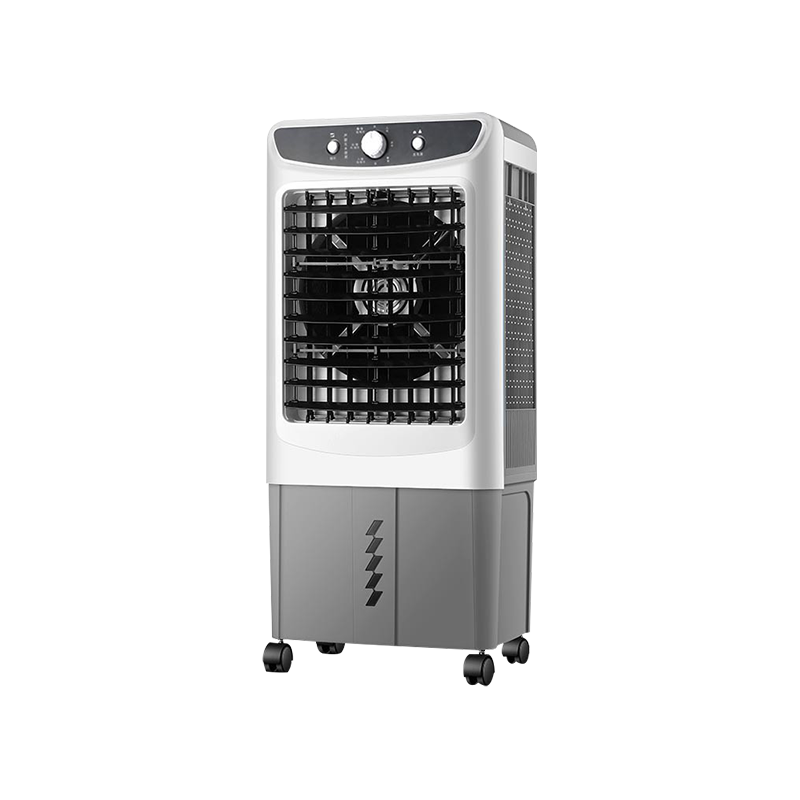
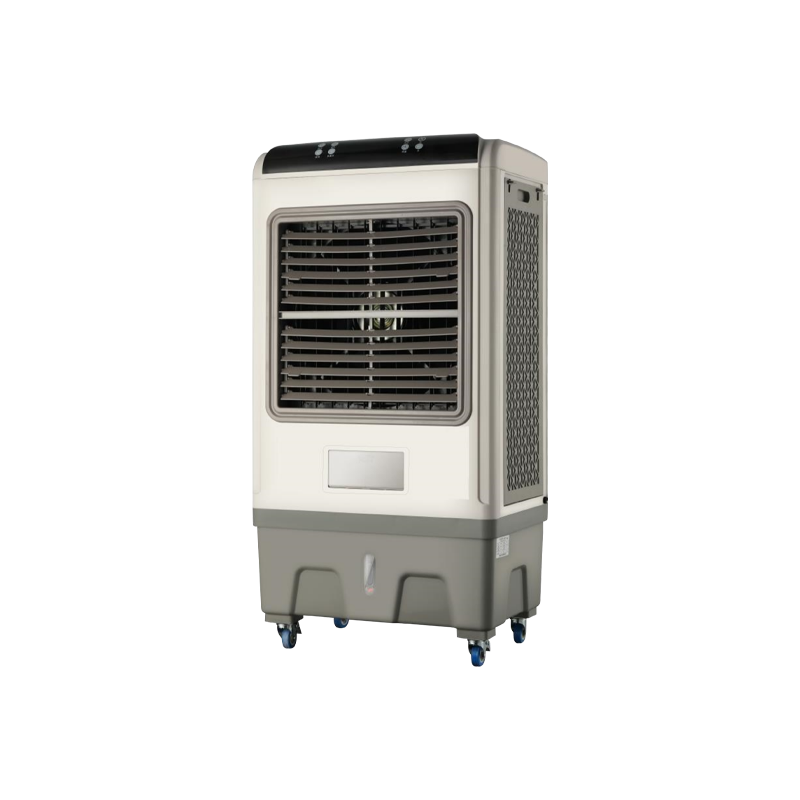
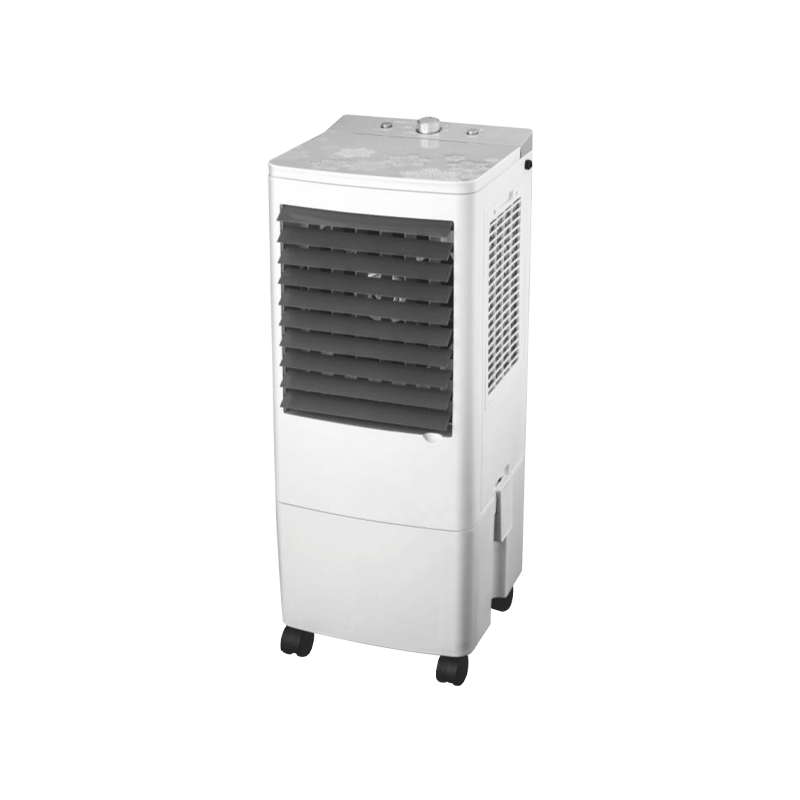
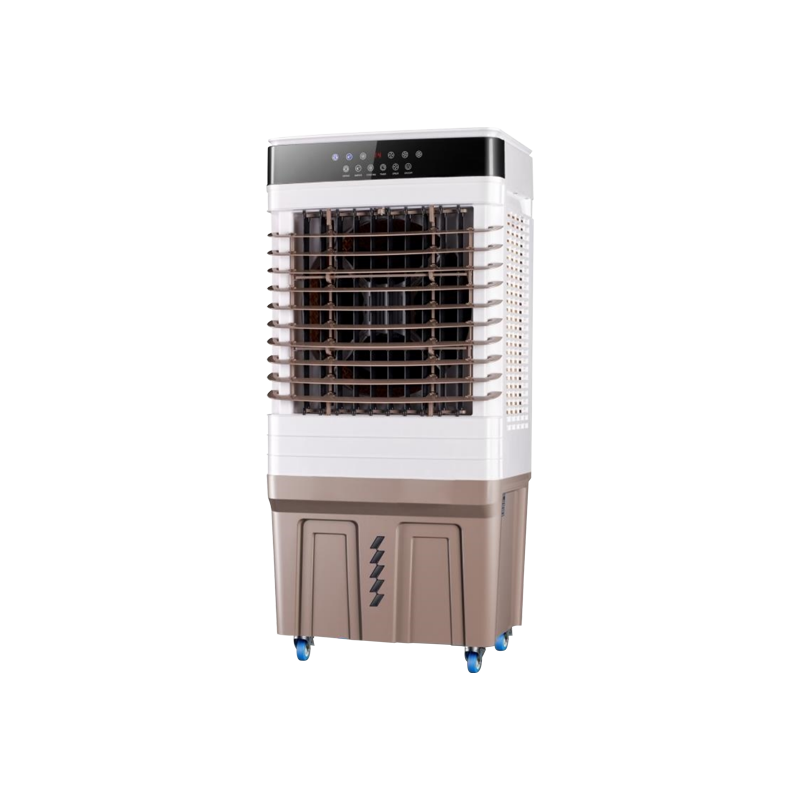
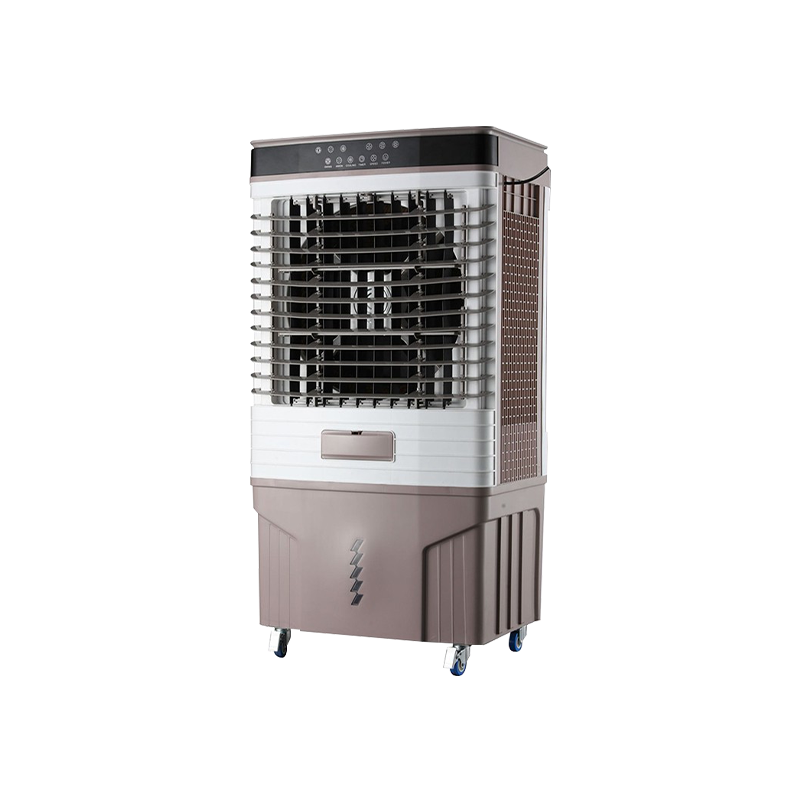
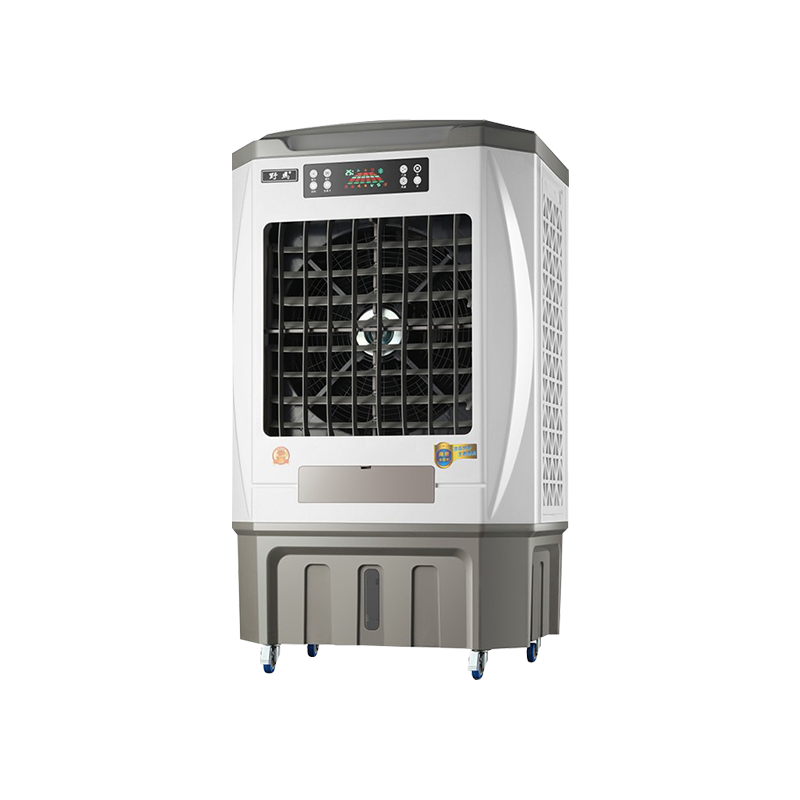
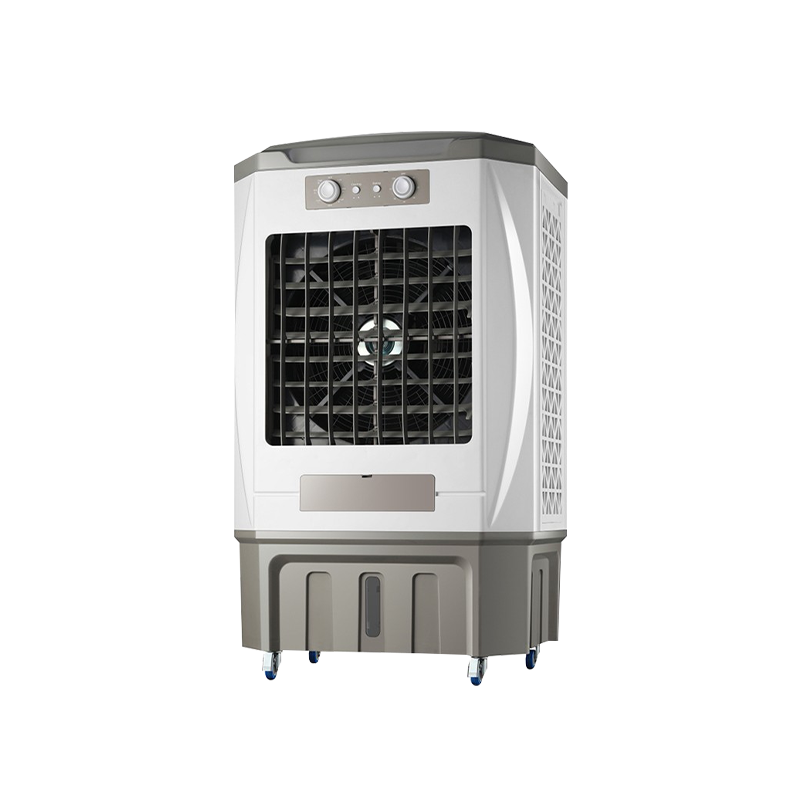
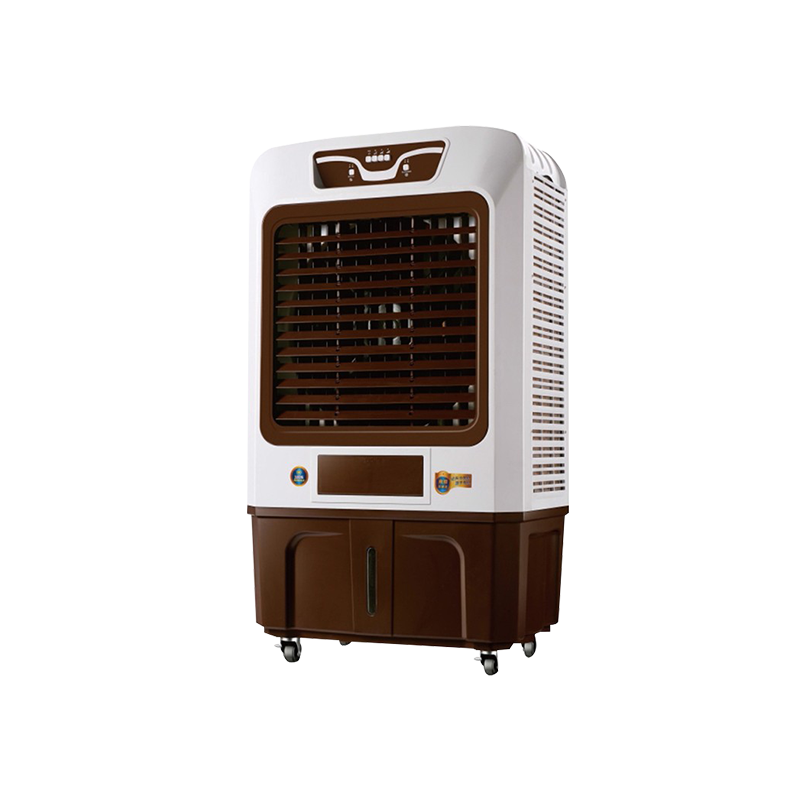
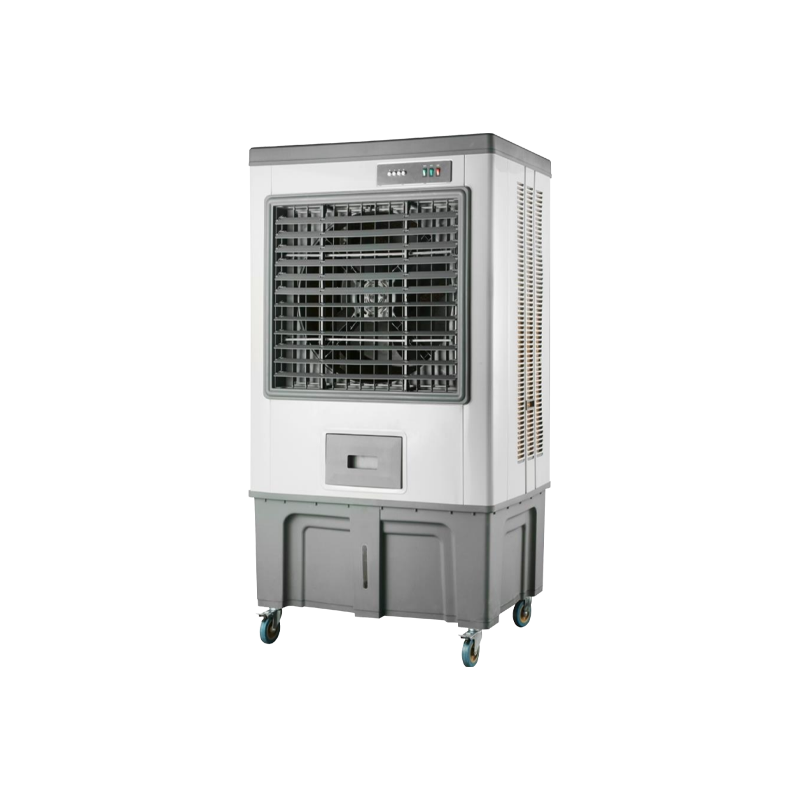
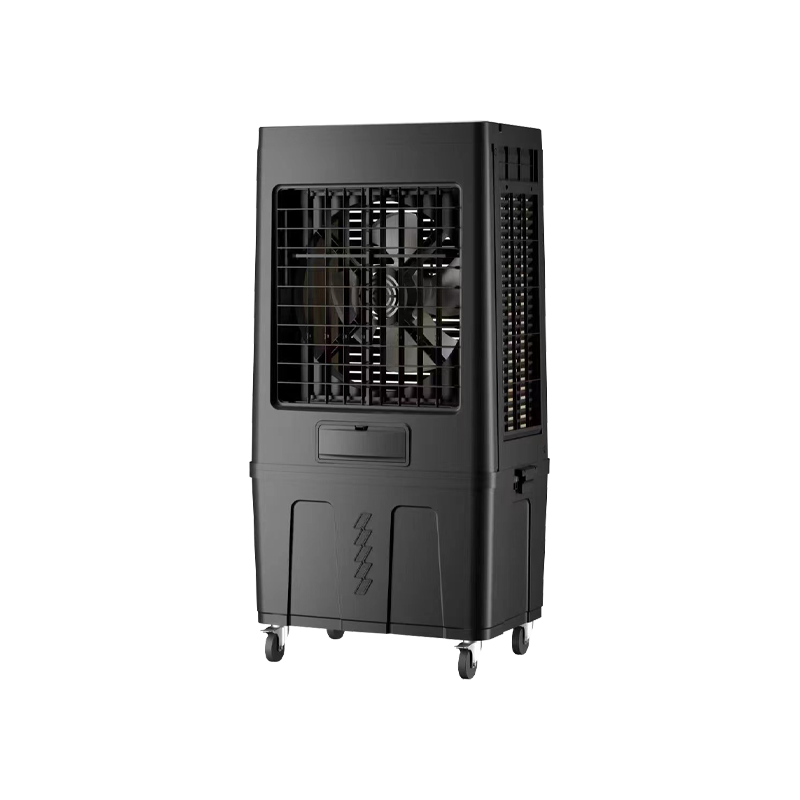
As summer temperatures rise, finding an energy-efficient and effective way to beat the heat has become a challenge for many. Between air conditioners and electric fans, evaporative air coolers (also known as air conditioners) have emerged as a cost-effective option.
Evaporative air coolers are not simply "water-filled fans." Their core principle utilizes the physical phenomenon of heat absorption through water evaporation.
Typically, evaporative air coolers can lower the outlet temperature by approximately 3°C to 8°C, which is particularly effective in hot, dry climates.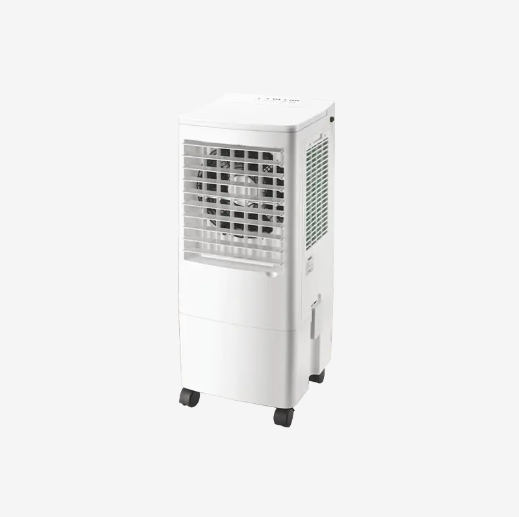
The effectiveness of an evaporative air cooler largely depends on the humidity of your environment.
In regions with low humidity, such as the north, evaporative air coolers are excellent cooling devices. Due to the dry air, moisture evaporates quickly, carrying away more heat and resulting in a very noticeable cooling effect.
During the rainy season or the hottest days of summer in the south, the air humidity is already close to saturation. Using an evaporative air cooler at this time reduces moisture evaporation efficiency, and the cooling effect is not as significant as in drier regions. However, by adding ice cubes or frozen ice crystals to the water tank, you can still achieve a cooler feel than with a regular fan.
Why do many people prioritize evaporative air coolers over air conditioners in hot weather?
To maximize the effectiveness of evaporative air coolers in hot weather, we recommend the following:
Are evaporative air coolers suitable for hot weather? The answer is yes, especially for users who prioritize health, energy efficiency, and work in semi-open, well-ventilated environments. Evaporative air coolers are an ideal cooling solution. Although it cannot achieve a constant temperature throughout the house like an air conditioner, it is definitely a powerful helper for cooling off within its effective range.


No.1015 Guanfu Road, Fuhai Town, Cixi City,Zhejiang,China

+86 134-8601-6220



Copyright ? Cixi Bisheng Electrical Appliance Co., Ltd. All Rights Reserved.
Wholesale Portable Air Cooler Manufacturer




 English
 中文简体
中文简体 Español