Content
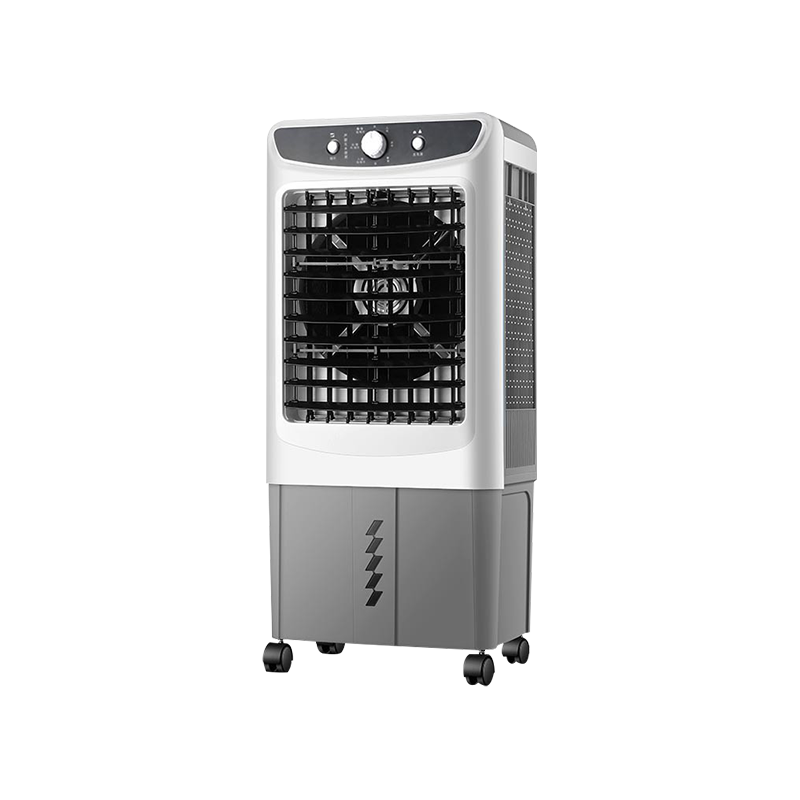
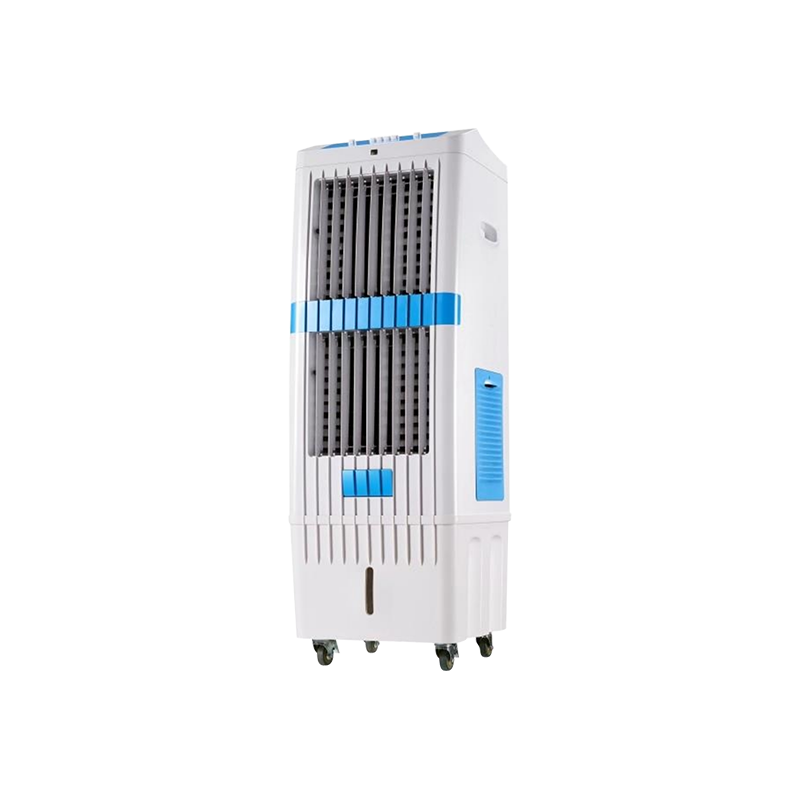
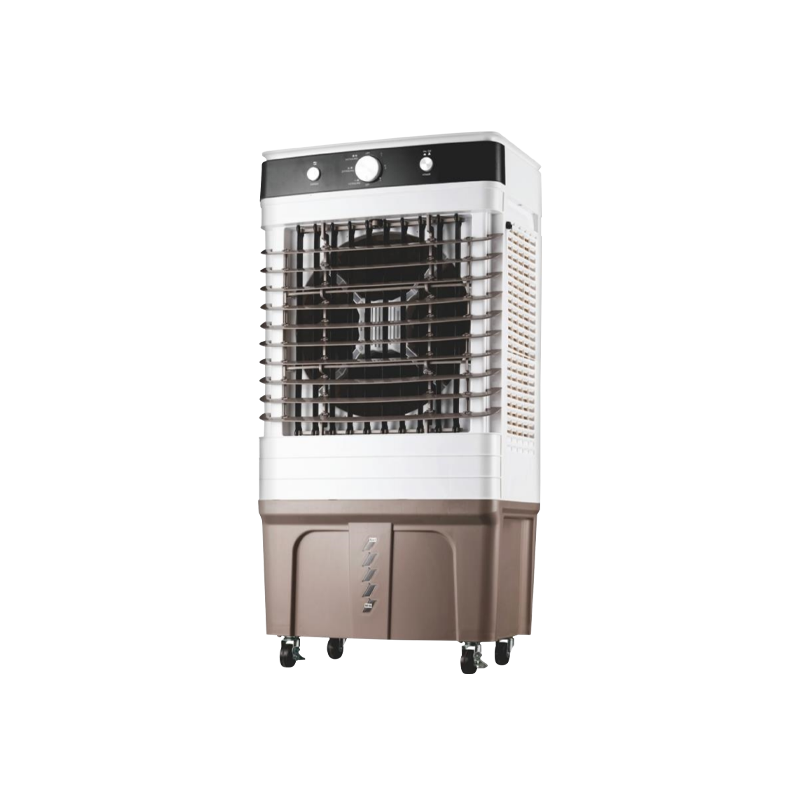
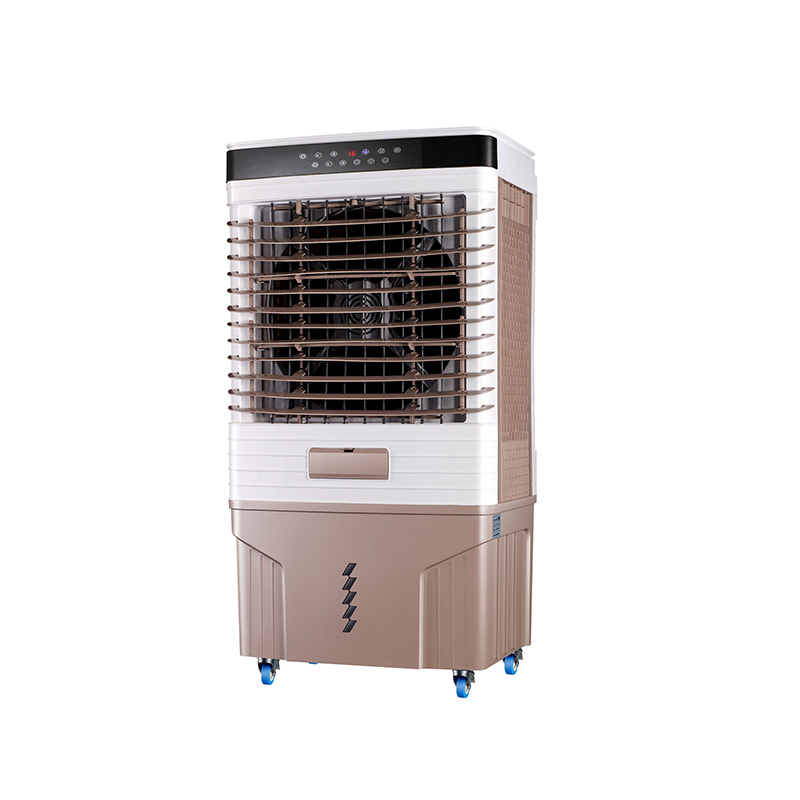
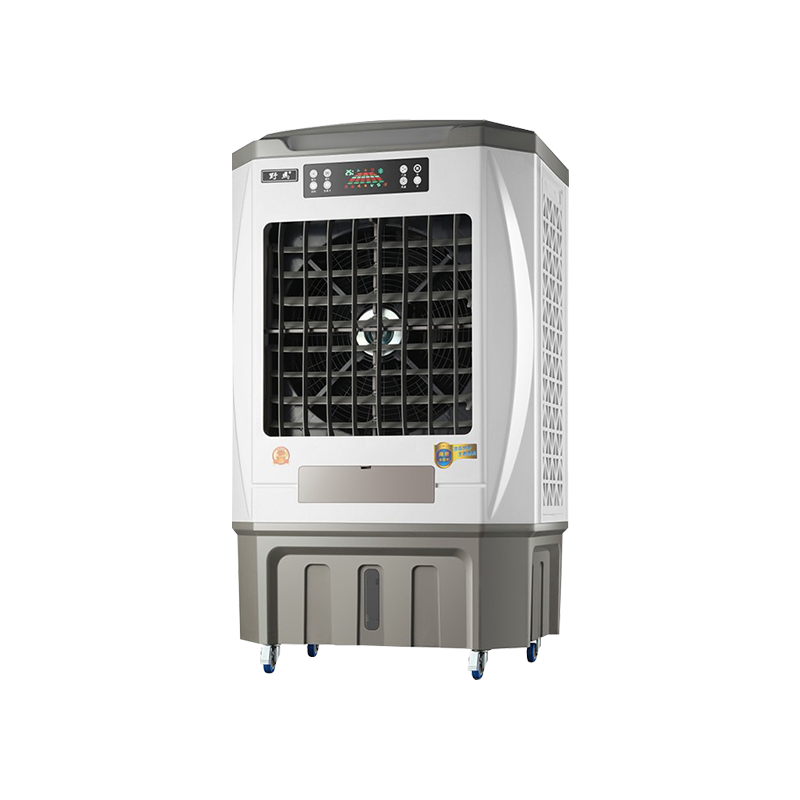
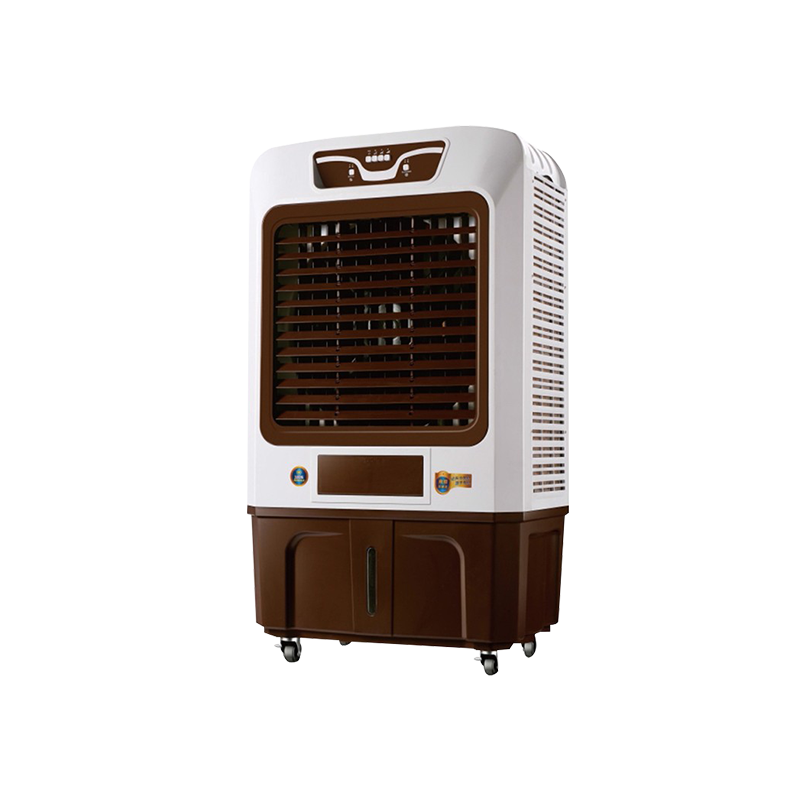
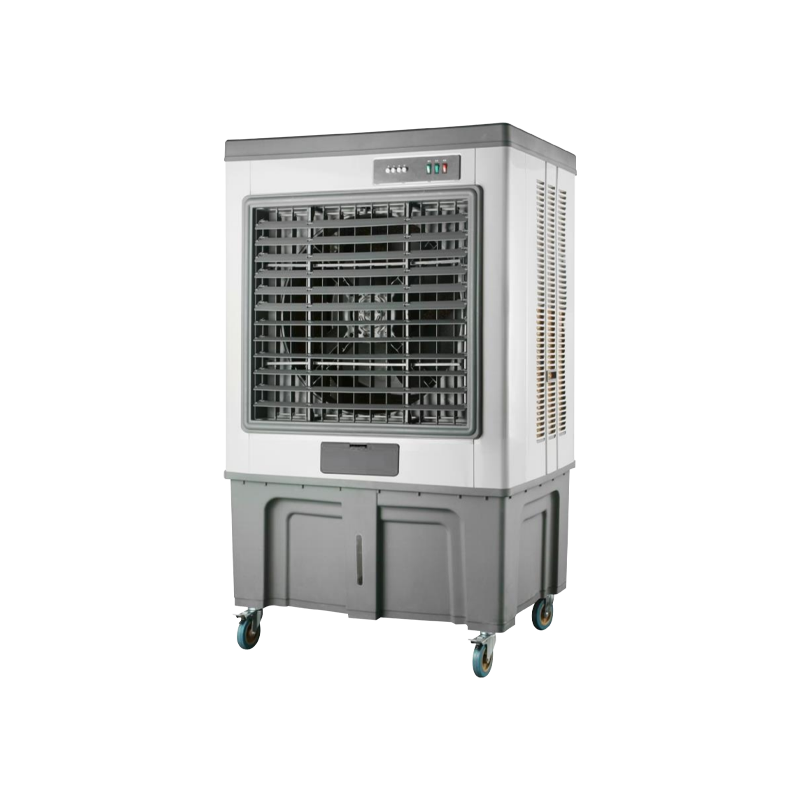
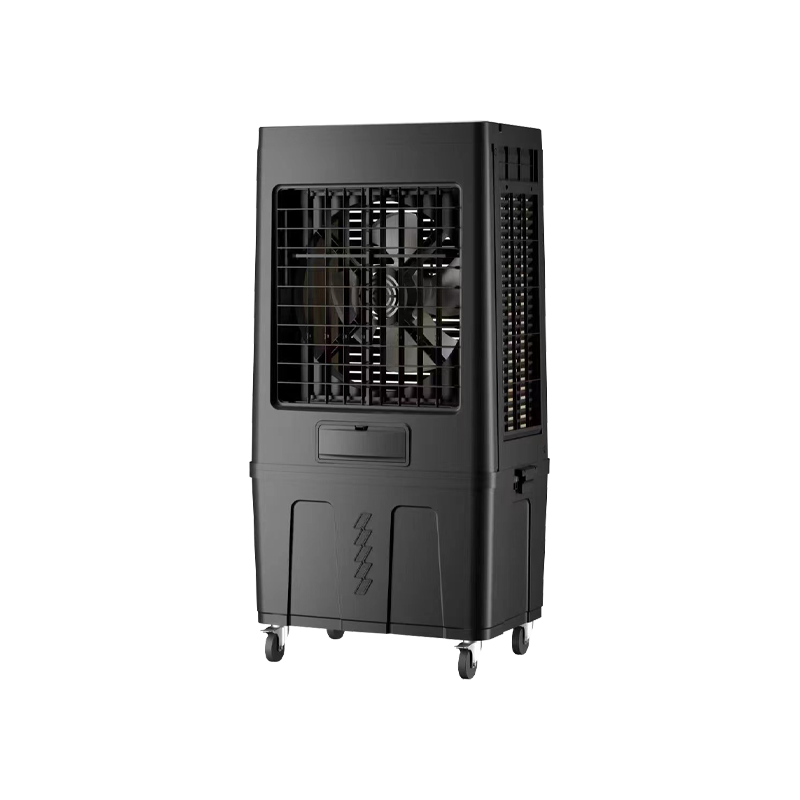
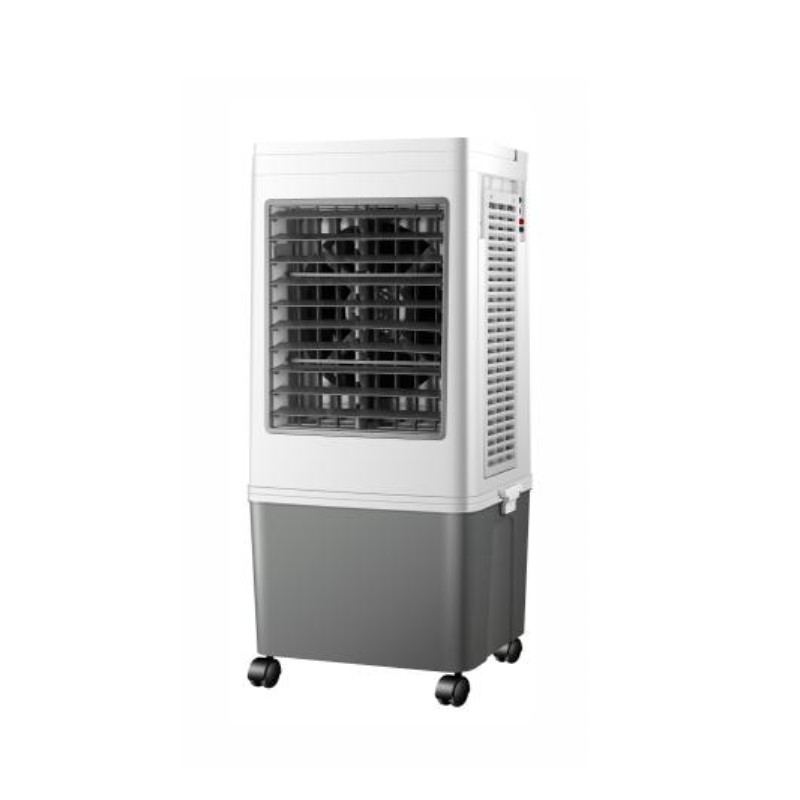
For most rooms, an evaporative cooling fan — also called an air cooler — is the best type of fan for cooling a room. It delivers genuinely cooler air, not just moving warm air around, by using the natural water evaporation process to reduce temperature. Compared with standard electric fans, tower fans, or ceiling fans, an evaporative cooling fan can lower the perceived room temperature by several degrees while simultaneously adding moisture to dry air. For large commercial or industrial spaces, a high-capacity floor-standing model with a water tank of 50L or more provides the coverage and sustained performance that smaller fans cannot match.
That said, the right fan type depends on three variables: the size of the room, the local climate (humidity level), and the intended use — residential comfort or commercial cooling. This article works through each fan type systematically so you can identify which is best suited for your specific situation.
Not all fans cool a room in the same way. Understanding the mechanism behind each type explains why performance varies so dramatically across products in the same price range.
Standard desk and pedestal fans move air across the skin, creating a wind-chill effect that makes people feel cooler. They do not reduce room temperature — the air temperature itself stays the same. A pedestal fan circulates air within a range of roughly 3–5 metres and is effective for personal cooling in small rooms. Power consumption is low, typically 40–70W, but the cooling benefit disappears the moment you leave the airflow path.
Tower fans use a vertical cylindrical design to distribute airflow across a wider vertical range than a standard desk fan. They operate quietly — typically between 40–55 dB on low settings — and suit bedrooms or office environments where noise is a concern. Like pedestal fans, however, tower fans move air rather than cool it. They are best paired with an air cooler in spaces where airflow distribution matters as much as temperature reduction.
Ceiling fans are efficient at circulating air across an entire room and work well as a complement to other cooling solutions. A ceiling fan running in a 20 m² room can make the space feel 3–4°C cooler through the wind-chill effect alone, at an energy cost of just 15–75W. Their limitation is fixed installation — they cannot be repositioned, and they provide no benefit in rooms without adequate height clearance.
Evaporative cooling fans — also marketed as air coolers or swamp coolers — use a water-saturated filter pad and a motor-driven fan to draw warm air through the wet medium. As the water evaporates, it absorbs heat from the passing air, reducing the air temperature before delivering it into the room. This is a physical cooling process, not just airflow management. A well-specified model can reduce localised air temperature by 5–15°C depending on ambient humidity and the airflow rate of the unit. Because they require no refrigerant compressor, they operate at a fraction of the energy cost of a conventional air conditioner — typically 80–180W for a unit capable of cooling a 20–40 m² space.
| Fan Type | Actually Reduces Air Temp? | Typical Power (W) | Coverage Area | Best Environment |
|---|---|---|---|---|
| Desk / Pedestal Fan | No (wind-chill only) | 40–70W | 3–5 m radius | Personal cooling, small rooms |
| Tower Fan | No (wind-chill only) | 30–55W | Up to 15 m² | Bedrooms, quiet offices |
| Ceiling Fan | No (circulation only) | 15–75W | 15–25 m² | Living rooms, fixed installation |
| Evaporative Cooling Fan | Yes (5–15°C reduction) | 80–180W | 20–100 m²+ | Dry climates, homes, commercial spaces |
The fundamental advantage of an evaporative cooling fan over a standard electric or tower fan is that it changes the physical properties of the air, not just its movement. When warm, dry air passes through a water-saturated cooling pad, the water absorbs the thermal energy from the air and evaporates — a process that delivers measurably cooler air into the room. This is the same principle that makes standing near a waterfall feel cooler than standing in still air at the same temperature.
In practical terms, this means an evaporative cooling fan benefits the entire room, not just the person sitting directly in the airflow. A 120W unit with a 50-litre water tank can sustain continuous cooling across a 40–60 m² space — a living room, open-plan office, or retail area — for an extended session before requiring a water refill. Models with intelligent temperature control systems take this further by automatically adjusting fan speed and cooling output based on the current indoor and outdoor temperature difference, maintaining consistent comfort without manual adjustment.
Additionally, unlike air conditioners, evaporative cooling fans operate without a refrigerant compressor. This eliminates the single highest energy-consuming component in conventional cooling systems and removes any reliance on chemical refrigerants. The result is significantly lower electricity consumption — often 80–90% less than a comparable air conditioner — and a cooling solution with no refrigerant emissions, making it suitable for both indoor and semi-outdoor environments.
Evaporative cooling performance is directly affected by ambient humidity. The evaporation rate is highest in dry conditions, delivering the most significant temperature drop. In very humid climates — where relative humidity consistently exceeds 70–80% — the air is already close to saturation and the cooling effect is reduced.
For users in humid climates where evaporative cooling is less effective, a tower fan or pedestal fan combined with good ventilation remains the most practical low-energy solution.
A significant development in the cooling fan category is the 3-in-1 evaporative air cooler, which integrates evaporative cooling, humidification, and air purification functions in a single unit. For residential users and commercial buyers, this multi-function design addresses three common indoor environment problems simultaneously without requiring separate appliances.
The air purification function uses the circulating airflow to capture dust, pollen, and airborne particles through the wet filter medium, effectively reducing indoor pollutants alongside the cooling process. The humidification function adds moisture to environments where prolonged air conditioning or dry seasons leave the air uncomfortably arid — helping to prevent the dry skin, throat irritation, and static electricity associated with overly dry indoor air.
Models with a 12-hour timer and remote control functionality extend this convenience further, allowing scheduled operation and temperature management without requiring manual adjustment. This combination of features makes the 3-in-1 cooling fan particularly well-suited to bedrooms, living rooms, and commercial environments such as internet cafes, exhibition halls, and waiting areas.
Selecting the correct capacity for an evaporative cooling fan is primarily a function of room size and the required operating duration between water refills. The following guide maps water tank capacity and power rating to typical room or space requirements:
For B2B buyers sourcing cooling fans at volume, confirming that the supplier holds relevant safety certifications — including CB Test Certificates and compliance certifications for the target export market — is an important step in ensuring the products meet the regulatory requirements of the destination country.
The best type of fan for cooling a room is the one that matches the physics of your cooling requirement. If you need actual air temperature reduction, an evaporative cooling fan is the clear choice — it delivers cooled, humidified, and in many models purified air across a meaningful coverage area at low operating cost. Standard electric fans, tower fans, and ceiling fans serve a complementary role in air circulation but do not reduce room temperature.
For dry climates and most commercial environments — including workshops, warehouses, retail spaces, and hospitality venues — an evaporative cooling fan running at 80–180W provides a practical, energy-efficient, and environmentally responsible alternative to conventional air conditioning. Choose the water tank capacity and power rating based on room size, and prioritise models with intelligent temperature control, multiple wind-speed modes, and timer functionality for maximum efficiency and convenience.


No.1015 Guanfu Road, Fuhai Town, Cixi City,Zhejiang,China

+86 134-8601-6220



Copyright ? Cixi Bisheng Electrical Appliance Co., Ltd. All Rights Reserved.
Wholesale Portable Air Cooler Manufacturer




 English
 中文简体
中文简体 Español