Content
Place your cooling fan in or near a window facing the outside at night to pull cool air in, or position it across the room from an open window during the day so it pushes warm air out while drawing a cross-breeze through the space. The exact placement that works best depends on the time of day, whether outdoor air is cooler than indoor air, and the layout of your room. The sections below explain each scenario in practical detail.
A cooling fan does not lower the temperature of the air—it moves air, which accelerates evaporation from your skin and creates a wind-chill effect. To genuinely reduce the heat trapped in a room, you need to move hot air out and draw cooler air in. That requires deliberate placement, not just switching the fan on and pointing it at yourself.
During the day, outdoor temperatures are typically higher than indoors—especially in summer. Drawing outdoor air in will make the room warmer, not cooler. The correct daytime strategy is to block heat and exhaust any indoor heat buildup.
Place the cooling fan in the window on the side of the room that receives the most direct sunlight, blowing outward. Keep the blinds or curtains closed on sun-facing windows. Open a window or door on the shaded side of the room to allow indoor air to flow toward the fan and exit. This creates a slow but steady exhaust cycle that removes heat as it builds up.
If your room has only one window, position the fan to blow out of it and open an interior door slightly to give replacement air a path in from a cooler part of the house—a hallway or north-facing room.
After sunset, outdoor air in most climates becomes cooler than the air trapped inside a building that has absorbed heat all day. This is when a cooling fan is most effective at genuinely lowering room temperature.
Place the cooling fan on the window sill facing inward, drawing outdoor cool air into the room. Open a window on the opposite side of the room to allow hot air to escape passively. Running a fan in this configuration for 30–60 minutes can reduce indoor temperature noticeably by replacing the heat-saturated indoor air with cooler outdoor air.
For a whole-floor effect, place one fan drawing air in at one end of the building and open windows at the far end. Hot air rises, so upper-floor windows are the most effective exhaust points. A second fan blowing outward from an upper-floor window accelerates this stack-ventilation effect.
| Room Type | Best Fan Position | Direction | Key Tip |
|---|---|---|---|
| Bedroom | Window sill at night | Inward (intake) | Angle slightly upward so airflow reaches the bed level |
| Living Room | Corner opposite the main window | Oscillating across the room | Open a second window or door for cross-ventilation |
| Home Office | Behind and to the side of the desk | Toward the workspace | Avoid blowing directly on paperwork; use a lower speed setting |
| Kitchen | Window above or near the hob | Outward (exhaust) | Remove cooking heat at source before it spreads to other rooms |
| Small Windowless Room | Doorway, blowing in from a cooler corridor | Inward | Leave the door slightly ajar on the opposite side to allow hot air to escape |
Placing a shallow bowl or tray of ice in front of an inward-facing cooling fan causes the air passing over the ice to drop in temperature before it reaches you. This is not a substitute for air conditioning, but it can make a noticeable difference in a small bedroom or office on a hot night when outdoor air is only marginally cooler than indoors.
Use a wide, shallow container to maximise the surface area of ice exposed to the airflow. Position the bowl approximately 30–50 cm in front of the fan intake. Replace the ice every 45–90 minutes as it melts. A cooling fan with adjustable speed settings works best for this method—a lower speed setting gives the air more contact time with the ice surface.
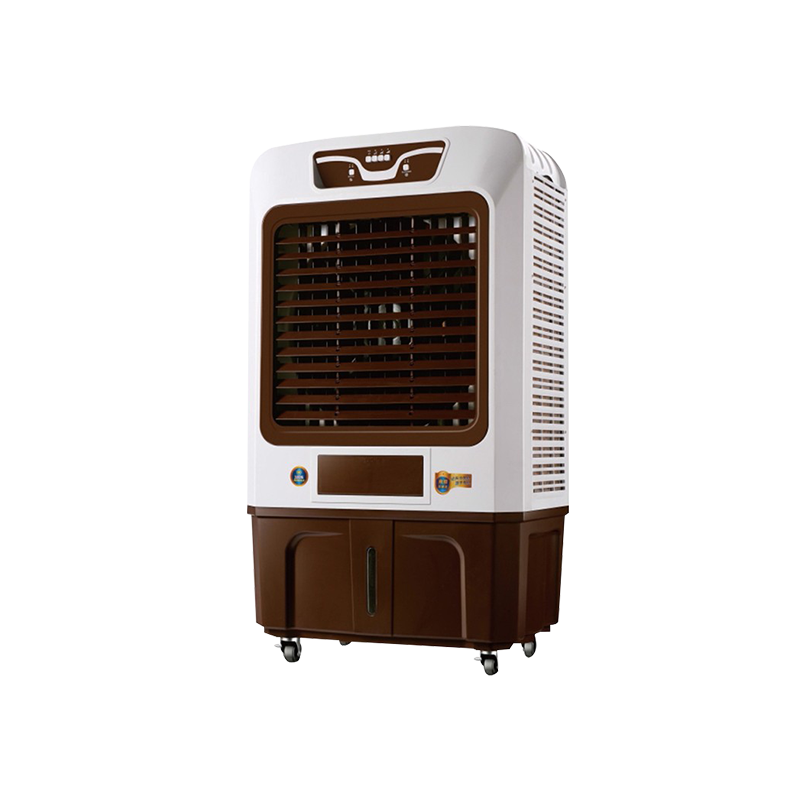
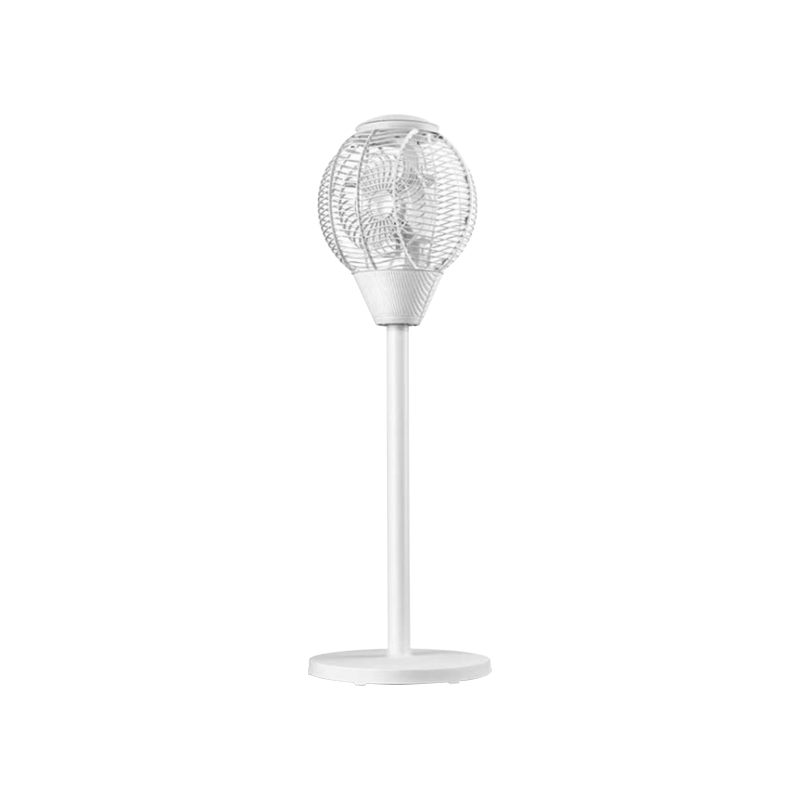
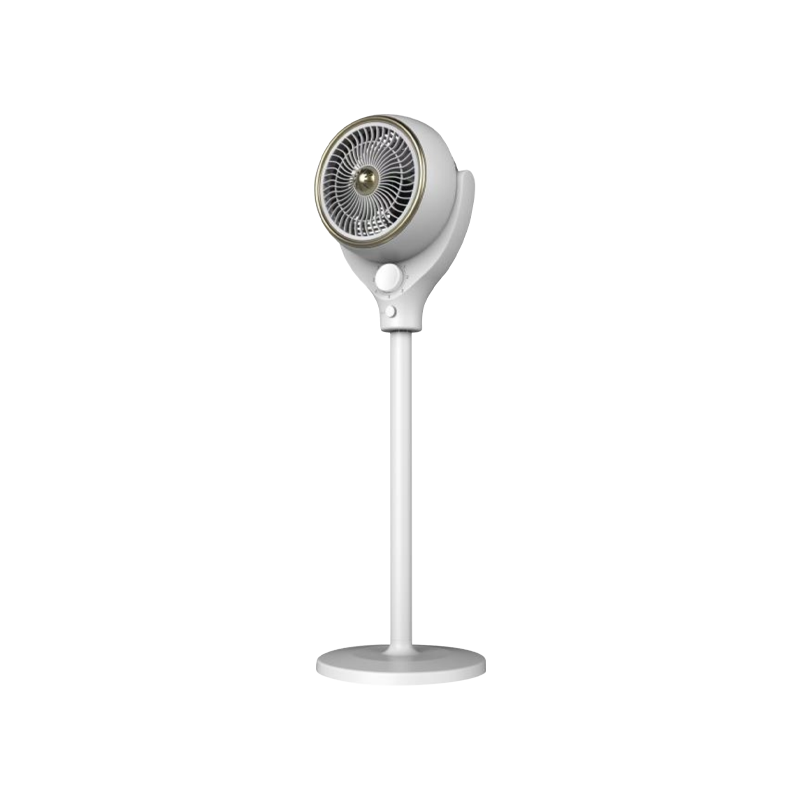
Fan type affects where and how effectively you can position it. Matching the fan design to the placement strategy improves results significantly.


No.1015 Guanfu Road, Fuhai Town, Cixi City,Zhejiang,China

+86 134-8601-6220



Copyright ? Cixi Bisheng Electrical Appliance Co., Ltd. All Rights Reserved.
Wholesale Portable Air Cooler Manufacturer




 English
 中文简体
中文简体 Español