Content
At some point, you have probably touched a metal lid after boiling water and felt how quickly it heats up. You have also felt the warm air rising from a radiator and noticed the heat from the sun through a window. All three experiences are heat transfer, but each uses a different path.
Heat always moves from a warmer region to a cooler one until equilibrium is reached. The three paths are conduction, convection, and radiation. In practical terms, conduction is heat carried by direct contact; convection is heat carried by the movement of a fluid; radiation is heat carried by electromagnetic waves. Once you can tell them apart, you can make better sense of how heating and cooling equipment really works.
Conduction happens when atoms and molecules in a material pass energy to their neighbours through collisions. The hotter end has faster-moving particles, and those particles transfer kinetic energy to slower particles next to them. Think of a long metal rod with one end in a flame: the far end becomes hot even though it is not touching the flame. The energy moves along the rod particle by particle.
Metals are excellent conductors because their free electrons shuttle energy quickly through the structure. That is why thick copper or aluminium sections are used in heat sinks and cooling coils. Insulators such as wood, plastic and fibreglass have the opposite effect; they slow down heat transfer. In daily life, a wooden spoon stays cool in a hot pot, while a metal spoon becomes uncomfortable to hold.
In an evaporative air cooler, conduction is part of the process at a small scale. The water in the wet pad is kept at a lower temperature than the incoming air, so heat moves from the air to the water film before evaporation takes over. The pad's surface area and water distribution determine how effective this conduction step is.
While conduction relies on stationary material, convection depends on movement. In a gas or liquid, warming a portion of the fluid makes it less dense, so it floats upward. Cooler fluid then moves in to fill the gap. This creates a cycle called a convection current. In a room, a heater near the floor makes warm air travel upward; as the air cools, it sinks and creates a loop. Forced convection does the same job with a fan, pushing air over heated or cooled surfaces and distributing it more quickly.
Most portable cooling fans and air coolers are forced-convection devices. They draw room air through a wet evaporative pad, and the fan drives the cooled air into occupied spaces. Instead of simply stirring warm air, they add moisture and rely on the latent heat of vaporisation to drop the air temperature. This is why airflow rate, fan speed settings, and louver position are not marketing fluff — they define how effectively the convection loop reaches you.
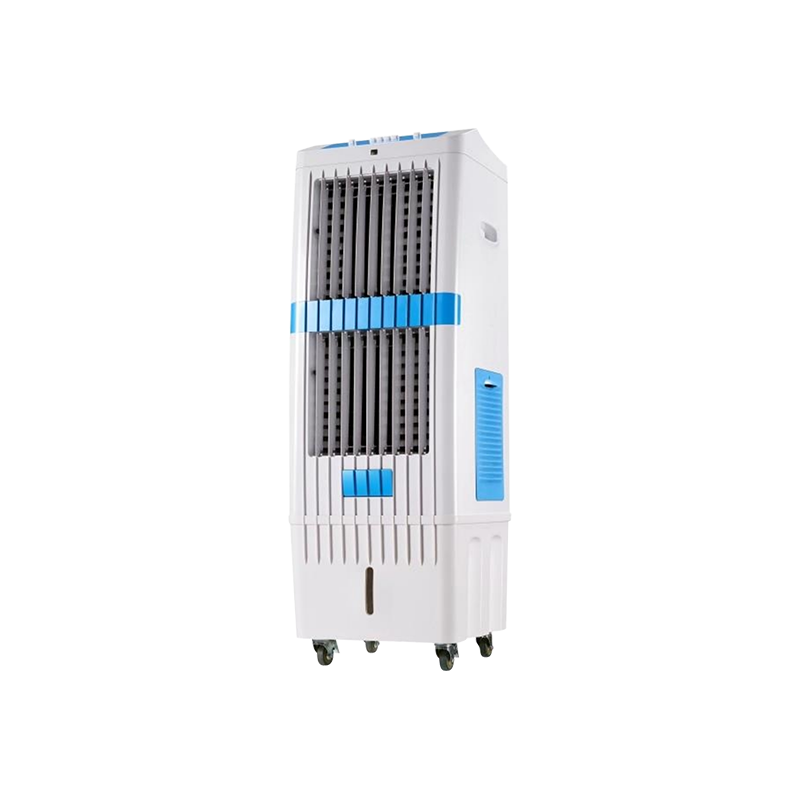
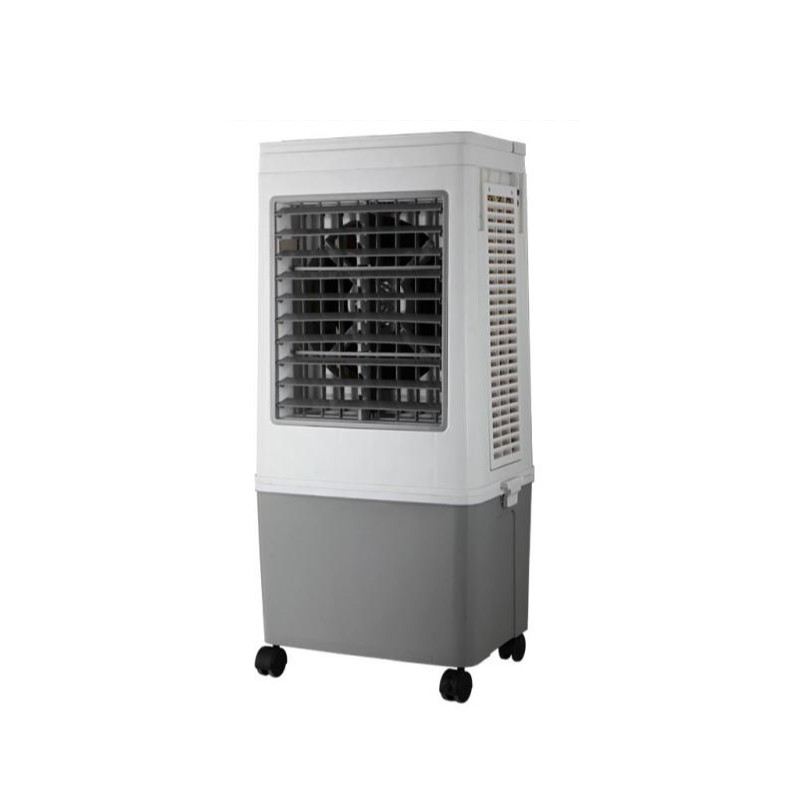
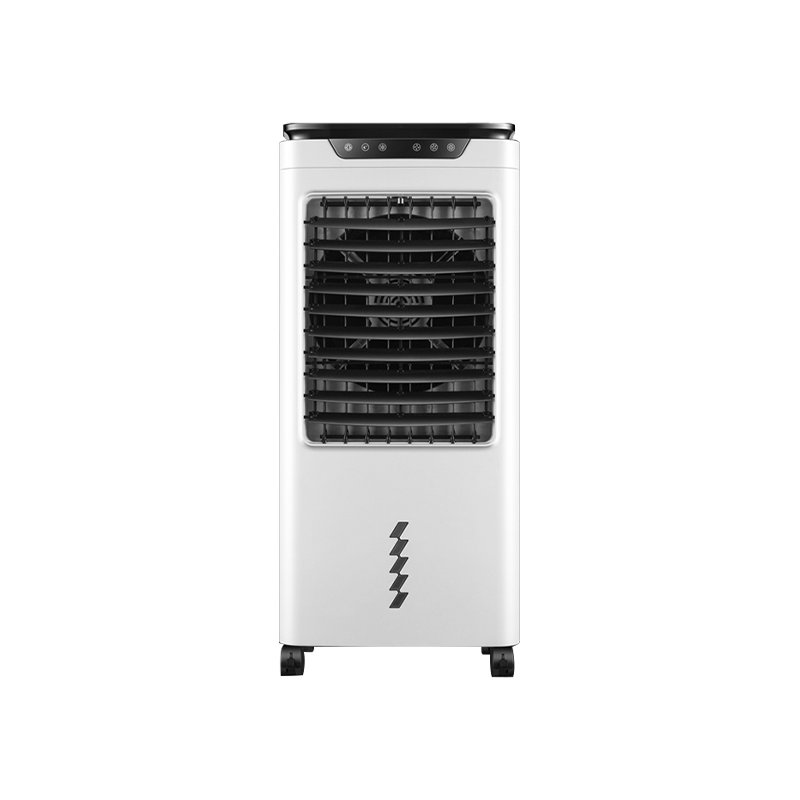 36-Liter Three-Mode Portable Evaporative Air Cooler LBW-65OORCThis portable evaporative cooler offers three fan speeds to adjust airflow intensity, making it suitable for rooms of different sizes. Its 36-liter tank supports continuous cooling while the fan draws air through a wet pad to lower temperatures.View Product →
A unit with multiple speed modes gives you control over the intensity of the convection loop. In a small office or bedroom, a lower speed may be sufficient; in a larger room, a higher speed can push the cooled air further. When you see the term "three-mode" in a product name, it usually refers to different fan speeds that alter the strength of the airflow, not to different heat transfer mechanisms.
Radiation needs no material medium at all. Every object emits electromagnetic radiation based on its temperature; for everyday objects, this is mostly infrared. This type of heat transfer can pass through air and even through the vacuum of space. The solar energy that reaches the Earth is the most familiar example. When you stand close to a fire or a radiant heater, you feel warmth on your face even if the air around you is cold, because the radiation is transferred directly to your skin.
Surface properties strongly affect radiation. Dark, matte surfaces absorb a lot of radiant energy and re-emit it; shiny, polished surfaces reflect a large share. This principle appears in building design and appliance finishes. For a cooling product, the housing colour and material may influence how much radiant heat the unit picks up from sunlight, especially in outdoor or warehouse placements.
Radiation is also involved when an air cooler creates a cooler microclimate around you. By lowering the air temperature and increasing evaporation on your skin, it reduces the amount of longwave radiation you absorb from surrounding surfaces. That is one reason an evaporative cooler can make a person feel comfortable even in a room where the measured air temperature is still moderate.
The following table summarises the three mechanisms in a side-by-side format.
| Mechanism | Medium Needed | How It Works | Everyday Example |
|---|---|---|---|
| Conduction | Solid, but can occur in liquids and gases | Direct contact; vibrating particles pass energy from warmer to cooler regions | Metal spoon heating up in hot soup |
| Convection | Fluid (liquid or gas) | Warmer fluid rises, cooler fluid falls, creating a circulation loop | Hot air rising from a radiator; cool air from an air cooler |
| Radiation | None; travels through a vacuum | Electromagnetic waves carry energy that is absorbed by surfaces | Sun heating your skin; warm glow from a fire |
Real-world heat transfer rarely happens through a single mechanism. Boiling water involves conduction through the pot, convection within the water, and radiation from the hot surface. The same is true for cooling equipment. An evaporative air cooler primarily uses forced convection and evaporation, but its tank and housing exchange heat by conduction, and its surface emits or absorbs radiation depending on the environment. That mix is normal and important to understand.
When you choose an air cooler, the heat transfer mechanism tells you a lot about what to expect. A purely radiant heater warms people and objects, not the air; a convection-based cooler moves a large volume of air and changes how the room feels. For evaporative air coolers, the key performance factors are the surface area of the wet pad, the airflow rate, and the water tank capacity. These factors determine how much heat can be absorbed through evaporation and how far the cooled air can travel.
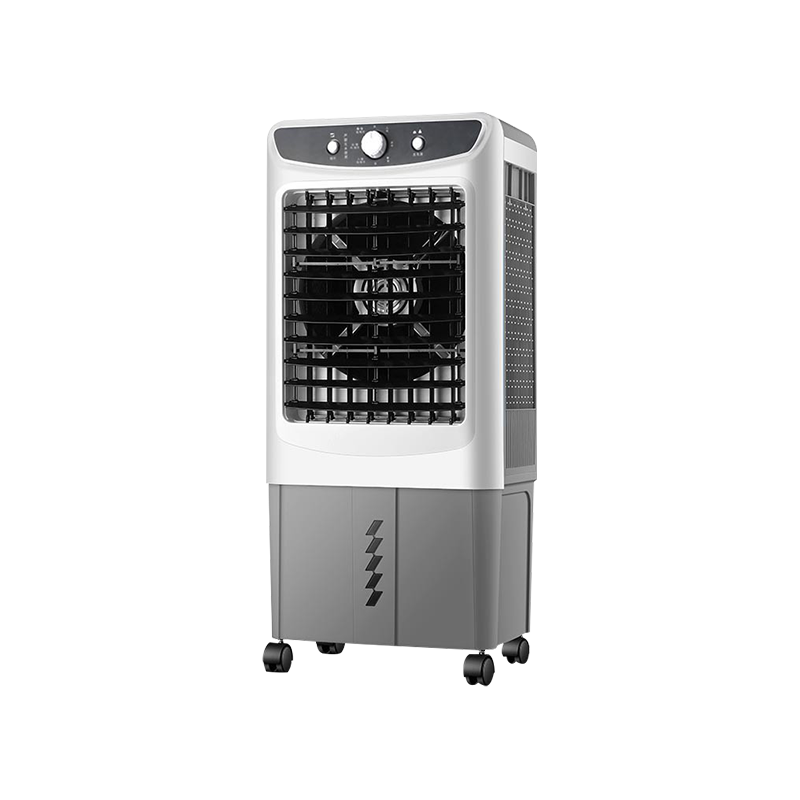
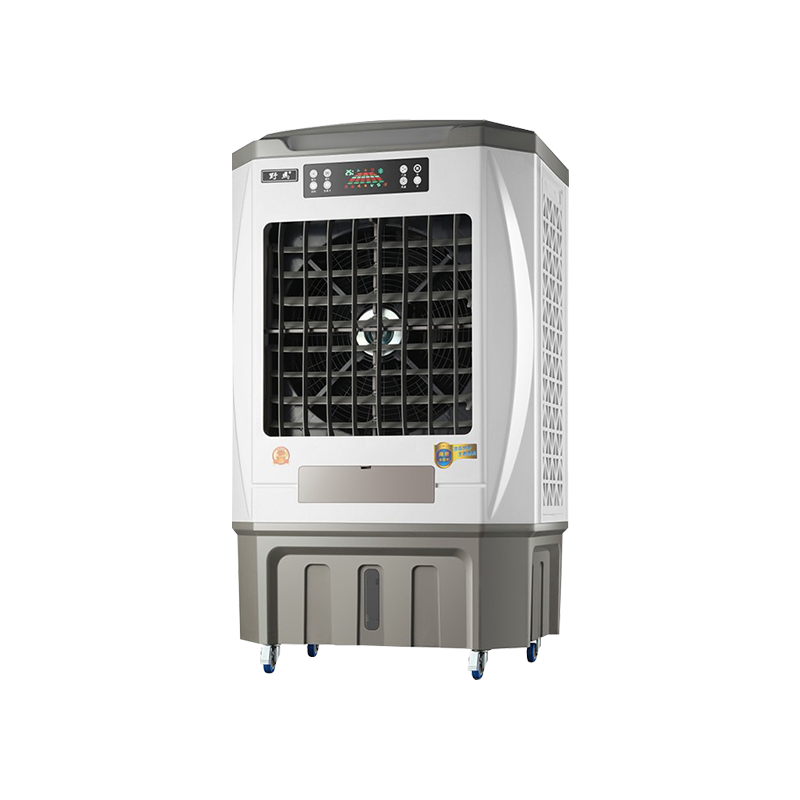
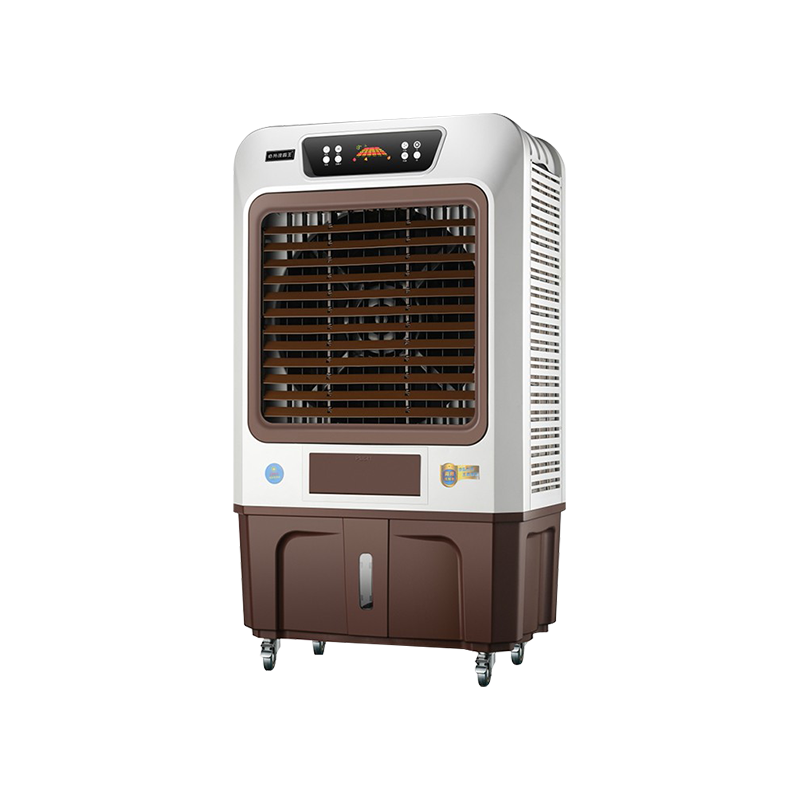
For a large room or an industrial point-of-use setting, a bigger water tank and a stronger fan are usually worth the extra floor space. Take the 120L large-capacity floorstanding evaporative air cooler, which is designed for both industry and home. Its large water reservoir supports longer continuous operation, while the floor-standing form places the cooled airflow closer to occupants. From a heat transfer perspective, the unit expands the wetted surface area and uses a powerful fan to drive forced convection.
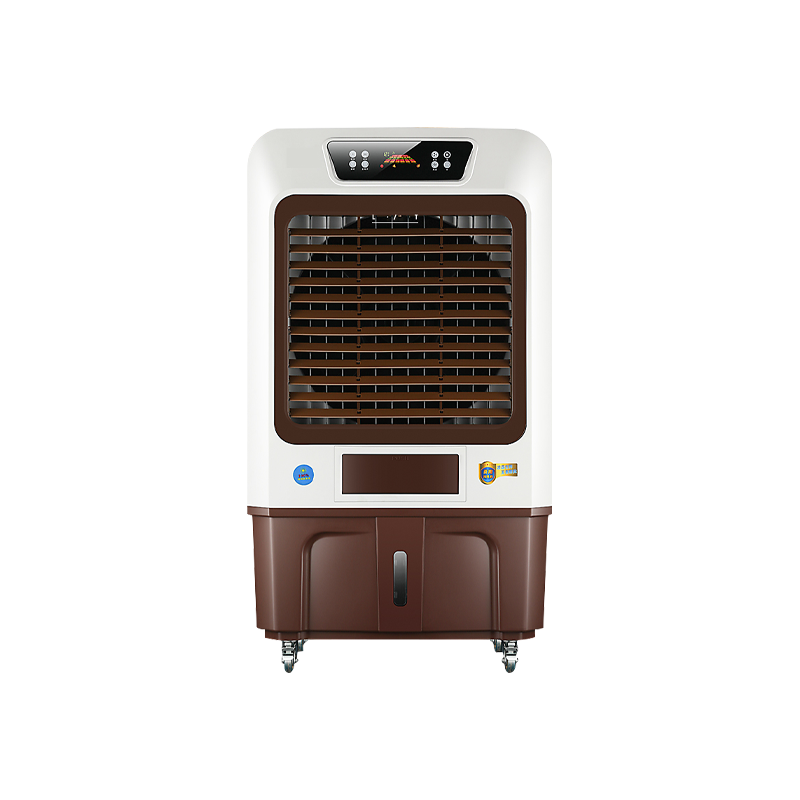 120-Liter Floor-Standing Evaporative Air Cooler for Home and IndustryDesigned for large spaces, this floor-standing unit combines a 120-liter water reservoir with a powerful fan to sustain evaporative cooling over extended periods. It provides efficient airflow for workshops, halls, or open-plan areas.View Product →
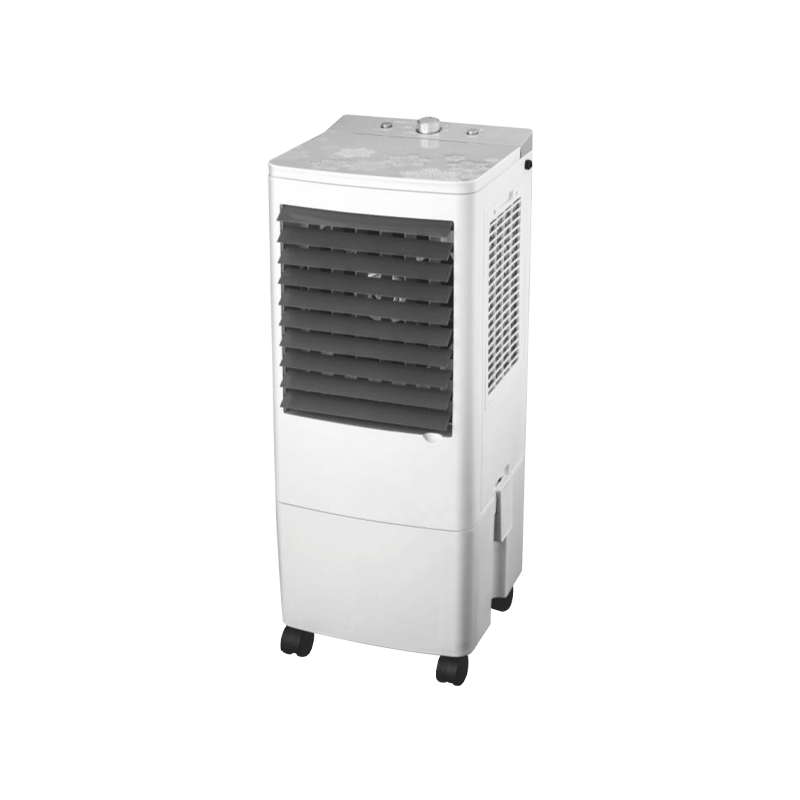
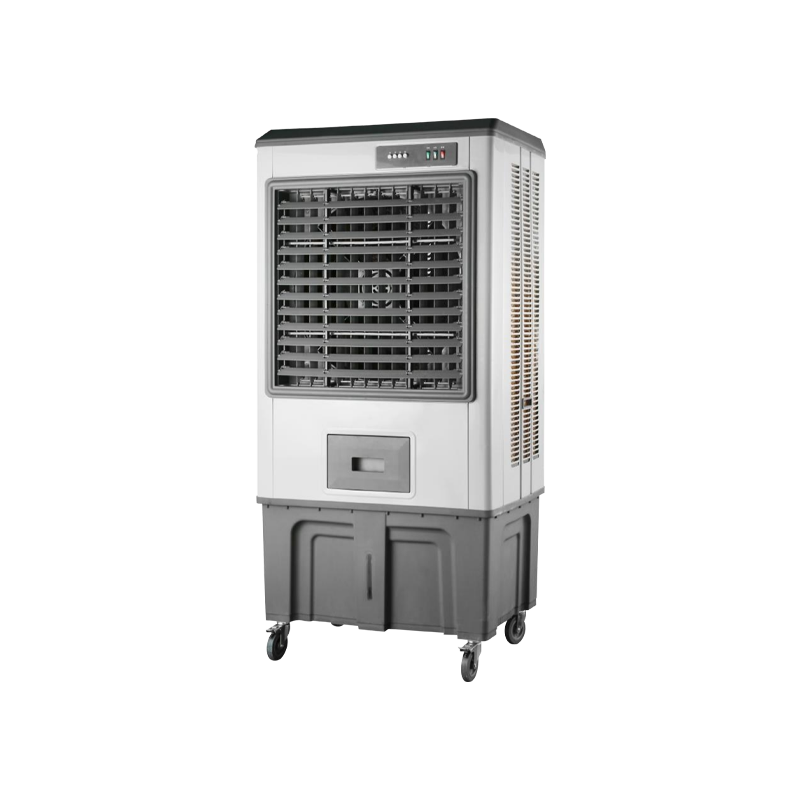
If you need maximum runtime and heavy-duty airflow in a workshop or an open hall, a very large reservoir can be the deciding factor. The 260L large-capacity water tank three-mode air cooler is an example of a unit built for sustained use; the large water supply minimises the interruption for refilling and keeps the evaporative process running steadily.
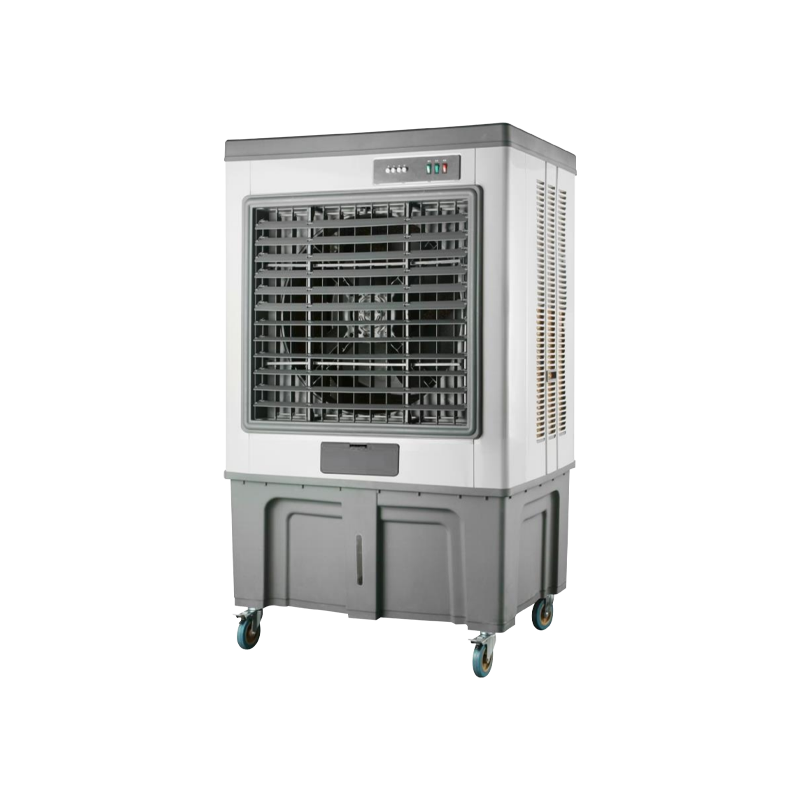 260-Liter Three-Mode Air Cooler with Large Water TankThis heavy-duty air cooler features a 260-liter water tank and three fan modes, minimizing refill interruptions during prolonged use. It is built for sustained evaporative cooling in workshops or large rooms, delivering steady airflow.View Product →
The same principle applies for smaller rooms: you do not need a huge water tank if the room is small and the cooler will only run occasionally. What matters is matching the airflow and cooling capacity to the space. More speed modes give you flexibility to scale the convection strength up or down. Many facilities are also shifting to evaporative cooling as part of a green strategy; if you are evaluating options, our article on how evaporative air coolers are leading the new trend of green cooling explains the basic benefits in more depth.
Conduction works by contact, convection works by fluid movement, and radiation works by electromagnetic waves. They are not competing explanations; they work together in almost every real system. The next time you compare air coolers, radiators, or heat sinks, ask which mechanism is doing the main job and how the other two assist. That simple habit will help you read specifications, set performance expectations, and choose equipment that matches your space.


No.1015 Guanfu Road, Fuhai Town, Cixi City,Zhejiang,China

+86 134-8601-6220



Copyright ? Cixi Bisheng Electrical Appliance Co., Ltd. All Rights Reserved.
Wholesale Portable Air Cooler Manufacturer




 English
 中文简体
中文简体 Español