Content
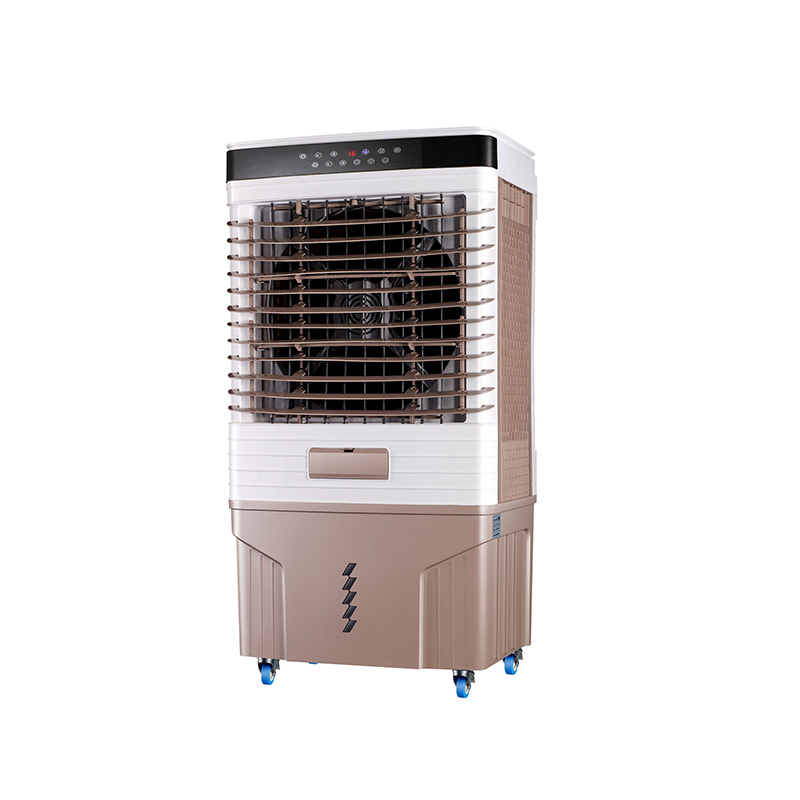
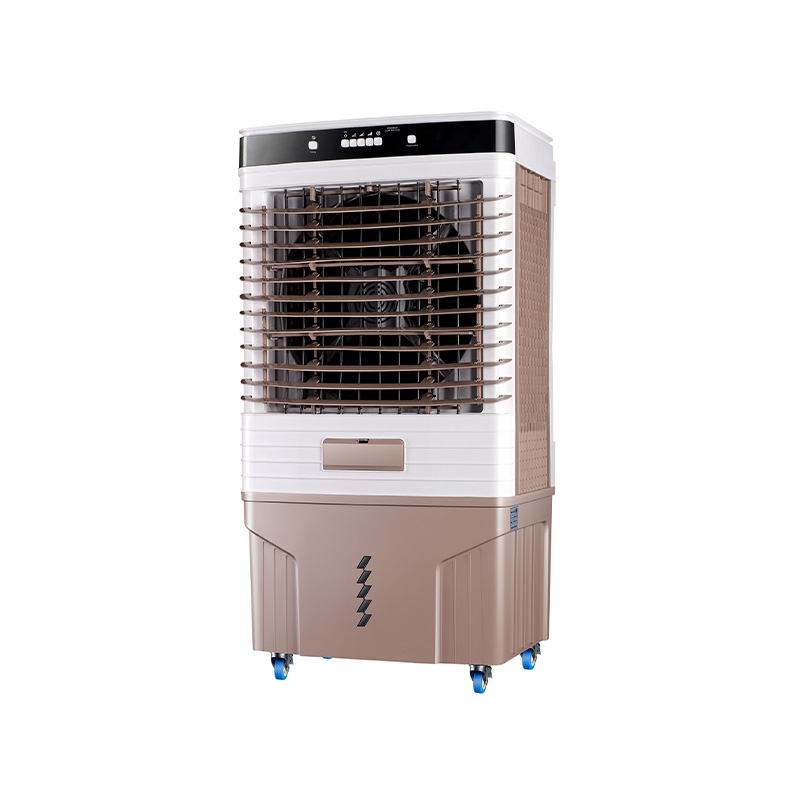
The key to avoiding damp floors caused by evaporative air coolers is controlling humidity, choosing the right equipment, and ensuring good air circulation. Proper equipment selection, placement, regular cleaning, and humidity management can effectively reduce the impact of evaporative cooling on indoor humidity, thus preventing damp floors.
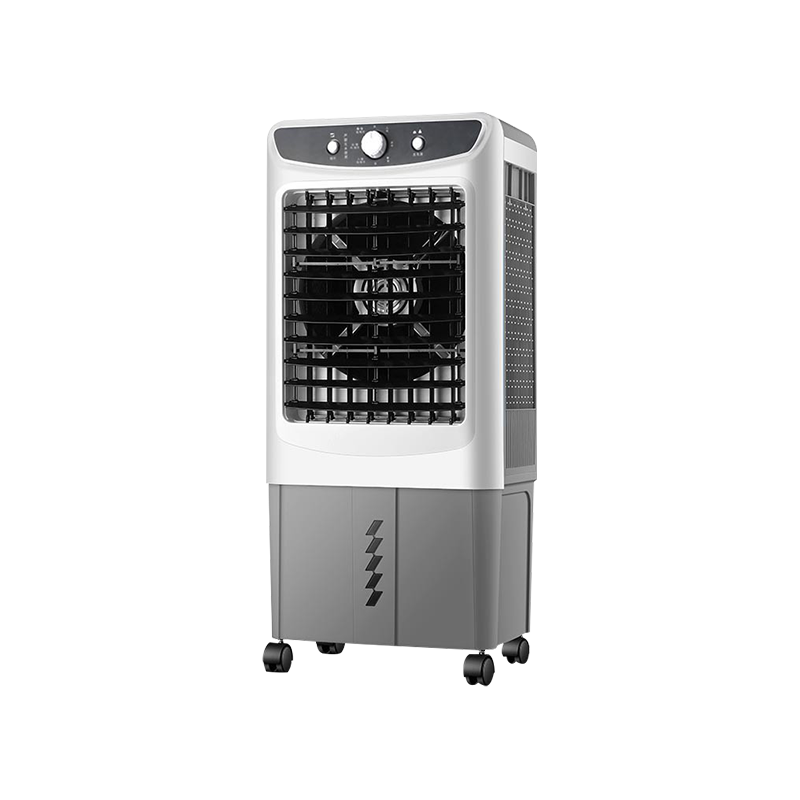
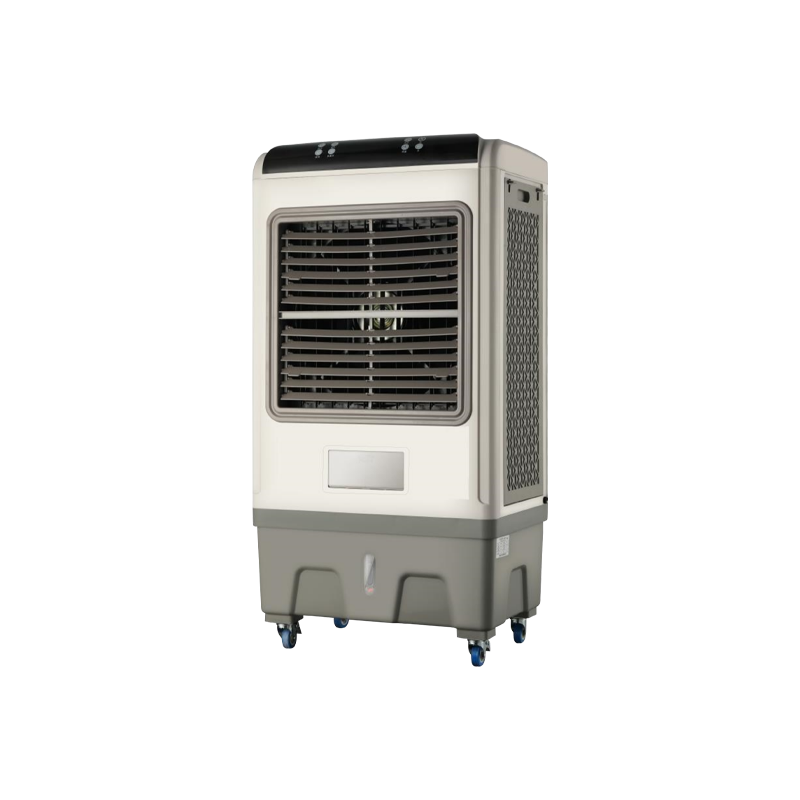
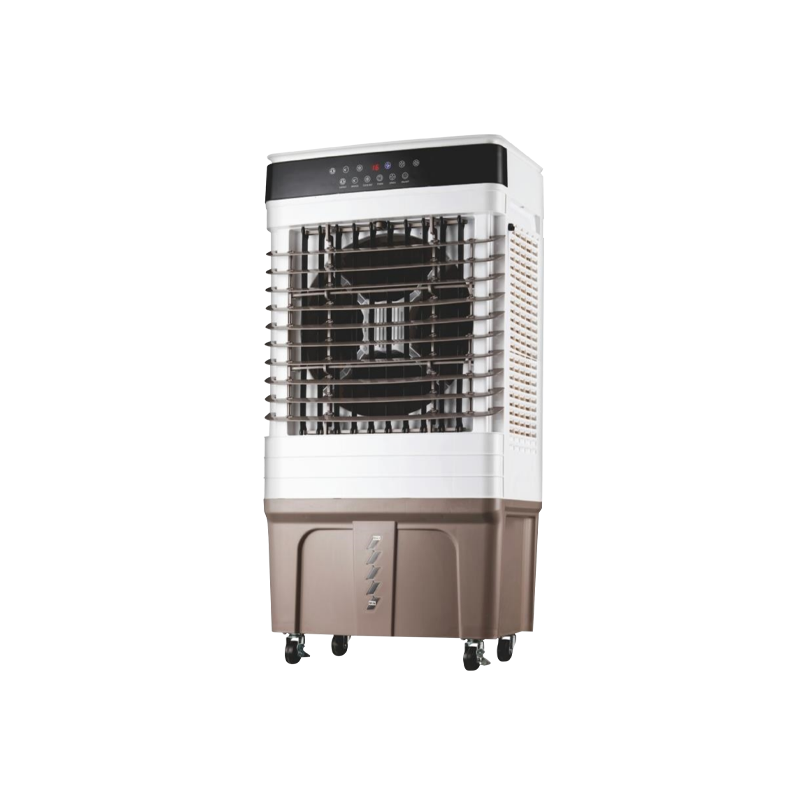
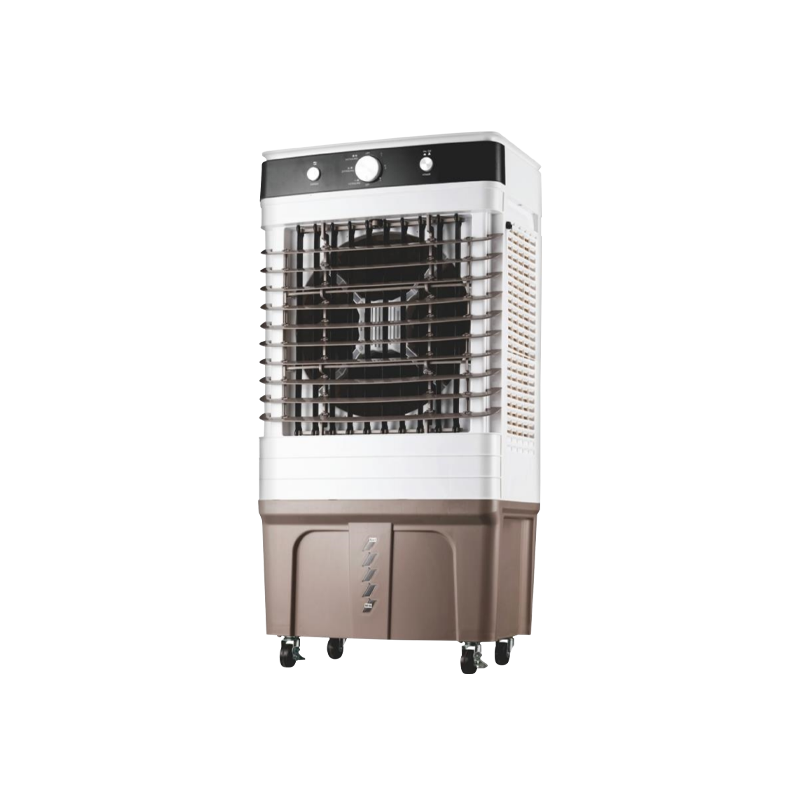
The first step to avoiding damp floors is choosing an evaporative air cooler with humidity control. Evaporative air coolers cool by evaporating water; if they emit too much moisture, it can easily lead to excessively high indoor humidity, resulting in damp floors. Therefore, it is recommended to choose an air cooler with a humidity control system or one that adjusts humidity levels. This allows for adjustments to fan speed and humidity output to prevent excessive moisture buildup.
For example, some high-end evaporative air coolers are equipped with intelligent humidity sensors that monitor air humidity in real time and automatically adjust the amount of water evaporation. These devices can help maintain indoor humidity within a comfortable range (40%-60%), preventing excessive moisture.
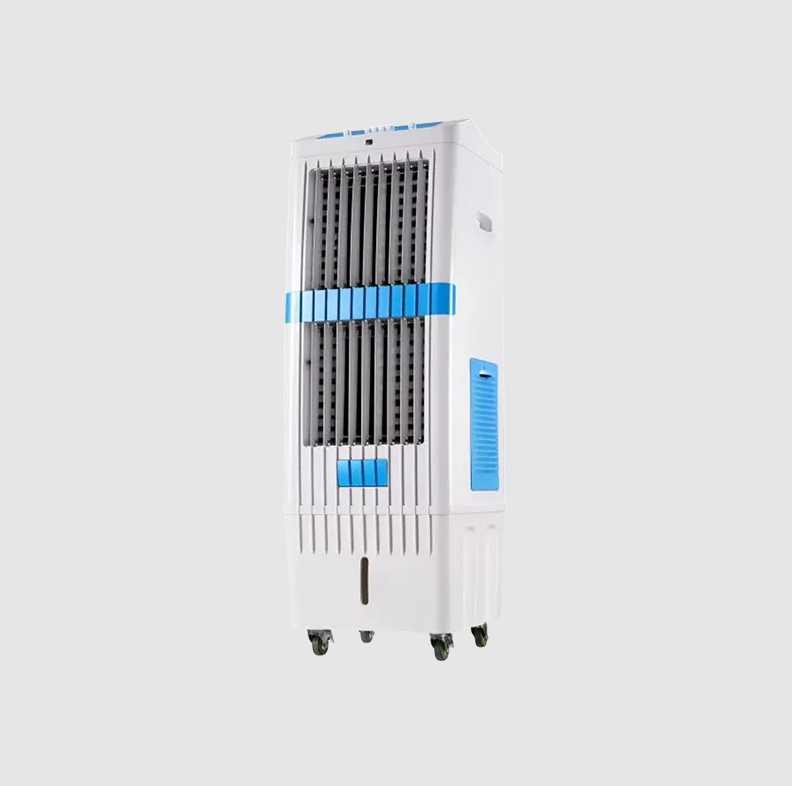
The placement of the air cooler is equally important in reducing damp floors. Evaporative air coolers should not be placed directly on the floor. The best location is to place them on one side or in a corner of the room to ensure even distribution of cool air, rather than concentrating it on the floor. Placing the air cooler in a well-ventilated area helps to evenly distribute moisture throughout the room, preventing excessive humidity in any one area.
For example, placing the air cooler near a window allows natural ventilation, combining the cool air with dry outside air, effectively reducing indoor humidity. These simple techniques can significantly reduce the feeling of dampness caused by the air cooler.
To effectively prevent damp floors caused by evaporative air coolers, controlling indoor humidity is crucial. The ideal indoor humidity should be maintained between 40% and 60%. If the humidity exceeds this range, excessive moisture in the air can easily make the floor damp and may even affect walls and furniture.
Humidity can be regulated in the following ways:
By monitoring the humidity, you can understand when the air humidity is too high and adjust the air cooler's operating status accordingly.
If indoor humidity remains consistently high, use a dehumidifier to help remove excess moisture and maintain a suitable humidity level.
Air conditioning not only cools the room but also effectively dehumidifies. Especially during the rainy season or in areas with high humidity, the dehumidifying function of an air conditioner helps keep the room dry.
For example, in a 20-square-meter room using an evaporative air cooler, if the humidity is not controlled between 40% and 60%, excessive humidity can cause the floor to feel damp. In this case, using a dehumidifier appropriately can easily control the humidity within a suitable range.
The proper operation of an evaporative air cooler requires regular cleaning and maintenance. If dust, scale, or bacteria accumulate on the wet film or water tank of the air cooler, it can lead to uneven water evaporation, causing localized moisture concentration and affecting floor drying. Therefore, keeping the equipment clean not only helps improve its efficiency but also reduces moisture buildup caused by equipment problems.
For example, when using an evaporative air cooler, cleaning the water tank and wet membrane every two months effectively removes accumulated impurities and maintains the equipment's optimal operation. This ensures efficient water evaporation and reduces the impact of moisture on the indoor environment.
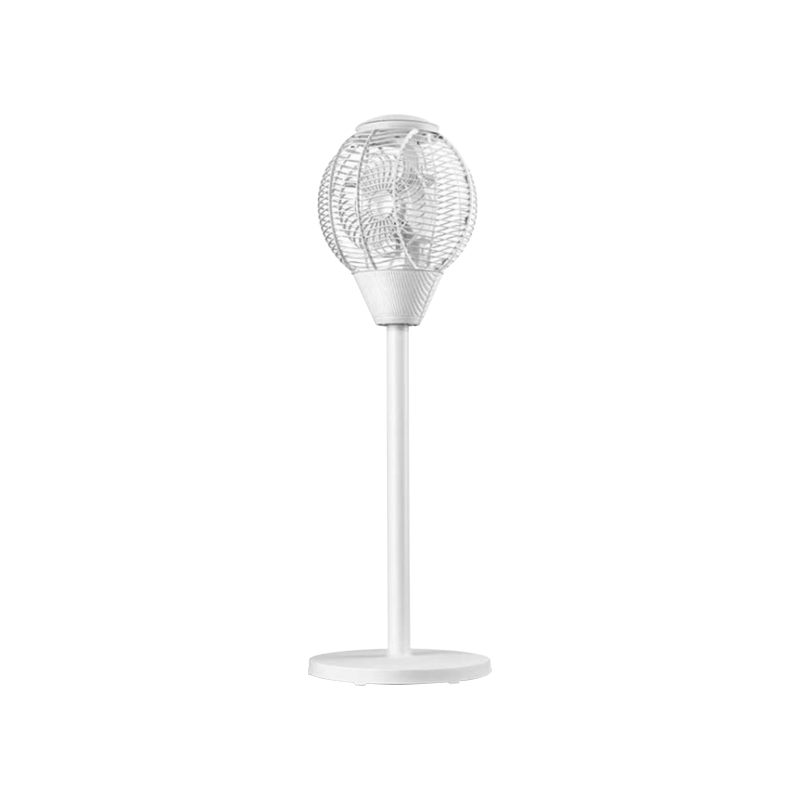
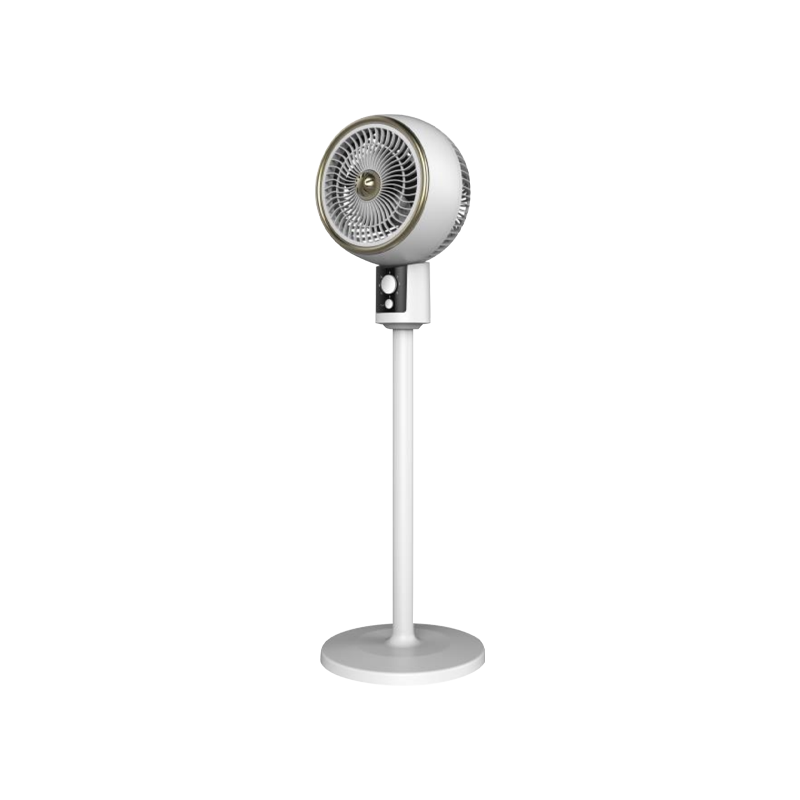
Good air circulation is a key factor in preventing damp floors. Even with a high-efficiency evaporative air cooler, moisture will accumulate in the air if indoor air circulation is poor. Promoting airflow by opening windows and using fans helps to better disperse and remove moisture.
For example, in warm summers, opening windows while using the air cooler allows for better airflow, significantly reducing the impact of moisture on the floor.
Avoiding damp floors caused by evaporative air coolers is not difficult; the key is to choose the right equipment, adjust its location, control indoor humidity, and clean the equipment regularly. By using these methods, you can enjoy cool air while maintaining a dry and comfortable indoor environment.


No.1015 Guanfu Road, Fuhai Town, Cixi City,Zhejiang,China

+86 134-8601-6220



Copyright ? Cixi Bisheng Electrical Appliance Co., Ltd. All Rights Reserved.
Wholesale Portable Air Cooler Manufacturer




 English
 中文简体
中文简体 Español