Content
Cooling speed is not the rotation speed of the fan blade. In an evaporative air cooler, it is the rate at which the temperature of a space falls when the cooler is running. That rate depends on air velocity, water evaporation, the surface area of the wet pad, and the heat load in the room. It is also why a lower fan setting can sometimes feel cooler than a higher one.
Imagine two identical workshop bays on a 34 °C afternoon. One bay uses a 50 L portable cooler running at maximum fan speed. The other uses an older evaporative air cooler set to medium speed. After 20 minutes, the second bay feels noticeably less oppressive. The explanation is not magic: the medium-speed unit lets the air spend more time in contact with the wet curtain, so the air leaving the cooler is a few degrees lower.
For a manufacturer, cooling speed is a system result, not a single switch position. Three measurable signals define it:
The most overlooked factor is wet curtain filtration. The wet pad is the heat-exchange interface. More layers and a larger wetted surface force the incoming air to stay in contact with water longer, which improves evaporation and lowers the discharge temperature. The trade-off is increased resistance to airflow, so the same fan will push less air when the pad is thick.
Contact time is the bridge between fan speed and cooling speed. If air rushes through the pad in a fraction of a second, it can only absorb a small amount of moisture. If it spends a little longer, the same air can leave 6–9 °C cooler, depending on indoor humidity. That wider temperature difference is what makes a room feel cold faster, even though the fan is turning more slowly.
| Measurement level | What it tells you | Why it matters |
|---|---|---|
| Discharge temperature drop | Difference between ambient intake air and air leaving the unit | Shows how well the wet pad and pump convert water into cooling. |
| Room temperature decay | Time needed for a target area to fall by a set number of degrees | Reveals whether the airflow matches the size of the heat load. |
| Perceived comfort | Skin-level wind chill, humidity and air movement | Explains why a slower speed can feel colder under some conditions. |
Every fan speed setting creates a different balance between air reach and temperature drop. At maximum speed, the fan pushes more air across the room, which increases wind chill and covers a larger area. But it also shortens the time air spends inside the wet curtain. The water film has less chance to evaporate, so the air leaves with a smaller sensible temperature drop. You get movement, not necessarily cooling.
This is why products with multiple wind speed modes are not just a convenience. They allow the user to adjust the contact time based on outdoor humidity and room size. On a dry day or in a compact space, medium speed often outperforms high speed. On a hot and humid day, a high-speed setting at least keeps air moving across the skin and slows the rise of perceived temperature.
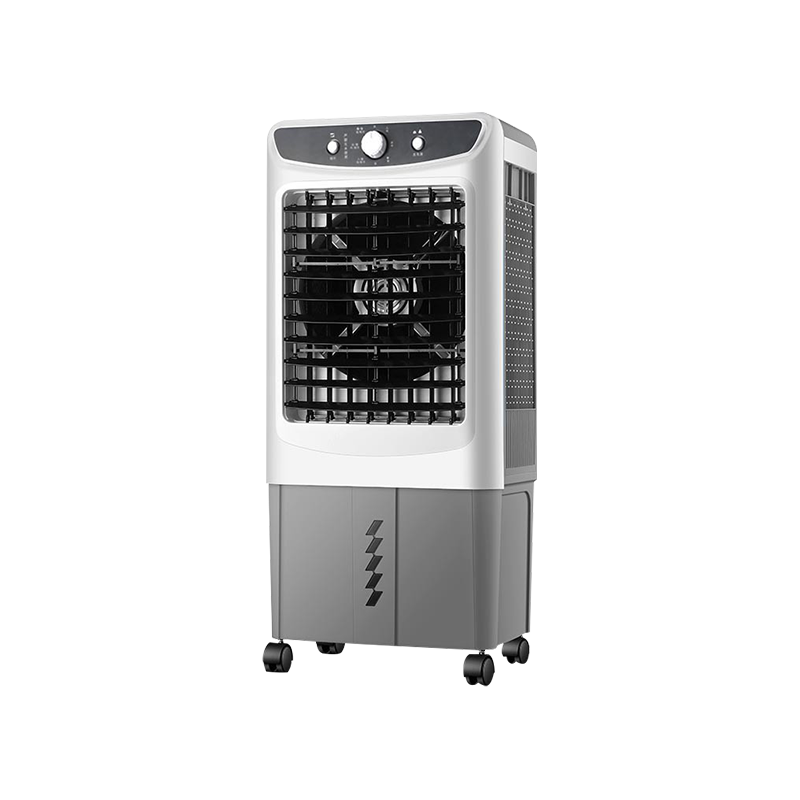
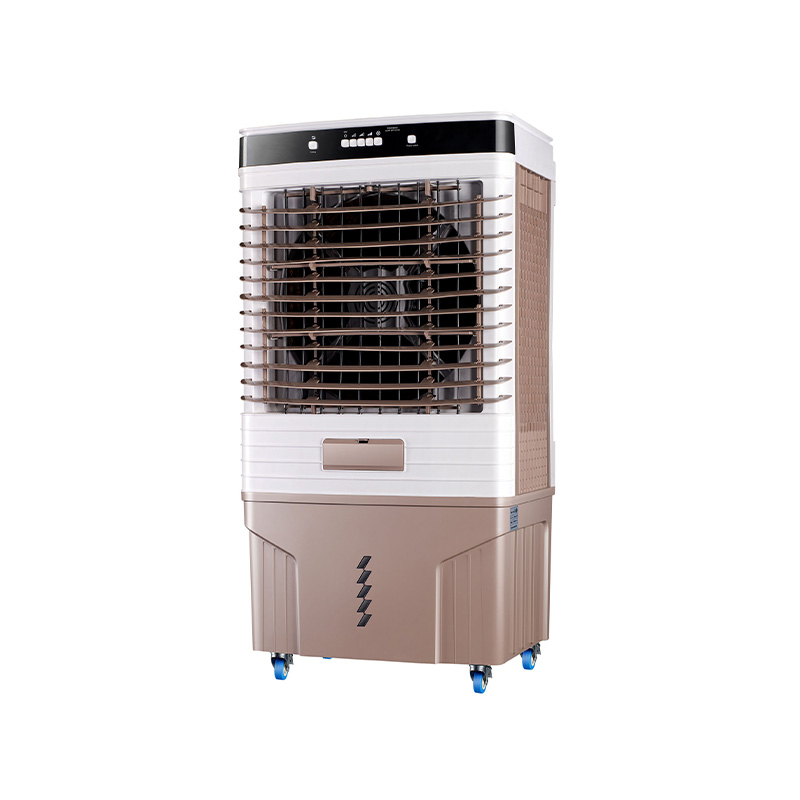
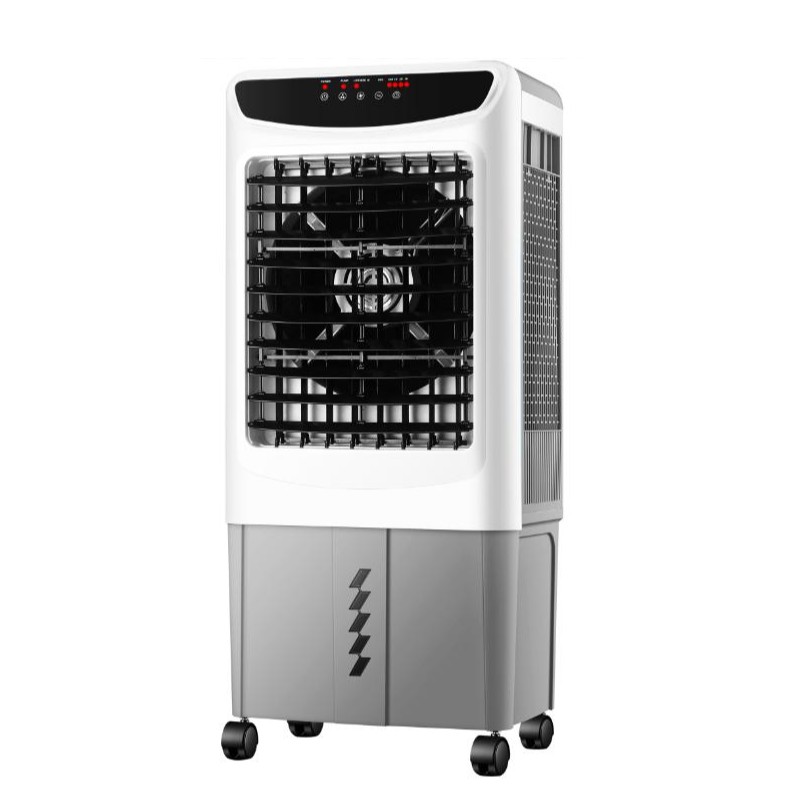
For example, the LBW8800 portable air cooler gives you that balance with three clearly separated speed modes.
 LBW-8800 Portable Air Cooler with Three Speed Modes and Low NoiseThis three-mode portable air cooler balances airflow and cooling through clearly separated speed settings, making it a practical choice for rooms where fan speed and heat removal need to be adjusted independently.View Product →
Fan speed controls the movement of air; cooling speed controls the heat that air removes. They are two different things.
The right cooling speed is the one that matches the air delivery rate to the space's heat load. A portable cooler with a small tank and a light airflow rating can cool a 15–25 m² office if the ceiling is low and the heat load is modest. The same unit will struggle in a 60 m² workshop with metal machinery radiating heat.
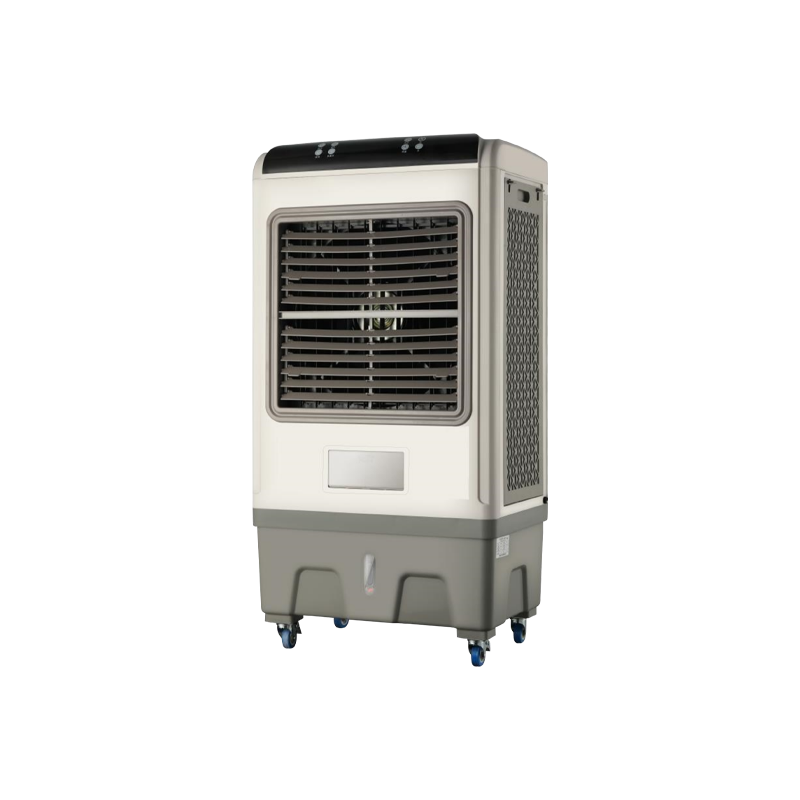
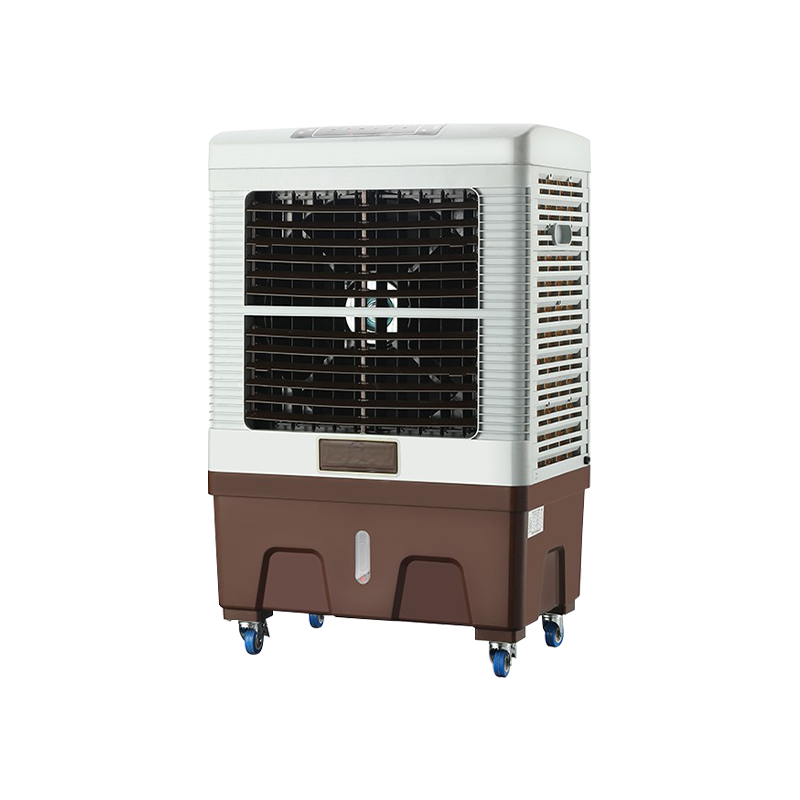
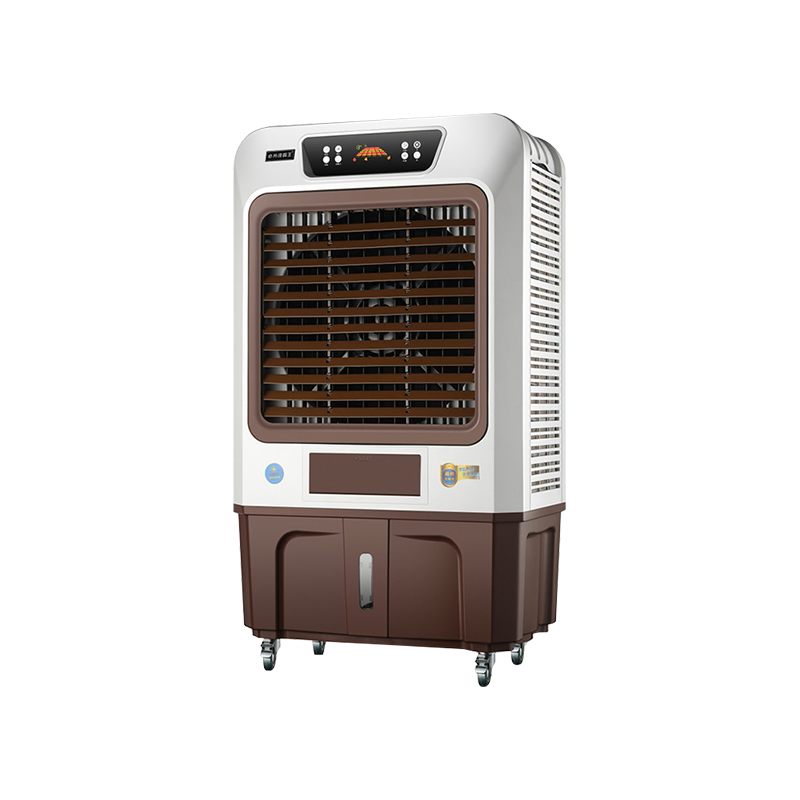
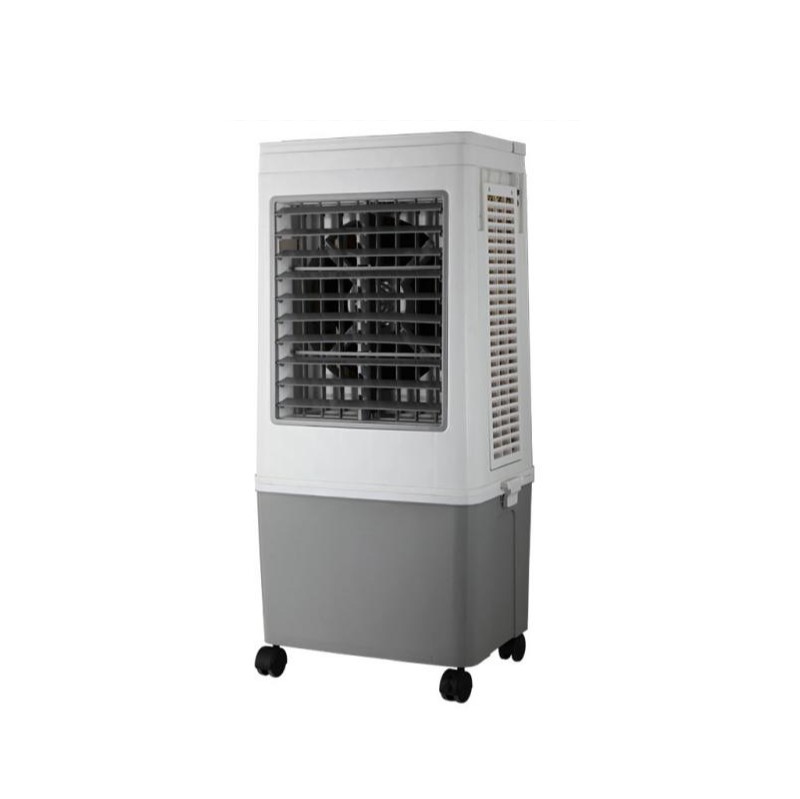
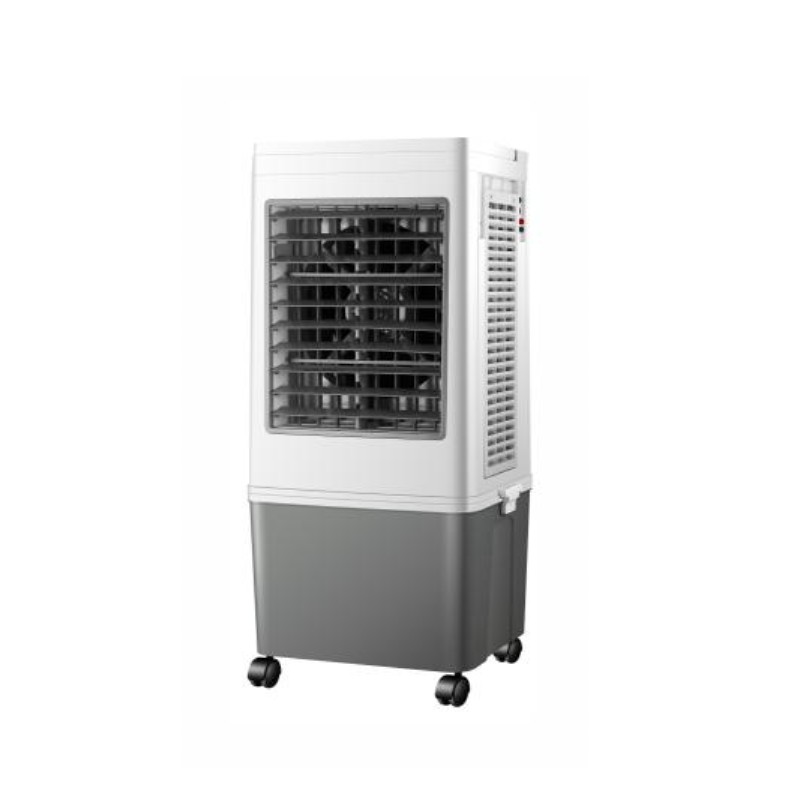
For rooms around 25–40 m², a 36 L three-mode portable cooler like the LBW6500RC is a practical balance between air reach and temperature drop. It can be moved close to a workbench or placed centrally for broader coverage. The key is to look at the declared airflow and the discharge temperature drop together, not just the fan speed labels.
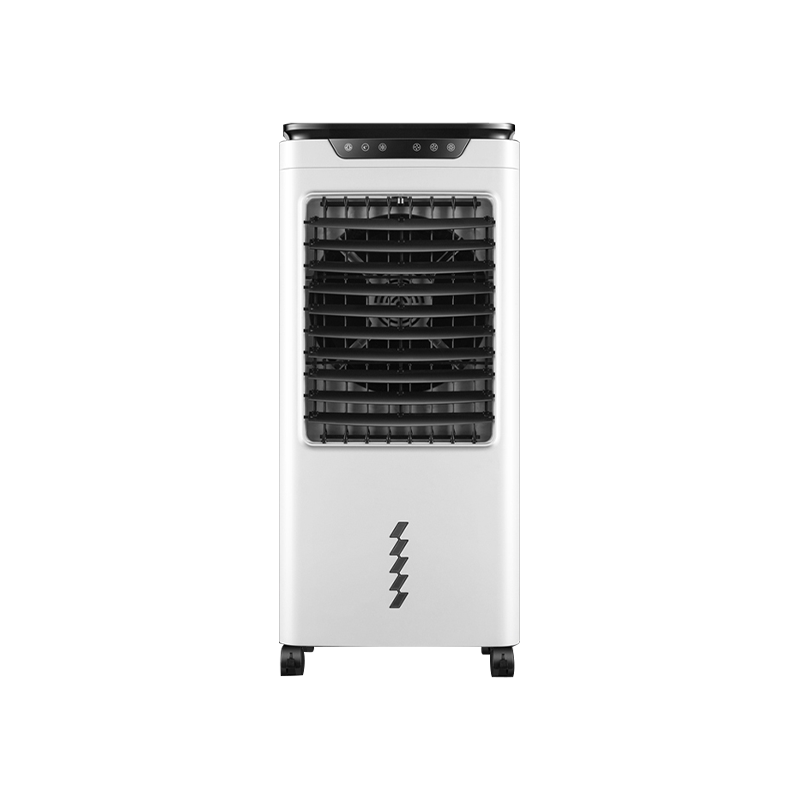 LBW-6500RC Three-Mode 36L Portable Evaporative Air CoolerWith a 36-liter tank and three operating modes, this portable cooler suits rooms of 25–40 m². Its airflow and temperature drop should be evaluated together under local humidity to gauge real cooling speed.View Product →
Evaporative cooling speed is limited by how much additional moisture the air can accept. On a dry afternoon with 30% relative humidity, a well-designed cooler can create a clear temperature drop within minutes. At 70% humidity, the wet pad evaporates less, and the discharge air stays warmer. Buyers should therefore evaluate cooling speed under local climate conditions, not only in a laboratory with ideal air.
For procurement and branded import programs, the biggest mistake is to specify cooling speed by fan revolutions per minute. A better approach is to define the target discharge temperature drop and the target room size. For example, a buyer might require an air cooler that lowers the discharge air temperature by at least 6 °C while delivering 1,200 m³/h of airflow. This gives the manufacturer a measurable goal and makes quality inspection simpler.
At our factory in Fuhai Industrial Park, we produce more than 240,000 cooling units per year across a 10,000 m² production facility. We build OEM programs around these measurable cooling-speed criteria, so that a branded product line behaves consistently from the first sample to mass production.
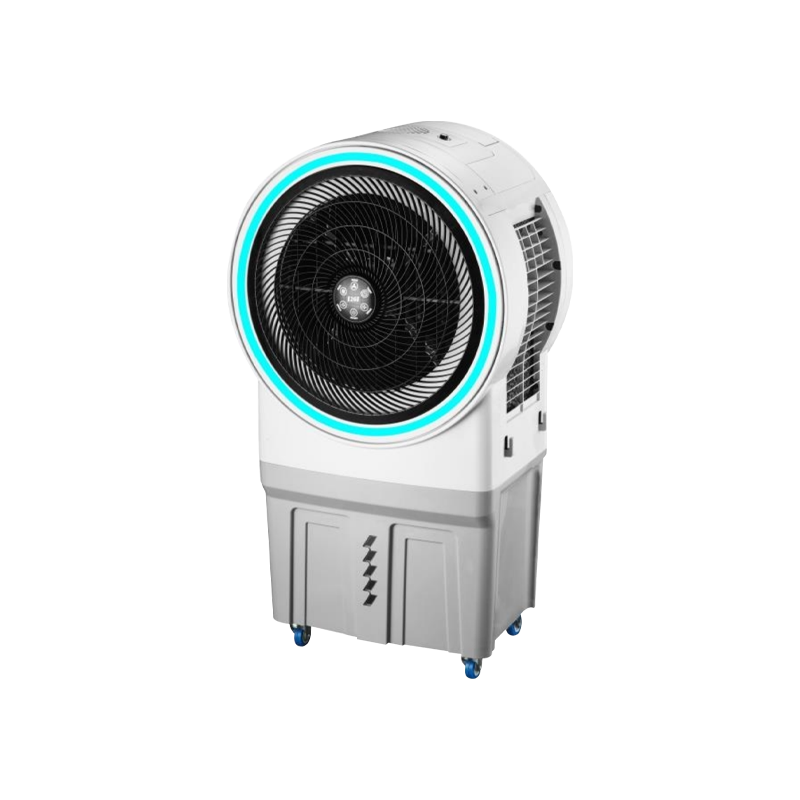
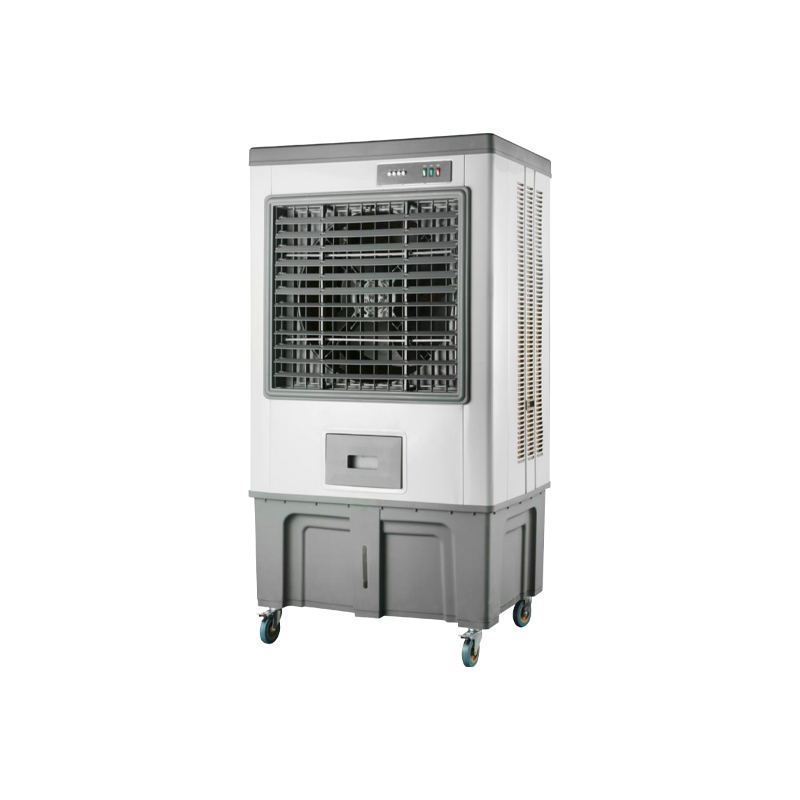
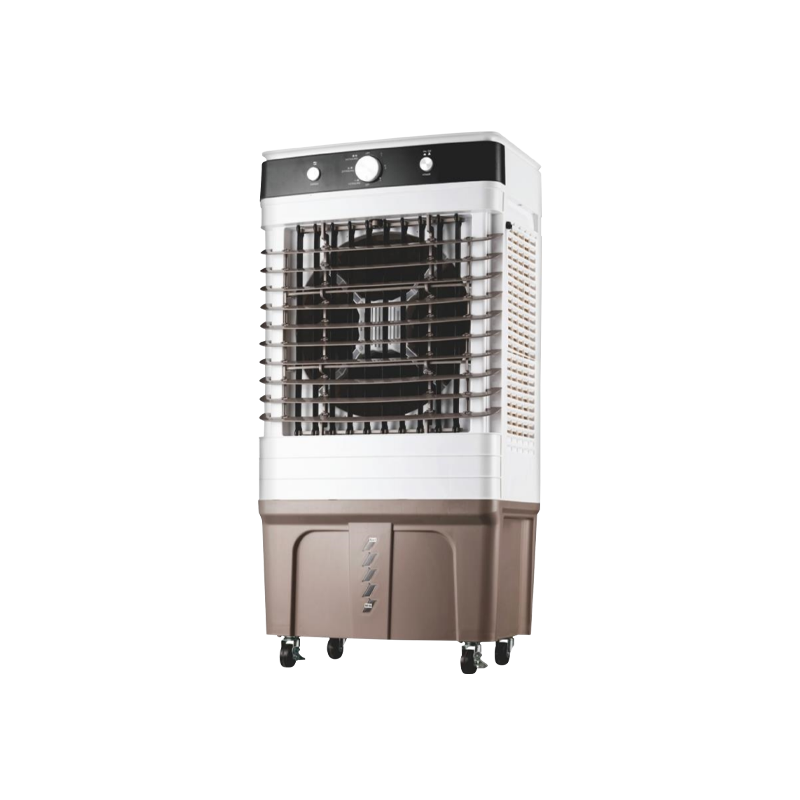
For high-heat industrial areas where airflow needs to travel long distances, a floorstanding unit with a larger water tank and higher motor power provides the stable cooling speed needed for continuous operation. The 120 L LBW18000RC is built with that duty in mind.
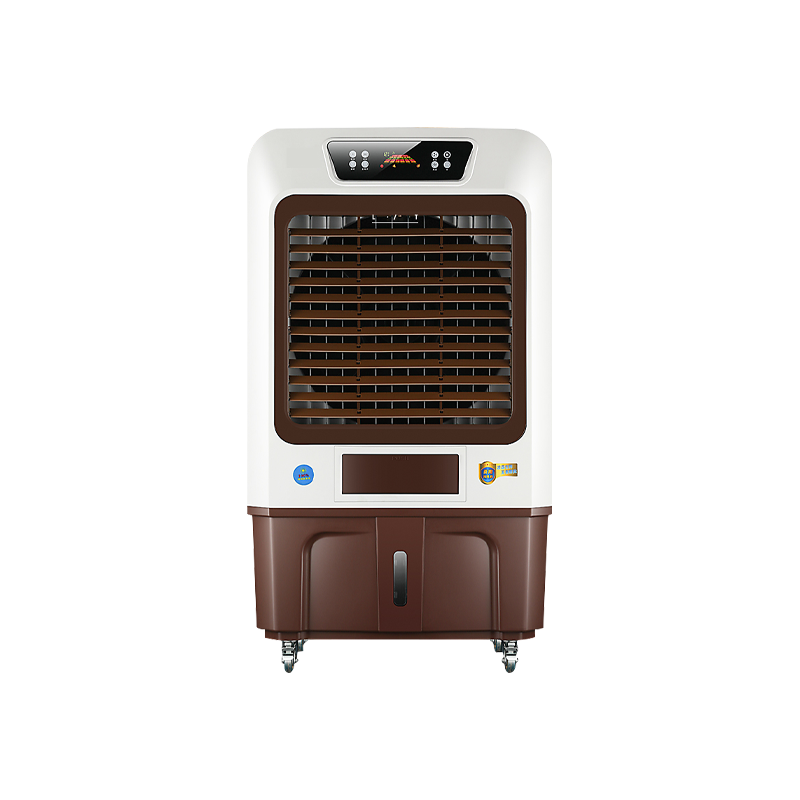 LBW-18000RC 120L Floor-Standing Evaporative Air Cooler for Industrial and Home UseDesigned for high-heat areas needing long-distance airflow, this floor-standing unit combines a 120-liter tank and higher motor power to sustain steady cooling speed during continuous operation in demanding environments.View Product →
Cooling speed is a system result of airflow, evaporation, contact time, humidity, and room heat load. When you compare two air coolers, look at the discharge temperature drop and the airflow rating before you touch the fan-speed dial. The best setting is rarely the highest one; the best unit is the one that takes heat out of the air quickly and then sends the cooled air where people actually sit.
If you are evaluating cooling fans for a branded line or a factory project, define your cooling-speed target in physical terms. A quiet unit that lowers the discharge temperature by 6 °C at medium speed will often outperform a noisy unit with a huge fan blade and a short contact time.


No.1015 Guanfu Road, Fuhai Town, Cixi City,Zhejiang,China

+86 134-8601-6220



Copyright ? Cixi Bisheng Electrical Appliance Co., Ltd. All Rights Reserved.
Wholesale Portable Air Cooler Manufacturer




 English
 中文简体
 Español