Content
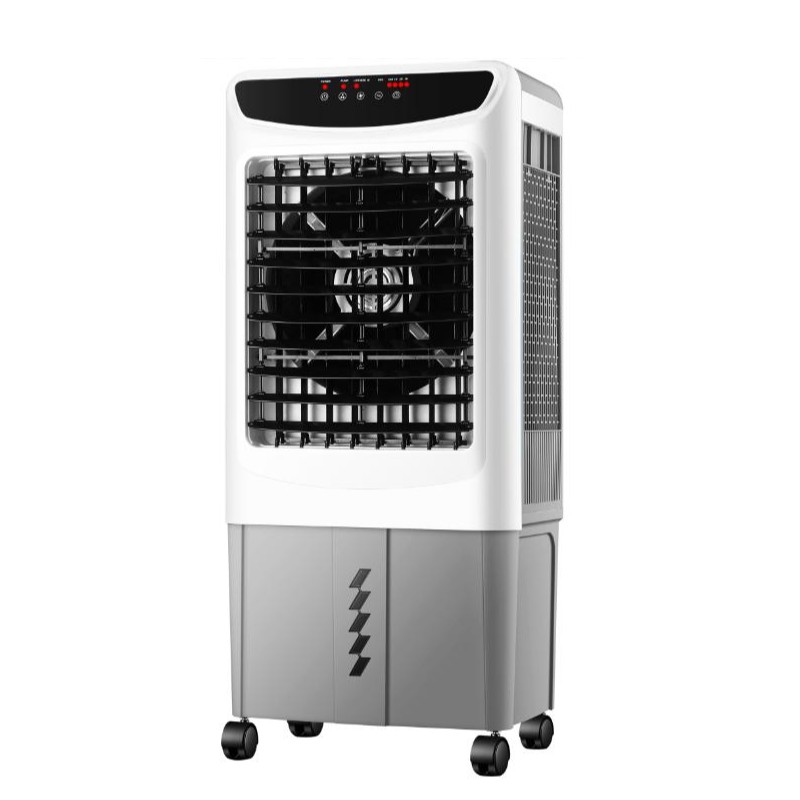
The right air cooler for you depends on three core factors: the size of your space, the humidity level in your climate, and whether you need a portable or fixed unit. Air coolers work best in hot, dry conditions with humidity below 60%, and they consume up to 80% less energy than traditional air conditioners. This guide breaks down everything you need to know before making a purchase.
Air coolers — also called evaporative coolers or swamp coolers — draw warm air through water-saturated pads. As the air passes through, water evaporates and absorbs heat, lowering the air temperature by 5°C to 15°C before circulating it back into the room.
Unlike air conditioners, they do not use refrigerants or compressors. This makes them more eco-friendly and energy-efficient, but also means they are only effective in low-humidity environments. In areas where relative humidity exceeds 70%, the cooling effect drops significantly because the air is already too saturated to absorb more moisture.
Before comparing models, confirm that an air cooler suits your local climate. This is the most common mistake buyers make.
| Humidity Level | Air Cooler Performance | Recommendation |
|---|---|---|
| Below 40% | Excellent | Highly recommended |
| 40% – 60% | Good | Suitable with ventilation |
| 60% – 70% | Moderate | Use with open windows |
| Above 70% | Poor | Not recommended |
If you live in a coastal or tropical region with consistently high humidity, a traditional air conditioner or a hybrid cooling system will likely serve you better.
Cooling capacity in air coolers is measured by airflow volume, expressed in cubic meters per hour (m³/h) or cubic feet per minute (CFM). Choosing a unit with too little airflow for your space results in ineffective cooling, while oversizing wastes energy and adds unnecessary humidity.
A practical formula: multiply your room's floor area (m²) by ceiling height (m) to get volume, then select a cooler that can circulate that volume at least 15–20 times per hour.
| Room Size | Recommended Airflow | Typical Use Case |
|---|---|---|
| Up to 15 m² | 1,000 – 2,000 m³/h | Bedroom, small office |
| 15 – 40 m² | 2,000 – 4,500 m³/h | Living room, medium hall |
| 40 – 80 m² | 4,500 – 8,000 m³/h | Large hall, workshop |
| Above 80 m² | 8,000+ m³/h | Warehouse, outdoor area |
Designed for individual use within 1–3 meters. They typically hold 3 to 10 liters of water and run quietly, making them suitable for desks or bedside tables. Best choice if you need spot cooling without affecting the entire room.
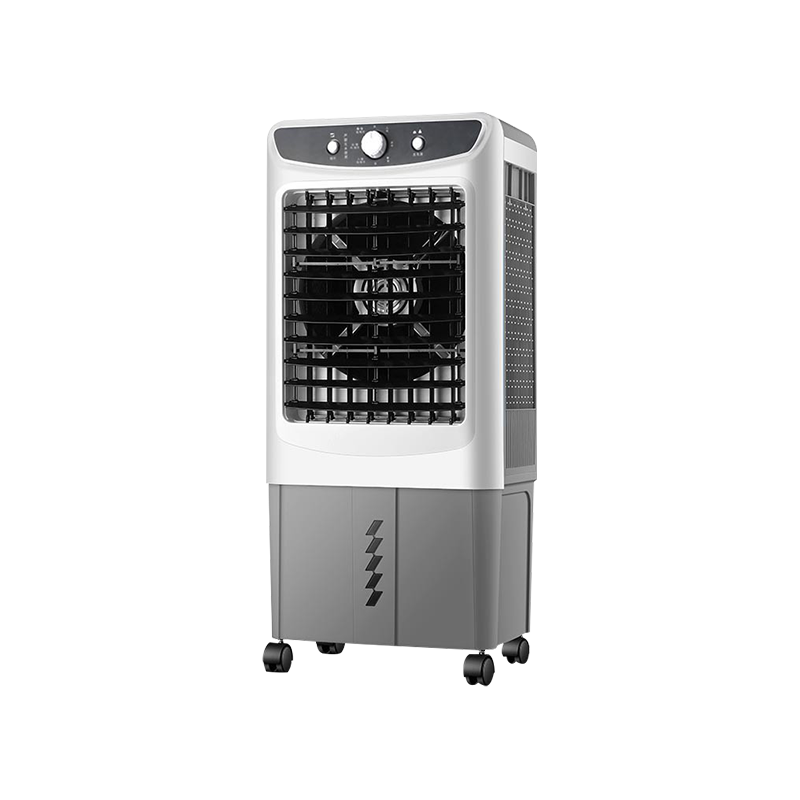
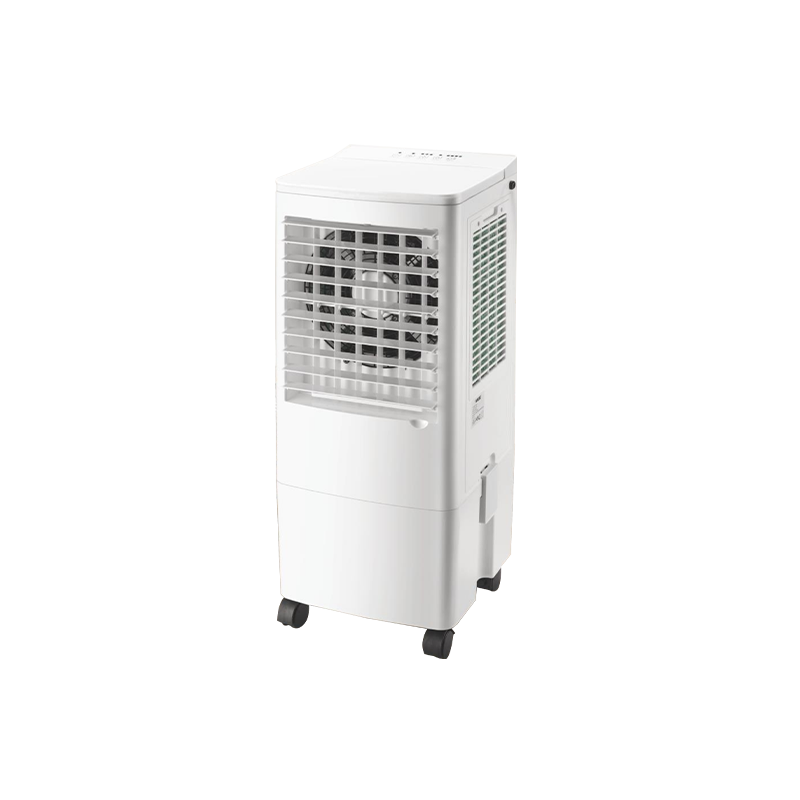
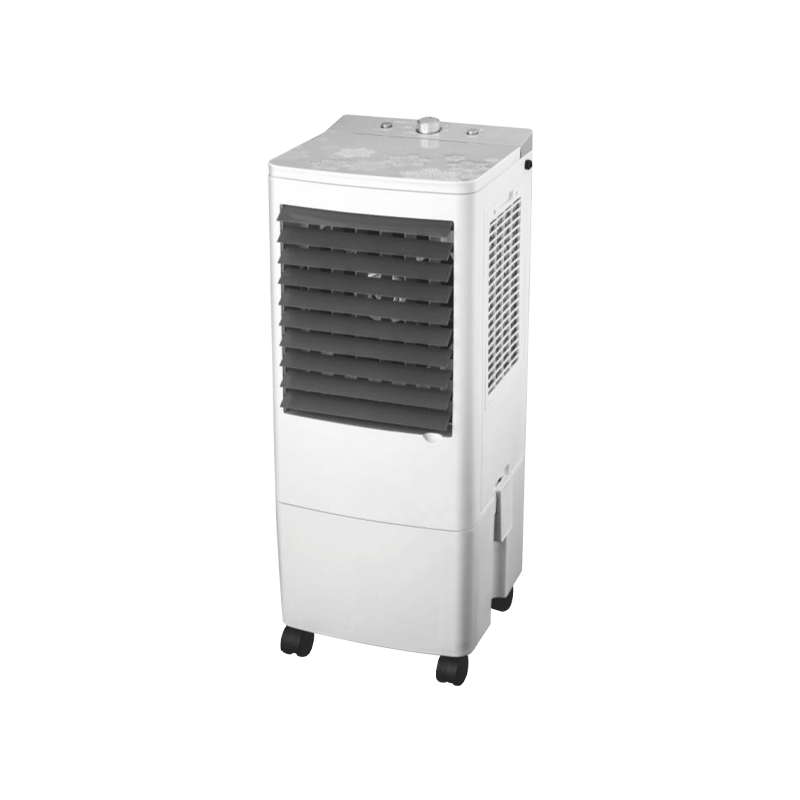
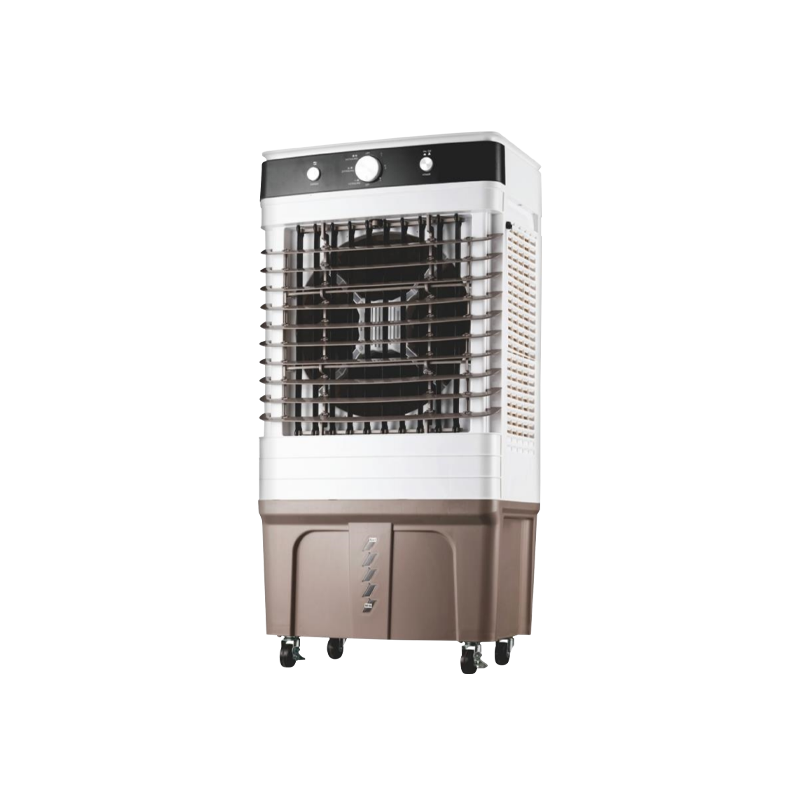
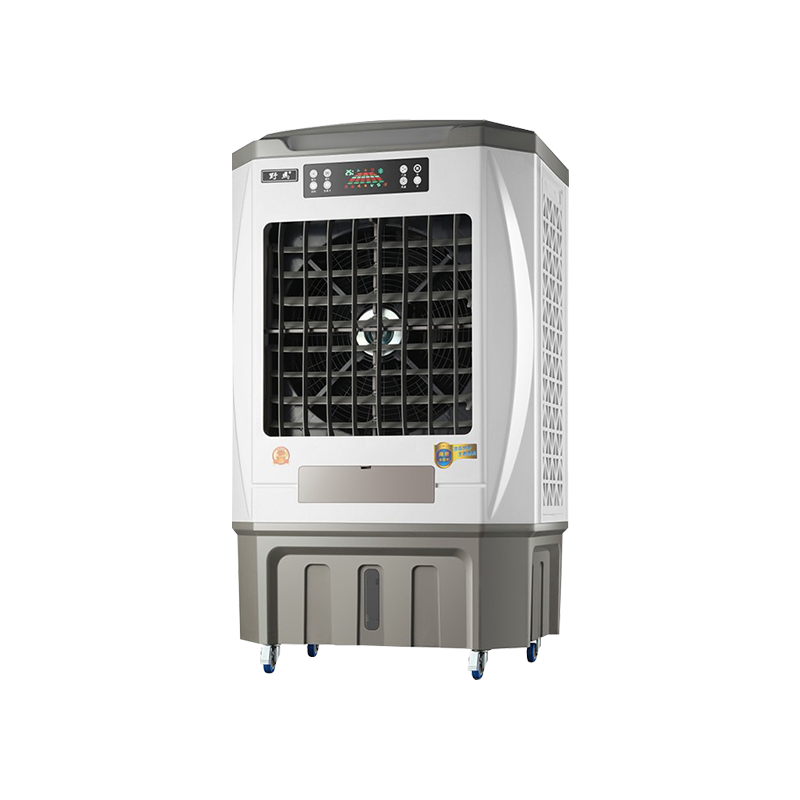
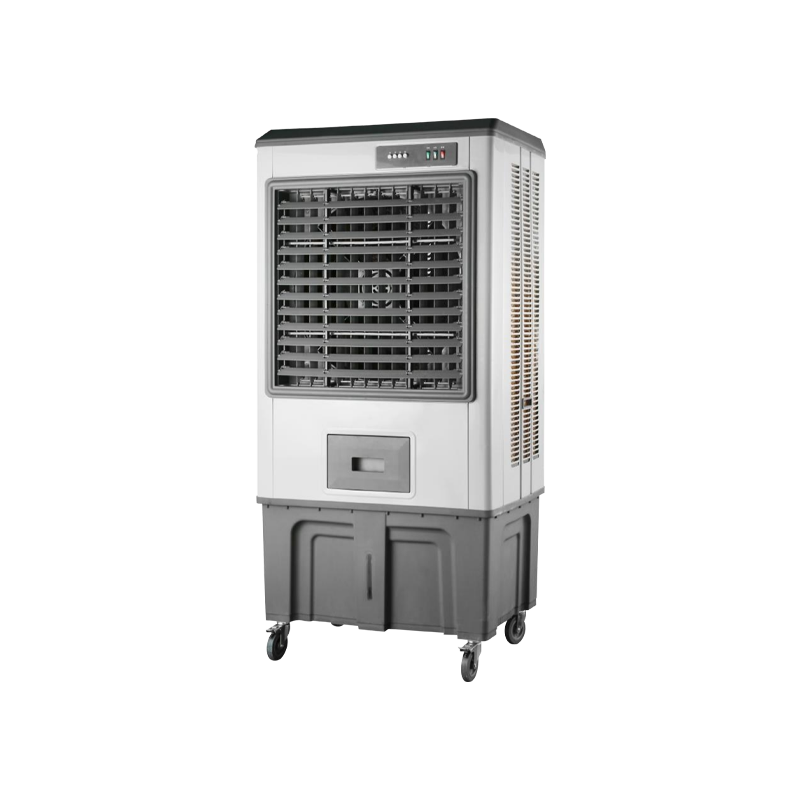
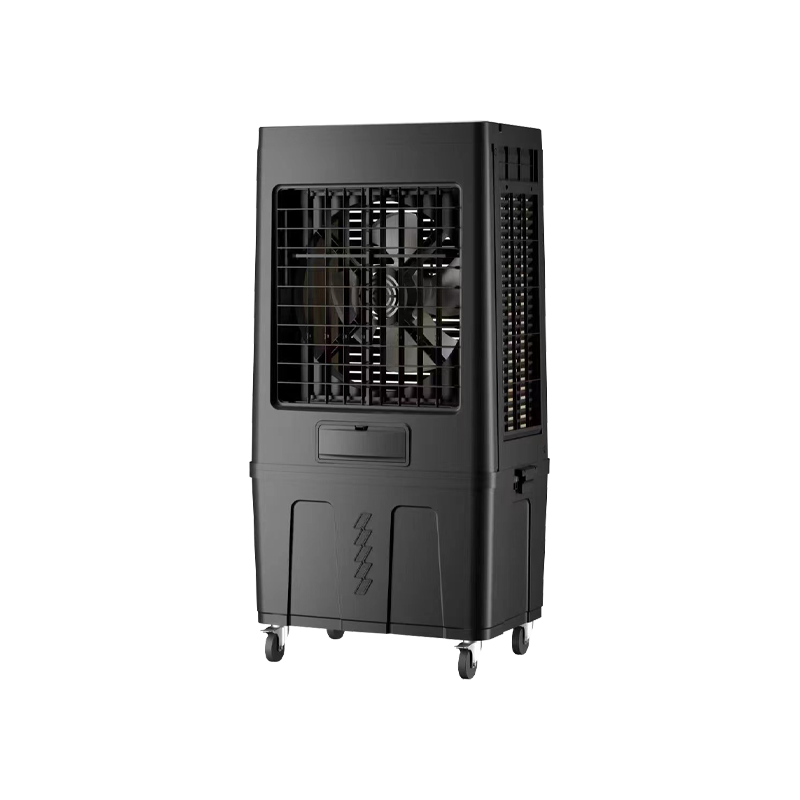
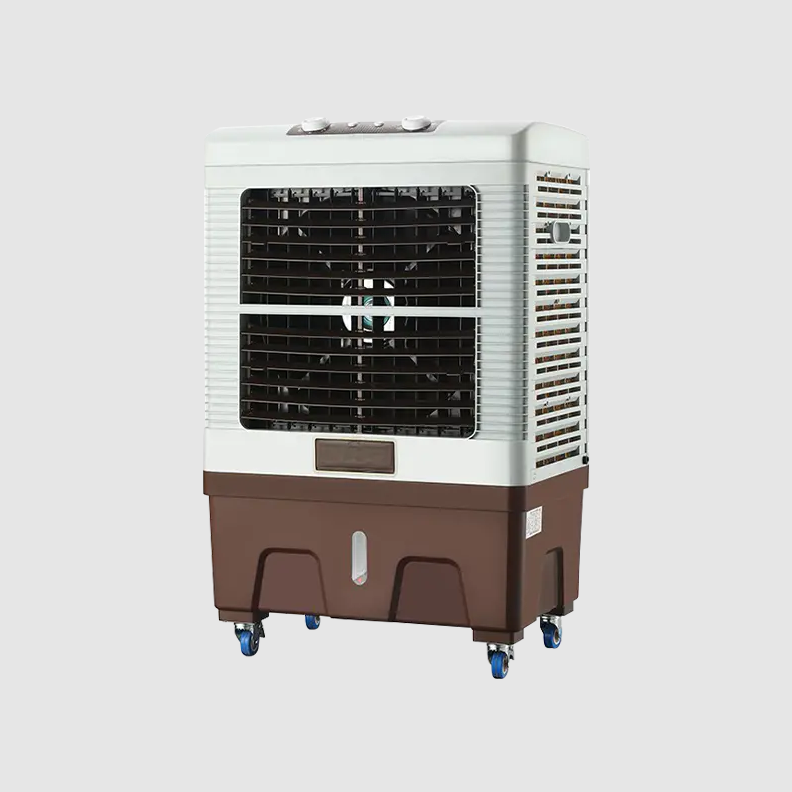
These handle spaces up to 40 m² and usually carry 20 to 60 liters of water. Tower coolers have a slim vertical design ideal for narrow spaces, while box coolers offer higher airflow and wider coverage. They are the most commonly purchased type for home use.
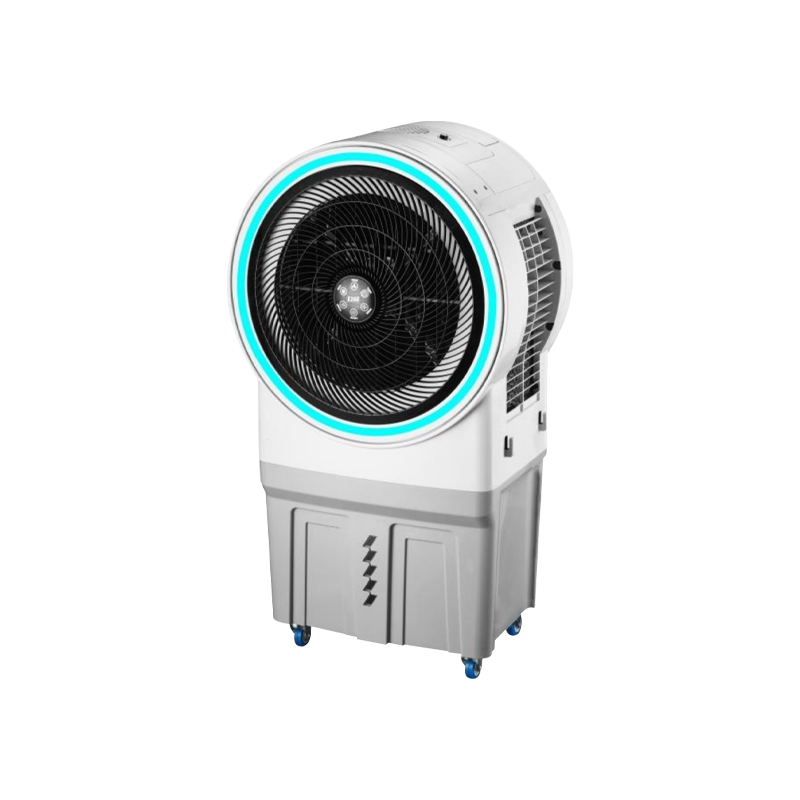
Built for large rooms or semi-outdoor areas, desert coolers have tanks ranging from 40 to 100 liters and deliver high CFM airflow. They are heavier and less portable but significantly more powerful. Ideal for garages, patios, and commercial spaces in arid regions.
Mounted in windows, these draw fresh outside air through the cooling pads before pushing it indoors. They are more efficient than portable units because they pull in dry air continuously rather than recirculating indoor air. Best suited for permanent installation in dry, hot climates.
The cooling pad is the heart of any air cooler. There are two main types:
For most buyers, honeycomb pads are the better long-term investment. They improve cooling output by up to 30% compared to aspen pads under the same conditions.
A larger tank means fewer refills. For overnight use, choose a model with at least a 20-liter tank. If you want convenience, look for units with a water inlet pipe connector that allows continuous auto-fill from a water supply — especially useful for desert coolers used during long hours.
At minimum, look for three speed settings (low, medium, high) plus a dedicated fan-only mode, which lets you use the unit without water on humid days or mild nights. Horizontal and vertical oscillation allows wider air distribution without repositioning the unit.
For bedroom use, target models that run below 50 decibels (dB) on their lowest setting. Many manufacturers now publish noise ratings — treat anything above 60 dB as loud for residential use. If specifications are not listed, check verified user reviews for noise feedback.
A room air cooler typically uses 100 to 300 watts, compared to 900 to 2,000 watts for an equivalent air conditioner. Running costs are substantially lower. Confirm the wattage in the specification sheet rather than relying on general claims.
If you plan to move the cooler between rooms, check that it has 360-degree lockable caster wheels and a weight under 15 kg when empty. Some desert coolers exceed 30 kg when full, making them impractical to move without help.
Modern air coolers increasingly come with features that improve convenience and usability. Not all are essential, but some offer real practical value:
Even the best air cooler will underperform if used incorrectly. Follow these practical tips to get the most out of your unit:
Many buyers are deciding between an air cooler and an air conditioner. Here is a direct comparison to help clarify which is the better fit:
| Factor | Air Cooler | Air Conditioner |
|---|---|---|
| Energy use | 100–300W | 900–2,000W |
| Installation | None required | Professional install needed |
| Best climate | Dry, below 60% humidity | Any humidity level |
| Portability | High (most models) | Low (fixed units) |
| Cooling power | Moderate (5–15°C drop) | Strong (precise control) |
| Environmental impact | Low (no refrigerants) | Higher (refrigerant gases) |
| Maintenance | Simple (user-serviceable) | Requires technician |
Choose an air cooler if you live in a dry climate, want low running costs, and need flexibility. Choose an air conditioner if you live in a humid region, need precise temperature control, or are cooling a permanently sealed space.


No.1015 Guanfu Road, Fuhai Town, Cixi City,Zhejiang,China

+86 134-8601-6220



Copyright ? Cixi Bisheng Electrical Appliance Co., Ltd. All Rights Reserved.
Wholesale Portable Air Cooler Manufacturer




 English
 中文简体
中文简体 Español