Content
On a July afternoon in a workshop running at 36 °C, four heat paths move energy at the same time. A concrete slab pulls warmth from the soles of your boots by conduction. A cross-draft carries it off your forearms by convection. A metal roof radiates it down onto your shoulders. Your skin hands it back to the air through evaporation.
Three of those paths can be blocked or slowed. Only one of them can be deliberately engineered into an appliance, and that is the reason an evaporative air cooler works at all.
The short version: conduction is contact, convection is movement, radiation is invisible light, evaporation is a change of state. When a buyer weighs a 20 L portable unit against a 120 L floor-standing machine, the real comparison is how much of each path the design interrupts.
Before choosing equipment, it helps to know which route you are actually fighting. The table below links each mechanism to its energy carrier, its everyday symptom, and the lever a designer can pull.
| Mechanism | Energy carrier | Needs a medium | Everyday symptom | Practical lever |
|---|---|---|---|---|
| Conduction | Vibrating molecules in a solid or liquid | Yes, direct contact | A cold floor or a hot machine base | Insulation and thermal breaks |
| Convection | Moving air or water | Yes, a fluid current | A warm draft across exposed skin | Airflow direction and velocity |
| Radiation | Infrared electromagnetic waves | No, it crosses a vacuum | Heat felt from a hot roof or casing | Shade, surface finish, low-emissivity materials |
| Evaporation | Latent heat carried away by water vapour | Yes, dry air to absorb the vapour | Sweat cooling skin; a wet pad cooling an air stream | Wetted surface area and air dryness |
One clarification trips people up: many textbooks list only three modes and treat evaporation as a phase-change sub-case of convection. In practice it deserves its own row, because it is the only mechanism that removes sensible heat from air without requiring the air to be colder than the wetted surface.
Conduction is heat travelling through a material by molecule-to-molecule contact. The rate depends on the temperature difference, the contact area, the thickness, and a material property called thermal conductivity. The spread between materials is enormous: still air sits near 0.026 watts per metre per kelvin, water around 0.6, and aluminium about 205.
That single number explains a lot of everyday complaints. A stainless steel bench feels colder than a wooden one at the same temperature because it pulls heat from your hand roughly a hundred times faster. The same logic applies inside a cooling appliance: metal frames, water trays and base plates are conduction highways, while a thin air gap or a plastic bushing is often the cheapest thermal break available.
Convection is conduction with transport attached. Heat is handed to a fluid, the fluid moves, and the heat travels with it. Natural convection relies on buoyancy, with warm air rising and cooler air sliding in beneath. Forced convection uses a fan or a pump, and it can shift an order of magnitude more heat for the same temperature difference.
This is where a common buying mistake lives. A fan does not lower air temperature. It raises the convective heat transfer coefficient at your skin, so your body loses heat faster and you feel cooler while the thermometer reads exactly the same. That is why air circulation fans and evaporative coolers are complementary rather than interchangeable.
In a tall warehouse, natural convection also stacks warm air under the roof. Measuring at working height instead of at ceiling level is essential, because a design based on roof-level readings will be badly oversized for the people below.
Radiation moves energy as infrared waves. It needs no air, no contact and no fluid, which is why the sun's heat crosses a vacuum to reach Earth. Every surface above absolute zero radiates, and the net transfer always runs from the warmer surface to the cooler one.
For someone standing under a hot metal roof, the mean radiant temperature can sit several degrees above the air temperature, and that load is invisible on an ordinary wall thermometer. Shade, reflective roof coatings and low-emissivity surfaces cut it before any cooling equipment is switched on. It is usually the cheapest load reduction available, and it is routinely skipped in factory-floor cooling plans.
Evaporation absorbs heat when liquid water becomes vapour. At around 25 °C, turning one kilogram of water into vapour takes roughly 2,450 kilojoules, several hundred times more energy than warming the same kilogram by a single degree. That enormous latent demand is the engine behind every evaporative air cooler.
The working parts are simple. Air is pulled through a wetted pad, the water film evaporates into that air stream, and the air leaves cooler and slightly more humid. Nothing is compressed, no refrigerant circulates, and the electricity bill goes almost entirely to the fan and the small pump.
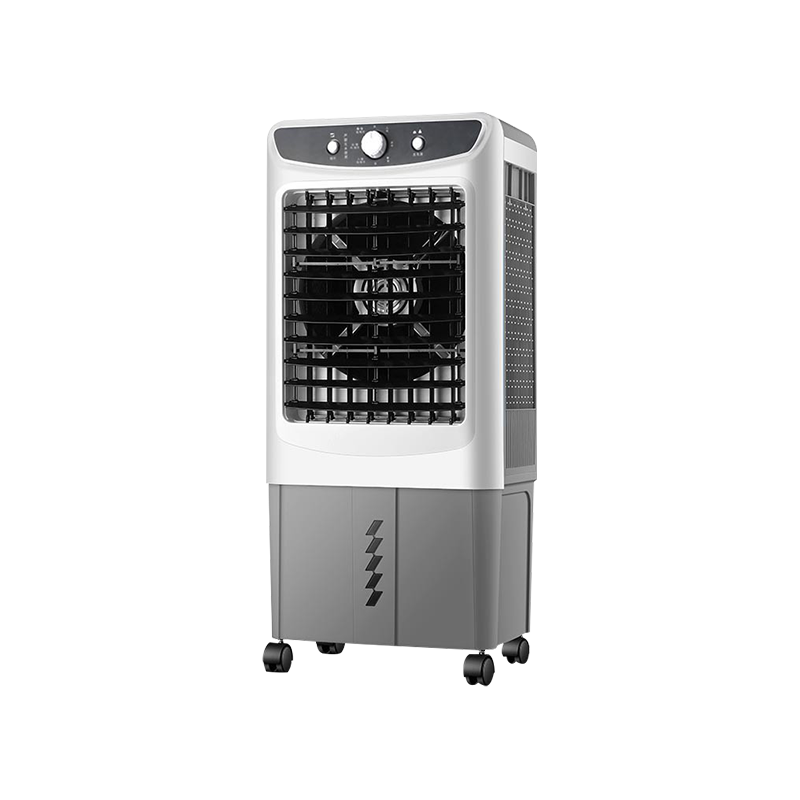
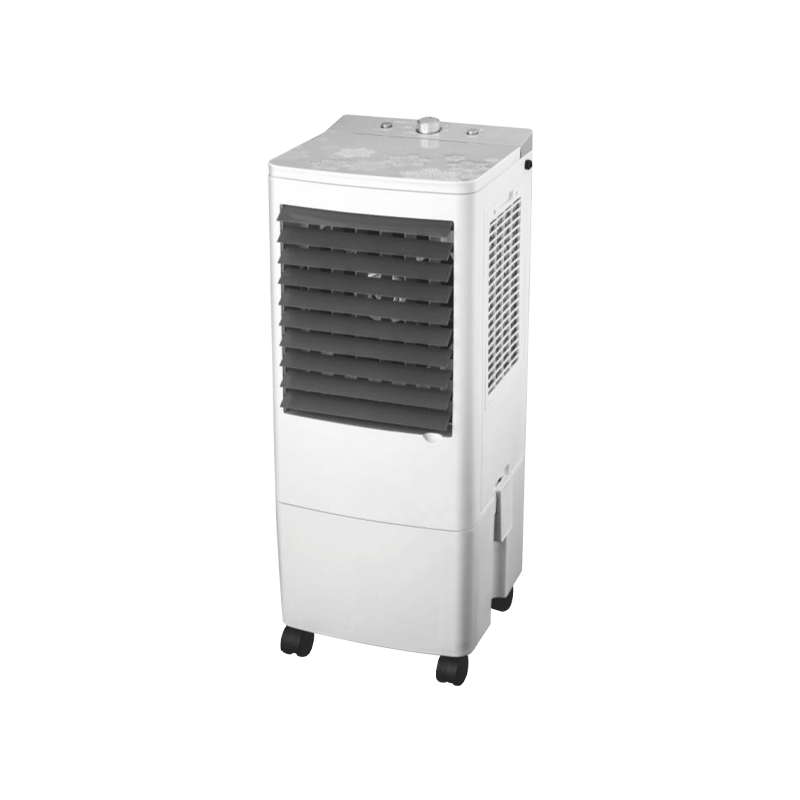
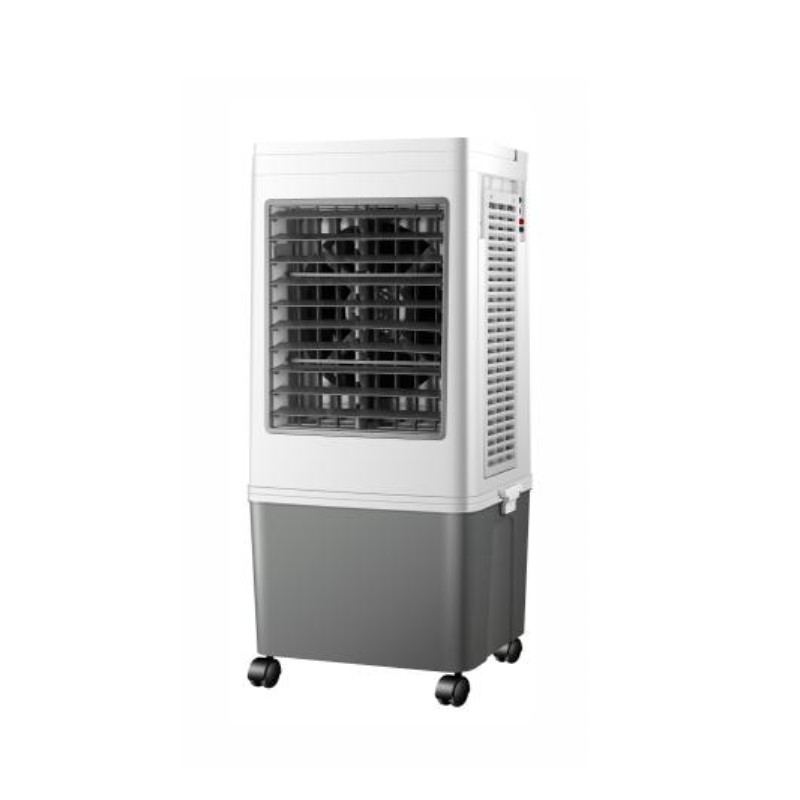
Two conditions decide whether it works: how dry the incoming air is, and how much wetted surface the air actually touches. Pad structure matters more than most buyers expect, and the layer count inside the wet curtain filtration system of a compact 20 L unit determines how long the air stays in contact with water, and therefore how much of the available wet-bulb depression the machine can capture.
In humid weather the process slows down, because the air is already close to saturation and cannot accept much more vapour. Above roughly 60% relative humidity, expect a comfortable breeze rather than a dramatic temperature drop. Below 40%, the same machine can deliver an outlet temperature several degrees under the room.
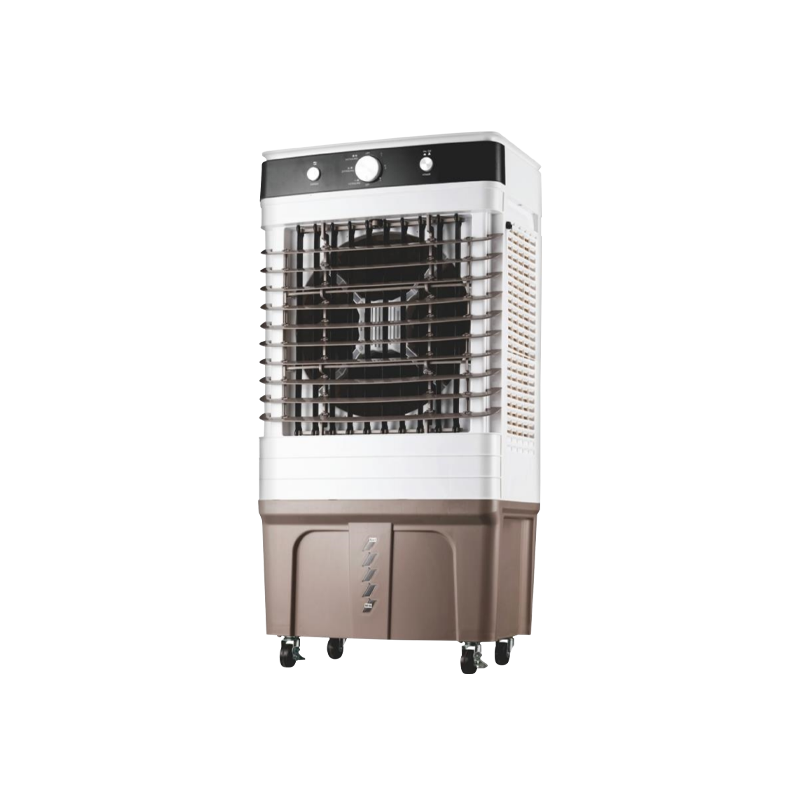
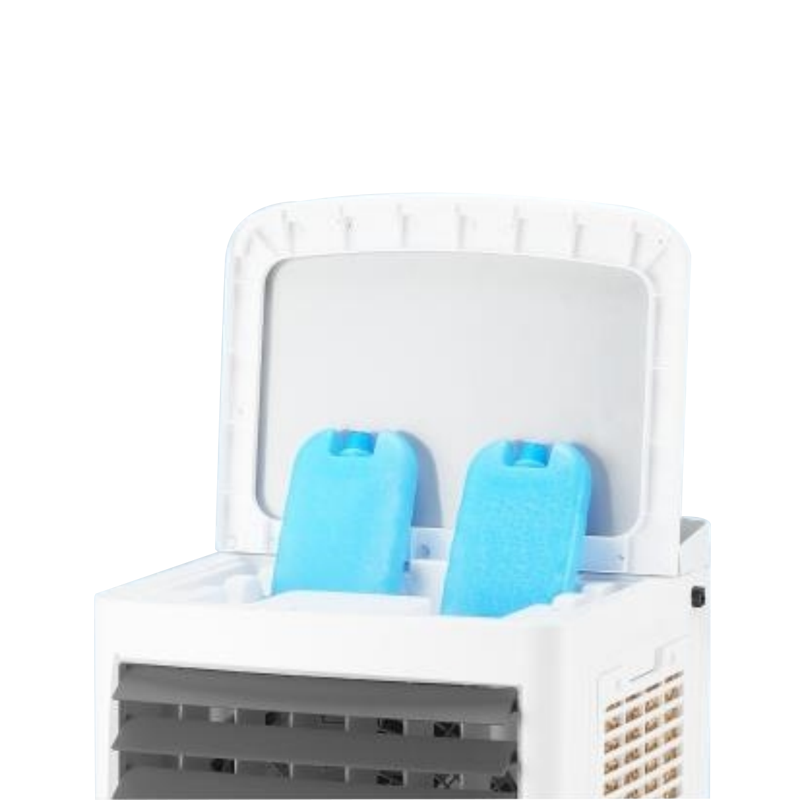 80W20L Portable Air Cooler LBW-5000RC-180W20L Portable Air Cooler LBW-5000RC-1View Product →
Once the four paths are separated, specification becomes a short procedure instead of a guess.
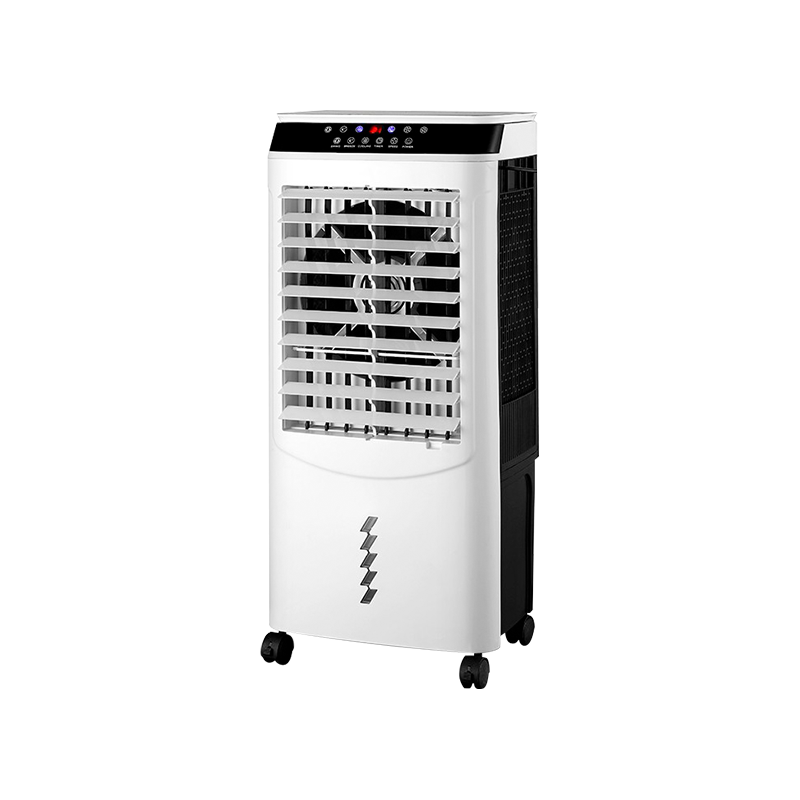
For large halls, that logic points to high-capacity floor-standing models with generous reservoirs, such as a 120 L unit rated for both industrial and domestic use.
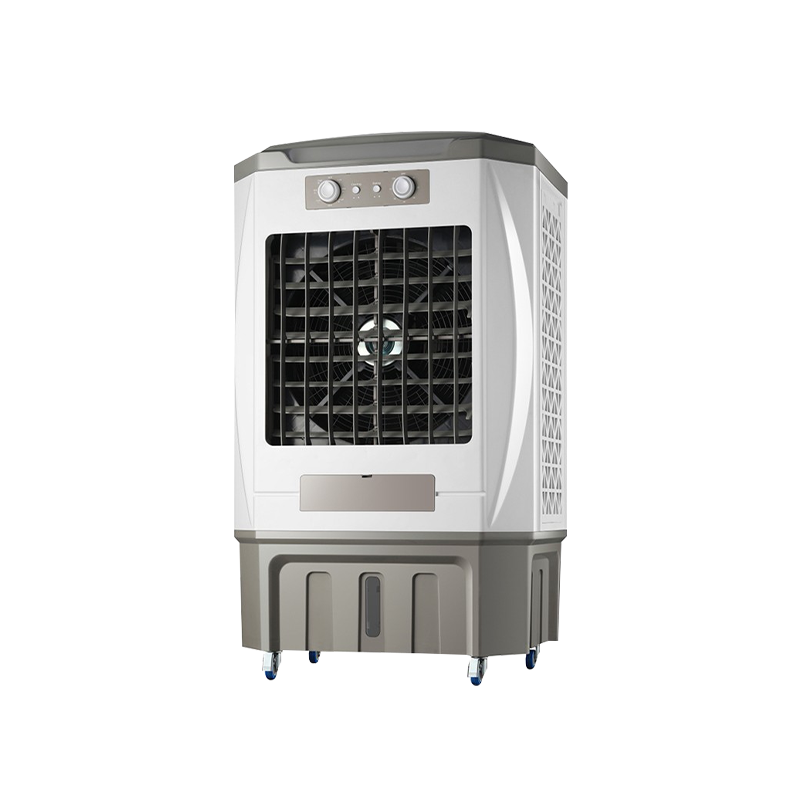
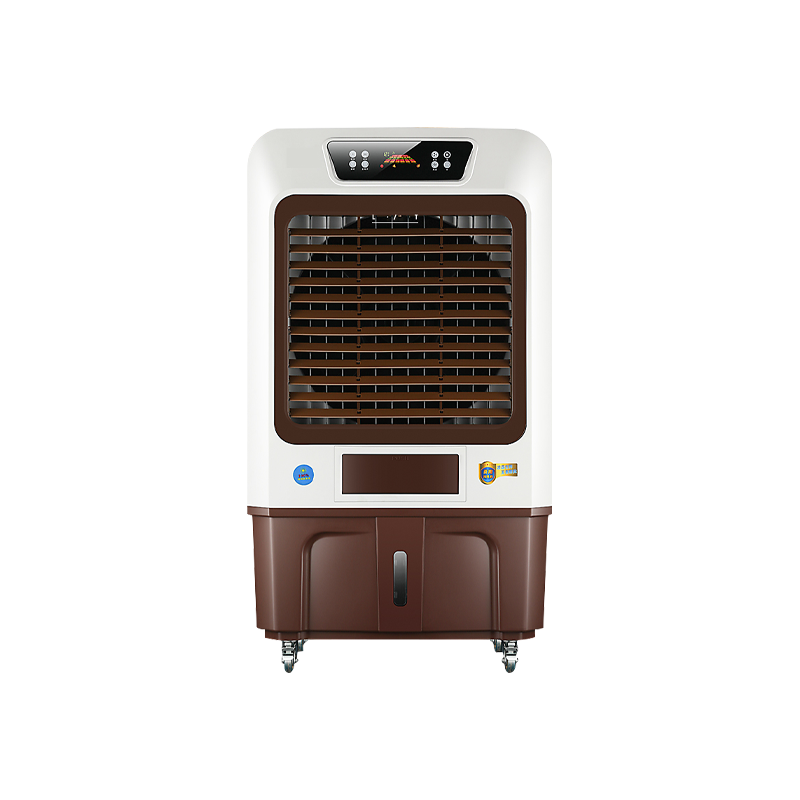 120L Large Capacity Floor-Standing Evaporative Air Cooler Suitable For Industry And Home LLow Power Consumption Air Cooler Suitable For Home And Outdoor Use LBW-5500RC/5500View Product →
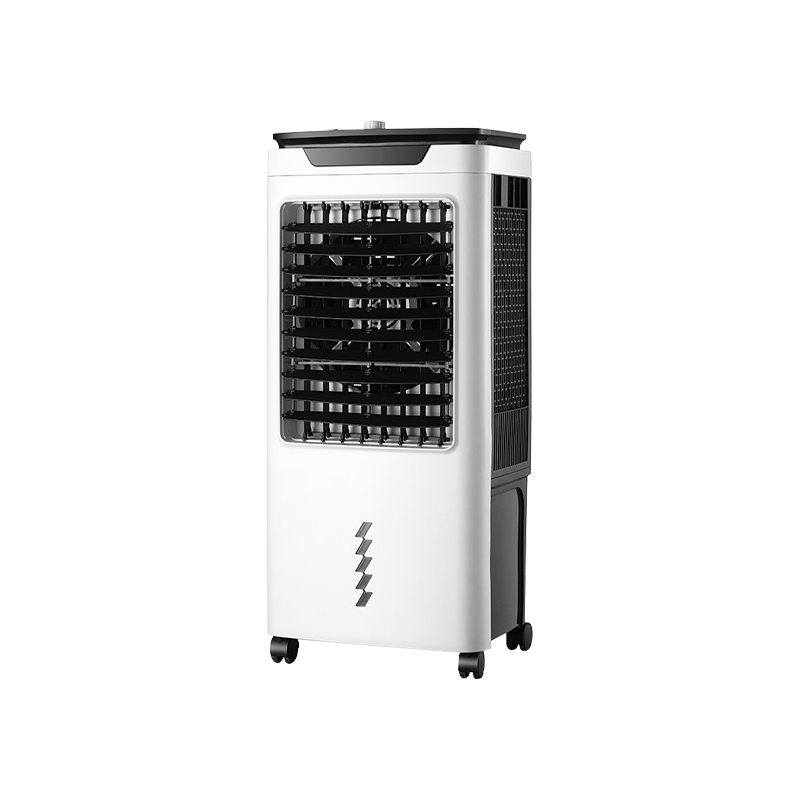
Where noise limits are tight, beside a packing line, under an office mezzanine or in a clinic corridor, the better trade is lower air volume with a directed outlet that keeps the convective effect where people actually stand. Industrial evaporative coolers built around low energy consumption and low noise are aimed at exactly that compromise.
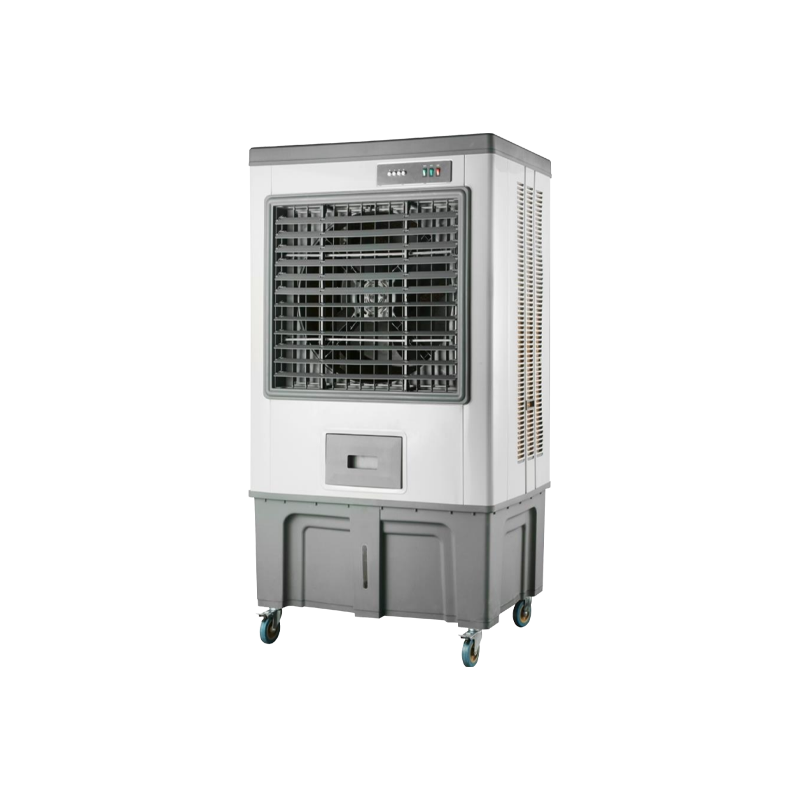
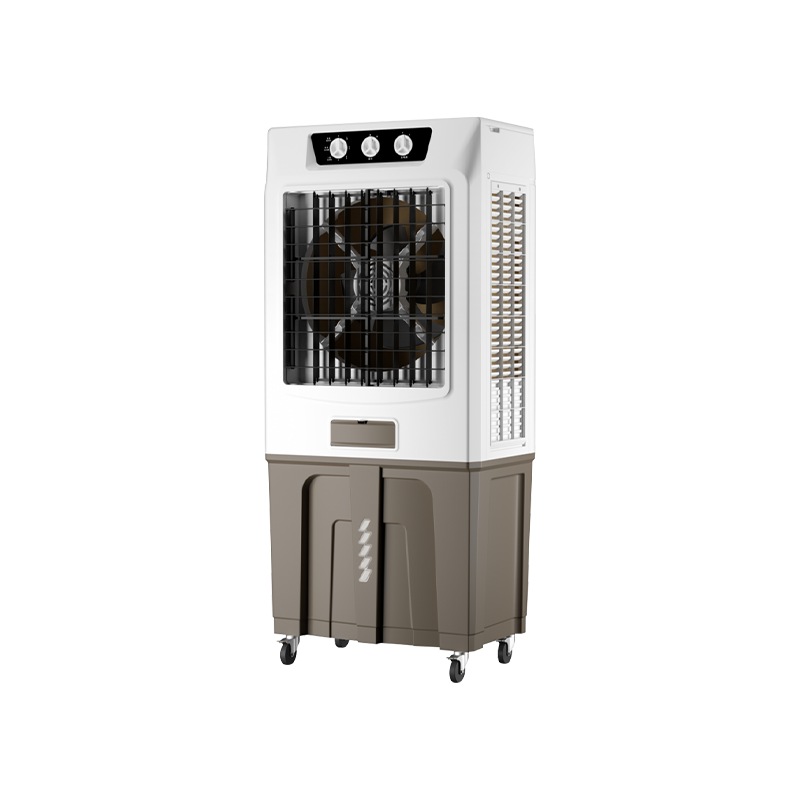
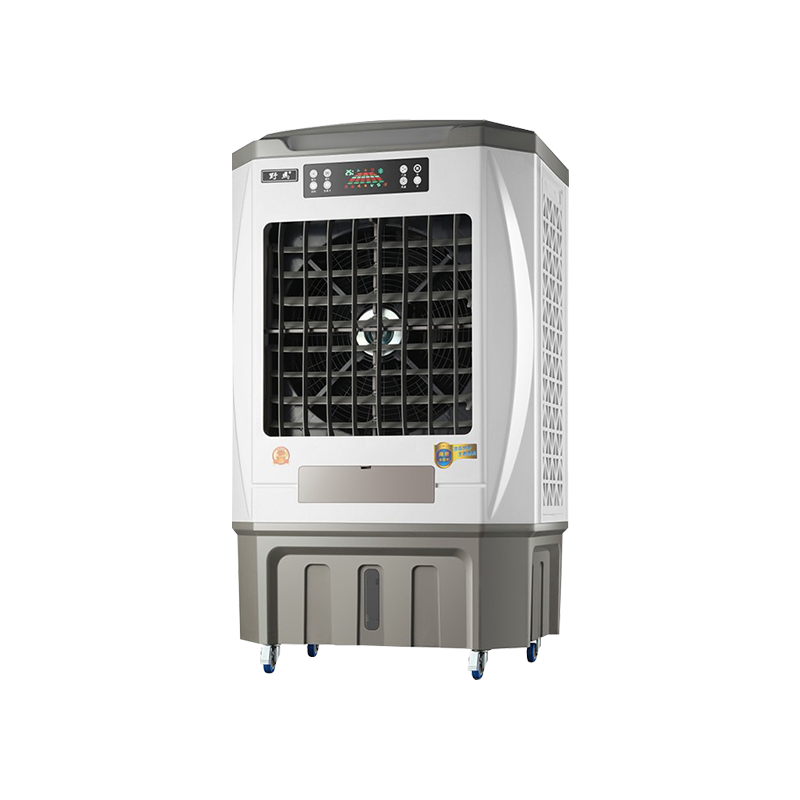 Low Energy Consumption And Low Noise Industrial Air Cooler LBW-16000RC15L Small Portable Household Air Cooler Lbw-4500RC/4500View Product →
Most specification errors trace back to mixing up the modes. These four come up again and again.
That last point is what makes the technology attractive in well-ventilated manufacturing, logistics and semi-open commercial spaces, and it explains why the approach keeps gaining ground in green building projects. The shift toward evaporative air coolers as a mainstream green cooling option rests on exactly the physics described above.
Conduction, convection, radiation and evaporation are not abstract classroom labels. They are four separate bills that a building, a machine or a human body pays every hour. Block the contact paths, direct the fluid movement, shade the radiant surfaces and give water a dry air stream to evaporate into, and cooling stops being guesswork.


No.1015 Guanfu Road, Fuhai Town, Cixi City,Zhejiang,China

+86 134-8601-6220



Copyright ? Cixi Bisheng Electrical Appliance Co., Ltd. All Rights Reserved.
Wholesale Portable Air Cooler Manufacturer




 English
 中文简体
中文简体 Español