Content
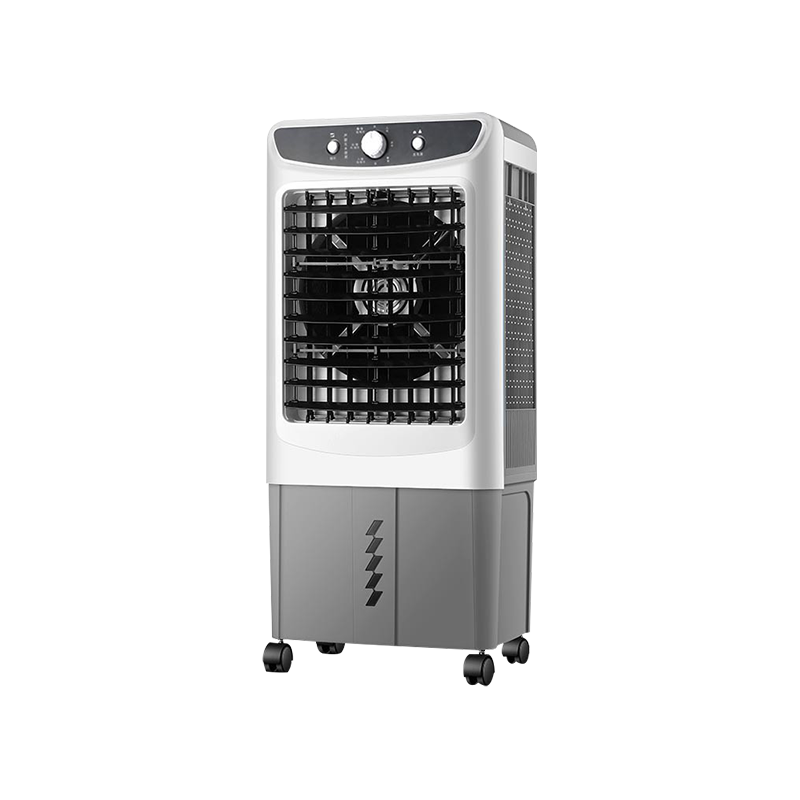
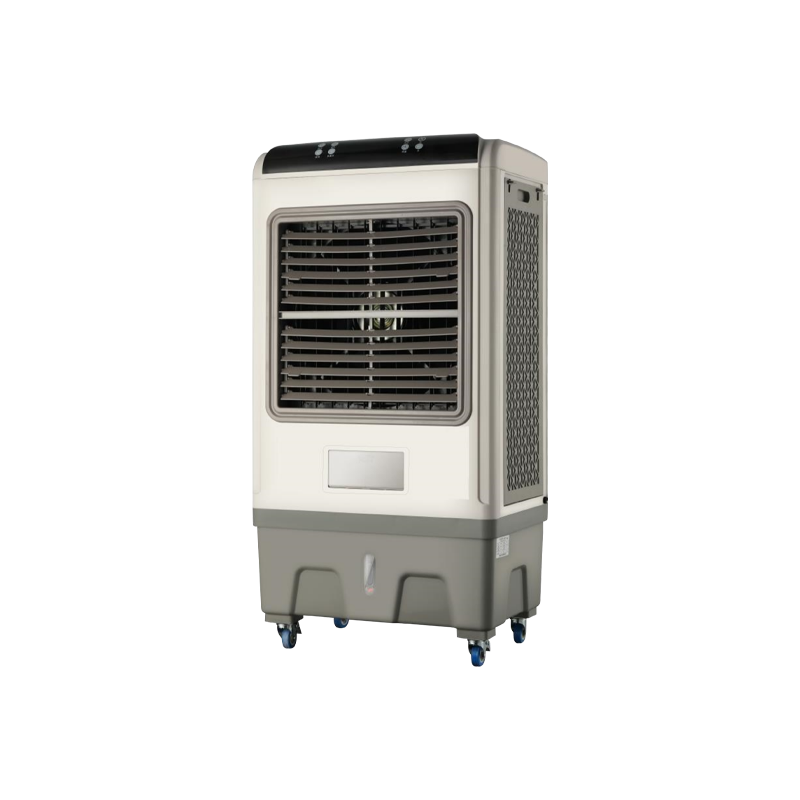
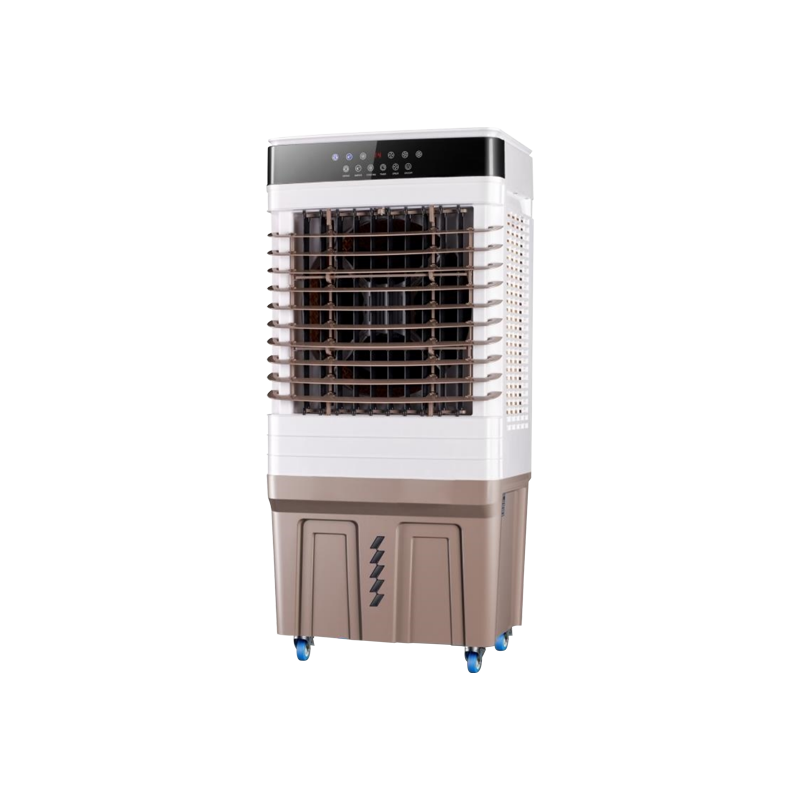
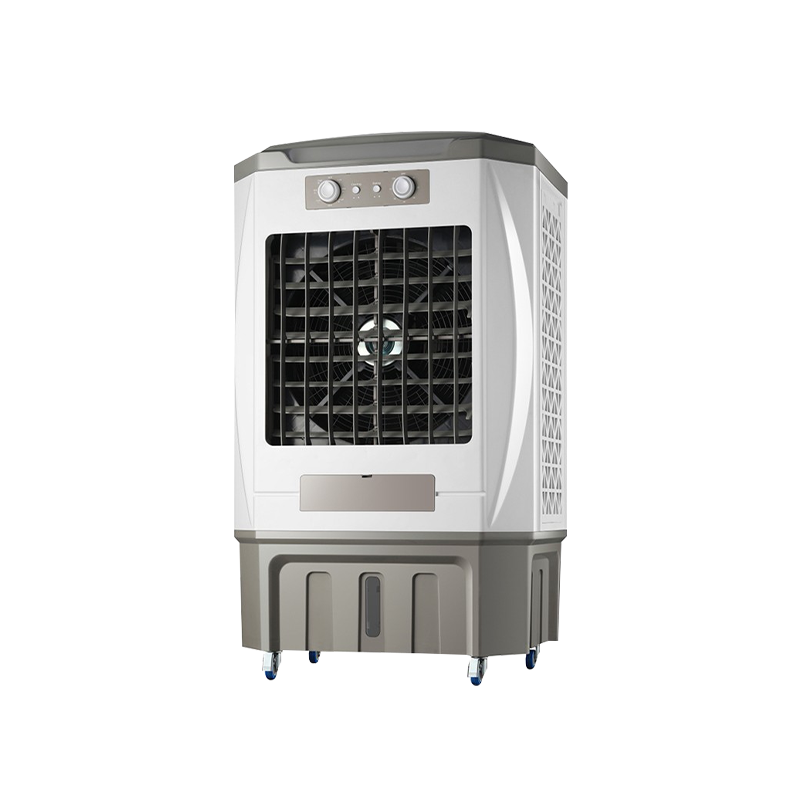
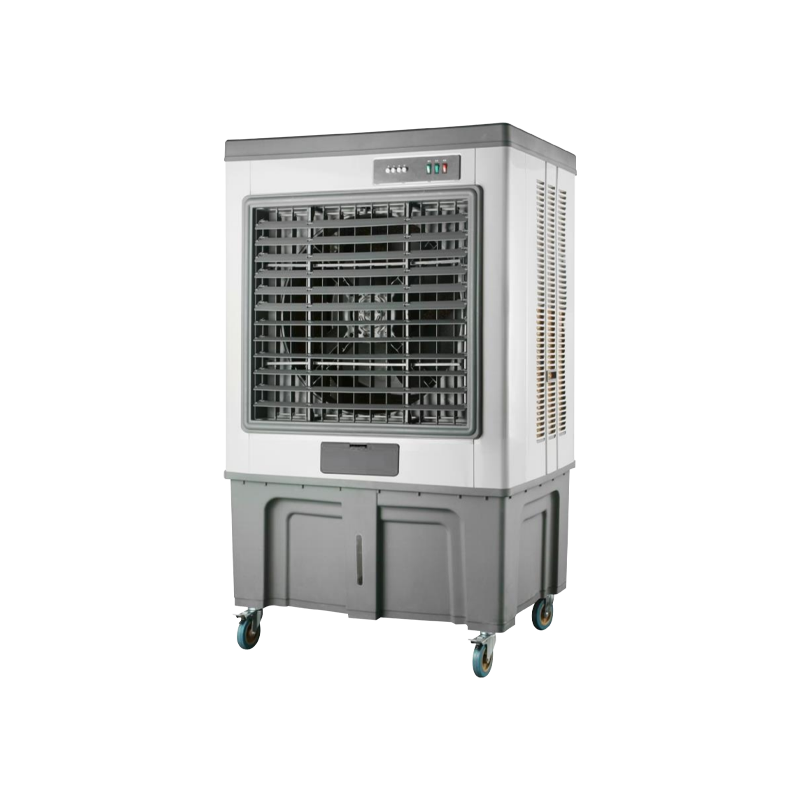
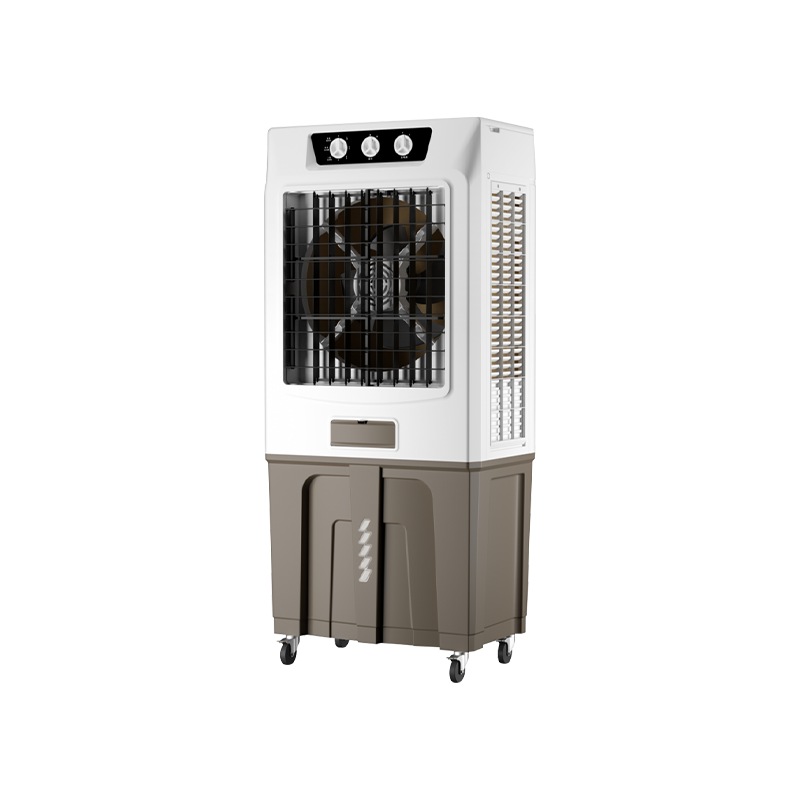
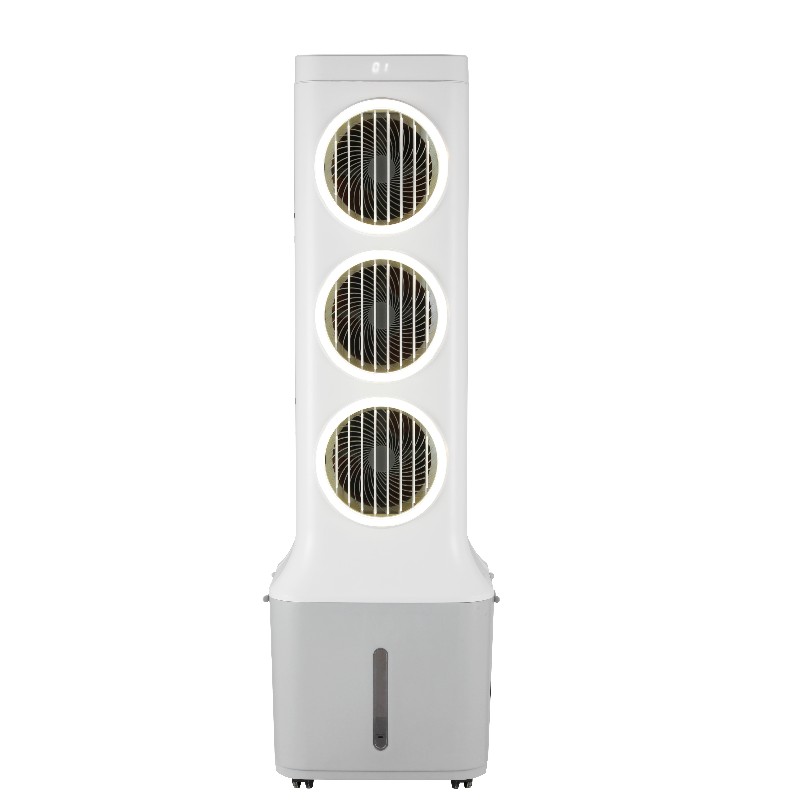
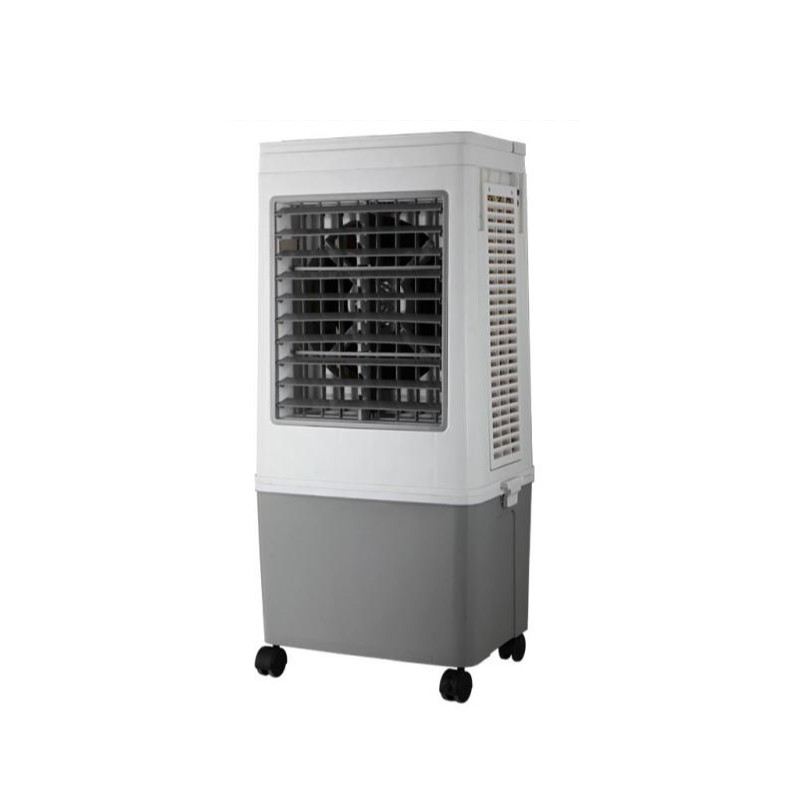
A summer air cooler performs three main functions: cools air by 6-15°C (10-27°F) depending on humidity, adds moisture to dry environments, and filters large airborne dust particles. Unlike air conditioners that use refrigerants and compressors, air coolers rely on water evaporation, making them up to 80% more energy-efficient than traditional AC units.
In low-humidity conditions (below 50% relative humidity), an air cooler can lower the surrounding temperature by 8-12°C (14-22°F), while simultaneously increasing indoor humidity by 10-15%, which is beneficial for skin and respiratory comfort.
The fundamental mechanism is evaporative cooling. A fan draws warm outdoor air through water-saturated cooling pads (often made of cellulose or aspen fiber). As water evaporates from the pad surface, it absorbs heat from the air, lowering the air temperature before it is expelled into the room.
Key performance data:
| Relative Humidity | Expected Temp Drop | Effectiveness |
|---|---|---|
| < 30% (very dry) | 12-15°C (22-27°F) | Excellent |
| 30% - 50% (dry) | 8-12°C (14-22°F) | Good |
| 50% - 70% (moderate) | 4-7°C (7-13°F) | Moderate |
| > 70% (humid) | < 2°C (3.5°F) | Poor (not recommended) |
Beyond cooling, summer air coolers act as natural humidifiers. In air-conditioned rooms, humidity often drops below 30%, causing dry skin, irritated eyes, and static electricity. An air cooler can raise relative humidity by 10-20%, maintaining a comfortable 40-60% range in dry climates.
Regarding air filtration: while not HEPA-grade, most coolers include a coarse filter or honeycomb cooling pad that traps large particles like dust, pollen, and pet dander (typically >10 microns). Some premium models add activated carbon filters to reduce odors. For allergy sufferers, this pre-filtration reduces airborne irritants by an estimated 30-50% compared to no filtration.
A 2,000 CFM portable air cooler placed near an open door lowered the temperature from 38°C (100°F) to 27°C (81°F) while raising humidity from 18% to 34%. The unit consumed only 180 watts, running cost $0.03 per hour (based on US average electricity rate).
No, not effectively. Evaporative cooling relies on dry air. When relative humidity exceeds 70%, the cooling effect drops below 2°C (3.5°F). In such conditions, a fan or air conditioner is preferable. Always check your local humidity average before purchasing.
Change the water every 1-3 days to prevent bacterial growth. Clean the cooling pads every 2-4 weeks depending on usage. Replace cellulose pads every 3-6 months or when you see mineral buildup or reduced airflow.
Yes, significantly. Purchase price: $80-$300 for a cooler vs. $500-$2,500+ for a portable or window AC. Operating cost: air coolers use 60-200W (about $0.01-$0.05 per hour) while ACs use 900-3,500W ($0.15-$0.60 per hour). Over a 3-month summer running 8 hours/day, the cooler costs $7-$36 total, while an AC costs $108-$432.
Yes, partial ventilation is required. Air coolers work by pushing cooled, moist air into a room while creating positive pressure. An open window or door (about 6-12 inches) allows stale, humid air to escape. Without ventilation, humidity builds up and cooling efficiency drops by 50% or more within an hour.
Average water consumption: 1 to 5 liters per hour depending on fan speed and humidity. A 20-liter tank typically lasts 4-8 hours on medium setting. For continuous day use, consider a model with a direct water line hookup or auto-refill feature.
Best use cases:
Avoid using when:
Real-world data: In a field study in Denver, Colorado (average summer RH 35%), an air cooler maintained indoor temperatures of 23-26°C (73-79°F) while outdoor temperatures peaked at 36°C (97°F). In Houston, Texas (average RH 74%), the same unit produced only a 2°C (3.5°F) drop, making it ineffective.
To keep your summer air cooler performing at its peak:
Following these steps extends the cooler’s life from the average 3-4 years to 7-8 years.


No.1015 Guanfu Road, Fuhai Town, Cixi City,Zhejiang,China

+86 134-8601-6220



Copyright ? Cixi Bisheng Electrical Appliance Co., Ltd. All Rights Reserved.
Wholesale Portable Air Cooler Manufacturer




 English
 中文简体
中文简体 Español