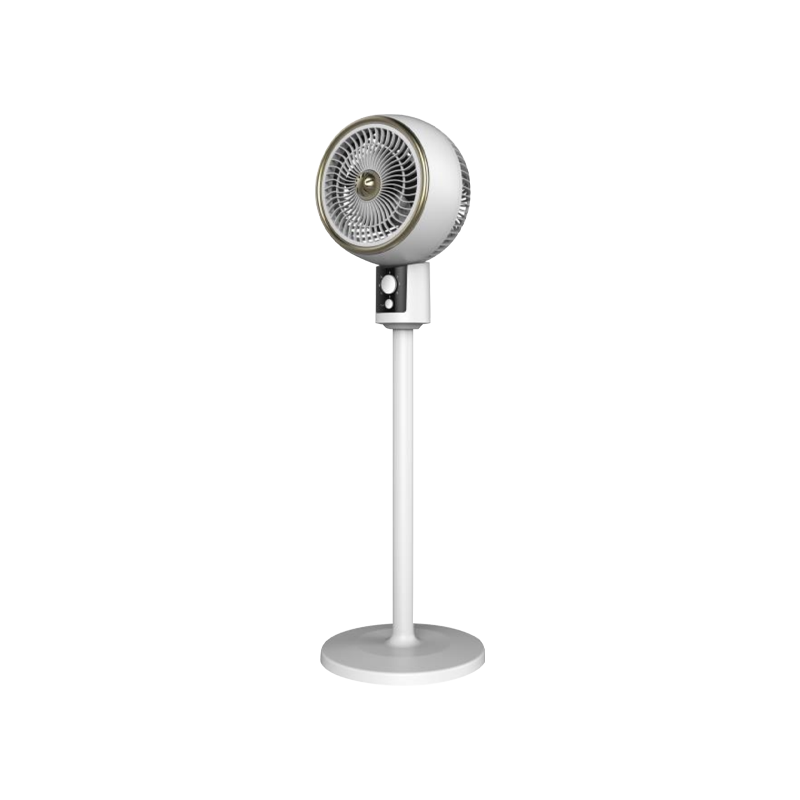
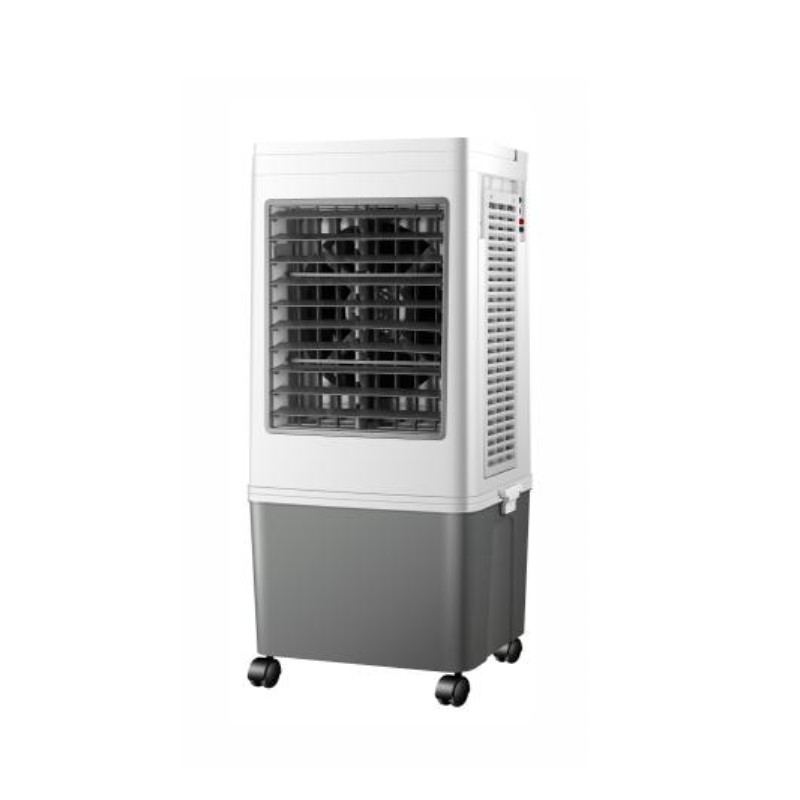
Content
Quick Answer: The best air coolers for home use are evaporative models with a water tank of at least 30-60 liters, three-speed fan control, and a multi-layer wet curtain filter. A well-sized Summer Air Cooler can drop room temperature by several degrees while using a fraction of the electricity of a compressor-based air conditioner, making it a practical choice for dry or moderately humid climates.
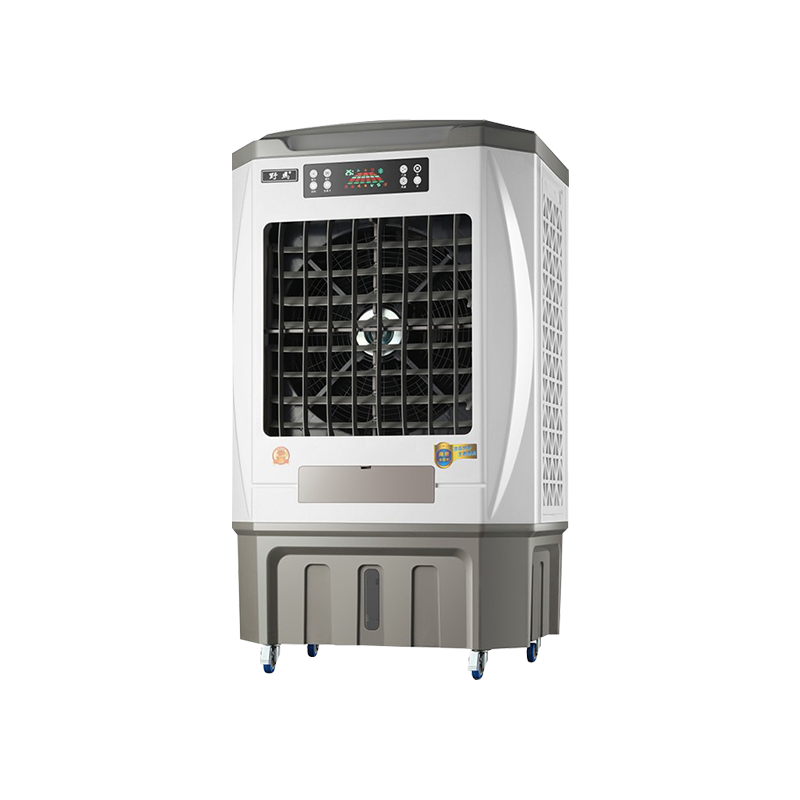
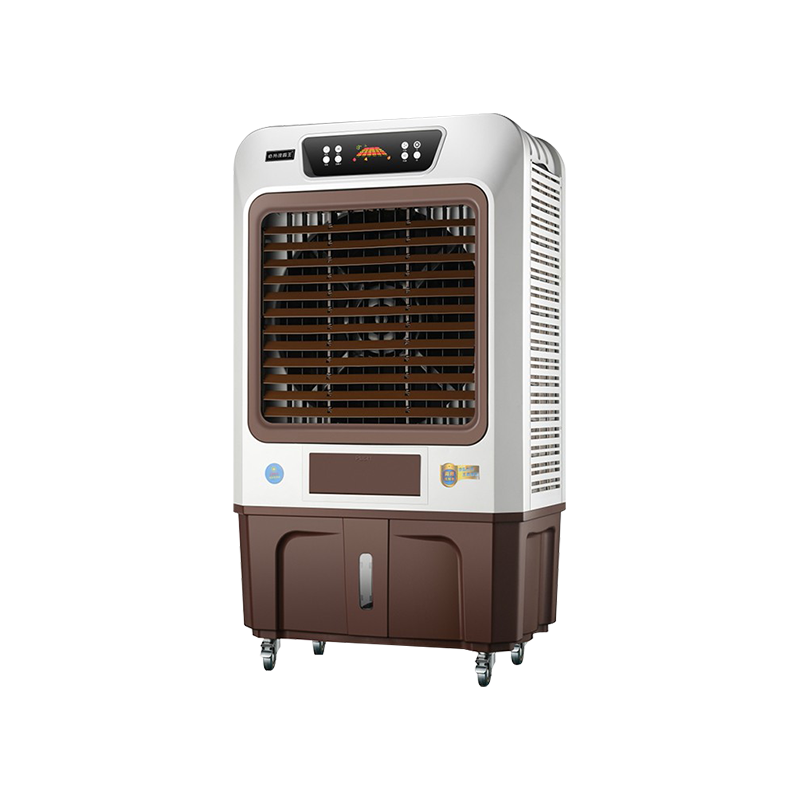
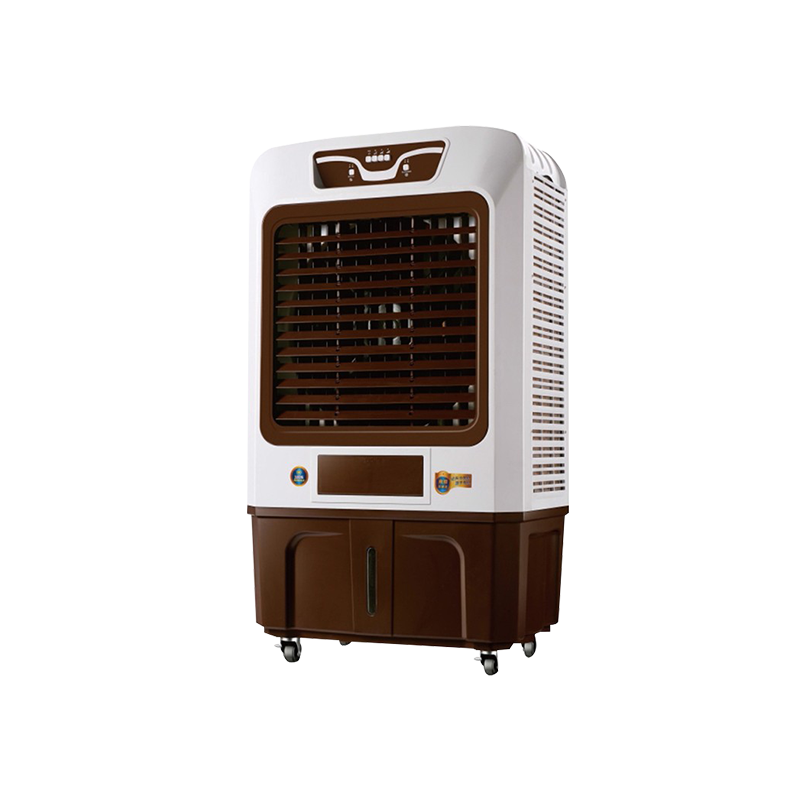
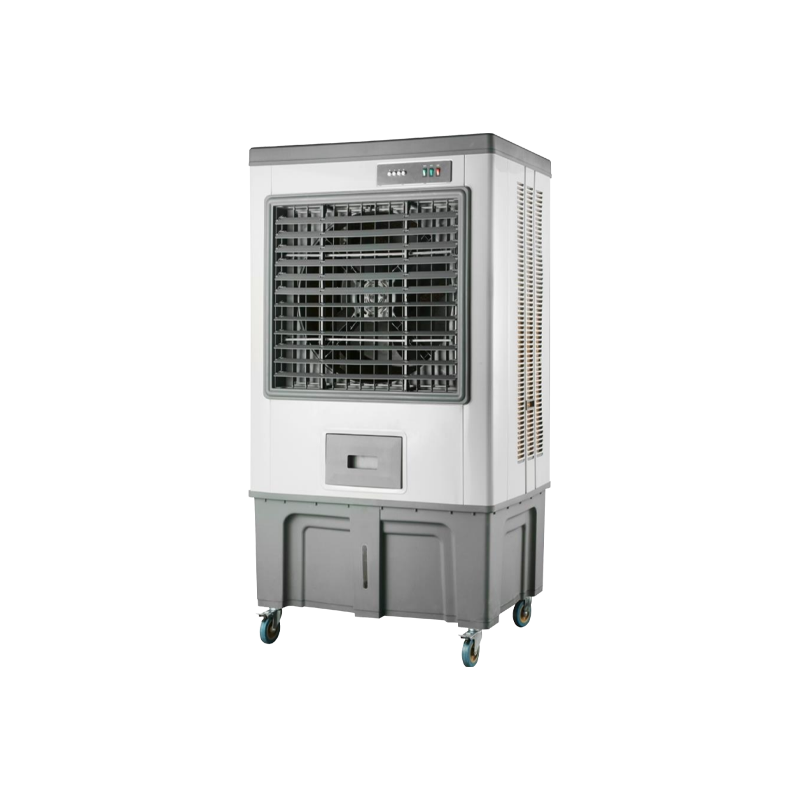
An air cooler, sometimes called a swamp cooler or evaporative cooler, lowers room temperature through evaporative cooling rather than mechanical refrigeration. A fan draws warm air through a water-saturated wet curtain, and as the water evaporates, it absorbs heat from the surrounding air, releasing a stream of cooler, more humid air into the room. This process contains no compressor or refrigerant, which is the main reason a Summer Air Cooler consumes significantly less electricity than a traditional air conditioning unit.
Because the cooling effect depends on evaporation, air coolers for home use perform best in dry to moderately humid environments. In very humid climates, the air is already close to saturation, so less additional moisture can evaporate and the cooling effect is reduced. This is an important distinction from air conditioners, which remove humidity as part of the cooling process rather than adding it.
Several components inside a Summer Air Cooler directly affect how well it cools a room and how often it needs attention.
The evaporative pad, often made from specially treated paper, non-woven fabric, or synthetic fiber blends, is the core of the cooling process. A multi-layer or honeycomb-structured curtain increases the surface area in contact with airflow, improving both cooling efficiency and basic dust filtration as air passes through.
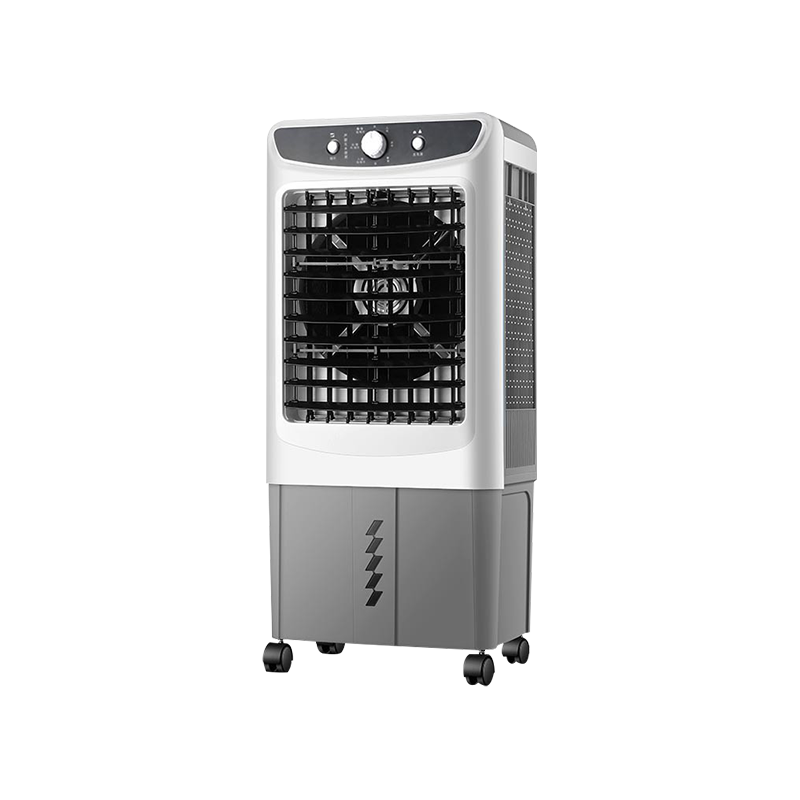
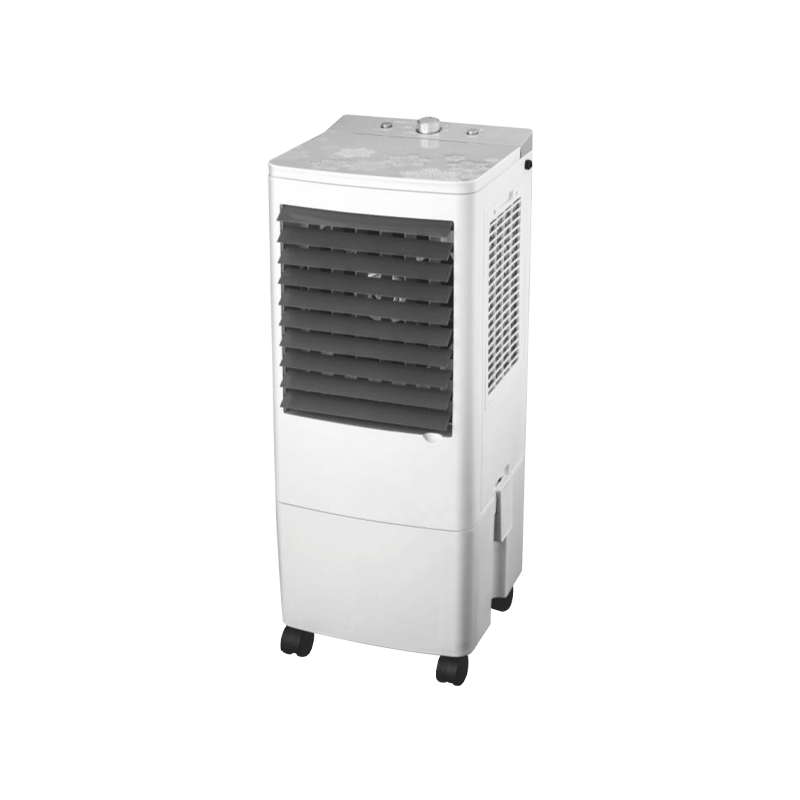
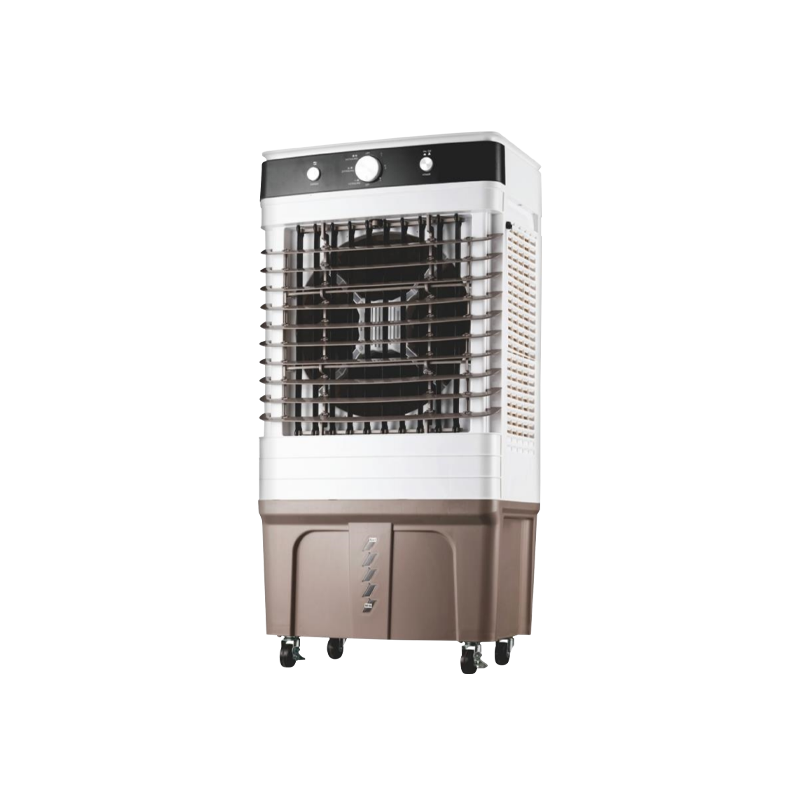
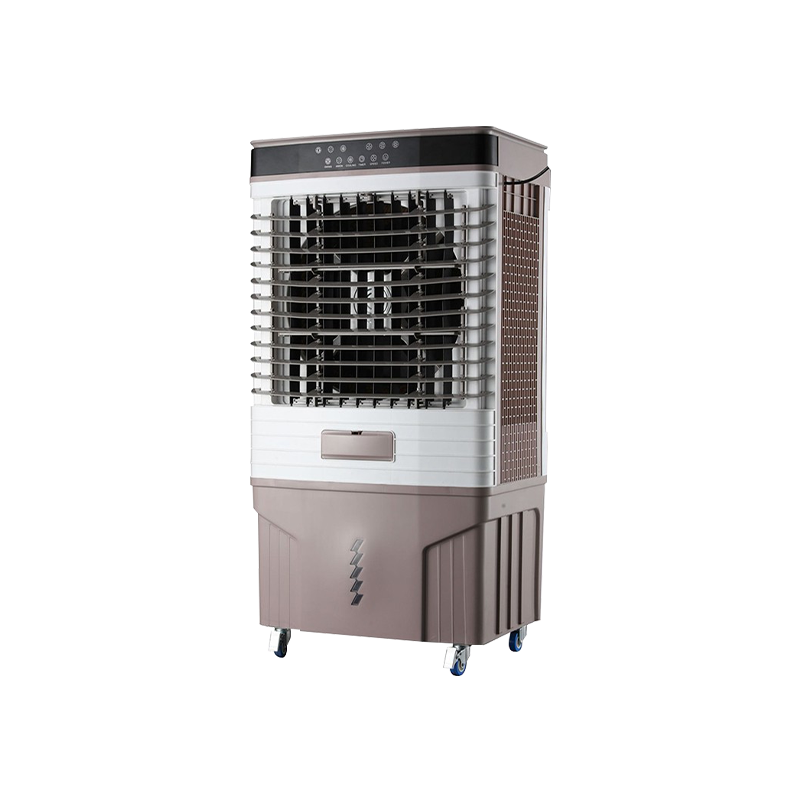
Larger tanks mean longer run times between refills. A compact 15-20 liter tank may need refilling once or twice a day for continuous use, while an 60-120 liter floor-standing model can often run for a full day or more without attention, which matters for households that prefer to run the cooler overnight.
A well-optimized air duct and fan blade shape reduces airflow resistance, which allows a Summer Air Cooler to circulate more air at the same power draw. This translates directly into faster room cooling and more even temperature distribution.
Matching tank capacity and airflow output to room size is the single most important decision when selecting air coolers for home use. An undersized unit will run constantly without reaching a comfortable temperature, while an oversized unit wastes water and energy in a small space.
| Room Size | Suggested Tank Capacity | Cooler Type |
|---|---|---|
| Small bedroom or office | 15-20 liters | Compact portable cooler |
| Living room or medium space | 30-60 liters | Mid-size tower or three-mode cooler |
| Open-plan or large area | 60-120 liters | Large-capacity floor-standing cooler |
Both cooling methods have a place in a home, and the right choice depends on climate, budget, and installation preferences.
Beyond basic cooling capacity, a few practical features make a noticeable difference in daily use.
Three-speed fan control allows a household to switch between a gentle breeze for sleeping and a stronger airflow for quickly cooling a room after coming in from the heat.
A built-in timer, often up to 12 hours, allows the cooler to switch off automatically overnight, which helps manage both water usage and energy consumption without manual intervention.
A water pump that automatically shuts off when the tank runs dry protects the motor from damage and is a practical safety feature worth checking for before purchase.
Smooth, lockable caster wheels make it easy to reposition a larger floor-standing cooler between rooms without needing to lift the unit.
Routine care keeps an air cooler running efficiently through the full summer season and extends its usable lifespan.
Where a Summer Air Cooler is placed in a room has a direct impact on how quickly and evenly it cools the space. A few simple adjustments can noticeably improve performance without any change to the unit itself.
Since evaporative cooling relies on a continuous supply of drier outside air, placing the cooler near a partially open window or door allows warm, dry air to be drawn in and cool air to circulate more effectively. In a fully sealed room, humidity can build up over time and reduce the cooling effect.
Directing the airflow toward seating or sleeping areas, rather than into a corner or against a wall, ensures the cooled air reaches the people using the room instead of dissipating unused.
Direct sun exposure can heat the cooler's housing and the air immediately surrounding it, working against the unit's own cooling output. A shaded corner near a window or doorway is generally a better location.
One of the most practical reasons households choose air coolers for home use is the difference in running cost. Because evaporative cooling relies on a fan and a small water pump rather than a compressor, power draw for a typical home unit generally falls in the range of 60-200 watts, compared with a small split air conditioner that commonly draws 900-1,500 watts or more during operation. Over a full cooling season, this difference can translate into a meaningfully lower electricity bill, particularly in regions where a cooler is run for several hours a day across multiple rooms.
Water costs should also be factored into the comparison, though in most residential settings the cost of the water used by an evaporative cooler remains modest relative to the electricity savings achieved compared with compressor-based cooling.
Cixi Bisheng Electrical Appliance Co., Ltd., based in Fuhai Industrial Park, Cixi City, China, has been producing evaporative air coolers for more than a decade, with an annual output exceeding 240,000 units. The company operates its own factory and testing laboratory, allowing consistent quality control across its range of home and business-use evaporative coolers. Homeowners looking for a dependable Summer Air Cooler can compare tank capacities, fan modes, and control options across the company's product lineup to find a model matched to their room size and climate.
Yes, air coolers are effective for summer cooling, particularly in dry or low-humidity climates, where evaporative cooling can noticeably lower room temperature while adding beneficial humidity to the air.
Water consumption depends on tank size, fan speed, and ambient humidity, but most home units need their tank refilled anywhere from once a day to once every two to three days under continuous use.
For most users in dry, moderately hot, or energy-conscious environments, an air cooler is a strong lower-cost alternative, though very hot and humid climates may still benefit more from a compressor-based air conditioner.
Replacement frequency depends on water quality and usage hours, but most wet curtains last a full cooling season before airflow and cooling performance noticeably decline.
Yes, adding moisture to the air is part of how evaporative cooling works, which is beneficial in dry climates but should be monitored in already humid regions to avoid excess dampness indoors.


No.1015 Guanfu Road, Fuhai Town, Cixi City,Zhejiang,China

+86 134-8601-6220



Copyright ? Cixi Bisheng Electrical Appliance Co., Ltd. All Rights Reserved.
Wholesale Portable Air Cooler Manufacturer




 English
 中文简体
中文简体 Español